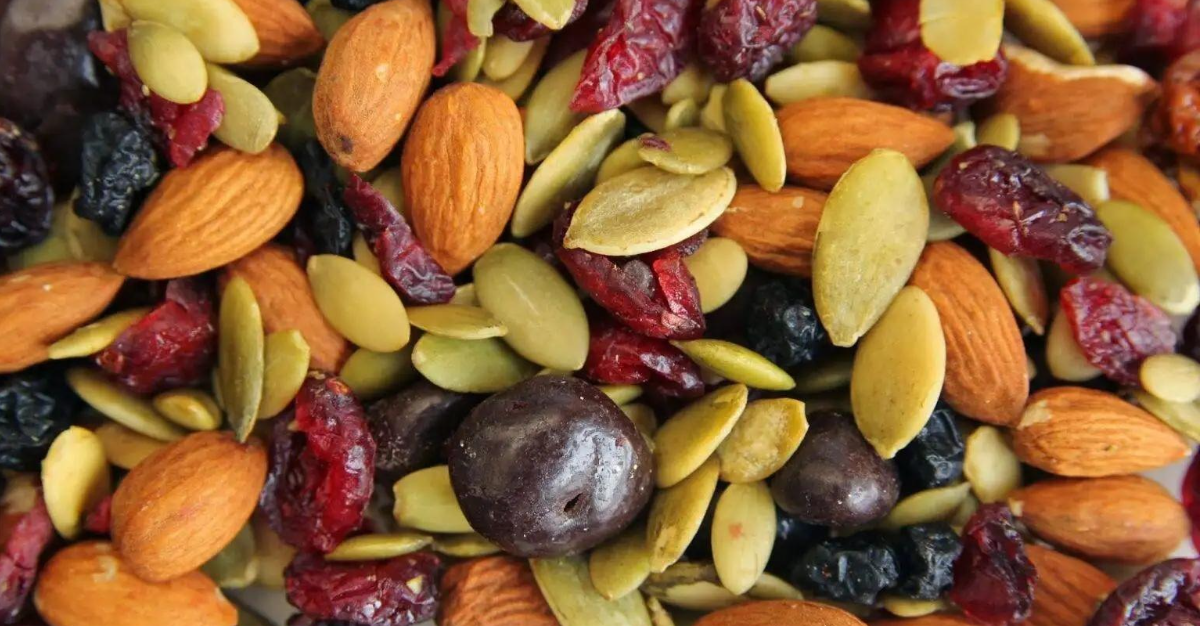
Amazing Science Behind Anti-Inflammatory Diet Strategies
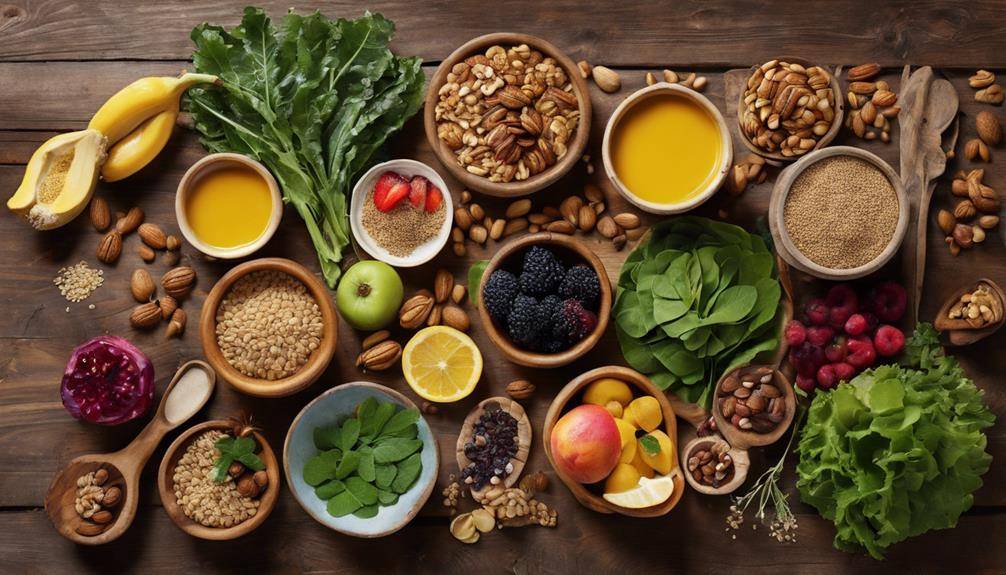
Science Behind Anti-Inflammatory Diet; An anti-inflammatory diet focuses on specific foods and nutrients to reduce chronic inflammation linked to various health issues. You can incorporate antioxidants from colorful fruits and vegetables and omega-3 fatty acids from fatty fish and flaxseeds. Whole foods are essential, while processed foods often trigger inflammation due to unhealthy fats and added sugars. Don’t forget to include healing spices like turmeric and ginger, which have proven anti-inflammatory properties. Staying hydrated and maintaining gut health also play crucial roles. Explore more to see how these dietary strategies can greatly improve your overall well-being.
We’ve Got Everything You Need to Make Your Masterpiece.
Understanding Inflammation
Inflammation is your body’s natural response to injury or infection, acting like a protective shield. When you experience acute inflammation, your immune system springs into action, sending inflammatory markers to the site of injury. This localized inflammation helps repair tissues and fight off pathogens. However, when inflammation persists beyond its useful purpose, it can become chronic inflammation, leading to various inflammatory diseases.
Chronic inflammation can silently affect your body, contributing to systemic inflammation that impacts multiple systems and organs. This ongoing inflammatory response can result from various inflammation triggers, such as poor diet, stress, and environmental factors. You might not even realize how these triggers are affecting your immune system over time.
Understanding the difference between acute and chronic inflammation is essential for effective inflammation management. Acute inflammation is often beneficial, while chronic inflammation can wreak havoc on your health. It’s associated with a range of conditions, including heart disease, diabetes, and autoimmune disorders.
To combat chronic inflammation, it’s important to identify and address the inflammation triggers in your life. By recognizing the role of your diet, lifestyle, and stress levels, you can take proactive steps to reduce inflammatory markers in your body. Implementing effective inflammation management strategies can help you regain control and promote overall well-being. Ultimately, being informed about inflammation allows you to take charge of your health and minimize the risk of developing inflammatory diseases.
Key Nutrients for Reducing Inflammation
A variety of key nutrients can play a significant role in reducing inflammation and promoting overall health. One of the most effective groups of nutrients includes antioxidants, which you can find in fruits and vegetables. These compounds help neutralize free radicals, reducing oxidative stress that contributes to inflammation. Foods rich in vitamins C and E, like citrus fruits and nuts, are essential for your diet.
You can’t overlook the importance of anti-inflammatory herbs. Turmeric, for instance, contains curcumin, known for its potent anti-inflammatory properties. Incorporating herbs like ginger and garlic can also enhance your meals while providing valuable health benefits. These herbs not only add flavor but also help combat inflammation at the cellular level.
Another important nutrient to focus on is fiber, found in whole grains, legumes, and vegetables. Fiber supports gut health, which is closely linked to inflammation. A healthy gut can improve nutrient absorption, allowing your body to utilize essential vitamins and minerals more effectively.
Lastly, don’t forget about the role of magnesium and zinc. These minerals play a vital part in immune function and can help reduce inflammatory responses. You can find magnesium in leafy greens, nuts, and seeds, while zinc is abundant in shellfish and beans.
We’ve Got Everything You Need to Make Your Masterpiece.
Role of Omega-3 Fatty Acids
Omega-3 fatty acids are essential for managing inflammation and promoting overall health. They play an important role in reducing inflammatory markers in your body, which can help alleviate conditions like arthritis, heart disease, and even depression. By incorporating omega-3s into your diet, you can enhance your body’s ability to fight inflammation effectively.
You can find omega-3 sources in various foods. Fatty fish, such as salmon, mackerel, and sardines, are among the richest sources. If you’re not a fan of fish, consider plant-based options like walnuts, flaxseeds, and chia seeds. These foods provide alpha-linolenic acid (ALA), a type of omega-3 that your body can convert to the more potent forms, EPA and DHA, albeit in smaller amounts.
If you’re struggling to get enough omega-3s through diet alone, omega-3 supplements can be a convenient solution. Fish oil capsules and algal oil supplements are popular choices. When selecting a supplement, look for high-quality products that have been tested for purity and strength. This guarantees you’re getting the most benefit without harmful contaminants.
Incorporating omega-3 sources and supplements into your routine can greatly impact your inflammatory response and overall health. By prioritizing these essential fatty acids, you’re taking a proactive step toward maintaining a balanced, anti-inflammatory diet that supports your well-being.
Antioxidants and Their Benefits
In addition to omega-3 fatty acids, antioxidants play an essential role in combating inflammation and supporting your overall health. These powerful compounds help neutralize free radicals in your body, which can cause oxidative stress and lead to chronic diseases. By incorporating antioxidant-rich foods into your diet, you can promote your body’s ability to fight inflammation and maintain a healthy balance.
You’ll find various antioxidant sources in fruits, vegetables, nuts, and whole grains. Berries, such as blueberries and strawberries, are especially high in antioxidants like anthocyanins. Dark leafy greens, such as kale and spinach, are also excellent choices, loaded with vitamins A, C, and E that act as potent antioxidants. Including these foods in your meals not only boosts flavor but also fortifies your health.
To maximize antioxidant absorption, aim for a diverse selection of colors on your plate. Different colors often signify different types of antioxidants, so mixing up your fruits and veggies promotes you’re getting a range of benefits. Cooking certain vegetables, like tomatoes, can also enhance their antioxidant properties, making them easier for your body to absorb.
Impact of Processed Foods
While many people enjoy the convenience of processed foods, they often come with hidden drawbacks that can negatively impact your health. Processed foods are typically high in unhealthy fats, sugars, and sodium. These ingredients can promote inflammation in your body, leading to various chronic health issues. When you reach for a quick snack, it’s easy to overlook the long list of processed food additives lurking in the ingredient list. These additives not only enhance flavor and shelf-life but can also disrupt your body’s natural processes.
Take a closer look at nutritional labeling when selecting your meals. You might find that many processed foods contain trans fats or artificial preservatives, which can contribute to inflammation and other health problems. Even seemingly healthy options can be misleading. For instance, a granola bar might be marketed as “nutritious,” but if you examine the label, you may discover it’s packed with added sugars and unhealthy oils.
It’s essential to be aware of how these choices affect your overall well-being. Incorporating too many processed foods into your diet can lead to increased levels of inflammation, counteracting the benefits of an anti-inflammatory diet. Instead of relying on these convenient options, consider planning your meals and snacks ahead of time. By doing so, you can make informed decisions, prioritize whole foods, and reduce your intake of harmful additives, ultimately supporting your health and wellness journey.
Whole Foods Vs. Refined Foods
When you compare whole foods to refined foods, you’ll notice a significant difference in nutrient density. Whole foods often pack more vitamins and minerals, which can help reduce inflammation levels in your body. Over time, choosing whole foods can lead to better long-term health outcomes.
Nutrient Density Comparison
Nutrient density plays an essential role in determining the health benefits of your diet, especially when comparing whole foods to refined foods. Whole foods, like fruits, vegetables, whole grains, and legumes, are packed with vitamins, minerals, and antioxidants that promote overall health. Their high nutrient density means you get more nutrients per calorie, making them a smart choice for maintaining energy levels and supporting bodily functions.
On the other hand, refined foods often lack essential nutrients due to processing. They might taste good and offer convenience, but they usually contain added sugars, unhealthy fats, and empty calories that contribute little to your body’s needs. When you prioritize whole foods, you not only improve your nutrient intake but also encourage a wider food variety, which can enhance your overall dietary experience.
We’ve Got Everything You Need to Make Your Masterpiece.
Impact on Inflammation Levels
The choice between whole foods and refined foods greatly influences inflammation levels in your body. Whole foods, packed with nutrients, help regulate inflammatory markers and support a healthy immune response. On the other hand, refined foods often lead to imbalanced dietary patterns that contribute to chronic diseases. When you make lifestyle changes to incorporate more whole foods, you enhance your nutritional balance, which can considerably reduce inflammation.
Meal timing and cooking methods also play essential roles. For example, preparing meals with whole ingredients using gentle cooking methods can preserve their anti-inflammatory properties. Additionally, food combinations matter; pairing healthy fats, like avocado or olive oil, with vegetables can optimize nutrient absorption and further reduce inflammation.
Unfortunately, health disparities can affect access to whole foods, making it essential to educate yourself on available options in your area. By prioritizing whole foods over refined options, you can make impactful changes in your diet that promote better health and lower inflammation levels. This proactive approach allows you to take control of your well-being and reduce the risk of chronic diseases associated with inflammation.
Long-Term Health Effects
Considering long-term health effects, choosing whole foods over refined options greatly impacts your overall well-being. Whole foods, rich in vitamins, minerals, and antioxidants, can enhance your immune response and help manage weight effectively. By adopting such dietary patterns, you’re not just making a meal choice; you’re implementing preventive measures against chronic diseases like diabetes, heart disease, and obesity.
Refined foods, on the other hand, often lead to inflammation and poor metabolic health, which can exacerbate aging effects on your body. The lack of essential nutrients in these foods can weaken your immune system, making it harder for your body to fend off illnesses. By focusing on whole foods, you’re likely to experience cardiovascular benefits that come from better heart health and improved circulation.
Furthermore, lifestyle modifications that prioritize whole foods can contribute to overall wellness. You’ll find it easier to maintain a healthy weight and feel more energized, ultimately enhancing your quality of life. In the long run, the choice between whole and refined foods isn’t just about taste; it’s about investing in your health and longevity.
The Importance of Fiber
Fiber plays an essential role in an anti-inflammatory diet, helping to regulate digestion and maintain gut health. When you increase your fiber intake, you benefit from a variety of fiber sources, including fruits, vegetables, whole grains, and legumes. These fiber-rich foods are vital for promoting healthy digestion and preventing inflammation.
There are two main types of dietary fiber: soluble and insoluble. Soluble fiber dissolves in water and can help lower cholesterol levels and stabilize blood sugar. You’ll find soluble fiber in oats, beans, and citrus fruits. On the other hand, insoluble fiber adds bulk to your stool and aids in moving food through your digestive tract. It’s found in whole grains, nuts, and the skins of fruits and vegetables. Incorporating both types into your diet enhances fiber digestion and overall gut function.
One of the significant fiber benefits is its role in promoting satiety. When you consume fiber-rich foods, you’re more likely to feel full, which can help control your appetite and prevent overeating. This is especially important for maintaining a healthy weight, as excess weight can contribute to inflammation.
To reap the full advantages of fiber, aim for the fiber recommendations set by health experts, which suggest about 25 grams per day for women and 38 grams for men. By focusing on increasing your fiber intake, you’ll not only support your digestive health but also contribute to an anti-inflammatory lifestyle, setting the stage for better overall well-being.
Gut Health and Inflammation
Your gut health plays an essential role in managing inflammation throughout your body. By focusing on foods that promote a healthy microbiome, you can support your overall well-being. Plus, understanding how stress impacts gut health can help you make better dietary choices.
Role of Gut Microbiome
The gut microbiome acts as an essential player in the body’s inflammatory response, influencing overall health in profound ways. When you maintain gut diversity, you help foster microbiome balance, which is vital for reducing gut inflammation. Consuming prebiotic foods like garlic, onions, and bananas can enhance the growth of beneficial bacteria, while incorporating probiotic sources, such as yogurt and kefir, supports this balance further. Fermented products are also key players in promoting microbiome health.
An imbalanced microbiome, known as dysbiosis, can lead to increased inflammation and various health issues. The dysbiosis effects might manifest as digestive problems, allergies, or even autoimmune conditions, emphasizing the importance of a balanced gut. Additionally, the gut-brain connection highlights how your gut health can directly influence your mental well-being, signaling the need for maintaining a healthy microbiome.
We’ve Got Everything You Need to Make Your Masterpiece.
Foods That Heal
Incorporating a variety of healing foods into your diet can greatly enhance gut health and reduce inflammation. Start by embracing healing herbs like turmeric and ginger, which offer potent anti-inflammatory benefits. You can also explore superfood benefits by adding ingredients such as leafy greens, berries, and nuts to your meals. These foods act as immune boosters, fortifying your body against inflammation.
Don’t forget about anti-inflammatory beverages like green tea or bone broth, which can further support gut health. Consider traditional diets that emphasize whole, unprocessed foods, as they often align with nutrient timing principles. By consuming nutrient-rich meals at ideal times, you maximize their benefits.
Focus on food synergy; pairing foods can enhance their healing properties. For example, combining healthy fats with vegetables can improve nutrient absorption. Implementing seasonal eating will not only keep your meals fresh but also guarantee you’re consuming foods at their peak nutritional value.
Lastly, aim for balanced meals that include a variety of food groups. This approach, combined with mindful culinary practices, can transform your diet into a powerful ally against inflammation and support your overall well-being.
Impact of Stress
While you might focus on diet for reducing inflammation, stress plays a significant role in gut health that shouldn’t be overlooked. Chronic stress can lead to stress-induced inflammation, negatively impacting your digestive system. It’s important to incorporate stress management techniques into your routine to foster better gut health.
Consider adopting lifestyle modifications that enhance your emotional resilience. This could include practicing mindfulness techniques, such as meditation practices or deep-breathing exercises. These relaxation strategies help you respond to environmental stressors more effectively and can reduce the overall impact of stress on your body.
Finding effective coping mechanisms is imperative. You might explore activities like yoga or tai chi, which combine physical movement with relaxation, promoting both mental and gut health. Regularly engaging in these practices can lower your stress levels and mitigate inflammation.
Spices That Combat Inflammation
Harnessing the power of spices can greatly enhance your anti-inflammatory diet. Incorporating spices like turmeric can offer incredible benefits due to its active compound, curcumin, which helps reduce inflammation in the body. You’ll find that ginger properties also play a significant role, as ginger contains bioactive compounds that combat swelling and pain.
Cinnamon effects shouldn’t be overlooked either; this popular spice can help lower inflammatory markers in the body. When you add garlic compounds to your meals, you’re not just boosting flavor—you’re also gaining antioxidants that can protect against inflammation. Don’t forget about pepper extracts, particularly black pepper, which can enhance the absorption of turmeric and other beneficial compounds.
Chili advantage lies in its capsaicin content, known for its ability to reduce pain and inflammation. Cloves impact your health as well, offering potent antioxidants that can combat oxidative stress. You can also benefit from rosemary uses, as this aromatic herb contains rosmarinic acid, known to fight inflammation effectively.
Oregano benefits include its high concentration of phenolic compounds, which can help reduce inflammation levels in your body. Finally, the effects of basil are equally impressive, with its essential oils providing anti-inflammatory properties that may improve overall health. By incorporating these spices into your meals, you can create a flavorful and effective anti-inflammatory diet that supports your well-being.
Effects of Sugar on Inflammation
Consuming excessive sugar can greatly contribute to inflammation in your body. When you consume high amounts of sugar, especially from sugary beverages, it disrupts sugar metabolism. This can lead to insulin resistance, which is closely linked to chronic inflammation. High-glycemic index foods trigger rapid spikes in blood sugar, activating inflammation pathways and increasing inflammatory markers in your system.
Sugar addiction also plays a role; the more sugar you consume, the more your body craves it, creating a vicious cycle. As you indulge in sweet treats, your body’s inflammatory response can intensify, making it harder to maintain overall health. Dietary guidelines recommend limiting added sugars to reduce this risk.
Instead of reaching for sodas or other high-sugar items, consider incorporating sugar alternatives into your diet. These can satisfy your sweet tooth without triggering the same inflammatory responses. Natural sweeteners like stevia or monk fruit provide options that don’t impact sugar metabolism in the same harmful way.
Hydration and Its Role
Hydration plays an essential role in managing inflammation and supporting overall health. It’s not just about drinking water; understanding hydration sources is vital. You can hydrate through beverages like herbal teas or coconut water and foods such as fruits and vegetables. Incorporating these into your diets can enhance your hydration levels considerably.
Hydration timing also matters. Drinking water consistently throughout the day helps maintain ideal hydration effects, rather than waiting until you feel thirsty. This prevents the dehydration that can lead to increased inflammation.
There are several hydration myths that need debunking. For instance, many believe that you only need to drink eight glasses of water daily. The truth is, individual needs vary based on factors like activity level and climate.
The benefits of proper hydration extend beyond just quenching thirst. Adequate hydration supports metabolism, helping your body efficiently process nutrients and maintain energy levels. When you’re well-hydrated, you’ll notice improvements in hydration and exercise performance, allowing for better endurance and recovery.
Following hydration guidelines, such as monitoring your urine color, can help you verify you’re drinking enough fluids. Keep in mind that dehydration can have negative effects on your body, including fatigue and impaired cognitive function. By prioritizing hydration in your daily routine, you’ll not only feel more energized but also better equipped to manage inflammation effectively.
Practical Tips for Implementation
Implementing an anti-inflammatory diet can be straightforward with the right strategies in place. Start by incorporating meal planning into your weekly routine. Take an hour each week to outline meals that focus on seasonal ingredients, which not only enhances flavor but also boosts nutritional value. When grocery shopping, prioritize fresh produce, whole grains, and lean proteins. Consider creating a shopping list to avoid impulse purchases that might derail your goals.
Cooking techniques play an essential role as well. Opt for methods like steaming, grilling, or baking instead of frying, which can introduce unhealthy fats. Don’t forget about snack options—keep healthy choices like nuts, fruits, or yogurt on hand to avoid reaching for processed snacks.
Portion control is key to maintaining a balanced diet. Use smaller plates and bowls to help regulate your serving sizes. Family involvement can make this journey more enjoyable; get everyone involved in meal prep and cooking. This not only teaches healthy habits but also strengthens family bonds.
Consider food journaling to track your meals, noting how different foods affect your body. This practice can help you identify triggers and refine your diet. Finally, embrace mindful eating: savor each bite and pay attention to your body’s hunger cues. With these practical tips, you’ll find it easier to adopt an anti-inflammatory diet that supports your overall health and well-being.
We’ve Got Everything You Need to Make Your Masterpiece.
Frequently Asked Questions: Science Behind Anti-Inflammatory Diet
Can an Anti-Inflammatory Diet Aid in Weight Loss?
Yes, an anti-inflammatory diet can aid in weight loss. By focusing on healthy food choices and reducing caloric intake, you can boost metabolism and promote fat loss while enjoying nutrient-dense foods that support overall health.
How Long Before I Notice Results From This Diet?
You might notice results within a few weeks, but timeline expectations vary. Factors like your body, adherence, and overall lifestyle play significant roles in how quickly you see changes from adopting this diet.
Are There Any Risks Associated With an Anti-Inflammatory Diet?
Yes, there are risks. If you don’t maintain nutrient balance, you might face potential deficiencies. It’s crucial to guarantee a varied diet, so you’re getting all necessary vitamins and minerals while following an anti-inflammatory approach.
Is It Suitable for Everyone, Including Children and the Elderly?
An anti-inflammatory diet can suit many, but age considerations matter. You should consult a healthcare provider to discuss dietary modifications for children and the elderly, ensuring their specific nutritional needs are met effectively.
How Does Stress Affect Inflammation and Diet Effectiveness?
Stress triggers a stress response, increasing inflammation in your body. This inflammation link can undermine diet effectiveness, making it essential for you to manage stress alongside your dietary choices to achieve better health outcomes.

Conclusion
By adopting an anti-inflammatory diet, you can greatly improve your health and well-being. Focus on incorporating key nutrients, omega-3 fatty acids, and antioxidants while cutting down on processed foods and sugar. Don’t forget to spice up your meals with inflammation-fighting herbs and stay hydrated. With these practical tips, you’ll not only combat inflammation but also enjoy delicious and nutritious meals that support your overall health. Start making these changes today for a healthier future!
If you enjoyed exploring this topic and want to dive even deeper, be sure to check out some of our other articles here on Infinite Flavors. From rich culinary histories to creative twists on classic recipes, there’s always something new to discover. Whether you’re curious about the origins of a dish, looking for fresh inspiration in the kitchen, or simply love learning about food culture, our collection of posts is the perfect next step on your flavor journey.