Selecting The Right Pressure Cooker
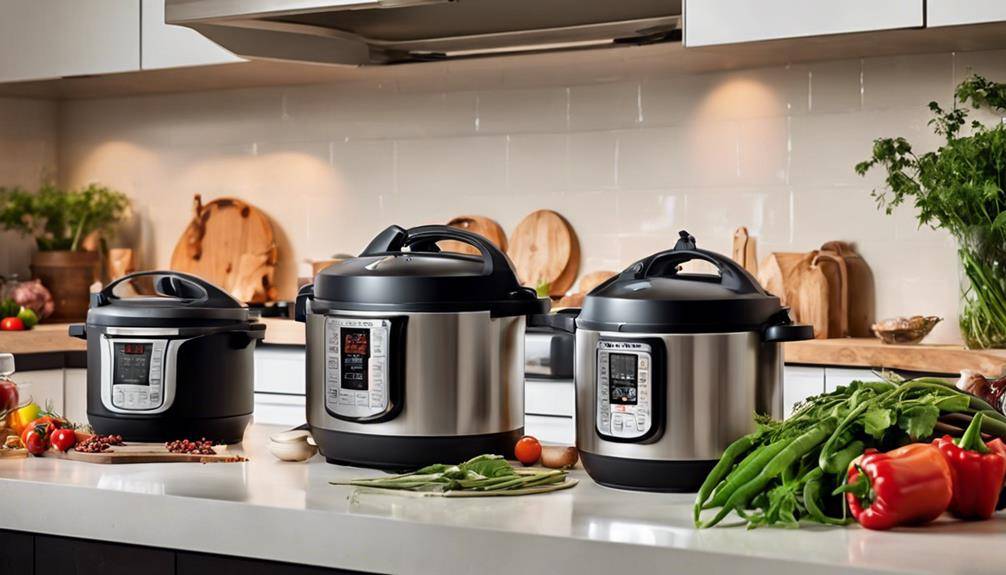
Selecting The Right Pressure Cooker; When selecting the right pressure cooker, you need to evaluate the type that suits your cooking style—stovetop for versatility and quick pressure release, or electric for ease and convenience. Size matters too; choose one that fits your household needs. Look for durable materials like stainless steel for better heat distribution. Don’t forget about safety features, such as a reliable pressure gauge and steam vent. Finally, compare brands and read reviews to find trusted options that fit your budget. There’s plenty more to explore about finding your perfect match.
Understanding Pressure Cooker Types
When it comes to pressure cookers, you’ll find three main types: stovetop, electric, and multi-cookers. Each type has its unique features and advantages, so understanding them can help you make the right choice for your cooking needs.
Stovetop pressure cookers rely on manual pressure, meaning you control the heat source directly. They typically heat up faster and allow for better temperature control, making them ideal for those who appreciate traditional cooking methods. If you’re comfortable with hands-on cooking, a stovetop model might be your best bet.
Electric pressure cookers, on the other hand, come with built-in pressure cooker technology that makes them incredibly user-friendly. With just a push of a button, you can set your desired cooking time and temperature. They often include pre-programmed settings for various dishes, which is perfect if you’re looking for convenience. However, they usually take longer to reach pressure compared to stovetops.
Multi-cookers combine the functionality of a pressure cooker with other cooking methods, such as slow cooking, sautéing, and steaming. This versatility makes them a great option if you want an all-in-one appliance. They also use electric pressure cooker technology, providing ease of use while offering multiple cooking options.
Key Features to Consider
When choosing a pressure cooker, size and capacity are essential factors that can impact your cooking experience. You’ll want one that fits your needs, whether you’re cooking for a small family or hosting larger gatherings. Additionally, consider the safety features to guarantee you’re using a reliable and secure appliance.
Size and Capacity
Choosing the right size and capacity for your pressure cooker is essential to guaranteeing it meets your cooking needs. Pressure cooker sizes vary greatly, ranging from small models perfect for singles or couples to larger options ideal for families or meal prepping. Start by considering how many people you typically cook for. A 6-quart cooker generally serves 4-6 people, while an 8-quart model can accommodate larger gatherings or batch cooking.
Next, think about the types of dishes you enjoy preparing. If you often cook stews, soups, or whole roasts, a larger capacity option will give you the flexibility you need. Don’t forget about storage space; verify you have room for the cooker in your kitchen.
Lastly, remember that some recipes require a minimum amount of food or liquid to function correctly. So, if you lean towards smaller pressure cooker sizes, you may need to adjust your cooking habits. Weigh your cooking style, family size, and storage capabilities to choose the best capacity option for your lifestyle. The right size can enhance your cooking experience and make meal preparation a breeze.
Safety Features
While selecting a pressure cooker, it’s important to prioritize safety features that guarantee a secure cooking environment. Look for a model with a sturdy lid design that includes a safety lock to prevent accidental opening under pressure. This lock keeps you safe while the cooker is in use. Overpressure protection is another critical feature; it makes sure that excess pressure is released safely, keeping you from dangerous situations.
Pay attention to the pressure gauge, which helps you monitor cooking levels accurately. A reliable steam vent allows for proper pressure release, making certain that steam escapes safely. Additionally, an emergency valve can provide an extra layer of security in case of malfunction.
Durable materials are crucial, as they contribute to the overall safety and longevity of your cooker. Thermal insulation is another feature that keeps the exterior cool, reducing the risk of burns. Finally, always read the user instructions carefully to familiarize yourself with the specific safety features of your chosen model. By considering these key safety features, you can confidently select a pressure cooker that meets your cooking needs without compromising your safety.
Size and Capacity Matters
Selecting the right size and capacity for your pressure cooker can make all the difference in your cooking experience. When considering your cooking frequency, think about how often you’ll use the cooker and the types of meals you plan to prepare. If you typically cook for a larger family, a bigger capacity can accommodate those serving sizes, ensuring everyone gets their fill.
Meal planning also plays an essential role. If you often prepare multiple meals or like to batch-cook, a larger cooker allows for more recipe variety. On the other hand, if you’re cooking for one or two people, a smaller model may be more suitable, saving you time and minimizing waste.
Family size influences your decision too. If you have kids or frequently entertain guests, a pressure cooker with a greater capacity can help you whip up hearty dishes without feeling rushed due to time constraints. Also, consider your cooking preferences and dietary needs. If you enjoy experimenting with various ingredient types, a versatile pressure cooker can handle everything from grains to stews.
Lastly, think about your storage options. A larger cooker might take up more space in your kitchen, so weigh the benefits of capacity against your available storage. By taking these factors into account, you can find the perfect pressure cooker that fits your lifestyle and cooking habits, making every meal a delight.
Material and Build Quality
When it comes to pressure cookers, the material and build quality considerably impact both durability and cooking performance. You want a pressure cooker that stands the test of time and can handle high-pressure cooking without warping or degrading. Stainless steel is a popular choice because of its durability; it resists rust and corrosion, ensuring your cooker remains safe and functional for years. Plus, its ability to distribute heat evenly means you’ll achieve consistent results, whether you’re making stews or steaming vegetables.
While stainless steel offers many benefits, some models come with non-stick coatings. These coatings can make food release a breeze and simplify cleanup, which is a big plus for busy cooks. However, be cautious with these non-stick surfaces. They can wear down over time, especially if you use metal utensils, and may not be as resilient under high heat as stainless steel.
When selecting a pressure cooker, also consider the thickness of the material. Thicker walls enhance heat retention and stability under pressure, which is essential for safety. Take a close look at the lid and seals, too; they should be sturdy and fit snugly to prevent leaks.
Electric Vs. Stovetop Models
Understanding the differences between electric and stovetop models can greatly influence your cooking experience. Both types offer unique benefits that cater to varying user preferences. Electric pressure cookers are known for their electric advantages, such as being easy to use with programmable settings and automatic shut-off features. These models are particularly handy for busy cooks, as they allow you to set it and forget it, freeing you up to focus on other tasks.
On the other hand, stovetop models are celebrated for their stovetop efficiency and cooking speed. They heat up quickly and can reach higher pressure levels than their electric counterparts, making them ideal for certain recipes that require rapid cooking. If you often prepare meals that demand quick pressure release, stovetop models might be the better choice.
Regarding energy consumption, electric models tend to use less energy since they can be more efficient in maintaining heat. However, stovetop pressure cookers can be more versatile regarding recipe compatibility. They can be used on any heat source, including gas and induction, while electric models are limited to electrical outlets.
Ultimately, your choice between electric and stovetop pressure cookers boils down to your cooking style and needs. If you value convenience and ease of use, an electric model may suit you best. Conversely, if you prioritize cooking speed and flexibility with recipes, a stovetop model might be the better fit.
Safety Features Overview
Safety is a crucial aspect to contemplate when choosing a pressure cooker. You want to guarantee that the model you select comes equipped with essential safety features that protect you and your kitchen. One of the most critical features is the pressure relief valve. This mechanism helps regulate the pressure inside the cooker, preventing any dangerous buildup. If the pressure gets too high, the valve will release steam, confirming that you can cook safely without risking an explosion.
Another important safety feature is the lid locking mechanism. This system prevents the lid from being opened while the cooker is under pressure. You’ll appreciate this feature, especially if you’re new to pressure cooking, as it minimizes the risk of burns or accidents. Make certain your pressure cooker has a reliable lid locking system that’s easy to operate but secure enough to keep the lid in place during cooking.
Additionally, look for models with visual indicators that show when the cooker is under pressure and when it’s safe to open. Some cookers also include a safety lock that triggers if the pressure relief valve malfunctions, providing an extra layer of protection.
Cooking Functions and Versatility
When choosing a pressure cooker, you’ll want to contemplate its multi-function cooking options. Having the flexibility to adjust pressure settings can really expand your culinary possibilities. This versatility not only saves time but also allows you to experiment with a variety of dishes.
Multi-Function Cooking Options
A pressure cooker can transform your cooking experience with its impressive multi-function capabilities. These appliances aren’t just for pressure cooking; they can sauté, steam, slow cook, and even make yogurt. With these versatile options, you can explore a range of multi cooker recipes that suit your lifestyle and dietary needs.
Imagine whipping up a hearty stew in a fraction of the time it takes on the stovetop. That’s one of the many pressure cooking benefits you’ll enjoy. You’ll save time while retaining flavors and nutrients, making meals healthier and more delicious.
Additionally, the ability to sauté before pressure cooking gives you the chance to develop rich flavors right in the pot, reducing the number of dishes you need to clean. Whether you’re preparing quick weeknight dinners or elaborate weekend feasts, your pressure cooker can adapt to your culinary desires.
Pressure Settings Flexibility
Many cooks appreciate the flexibility that pressure settings provide, allowing you to tailor your cooking experience to suit various recipes and ingredients. With adjustable pressure control, you can fine-tune the cooking process, ensuring that delicate foods like fish or vegetables don’t overcook while tougher cuts of meat benefit from higher pressure for ideal tenderness.
This versatility enhances your cooking efficiency, letting you switch between high and low pressure depending on what you’re making. For instance, if you’re preparing a stew, you might want to use high pressure to cut down cooking time, while a risotto could require a gentler touch.
Moreover, having multiple pressure settings means you can experiment with different cooking methods, like steaming or sautéing, all within one appliance. This not only saves time but also reduces the number of pots and pans you need to clean afterward.
When selecting a pressure cooker, look for models that offer a range of pressure settings. This feature will empower you to make the most of your recipes, giving you the freedom to explore culinary possibilities while maintaining the quality of your dishes.
Brand Reputation and Reviews
Choosing a pressure cooker involves more than just looking at features; brand reputation and customer reviews play an essential role in making an informed decision. When you evaluate brand reliability, you’re looking at how consistently a company delivers quality products. Researching expert opinions can provide insights into which brands are trusted within the cooking community. Pay attention to performance ratings, as they reflect real-world experiences from users like you.
User testimonials are invaluable; they not only share personal experiences but also highlight product longevity and durability. If a pressure cooker consistently receives high marks for customer satisfaction, it’s a good indication of its quality. Warranty coverage is another factor to take into account. A solid warranty can provide peace of mind, ensuring that you’re protected against any manufacturing defects.
Analyzing brand comparisons can help you understand how various brands stack up against each other, particularly regarding features, pricing, and reliability. Keep an eye on market trends, as popular models often reflect the evolving needs of home cooks. Engaging with cooking community feedback can also guide your decision-making process; joining forums or social media groups allows you to ask questions and gather additional insights.
Ultimately, taking the time to research brand reputation and reviews will empower you to select a pressure cooker that not only meets your cooking needs but also stands the test of time.
Budgeting for Your Purchase
When it comes to budgeting for your pressure cooker purchase, knowing your financial limits is vital. Start by identifying your price range. Pressure cookers can vary greatly in cost, so it’s important to do a cost comparison. You might find budget brands that offer good functionality without breaking the bank. Remember, a lower upfront cost doesn’t always mean lower quality; some budget options come with impressive features.
If you’re concerned about stretching your finances, consider financing options. Some retailers offer payment plans that allow you to spread the cost over time, making it easier to fit a quality cooker into your budget. Look for models that promise long-term savings, as a good pressure cooker can reduce cooking times and energy costs.
Quality assurance is another important factor. A reputable brand with solid warranty coverage can give you peace of mind, ensuring that your investment is protected. Before making a final decision, check the warranty details to see what’s covered and for how long.
Maintenance and Care Tips
How can you assure your pressure cooker lasts for years to come? Proper maintenance and care are key. Start with regular cleaning techniques. After each use, make certain to wash the pot, lid, and any removable parts with warm, soapy water. Avoid using abrasive sponges, as they can scratch the surface. For stubborn stains, a paste of baking soda and water works wonders.
Another essential aspect is inspecting the rubber gasket. This seals the lid and prevents steam from escaping. Check it frequently for cracks or signs of wear; replacing it when necessary will guarantee peak performance. Don’t forget to clean the steam vent and pressure indicator regularly too, as debris can lead to common mistakes like improper sealing.
Speaking of mistakes, avoid overfilling your cooker. It can lead to food blocking the safety valves, causing potential hazards. Always refer to the manufacturer’s instructions for maximum fill levels. Additionally, never use your pressure cooker without water or liquid, as this can cause it to overheat and damage the pot.
Lastly, store your pressure cooker in a dry place with the lid off. This prevents moisture buildup, which can lead to mold or unpleasant odors. By following these simple maintenance and care tips, you can keep your pressure cooker in excellent condition and enjoy delicious meals for years to come.
Where to Buy Your Cooker
When you’re ready to purchase your pressure cooker, consider your options carefully. Online retailers often offer a wide range of choices and competitive prices, while local kitchen stores provide a hands-on experience. Specialty appliance shops can help you find unique models and expert advice tailored to your needs.
Online Retailers Comparison
Finding the right pressure cooker online can feel overwhelming, but several reputable retailers make the process easier. Websites like Amazon, Walmart, and Target offer a wide variety of options, allowing you to compare features and prices side by side. When browsing, take advantage of customer reviews; they provide insights from real users about the cookers you’re considering. Look for feedback on performance, safety features, and ease of use—this information can be invaluable.
Price comparisons are another vital aspect of your search. Using comparison websites or tools can help you find the best deals across different retailers. Don’t forget to check for discounts, promotions, or bundled offers that might be available during your search.
Additionally, consider shipping costs and return policies as you evaluate different online options. Some retailers offer free shipping or generous return windows, which can add value to your purchase. By carefully comparing these factors and reading customer reviews, you’ll be better equipped to choose a pressure cooker that meets your needs without breaking the bank. So, take your time, do your research, and you’ll find the perfect cooker for your kitchen.
Local Kitchen Stores
Exploring local kitchen stores can be a rewarding experience when searching for the perfect pressure cooker. These shops often have knowledgeable staff who offer excellent customer service, helping you navigate various appliance brands and their features. You can benefit from local discounts that may not be available online, making it easier on your wallet.
Many local stores host product demonstrations, allowing you to see the pressure cookers in action before making a decision. You might even stumble upon cooking classes that teach you how to maximize your new appliance, giving you added confidence in your cooking skills.
As you walk through the store layouts, you can compare different models side by side, which is something online shopping can’t provide. Don’t hesitate to ask about warranty options; understanding the coverage can give you peace of mind with your purchase. Additionally, local recommendations from staff or other customers can lead you to the best options tailored to your needs.
Specialty Appliance Shops
Specialty appliance shops often provide an impressive selection of pressure cookers tailored to serious home cooks. When you step into one of these shops, you’ll likely find a range of high-quality specialty brands that cater to different cooking styles and needs. Whether you’re looking for an electric model or a traditional stovetop cooker, these shops specialize in products designed for performance and durability.
Additionally, the staff at specialty appliance shops are often well-trained and knowledgeable about the items they sell. They can guide you in choosing the right pressure cooker and share tips on how to make the most of your purchase. Plus, many of these shops offer appliance warranties that give you peace of mind about your investment. Knowing you have coverage in case of defects or issues can make your buying decision much easier.
Frequently Asked Questions: Selecting The Right Pressure Cooker
Can I Cook Desserts in a Pressure Cooker?
Yes, you can cook desserts in a pressure cooker! Try out various dessert recipes like cheesecakes or puddings. Just remember some cooking tips, like adjusting timing and liquid levels for the best results. Enjoy your sweet creations!
How Long Does It Take to Cook Rice in a Pressure Cooker?
Cooking rice in a pressure cooker can vary based on rice varieties. For white rice, it usually takes about 3-5 minutes, while brown rice requires around 20-25 minutes. Always check the specific cooking times for your chosen variety.
What Should I Avoid Cooking in a Pressure Cooker?
You should avoid cooking delicate foods like fish or certain vegetables in a pressure cooker. They can lead to safety concerns and undesirable food texture, potentially making your meal unappetizing and unappealing.
Can I Use My Pressure Cooker for Canning Food?
Yes, you can use your pressure cooker for canning food, but make certain it’s a pressure canner type for canning safety. Always follow guidelines to prevent spoilage and guarantee proper seals during the canning process.
How Do I Convert Traditional Recipes for Pressure Cooking?
To convert traditional recipes for pressure cooking, you’ll need to adjust cooking times and make pressure adjustments. Typically, reduce cooking times by about one-third and check for doneness to guarantee everything’s perfectly cooked.

Conclusion
Choosing the right pressure cooker can make a big difference in your cooking experience. By understanding the various types, key features, and sizes available, you can find the perfect match for your needs. Consider the material and whether you prefer an electric or stovetop model, along with brand reputation and budget. Don’t forget to keep maintenance in mind to guarantee your cooker lasts. Now, you’re ready to make an informed decision and enjoy delicious meals in no time!
If you enjoyed exploring this topic and want to dive even deeper, be sure to check out some of our other articles here on Infinite Flavors. From rich culinary histories to creative twists on classic recipes, there’s always something new to discover. Whether you’re curious about the origins of a dish, looking for fresh inspiration in the kitchen, or simply love learning about food culture, our collection of posts is the perfect next step on your flavor journey.
The Great Simmering In Cooking Techniques Explained
Exactly How To Simmer Food Properly
The Best Practices For Simmering Food