Smoking Fish In A Charcoal Smoker
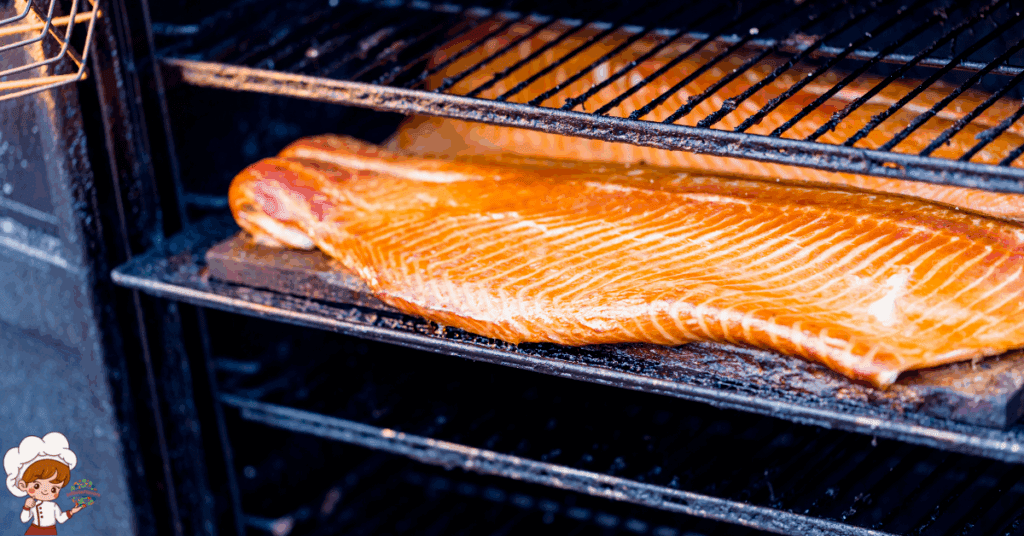
Smoking Fish In A Charcoal Smoker enhances its natural flavors and gives it a unique, smoky depth. Start by selecting oily fish like salmon or trout, and prepare them with a simple brine using water, salt, and sugar. After soaking for several hours, rinse and rest the fish to create a pellicle layer. Set up your smoker with high-quality charcoal and choose wood chips that complement your fish, such as alder for salmon. Maintain a steady temperature around 145°F for perfectly smoked fish. There’s plenty more to discover about techniques and flavoring options for your smoking adventure!
Choosing the Right Fish
When it comes to smoking fish, selecting the right type can make all the difference. You’ll want to take into account various fish varieties, each offering unique flavor profiles and textures. Popular choices include salmon, trout, and mackerel, but don’t overlook local fish that might be available seasonally.
Sustainable sourcing is key. Look for fish that have been responsibly caught or farmed to guarantee you’re making environmentally friendly choices. This not only supports healthy ecosystems but can also enhance the quality of the fish you’re smoking.
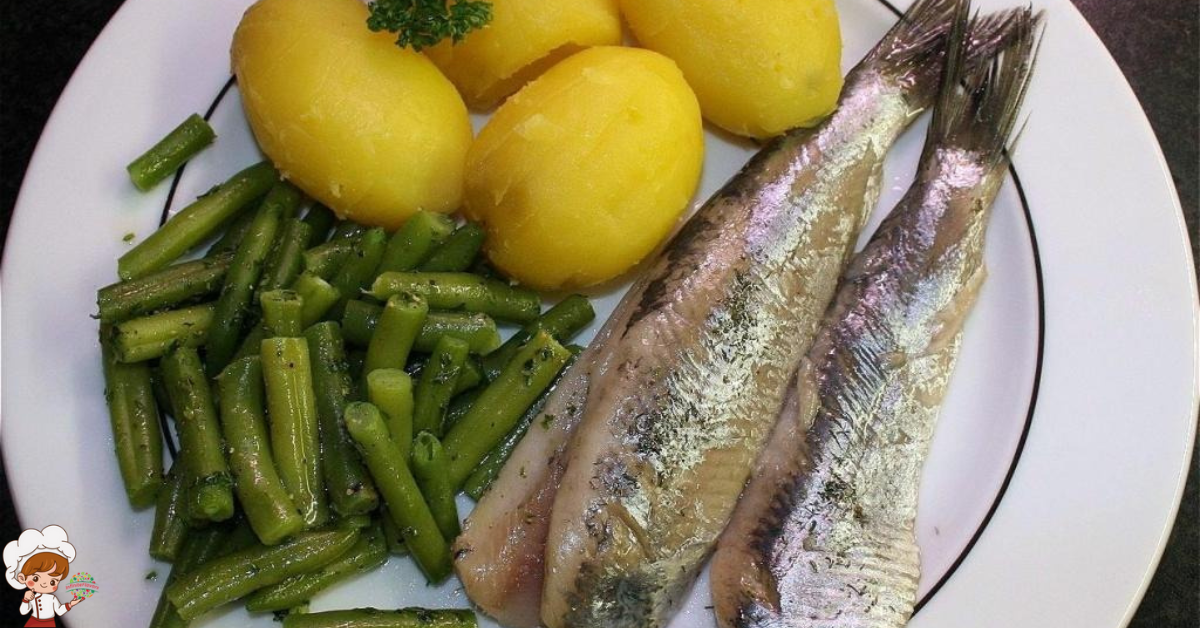
Different cooking methods and preparation styles can affect your final product. For instance, oily fish like salmon can stand up to stronger wood flavors, while leaner options like cod may require a more delicate approach. Regional preferences will also play a part in your selection; in some areas, smoked whitefish is a local favorite, while in others, you might find a strong tradition of smoking herring.
Don’t forget about the nutritional benefits! Fish is a great source of protein and omega-3 fatty acids, which contribute to heart health. By choosing fish that’s not only delicious but also packed with nutrients, you’ll elevate your smoking experience.
Preparing the Fish
After selecting the right fish, the next step is preparing it for smoking. Proper fish preparation is essential for achieving that rich, smoky flavor you’re after. Start by cleaning your fish thoroughly. Rinse it under cold water and pat it dry with paper towels. Once it’s clean, you’ll need to decide whether to fillet or leave it whole, depending on your preference and the type of fish you’ve chosen.
Next, consider using brining techniques to enhance the flavor and texture of your fish. A simple brine can be made with water, salt, and sugar. You might also want to add spices or herbs to the brine for extra flavor. Combine your ingredients in a bowl, stirring until the salt and sugar are dissolved. Submerge your fish in the brine, making sure it’s completely covered. Ideally, let it soak for about 4 to 8 hours in the refrigerator. This step not only infuses flavor but also helps the fish retain moisture during the smoking process.
After brining, remove the fish from the solution and rinse it under cold water to eliminate excess salt. Pat it dry again, then let it rest on a wire rack for about an hour. This allows the surface to dry, forming a pellicle—a tacky layer that helps the smoke adhere better during cooking. With your fish properly prepared, you’re now ready to move on to seasoning and marinating, setting the stage for a truly delicious smoked dish.
Essential Seasonings and Marinades
To elevate your smoked fish, selecting the right seasonings and marinades is essential. The choice of spice blends can dramatically enhance the flavor profiles of your catch. Start by exploring various marinade types, like oil-based or vinegar-based options, to find what suits your palate best.
If you’re seeking a classic approach, consider using brining methods. A simple saltwater brine not only tenderizes the fish but also infuses it with flavor. You can experiment with additional ingredients like sugar, spices, or even herbs to create a brine that complements your fish.
For a rejuvenating twist, citrus infusions work wonders. Lemon, lime, or orange zest can brighten the fish’s natural flavor, adding a zesty kick. Pair these with herb combinations, such as dill and parsley or thyme and rosemary, to create a delightful balance.
Don’t overlook sweet glazes, either. A honey or maple syrup glaze can provide a beautiful caramelization on the fish while introducing a rich sweetness. On the other hand, savory rubs featuring garlic, paprika, and pepper will deepen the overall taste, creating a robust crust that enhances the smoky elements from your charcoal smoker.
Incorporating these seasonings and marinades into your smoking process will take your fish to the next level, ensuring every bite is packed with mouthwatering flavor. Enjoy the process of experimentation as you discover your favorite combinations!
Setting Up Your Charcoal Smoker
To set up your charcoal smoker properly, you’ll need to gather all the necessary equipment first. Next, focus on the charcoal arrangement techniques that will help maintain an even heat. Finally, keep an eye on temperature control to guarantee your fish smokes perfectly.
Gather Necessary Equipment
Setting up your charcoal smoker begins with gathering the right equipment, which guarantees a smooth smoking process. First, you’ll need a quality charcoal smoker. There are various smoker types, including vertical, offset, and kettle smokers. Choose one that suits your needs and space.
Next, you’ll need charcoal. Lump charcoal is often preferred for its natural flavor, but briquettes can work well too. Don’t forget to pick up some wood chips or chunks for that vital smoky flavor. Different fish varieties respond uniquely to different woods, so consider alder for salmon or hickory for stronger-flavored fish.
A good thermometer is essential for monitoring your smoker’s temperature accurately. You might also want to invest in a fish basket or grill mat to keep your fillets intact while they smoke. Finally, have some aluminum foil handy to line trays or catch drippings.
With your charcoal smoker and these essential tools in place, you’re ready to start smoking delicious fish. By preparing your equipment properly, you’ll guarantee a successful and enjoyable smoking experience!
Charcoal Arrangement Techniques
Arranging your charcoal correctly is vital for achieving the right heat and smoke levels when smoking fish. Start by choosing your charcoal types: charcoal briquettes offer consistent heat retention, while natural lump charcoal provides a quicker, hotter burn and better flavor infusion. For smoking, you’ll want to utilize both direct heat and indirect heat techniques. Place a pile of briquettes on one side for direct heat and leave the other side open for indirect cooking.
Airflow management is important. Adjust your smoker’s vents to control oxygen flow, which helps maintain even temperatures. If you’re using wood chips, place them on top of the hot coals for best smoke production.
After your session, pay attention to ash disposal. Regularly clean out the ash to prevent buildup, which can hinder airflow and affect performance. Proper smoker maintenance guarantees you get the most out of each smoking experience. By mastering these charcoal arrangement techniques, you’ll create an excellent environment for smoking fish, enhancing both the flavor and texture of your catch.
Temperature Control Tips
Maintaining the right temperature is essential when smoking fish, as it directly impacts flavor and texture. To achieve this, start by choosing the right charcoal types. Lump charcoal offers high heat and quick ignition, while briquettes provide a more consistent burn. Experiment with wood choices like hickory or applewood to enhance smoke flavor and complement different fish types.
Use brining techniques to add moisture and flavor before smoking. A simple saltwater brine can improve texture and help maintain temperature during cooking. When you set up your charcoal smoker, monitor the air vents closely; adjusting these will help you maintain stable heat levels.
Different fish sizes will require varying cooking times, so keep an eye on the internal temperature. For more delicate fish types, like trout, aim for lower temperatures, while firmer fish, such as salmon, can handle higher heat. Don’t forget to apply seasoning blends to enhance flavor profiles.
Lastly, familiarize yourself with various smoking methods. Hot smoking cooks the fish quickly, while cold smoking imparts a more subtle smoke flavor over extended periods. Master these temperature control tips, and you’ll be well on your way to delicious smoked fish!
Temperature Control Techniques
To achieve perfectly smoked fish, you need to master temperature control techniques. Keep a close eye on the internal temperature of the fish, adjust your charcoal for the right heat, and use thermometers for accurate readings. These strategies will guarantee your fish is smoked to perfection every time.
Monitor Internal Fish Temperature
Monitoring the internal temperature of fish is essential for achieving the perfect smoky flavor and ensuring food safety. When smoking fish, you’ll want to use a reliable meat thermometer to keep track of the internal temperature. Aim for a target temperature of 145°F (63°C) for most fish varieties. This not only guarantees that the fish cooks thoroughly but also enhances the overall flavor profile.
As the fish smokes, insert the thermometer into the thickest part of the flesh to get an accurate reading. Avoid touching bones, as they can give you a false temperature reading. It’s a good idea to check the internal temperature periodically, especially during the last stages of the smoking process.
Keeping an eye on the internal temperature allows you to make adjustments as necessary, ensuring that your fish doesn’t overcook. Overcooked fish can dry out and lose that delightful smoky essence you’re after. Remember, monitoring the internal temperature is a key aspect of smoking safety. By following these temperature guidelines, you’ll create delicious, perfectly smoked fish every time you fire up your charcoal smoker.
Adjust Charcoal for Heat
Getting the charcoal just right is vital for controlling the heat in your smoker. Proper heat management is critical when smoking fish, as it guarantees even cooking and prevents drying out. Start by choosing the right charcoal types. Lump charcoal provides high heat and burns quickly, while briquettes offer a steady, longer-lasting burn, making them ideal for extended smoking sessions.
Once you’ve selected your charcoal, fill your smoker’s firebox. You can use a chimney starter to ignite your charcoal efficiently. Once the coals are glowing, spread them evenly across the firebox. To adjust the heat, manage airflow by opening or closing the vents. More airflow increases the temperature, while restricting airflow lowers it.
If you need to maintain a specific temperature range, you might need to add more charcoal during the process. Monitor the burn and adjust accordingly, guaranteeing you have enough fuel for the entire smoking session. Remember, every smoker behaves a bit differently, so getting familiar with your setup will greatly enhance your heat management skills. With practice, you’ll master the art of adjusting charcoal for perfect smoking results every time.
Use Thermometers for Accuracy
Achieving the right temperature is key to successful fish smoking, and using thermometers can help you get there with precision. There are various thermometer types available, and each has its benefits. For instance, instant-read thermometers provide quick results, allowing you to monitor the internal temperature of your fish without opening the smoker too often. This is essential since every time you open the smoker, heat escapes, and it can take time to regain that temperature.
Digital thermometers are especially useful for their digital accuracy. They give you an exact reading, which is important when you’re aiming for that perfect smoked flavor without overcooking. You can also consider using a probe thermometer, which stays in the fish throughout the smoking process, offering continuous monitoring.
Selecting the Best Wood
When it comes to smoking fish, selecting the right wood is vital for enhancing flavor. The wood types you choose will greatly influence the smoke flavor, so you should consider popular options like alder, hickory, and fruitwoods such as apple or cherry. Each wood type offers a unique flavor profile, which can elevate your fish from ordinary to extraordinary.
Pay attention to wood moisture; using dry wood is essential for achieving a clean burn and ideal smoke. Wet wood can produce bitter flavors and excessive smoke, which can overwhelm the delicate taste of fish. Aim for wood with around 20% moisture content for the best results.
Think about your smoking duration as well. If you’re smoking for a longer period, you may want a milder wood to avoid overpowering your fish. Conversely, a short smoking duration might benefit from a stronger wood type. You can also experiment with wood combinations to create a more complex flavor profile. For instance, mixing hickory with applewood can balance the intensity of hickory with the sweetness of apple.
When sourcing your wood, consider regional preferences. Local woods might not only be fresher but also provide a unique twist that reflects your area’s culinary traditions. Always prioritize quality to guarantee your smoked fish turns out delicious. With the right wood selection, you’ll reveal the full potential of your smoked fish experience.
Smoking Process and Timing
Before you start smoking your fish, understanding the smoking process and timing is vital for achieving ideal results. The key to a successful smoke lies in preparation, which includes using proper brining techniques. Brining your fish not only enhances its flavor but also helps retain moisture during the smoking process. A basic brine typically consists of water, salt, and sugar, but feel free to experiment with spices to create your desired flavor profile. Allow your fish to soak in the brine for several hours, or even overnight, depending on its thickness.
Once your fish is adequately brined, it’s time to reflect on the smoking method. Cold smoking is a popular technique for fish, as it imparts a delicate smoke flavor without cooking the fish. This process usually takes place at temperatures below 85°F (29°C). You’ll want to prepare your charcoal smoker for indirect heat, making sure that the wood chips are smoldering rather than burning. Aim to smoke your fish for several hours, checking periodically to confirm the smoke remains consistent.
Timing is essential in the smoking process, so keep an eye on your fish. The ideal smoking duration can vary based on the type and thickness of the fish, but generally ranges from 4 to 12 hours for cold smoking. Remember, patience is key here; the longer you smoke, the richer the flavor. So, set your timer, relax, and enjoy the aromatic journey of transforming your fish into a smoky delicacy.
Frequently Asked Questions: Smoking Fish In A Charcoal Smoker
Can I Smoke Fish Without Brining It First?
You can smoke fish without brining it first, but the fish texture might be less uniform, and you won’t achieve as deep a smoke flavor. Brining enhances both, so consider it for better results.
How Do I Prevent My Fish From Drying Out?
To prevent your fish from drying out, focus on moisture retention by using marinades or oils. Additionally, consider flavor enhancement with herbs and spices, which can help keep your fish succulent and flavorful during cooking.
What Is the Best Type of Charcoal for Smoking Fish?
When choosing charcoal types for smoking, consider lump charcoal for a clean, natural flavor, or briquettes for consistent heat. Each option influences your fish’s flavor profiles, enhancing your dish with unique, delicious tastes.
Can I Use Frozen Fish for Smoking?
Sure, you can use frozen fish for smoking! Just make certain you thaw it properly first. Preparing frozen fish well enhances the flavor, and using effective smoking techniques will yield delicious results. Enjoy your smoking adventure!
How Long Can Smoked Fish Be Stored?
You can store smoked fish for up to two weeks in the fridge or up to three months in the freezer. Proper smoked fish storage greatly extends its shelf life, ensuring you enjoy those flavors longer.

Conclusion
Now that you know how to smoke fish in a charcoal smoker, it’s time to put your skills to the test. Choose your fish, prep it with your favorite seasonings, and set up your smoker. With the right temperature and wood selection, you’ll achieve delicious, smoky flavors. Enjoy the satisfaction of creating a mouthwatering dish that’s perfect for any occasion. So fire up that smoker and get ready to impress your friends and family with your culinary prowess!