Exploring The Amazing Brazilian Culinary Traditions
The Amazing Brazilian Culinary Traditions; Did you know that Brazil is home to over 5,000 traditional recipes? That’s right, this diverse country boasts a rich culinary heritage that is worth exploring. From mouthwatering street food delights to tantalizing meat dishes and flavorsome seafood, Brazilian cuisine has something to offer for everyone. Whether you’re a vegetarian or a meat lover, there are plenty of options to satisfy your taste buds. And the influence of African and indigenous cuisines adds a unique twist to the flavors of Brazil. So, get ready to embark on a culinary adventure as we uncover the secrets of Brazilian gastronomy.
Brazilian Street Food Delights
When strolling through the vibrant streets of Brazil, you can’t help but be enticed by the tantalizing aromas and colorful displays of the country’s street food delights. Brazilian street food culture is a vibrant and integral part of the country’s culinary traditions. The streets are lined with popular food vendors, each offering their own unique take on traditional Brazilian dishes.
One of the most popular street food delights in Brazil is the coxinha. This deep-fried snack is made with shredded chicken, coated in a doughy mixture of cassava flour and chicken broth, and then shaped into a teardrop shape before being fried to a golden crisp. The result is a savory and satisfying treat that is enjoyed by locals and visitors alike.
Another must-try street food is the acarajé. This traditional dish from the northeastern region of Brazil consists of a deep-fried ball of black-eyed pea dough filled with a flavorful mixture of shrimp, onions, tomatoes, and spices. It is often topped with a spicy pepper sauce and served fresh and hot. The combination of textures and flavors in this dish is truly a delight for the senses.
If you have a sweet tooth, be sure to try the brigadeiro. This popular Brazilian dessert is made with condensed milk, cocoa powder, butter, and chocolate sprinkles. It is rolled into bite-sized balls and enjoyed as a sweet treat on the go. The brigadeiro is a beloved street food snack that captures the essence of Brazilian indulgence.
Traditional Brazilian Meat Dishes
Brazilian cuisine boasts a rich variety of traditional meat dishes that showcase the country’s culinary expertise and cultural heritage. From the famous Brazilian churrasco recipes to the lesser-known regional specialties, meat plays a central role in Brazilian gastronomy. One of the most popular meat dishes in Brazil is the churrasco, which refers to the traditional Brazilian barbecue. It involves grilling different cuts of meat, such as beef, pork, chicken, and sausages, over an open flame. The meat is usually marinated in a combination of spices and then cooked slowly to achieve a tender and flavorful result.
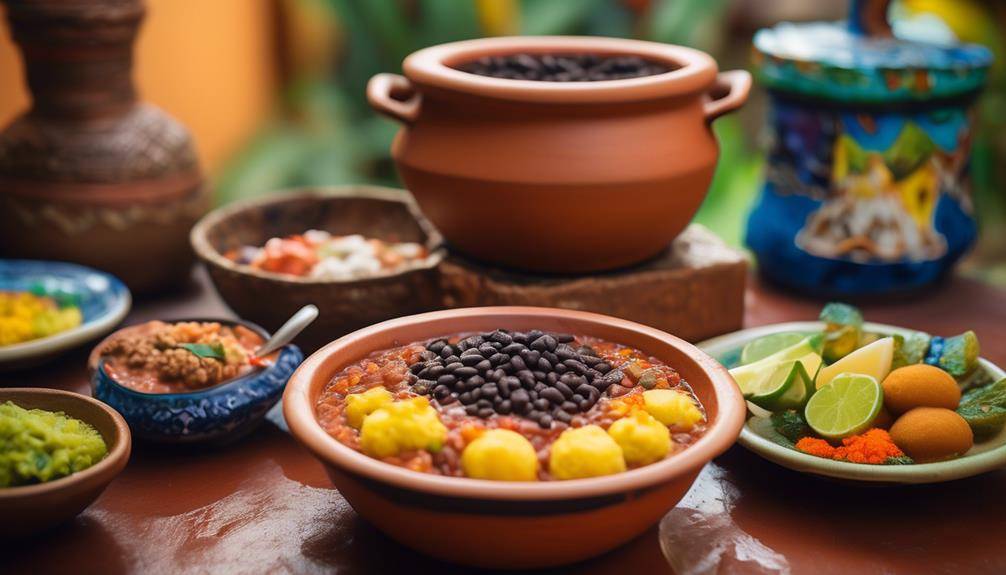
Another popular meat dish in Brazil is feijoada, considered by many as the national dish. It is a hearty and flavorful stew made with black beans and a variety of pork cuts, such as bacon, sausage, and pork ribs. Feijoada is typically served with rice, collard greens, farofa (toasted cassava flour), and orange slices, which provide a refreshing contrast to the rich and savory flavors of the stew.
In addition to churrasco and feijoada, Brazil also boasts other popular meat dishes like carne de sol, which is salted and sun-dried beef, and picadinho, a dish made with small pieces of beef sautéed with onions, garlic, and spices. These dishes are often enjoyed with a side of rice, beans, and farofa.
Traditional Brazilian meat dishes not only satisfy the taste buds but also reflect the country’s diverse culinary traditions and cultural heritage. Whether it’s the smoky flavors of the churrasco or the comforting richness of feijoada, these dishes are a testament to Brazil’s love for meat and the art of cooking. So, next time you visit Brazil, make sure to indulge in these traditional meat dishes for an authentic gastronomic experience.
The Flavors of Brazilian Seafood
If you’re a seafood lover, get ready to be delighted by the diverse and flavorful offerings of Brazilian cuisine. Brazil’s long coastline is home to a wide variety of coastal delicacies, making seafood a prominent part of the country’s culinary traditions. From the bustling seafood markets to the vibrant beachside restaurants, there are countless opportunities to savor the rich flavors of Brazilian seafood.
One of the best ways to experience the flavors of Brazilian seafood is by visiting the seafood markets that can be found in many coastal cities. These markets are a feast for the senses, with rows of colorful stalls displaying an array of freshly caught fish, shrimp, lobster, and other seafood delights. You can observe the local fishermen unloading their daily catch and witness the vibrant energy of the market as customers haggle over prices and select their desired seafood.
When it comes to Brazilian seafood dishes, there are several classics that you must try. Moqueca, a traditional seafood stew, is a popular choice. It is made with a flavorful base of coconut milk, tomatoes, onions, garlic, and peppers, and is typically cooked with fish, shrimp, and sometimes crab. The dish is then served with rice and farofa, a toasted manioc flour mixture that adds a delicious crunch.
Another must-try dish is acarajé, a savory street food that originated in Bahia, a state known for its Afro-Brazilian culture. Acarajé is a deep-fried ball made from black-eyed pea dough and filled with a mixture of shrimp, onions, tomatoes, and spices. It is often served with a spicy pepper sauce and is a true delight for seafood lovers.
Vegetarian and Vegan Options in Brazilian Cuisine
Are you a vegetarian or vegan looking to explore Brazilian cuisine? Look no further, as Brazilian culinary traditions offer a variety of plant-based dishes that are sure to satisfy your taste buds. From traditional vegan recipes like feijoada, a black bean stew, to veggie-friendly Brazilian restaurants that cater to your dietary preferences, there are plenty of options to choose from. Whether you’re seeking a taste of Brazil at home or dining out, you can enjoy the flavors of this vibrant cuisine without compromising your dietary choices.
Plant-Based Brazilian Dishes
When exploring the vibrant world of Brazilian cuisine, one cannot overlook the array of delicious plant-based dishes that offer a delightful fusion of flavors and textures. In Brazil, there are several plant-based options that cater to vegans and vegetarians alike. Some notable dishes include:
- Vegan Feijoada: This traditional Brazilian black bean stew is typically made with pork, but vegan variations substitute meat with plant-based alternatives like tofu or seitan. The dish is seasoned with a medley of spices, creating a rich and savory flavor.
- Plant-based Brigadeiros: Brigadeiros are a beloved Brazilian sweet treat, usually made with condensed milk. However, vegan brigadeiros are made using coconut milk or other plant-based milk substitutes. These chocolatey truffles are rolled in sprinkles or nuts, offering a decadent dessert option for those following a plant-based diet.
- Acarajé: This popular street food from northeastern Brazil consists of deep-fried balls made from black-eyed pea dough. Traditionally, it is filled with shrimp, but vegetarian versions replace the shrimp with a variety of flavorful fillings like vatapá (a creamy paste made with bread, nuts, and spices) or caruru (a spicy okra and shrimp paste).
These plant-based Brazilian dishes showcase the creativity and versatility of the country’s culinary traditions, offering a tantalizing experience for all palates.
Traditional Vegan Recipes
To further explore the diverse range of plant-based options in Brazilian cuisine, let’s now delve into the realm of traditional vegan recipes that showcase the country’s culinary traditions. When it comes to traditional vegan desserts, Brazil does not disappoint. One popular treat is the brigadeiro, a sweet and creamy chocolate truffle made from condensed soy milk and cocoa powder.
Another beloved dessert is the beijinho, which is similar to the brigadeiro but infused with coconut. These desserts are often found at vegan-friendly Brazilian food festivals, where you can also sample other delightful plant-based dishes. These festivals celebrate the vibrant flavors of Brazilian cuisine without compromising on taste or tradition. From savory dishes like feijoada made with black beans and vegetables, to sweet treats like the quindim, a coconut custard dessert, traditional vegan recipes in Brazil offer a delightful culinary experience.
Veggie-Friendly Brazilian Restaurants
Veggie-friendly Brazilian restaurants offer a wide range of vegetarian and vegan options that showcase the flavors and diversity of Brazilian cuisine. Whether you are a vegetarian or a vegan, you can still indulge in the vibrant and delicious dishes that Brazil has to offer. Here are some highlights of the vegetarian and vegan options in Brazilian street food:
- Coxinha de Jaca: This popular street food snack is traditionally made with chicken, but veggie-friendly versions use jackfruit as a substitute. The jackfruit is seasoned and cooked until it resembles the texture and flavor of shredded chicken.
- Acarajé: This iconic street food from Bahia is a deep-fried black-eyed pea fritter filled with a variety of vegetarian fillings such as vatapá (a creamy mixture of bread, coconut milk, and spices) and caruru (a spicy okra stew).
- Pão de Queijo: While the traditional version of these cheese bread balls is not vegetarian-friendly, many restaurants offer a vegan alternative made with tapioca flour, vegetable oil, and plant-based cheese.
These are just a few examples of the delicious vegetarian and vegan options you can find in veggie-friendly Brazilian restaurants. With Brazil’s rich culinary traditions, there is no shortage of plant-based dishes to satisfy your cravings.
Exploring Brazilian Regional Specialties
Brazilian regional specialties offer a rich tapestry of flavors, highlighting the diverse culinary traditions found across the country. From the bustling streets of São Paulo to the picturesque landscapes of the Amazon rainforest, each region boasts its own unique dishes and ingredients that reflect the local culture and history.
Brazilian culinary festivals play a significant role in showcasing these regional specialties. One example is the Festival de Gastronomia de Tiradentes, held annually in the historic city of Tiradentes. This festival brings together renowned chefs from all over Brazil to celebrate the flavors and techniques of Minas Gerais cuisine. Visitors can indulge in traditional dishes like feijão tropeiro, a hearty bean and sausage stew, and pão de queijo, a cheesy bread that is a beloved staple in the region.
Another aspect of Brazilian regional specialties is the fusion cuisine that has emerged in recent years. With influences from Portuguese, African, and Indigenous cultures, Brazilian cuisine has evolved into a vibrant blend of flavors and ingredients. In Bahia, for example, the cuisine is heavily influenced by African traditions, resulting in dishes like acarajé, a deep-fried ball of black-eyed pea dough filled with shrimp and served with a spicy sauce.
In the southern region of Brazil, churrasco is a regional specialty that has gained international recognition. This style of barbecue involves grilling various cuts of meat over an open flame, resulting in tender and flavorful dishes that are often served with chimichurri sauce and farofa, a toasted cassava flour mixture.
Exploring Brazilian regional specialties is an exciting journey that allows you to experience the diversity and richness of the country’s culinary traditions. Whether you’re savoring feijoada in Rio de Janeiro or indulging in açaí bowls in the Amazon, each bite tells a story of the people and places that have shaped Brazil’s food culture.
Delectable Brazilian Desserts
Indulge in a delightful array of sweet treats as we delve into the world of delectable Brazilian desserts. The rich culinary traditions of Brazil extend beyond savory dishes and embrace a wide variety of mouthwatering desserts. Here are some popular Brazilian sweets that are sure to satisfy your sweet tooth:
- Brigadeiro: This iconic Brazilian dessert is a must-try for any dessert lover. Made from condensed milk, cocoa powder, butter, and chocolate sprinkles, brigadeiro is a fudgy and indulgent treat. It is rolled into small balls and coated in chocolate sprinkles, creating a delightful combination of flavors and textures.
- Pudim de Leite: Known as Brazilian flan, this creamy and caramel-infused dessert is a true crowd-pleaser. Made with sweetened condensed milk, eggs, and vanilla extract, pudim de leite is baked in a water bath until it sets. Once cooled, it is inverted and served with a luscious caramel sauce on top.
- Quindim: Originating from the northeastern region of Brazil, quindim is a traditional dessert made with egg yolks, sugar, coconut, and butter. It is baked in small molds, resulting in a golden yellow color and a rich, custard-like texture. The combination of sweet and nutty flavors makes quindim a delightful treat.
These Brazilian dessert recipes showcase the diverse flavors and culinary heritage of Brazil. Whether you have a preference for chocolatey delights, creamy flans, or coconut-infused treats, Brazilian desserts offer something for everyone. So, why not indulge in these delectable delights and experience the sweetness of Brazilian cuisine?
The Influence of African Cuisine in Brazil
As we continue our exploration of Brazilian culinary traditions, it is fascinating to examine the profound influence of African cuisine on the flavors and ingredients found in Brazil. African culinary influence can be seen in various aspects of Brazilian street food, as well as in the creation of African-inspired vegetarian dishes in Brazilian cuisine.
One of the most notable ways in which African cuisine has influenced Brazilian street food is through the use of spices and seasonings. African slaves brought with them a rich culinary heritage, which included a wide variety of spices such as coriander, cumin, and chili peppers. These spices found their way into Brazilian street food, adding a depth of flavor and complexity that is characteristic of African cuisine.
In addition to spices, African culinary influence can also be seen in the ingredients used in Brazilian street food. For example, acarajé, a popular street food in the northeastern region of Brazil, is made from a dough of black-eyed peas and deep-fried in palm oil. This dish has its roots in West African cuisine, where similar fritters are commonly made.
Moreover, African-inspired vegetarian dishes have become increasingly popular in Brazilian cuisine. One such dish is called moqueca, a flavorful stew made with coconut milk, palm oil, and various vegetables. This dish is reminiscent of West African stews, which often feature a combination of vegetables, spices, and tropical ingredients.
Indigenous Ingredients in Brazilian Cooking
When it comes to Brazilian cooking, indigenous ingredients play a crucial role in shaping the flavors and dishes of the cuisine. These native food ingredients not only add unique flavors and textures but also contribute to the traditional aspect of Brazilian cooking. From fruits like acai and cupuaçu to staples like manioc and corn, the indigenous influence in Brazilian cuisine is evident and celebrated.
Native Food Ingredients
Native food ingredients play a crucial role in the rich tapestry of Brazilian culinary traditions, adding depth, flavor, and cultural significance to the diverse dishes that have become beloved staples of the country’s cuisine. These ingredients are not only a reflection of Brazil’s natural resources but also a testament to the indigenous cooking methods and native food preservation techniques that have been passed down through generations.
- Indigenous Cooking Methods:
- Roasting over open flames: This traditional cooking technique imparts a smoky flavor to meats and vegetables, enhancing their taste profiles.
- Fermentation: Indigenous communities have long used fermentation to preserve foods such as cassava, creating unique flavors and textures.
- Pit cooking: This method involves burying food in a pit with hot coals, resulting in tender and flavorful dishes.
Traditional Indigenous Flavors
Building upon the indigenous cooking methods and native food preservation techniques discussed earlier, the traditional flavors of Brazilian cuisine are deeply rooted in the use of indigenous ingredients. These ingredients play a crucial role in shaping the unique taste profiles that have become synonymous with Brazilian cooking. Traditional indigenous cooking techniques, such as grilling over open flames and using earth ovens, further enhance the flavors of these ingredients.
For example, the use of manioc, a starchy root vegetable, is a staple in indigenous cuisines and is used to make farofa, a toasted manioc flour mixture that adds texture and flavor to many dishes. Another key ingredient is the açaí berry, which is not only rich in antioxidants but also holds cultural significance as a symbol of strength and vitality in indigenous communities. By incorporating these indigenous ingredients and cooking techniques, Brazilian cuisine celebrates and preserves the cultural heritage of the indigenous peoples, making it an integral part of the country’s identity.
Brazilian Beverages: From Caipirinha to Guarana
Brazilian beverages, ranging from the iconic Caipirinha to the refreshing Guarana, offer a delightful and diverse taste of the country’s culinary culture. In Brazil, beverages play a significant role in social gatherings, reflecting the vibrant Brazilian cocktail culture and the country’s love for refreshing drinks. From traditional cocktails to popular Brazilian soft drinks, here are some beverages that you must try when exploring Brazilian culinary traditions:
- Caipirinha: This classic Brazilian cocktail is made with cachaça, a distilled spirit made from sugarcane juice, muddled limes, sugar, and ice. The combination of the tangy lime and the unique flavor of cachaça creates a refreshing and invigorating drink that is loved by locals and tourists alike. Caipirinha is not just a drink; it’s an experience that embodies the spirit of Brazil.
- Guarana: Guarana is a popular Brazilian soft drink made from the seeds of the guarana plant, which is native to the Amazon rainforest. It has a unique flavor that is both sweet and slightly bitter, with a hint of caffeine. Guarana is not only enjoyed as a refreshing beverage, but it is also believed to have energizing and revitalizing properties.
- Açaí Juice: Açaí juice is made from the pulp of the açaí berry, a small purple fruit that grows in the Amazon rainforest. It has gained popularity worldwide due to its antioxidant properties and its rich, fruity flavor. Açaí juice is often served as a refreshing and nutritious drink, especially during the hot summer months.
These beverages are just a small sample of the diverse range of drinks that Brazil has to offer. Whether you are sipping on a Caipirinha at a lively beach bar or enjoying a cold Guarana on a hot day, Brazilian beverages are sure to enhance your culinary journey and leave you craving for more.
Frequently Asked Questions: The Amazing Brazilian Culinary Traditions
Are There Any Popular Brazilian Street Food Dishes That Are Not Mentioned in the Article?
You won’t find any mention of traditional Brazilian street food dishes not mentioned in the article. However, it’s important to note the influence of Portuguese cuisine on Brazilian culinary traditions.
What Are Some Common Vegetarian and Vegan Alternatives for Traditional Brazilian Meat Dishes?
If you’re looking for vegetarian or vegan options for traditional Brazilian meat dishes, there are some popular alternatives. For example, feijoada can be made with plant-based sausages and stews can be made with vegetables and legumes. Brazilian cuisine incorporates regional flavors and ingredients to create diverse and flavorful dishes.
How Have African Culinary Influences Shaped Brazilian Cuisine Beyond the Mentioned Dishes?
Exploring the cultural significance of African culinary influences in Brazilian cuisine and the impact on regional variations, you’ll discover a fascinating fusion of flavors, spices, and cooking techniques that have shaped the country’s diverse food culture.
Are There Any Unique Indigenous Ingredients Used in Brazilian Cooking That Are Not Discussed in the Article?
You might be curious about the unique indigenous ingredients used in Brazilian cooking. Exploring lesser known ingredients uncovers the hidden gems of Brazilian street food, adding depth and flavor to their culinary traditions.
What Are Some Popular Brazilian Beverages Other Than Caipirinha and Guarana?
There are several popular Brazilian beverages besides caipirinha and guarana, such as açaí juice, chimarrão, and mate tea. These drinks are enjoyed by many and are an important part of Brazilian culinary traditions.

Conclusion
In conclusion, exploring Brazilian culinary traditions reveals a rich tapestry of flavors and influences. From the vibrant street food to the succulent meat dishes and fresh seafood, Brazilian cuisine offers something for everyone. The inclusion of vegetarian and vegan options showcases the adaptability of this culinary heritage. Regional specialties highlight the diversity within the country, while African and indigenous influences add depth to the flavors. Indulging in Brazilian desserts and sipping on traditional beverages like Caipirinha and Guarana completes the gastronomical journey through this fascinating cuisine.