The Amazing History Of Slow Cooker Cheesecake
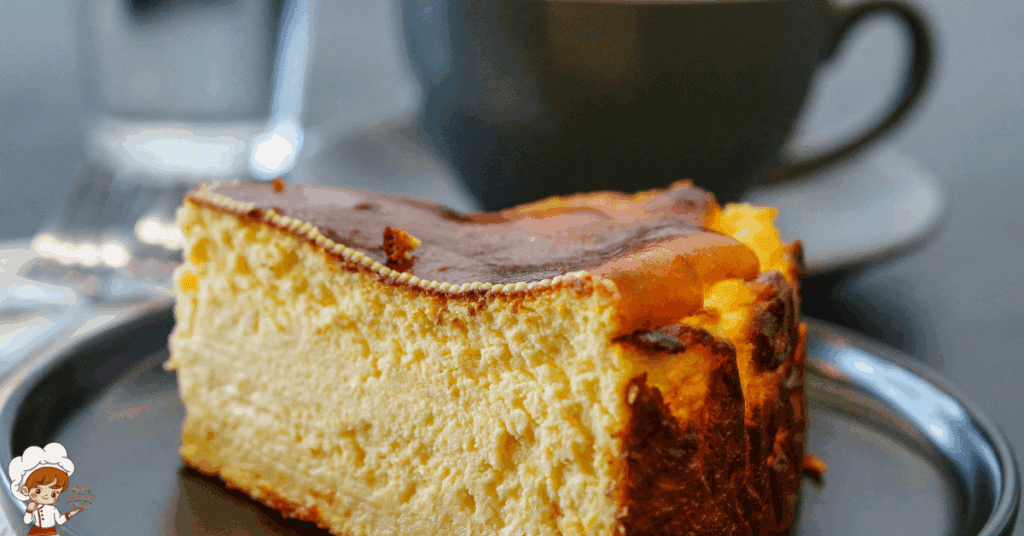
The Amazing History Of Slow Cooker Cheesecake; Few desserts capture the imagination and indulgent comfort of cheesecake. Its creamy texture, rich flavor, and elegant simplicity have made it a timeless treat enjoyed across centuries and cultures. While traditional baked cheesecakes are celebrated for their decadence, the modern adaptation — Slow Cooker Cheesecake — represents a perfect marriage between culinary innovation and convenience. This version preserves the traditional charm of cheesecake while leveraging the gentle, consistent heat of the slow cooker to create a silky-smooth texture that rivals even the finest baked versions.
In this article, we’ll explore the history and origin of cheesecake, how the slow cooker revolution transformed classic desserts, and how Slow Cooker Cheesecake has become a favorite in today’s kitchens. We’ll also uncover fascinating insights about the global evolution of this dessert, its cultural influences, and why this method continues to grow in popularity among home cooks and dessert enthusiasts alike.
The Ancient Roots of Cheesecake
The story of cheesecake stretches back over 4,000 years to ancient Greece, where early forms of the dessert were made from simple ingredients like fresh cheese, wheat, and honey. Historical texts indicate that cheesecake was served to athletes during the first Olympic Games in 776 BC as a source of energy and nourishment. Greek author Athenaeus even mentioned a form of cheesecake in his writings around 230 AD, describing it as a treat made from pounded cheese mixed with honey and baked on an earthen griddle.
When the Romans conquered Greece, they adopted and adapted the recipe. They added crushed cheese, eggs, and crushed pastry, calling it “placenta,” which was layered and baked. This Roman influence helped spread the concept of cheesecake throughout Europe as the empire expanded.
Cheesecake’s Journey Through Europe
As cheesecake traveled across Europe, regional variations began to emerge. In medieval England, cheesecakes were made using curd cheese and flavored with spices and dried fruits. The addition of sugar during the Renaissance period refined the dessert further, making it more similar to the sweet cheesecakes we enjoy today.
In Italy, the introduction of ricotta cheese gave birth to lighter versions of cheesecake, while in Germany and Eastern Europe, bakers used quark — a tangy, creamy cheese — to craft versions with a distinct flavor profile. Each country molded cheesecake into a reflection of its local ingredients and cultural preferences, paving the way for the dessert’s eventual reinvention in America.
The American Reinvention: Birth of Cream Cheese Cheesecake
Cheesecake as we know it today owes much of its identity to the United States. In 1872, a New York dairy farmer named William Lawrence accidentally created cream cheese while trying to replicate a French soft cheese called Neufchâtel. His creamy discovery revolutionized cheesecake recipes, making them smoother, richer, and easier to prepare.
By the early 20th century, cheesecake had become an iconic American dessert, particularly with the rise of the New York-style cheesecake, popularized by Jewish and Italian immigrants. Using cream cheese, sugar, eggs, and a graham cracker crust, this version quickly became synonymous with indulgence and sophistication.
The Rise of the Slow Cooker: A Modern Kitchen Revolution
The slow cooker, first introduced in the 1970s as the Crock-Pot, changed home cooking forever. Initially marketed as a convenient tool for working families, it became synonymous with comfort food — soups, stews, roasts, and even desserts.
Its appeal lay in its ability to cook food evenly at a low temperature over several hours, producing tender, flavorful results with minimal effort. As home cooks began experimenting, they discovered that this gentle method was ideal for delicate desserts like puddings, custards, and yes, even cheesecake.
By the late 20th and early 21st centuries, slow cookers had become a staple in kitchens worldwide. The adaptability of this appliance opened up creative possibilities for traditional recipes, including the transformation of the beloved cheesecake into a simpler, foolproof version.
How the Slow Cooker Transformed Cheesecake
Traditional baked cheesecakes require careful temperature control and often demand a water bath (bain-marie) to prevent cracking and ensure a smooth texture. The slow cooker naturally replicates this humid, gentle cooking environment without the need for complex setups.
The slow, consistent heat prevents overbaking, which is a common problem with oven-baked cheesecakes. This not only results in a creamy, custard-like consistency but also makes the process more forgiving for home cooks.
In addition, slow cookers use less energy than ovens and free up space during holidays or gatherings when the oven is in high demand. This convenience helped popularize Slow Cooker Cheesecake as a go-to dessert for busy households, especially during festive seasons like Thanksgiving and Christmas.
The Modern Popularity of Slow Cooker Cheesecake
In today’s culinary landscape, Slow Cooker Cheesecake has become a symbol of modern comfort — a blend of nostalgia and innovation. Social media platforms, food forums, and home cooking enthusiasts have embraced it for its simplicity and impressive results.
Many modern variations have emerged, from classic New York-style slow cooker cheesecake to flavored options like chocolate swirl, pumpkin, or caramel. Some cooks experiment with different crusts, including gluten-free or keto-friendly alternatives, while others enhance the dessert with fruit toppings or drizzles.
The appeal lies not just in taste, but in the process — a low-stress, nearly foolproof method that yields professional-quality results with minimal effort.
The Cultural Influence of Cheesecake Around the World
Cheesecake’s adaptability has made it a truly global dessert. From Japan’s light and airy “cotton” cheesecake to Italy’s creamy ricotta version, and Poland’s dense sernik, every culture brings its unique flair to this timeless treat. The slow cooker adaptation represents the latest evolution in this journey — one that aligns perfectly with the pace and preferences of modern home cooking.
In many ways, Slow Cooker Cheesecake honors the dessert’s history while embracing the needs of contemporary lifestyles. It captures the same joy and indulgence of traditional cheesecakes but democratizes the process, allowing anyone to achieve bakery-level results at home.
Why Slow Cooker Cheesecake Continues to Captivate Home Cooks
Part of what makes Slow Cooker Cheesecake so appealing is its accessibility. The ingredients remain simple — cream cheese, sugar, eggs, and flavoring — yet the method eliminates much of the guesswork that intimidates new bakers.
Additionally, the dessert aligns beautifully with modern culinary values:
- Convenience: Set it and forget it cooking.
- Energy efficiency: Uses less electricity than baking.
- Consistency: Reliable texture and moisture control.
- Creativity: Endless opportunities for flavor customization.
Its continued popularity underscores a broader shift in how people view dessert-making — less about perfection, more about enjoyment and connection.
Slow Cooker Cheesecake in the Digital Age
In the age of food photography and online sharing, Slow Cooker Cheesecake has also found a place in the visual storytelling of home cooks. The creamy texture and versatile toppings make it ideal for digital presentation, helping it trend across Pinterest, Instagram, and TikTok.
The slow cooker method appeals to both novice and expert bakers, aligning with the growing trend of home-based culinary experimentation. As more cooks document their creations online, this once-unconventional dessert has earned a permanent place in the evolving story of cheesecake.
The Future of Cheesecake: Tradition Meets Technology
Looking ahead, the success of Slow Cooker Cheesecake is part of a larger culinary movement toward accessible, adaptable cooking. With the advent of smart appliances and digital temperature controls, future iterations may continue to evolve — perhaps even incorporating AI-guided timing or ingredient customization.
Yet, despite technological advances, the essence of cheesecake remains unchanged. Whether baked in an ancient Greek hearth, a modern oven, or a slow cooker, the goal has always been the same — to create a dessert that celebrates indulgence, simplicity, and shared joy.
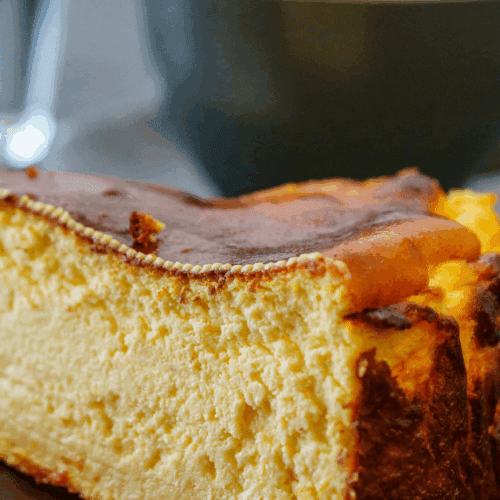
Slow Cooker Cheesecake
Ingredients
- Crust
- 1 ½ cups graham cracker crumbs
- ¼ cup granulated sugar
- ½ cup melted butter
- Filling
- 16 oz 2 blocks cream cheese, softened
- ¾ cup granulated sugar
- 2 large eggs
- ½ cup sour cream
- 1 teaspoon vanilla extract
- 1 tablespoon lemon juice optional, for brightness
Instructions
- Prepare the crust
- Mix graham crumbs, sugar, and melted butter. Press firmly into a greased 7-inch springform pan.
- Make the filling
- Beat cream cheese until smooth.
- Add sugar and mix well.
- Add eggs one at a time.
- Mix in sour cream, vanilla, and lemon juice until creamy (don’t overmix).
- Set up slow cooker
- Pour filling over crust.
- Cover the top of the pan tightly with foil.
- Place the pan in the slow cooker.
- Add 1–2 cups of hot water around the pan (water should come about 1 inch up the sides).
- Cook
- Cook on LOW for 2 to 2½ hours.
- Center should be slightly jiggly but set around the edges.
- Cool properly (very important!)
- Turn off slow cooker.
- Let cheesecake sit inside (lid slightly open) for 1 hour.
- Remove and refrigerate at least 4 hours or overnight.
FAQ: The Amazing History Of Slow Cooker Cheesecake
1. Who invented cheesecake originally?
Cheesecake originated in ancient Greece, where it was served as a source of energy to Olympic athletes. The modern version evolved through Roman, European, and American adaptations.
2. What makes slow cooker cheesecake different from oven-baked cheesecake?
Slow cooker cheesecake is cooked at a lower, consistent temperature with natural steam, creating an ultra-smooth, creamy texture without the need for a water bath.
3. Can any slow cooker be used to make cheesecake?
Yes, most standard slow cookers can be used. The key is to ensure even heat distribution and proper moisture by using a lid or foil cover.
4. When did slow cooker cheesecake become popular?
Slow cooker cheesecake gained popularity in the early 2000s as part of a broader trend toward easy, foolproof dessert recipes that fit into busy modern lifestyles.
5. Is slow cooker cheesecake healthier than baked versions?
While the basic ingredients are similar, slow cooking may help retain more moisture and prevent overbaking, reducing the need for extra toppings or cream.
6. Can slow cooker cheesecake be customized?
Absolutely! Variations include chocolate, fruit, pumpkin, caramel, and even keto or sugar-free versions. The method allows for plenty of creativity.
7. Why does cheesecake crack when baked in the oven but not in the slow cooker?
The gentle, moist heat of the slow cooker prevents rapid temperature changes, which are the primary cause of cracks in traditional baked cheesecakes.
8. Is slow cooker cheesecake freezer-friendly?
Yes! Once cooled completely, it can be wrapped and frozen for up to three months without losing its creamy texture.

The Sweet Legacy of Slow Cooker Cheesecake
From ancient Greek feasts to modern kitchen counters, cheesecake has endured as a dessert beloved for its versatility and richness. The Slow Cooker Cheesecake represents the perfect continuation of this journey — honoring tradition while embracing convenience and creativity.
It stands as a testament to how innovation can elevate even the most classic recipes, bringing the joy of baking to every home cook. In today’s fast-paced world, this dessert reminds us that delicious things are worth waiting for — even if they take a little time to cook slowly.
So, whether you’re preparing a family gathering dessert or simply treating yourself, the slow cooker cheesecake offers a taste of history, comfort, and culinary artistry — all in one creamy, decadent bite.
If you enjoyed exploring this topic and want to dive even deeper, be sure to check out some of our other articles here on Infinite Flavors. From rich culinary histories to creative twists on classic recipes, there’s always something new to discover. Whether you’re curious about the origins of a dish, looking for fresh inspiration in the kitchen, or simply love learning about food culture, our collection of posts is the perfect next step on your flavor journey.
The Great History Of Slow Cooker Berry Cobbler
The Great Origin Of Slow Cooker Rice Pudding
The History Of The Great Slow Cooker Apple Crisp