The Best Ways Of Spicing Up Indian Cuisine A How-To Guide
The Best Ways Of Spicing Up Indian Cuisine; Have you ever tasted the vibrant flavors of Indian cuisine and wondered how you could recreate those bold and aromatic dishes in your own kitchen? Look no further. In this guide, we will unlock the secrets of Indian spices, teach you how to create tantalizing flavor combinations, and introduce you to the diverse regional cuisines of India. Whether you’re a seasoned home cook or just starting out, get ready to elevate your culinary skills and embark on a flavorful journey through the world of Indian cuisine. Get ready to discover the art of spicing up Indian dishes with confidence and flair.
Understanding Indian Spices
To truly appreciate the flavors of Indian cuisine, it is essential to have a deep understanding of the diverse and aromatic world of Indian spices. Indian spices are not only used to enhance the taste of dishes, but they also offer numerous health benefits. Cooking techniques for beginners can be easily mastered once you understand the role of spices in Indian cuisine.
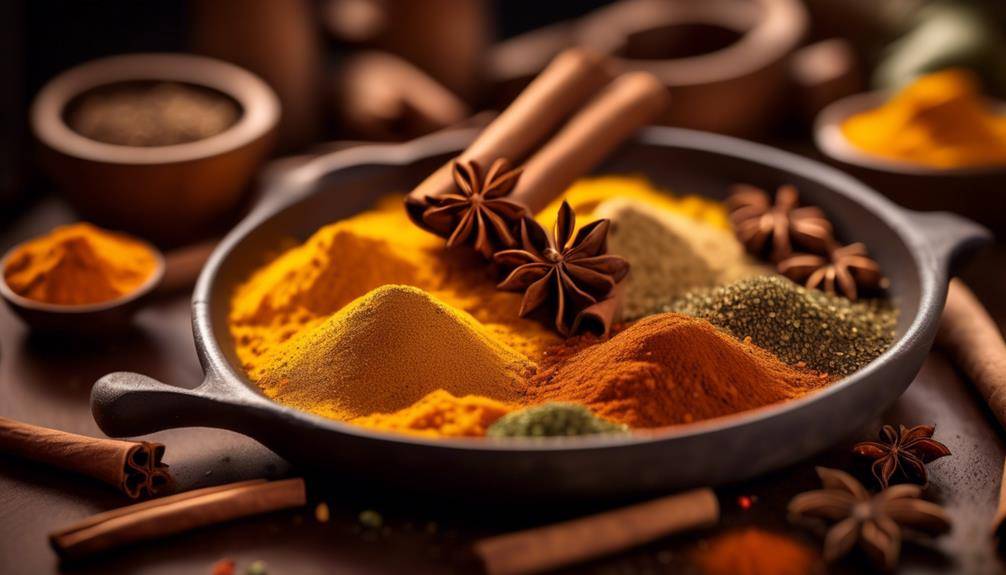
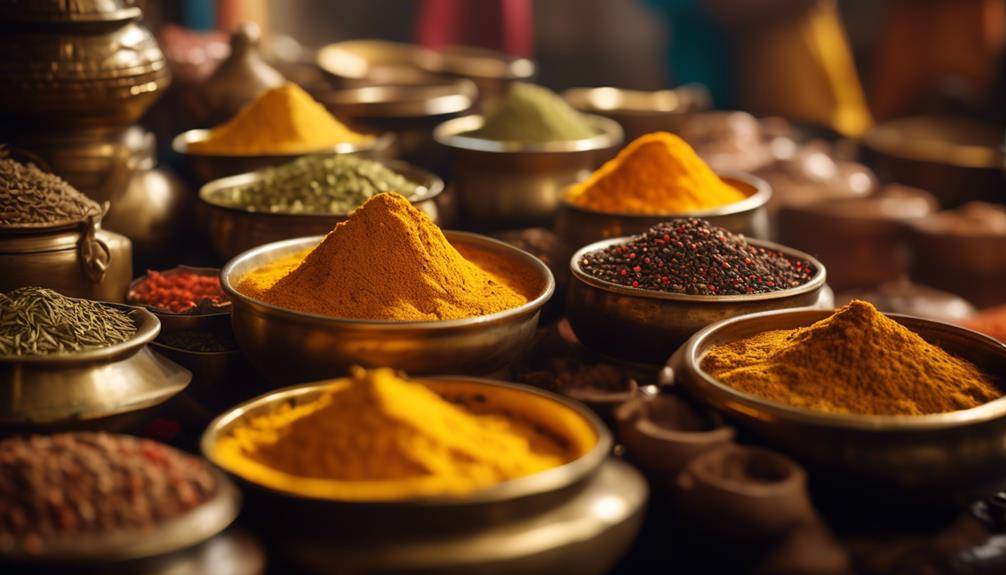
Indian spices are known for their rich colors, flavors, and aromas. They are used in both sweet and savory dishes, adding depth and complexity to the flavors. From the fiery heat of chili powder to the earthiness of cumin and the warmth of cinnamon, each spice brings its unique character to the dish.
Cooking with Indian spices requires a balance of flavors. This can be achieved by understanding the different cooking techniques. Dry roasting spices in a pan before grinding them releases their essential oils and intensifies their flavors. This technique is commonly used for making spice blends like garam masala. Another common technique is tempering, where whole spices are heated in oil or ghee to release their flavors and infuse the dish with their essence.
Apart from adding flavor, Indian spices also offer various health benefits. Turmeric, for example, is known for its anti-inflammatory properties, while ginger aids in digestion. Cumin and coriander seeds are believed to improve digestion and promote gut health. These spices not only make your dishes taste great but also contribute to your overall well-being.
Blending Spices for Maximum Flavor
Blending spices is a crucial step in maximizing the flavor of Indian cuisine. By combining different spices in the right proportions, you can create complex and well-balanced flavors that elevate your dishes to new heights. To help you master the art of spice blending, here are some spice pairing tips and techniques for creating homemade spice blends.
When blending spices, it is important to consider the individual characteristics of each spice. Some spices, like cumin and coriander, have earthy and warm flavors that complement each other well. Others, such as cardamom and cinnamon, add a sweet and aromatic touch to your dishes. Experimenting with different combinations will allow you to discover unique flavor profiles.
One approach to spice blending is to start with a base of common spices and then add a few specialty spices to create your own signature blend. For example, a common base blend in Indian cuisine includes cumin, coriander, turmeric, and chili powder. To enhance the flavor, you can add spices like fenugreek, mustard seeds, or fennel seeds. The key is to strike a balance between the different spices, ensuring that no single spice overwhelms the others.
Another helpful tip is to toast the whole spices before grinding them. This process helps to release the essential oils and intensify the flavors. Simply heat a dry pan over medium heat and add the whole spices. Toast them for a few minutes until they become fragrant, being careful not to burn them. Once toasted, let the spices cool before grinding them into a fine powder using a spice grinder or mortar and pestle.
Exploring Regional Indian Flavors
As you continue your journey into the world of Indian cuisine, it’s time to explore the rich and diverse flavors found in different regions across the country. Each region in India has its own distinct culinary traditions and techniques, resulting in a wide variety of regional Indian dishes that are a treat for the taste buds. Here are three key aspects to consider when delving into the world of regional Indian flavors:
- Spice Blends: One of the defining features of regional Indian dishes is the unique spice blends used in each region. From the fiery red chili-based masalas of the southern states to the fragrant and complex garam masalas of the north, these spice blends add depth and complexity to the dishes. Traditional Indian cooking methods involve toasting whole spices and grinding them into blends, ensuring maximum flavor and aroma in every bite.
- Local Ingredients: Another important aspect of regional Indian flavors is the use of locally sourced ingredients. Different regions in India have access to a variety of fresh produce and unique ingredients, which play a crucial role in defining the flavors of their dishes. For example, coastal regions are known for their use of seafood, while the fertile plains of Punjab are famous for their use of dairy products like ghee and paneer.
- Cooking Techniques: Traditional Indian cooking methods also vary from region to region, contributing to the diverse flavors found in regional Indian dishes. For instance, the slow-cooking techniques used in the Awadhi cuisine of Lucknow result in melt-in-your-mouth kebabs and aromatic biryanis, while the tandoor clay oven is a signature cooking tool in the cuisine of Punjab, imparting a smoky flavor to dishes like tandoori chicken and naan bread.
Incorporating Spices in Everyday Cooking
When incorporating spices into your everyday cooking, you can elevate the flavors of your dishes and create a culinary experience that is both vibrant and delicious. By experimenting with different combinations of spices, you can unlock a world of unique flavor profiles that will tantalize your taste buds.
One way to get creative with spice combinations is to blend traditional Indian spices with those from other cuisines. For example, you can add a pinch of garam masala, a popular Indian spice blend, to your spaghetti sauce for an unexpected twist. The warmth and complexity of the garam masala will add depth to the dish and make it truly memorable.
Another idea is to incorporate Indian spices into international dishes. For instance, you can use turmeric, a vibrant yellow spice, to season roasted vegetables. Not only will it give your veggies a beautiful golden color, but it will also infuse them with a subtle earthy flavor. Similarly, adding cumin and coriander to a Mexican-inspired salsa can give it a fragrant kick that sets it apart from the usual fare.
When experimenting with spices, it’s important to start with small amounts and adjust to your taste. A little goes a long way, and you want to make sure the flavors are balanced and harmonious. Additionally, consider the cooking method and timing. Some spices, like cinnamon, are best added at the beginning of cooking to allow their flavors to meld with the other ingredients, while others, like cardamom, are more delicate and should be added towards the end to preserve their aromatic qualities.
Incorporating spices into your everyday cooking is a simple yet powerful way to transform your meals. Whether you’re blending spices for unique flavor profiles or introducing Indian spices to international dishes, the possibilities are endless. So, don’t be afraid to get creative and experiment with different combinations. Your taste buds will thank you!
Mastering Cooking Techniques for Indian Cuisine
To master the art of cooking Indian cuisine, there are three essential techniques you need to learn. First, understanding the right spices to use is crucial for adding authentic flavor to your dishes. Second, cooking with ghee, a type of clarified butter, will enhance the richness and depth of your Indian recipes. Finally, perfecting the art of tempering, which involves heating and infusing spices in hot oil, is essential for unlocking the full potential of Indian flavors. By mastering these cooking techniques, you will be able to create delicious and authentic Indian dishes in your own kitchen.
Essential Spices for Flavor
Enhance the flavors of your Indian dishes with a carefully curated selection of essential spices. Indian cuisine is known for its rich and vibrant flavors, and spices play a crucial role in achieving that. Here are three essential spices that will add depth and complexity to your dishes:
- Turmeric: This bright yellow spice not only adds a warm and earthy flavor to your food, but it also has numerous health benefits. Turmeric is known for its anti-inflammatory properties and is often used in traditional Indian medicine for its medicinal purposes.
- Cumin: With its distinctive smoky and nutty flavor, cumin is a staple in Indian cooking. Not only does it enhance the taste of your dishes, but it also aids digestion and can help relieve bloating and gas.
- Cardamom: Known as the “Queen of Spices,” cardamom has a sweet and floral aroma that adds a unique flavor to both savory and sweet dishes. It is also believed to have various health benefits, including improving digestion and promoting heart health.
Cooking With Ghee
One way to elevate your Indian cooking skills is by mastering the art of cooking with ghee, a traditional ingredient that adds richness and depth to your dishes. Ghee, also known as clarified butter, is made by simmering butter until the milk solids separate from the liquid, resulting in a golden, nutty-flavored fat. Cooking with ghee has several health benefits. Unlike regular butter, ghee is lactose-free and contains no casein or whey, making it suitable for those with lactose intolerance or dairy allergies. Ghee is also rich in vitamins A, D, E, and K, which are essential for a healthy immune system and strong bones.
Additionally, ghee has a higher smoke point than butter, which means it can be heated to a higher temperature without burning, making it ideal for frying, sautéing, and deep-frying. Mastering the use of ghee in your Indian cooking will not only enhance the flavor of your dishes but also provide you with a healthier alternative to regular butter.
Perfecting the Art of Tempering
Mastering the art of tempering is essential for elevating your Indian cooking skills to a whole new level. Tempering techniques play a crucial role in enhancing the aroma and flavors of Indian dishes. Here are three key tips to perfect your tempering game:
- Choose the right oil: Use oils with high smoke points, such as mustard oil or ghee, to ensure that the tempering process is done at the right temperature without burning the spices.
- Balance your spices: Understanding the right combination of spices is vital for a well-rounded tempering. Common spices used in tempering include mustard seeds, cumin seeds, fenugreek seeds, dried red chilies, and curry leaves.
- Timing is everything: Add your tempering ingredients, such as whole spices, to hot oil or ghee and allow them to sizzle and release their flavors before adding them to your dish. This step helps infuse the aroma and taste into the final preparation.
Pairing Indian Spices With Ingredients
Pairing Indian spices with ingredients creates a harmonious blend of flavors that elevate the taste of traditional Indian dishes. Indian cuisine is known for its bold and vibrant flavors, and the key to achieving these flavors lies in the careful selection and combination of spices. Whether it’s creating Indian spice rubs or using traditional spice blends, understanding how different spices complement ingredients is essential.
Indian spice rubs are a popular way to infuse meats and vegetables with intense flavors. These rubs typically consist of a variety of spices, such as cumin, coriander, turmeric, and chili powder. The combination of these spices adds depth and complexity to the dish. For example, a spice rub made with cumin, coriander, and turmeric can enhance the earthiness of roasted vegetables, while a rub with chili powder can add a fiery kick to grilled meats.
Traditional Indian spice blends, like garam masala and curry powder, are another way to pair spices with ingredients. Garam masala, a fragrant blend of spices such as cardamom, cinnamon, and cloves, is commonly used in curries, stews, and rice dishes. The warm and aromatic flavors of garam masala complement the richness of meats and vegetables, giving them a distinct Indian touch. Similarly, curry powder, a blend of spices like turmeric, cumin, and fenugreek, adds a vibrant and savory flavor to dishes like curries and stir-fries.
When pairing Indian spices with ingredients, it’s important to consider the balance of flavors. Each spice brings its unique characteristics, and finding the right combination can make all the difference. Experimenting with different spice blends and ingredients will help you discover new and exciting flavors that will enhance your Indian cooking. So, don’t be afraid to get creative and explore the vast world of Indian spices.
Frequently Asked Questions: The Best Ways Of Spicing Up Indian Cuisine
Can I Substitute One Indian Spice for Another in a Recipe?
Yes, you can substitute one Indian spice for another in a recipe. Indian spice substitutes can be used in international recipes to add a similar flavor profile. Experiment and find what works best for you.
How Can I Store Indian Spices to Maintain Their Freshness and Flavor?
To maintain the freshness and flavor of your Indian spices, store them properly. This includes using airtight containers, keeping them away from heat and light, and avoiding moisture. These methods will help extend their shelf life and preserve their aroma and quality.
Are There Any Health Benefits Associated With Using Indian Spices?
Indian spices are a treasure trove of health benefits. Incorporating them into everyday meals can enhance flavor and provide antioxidants, anti-inflammatory properties, and even aid digestion. Here are some tips and tricks to spice up your cuisine.
Can I Use Pre-Packaged Spice Blends Instead of Blending My Own Spices?
Yes, you can use pre-packaged spice blends for convenience. However, there is a difference between store bought and homemade spice blends in terms of freshness and flavor.
Are There Any Common Mistakes to Avoid When Using Indian Spices in Cooking?
When using Indian spices, avoid common mistakes like using too much or too little, not toasting them properly, or not balancing the flavors. Here are some tips to help you achieve the perfect balance of flavors in your Indian dishes.

Conclusion
In conclusion, exploring Indian cuisine and incorporating its vibrant array of spices can elevate your everyday cooking to the next level. By understanding the various spices and their unique flavors, blending them effectively, and exploring regional Indian flavors, you can create dishes that are bursting with complexity and depth. With practice and mastering cooking techniques, you can confidently pair Indian spices with different ingredients, creating a harmonious balance of flavors that will surely impress your taste buds. Get ready to embark on a flavorful culinary journey through the rich world of Indian cuisine.
If you enjoyed exploring this topic and want to dive even deeper, be sure to check out some of our other articles here on Infinite Flavors. From rich culinary histories to creative twists on classic recipes, there’s always something new to discover. Whether you’re curious about the origins of a dish, looking for fresh inspiration in the kitchen, or simply love learning about food culture, our collection of posts is the perfect next step on your flavor journey.
What Are The Easy Basics Of Cooking With Spices
7 Great Ways To Incorporate Spices In Everyday Meals
How To Spice Up Your Diet With Cooking For Weight Loss