Exploring The Great History Of Brazilian Cuisine
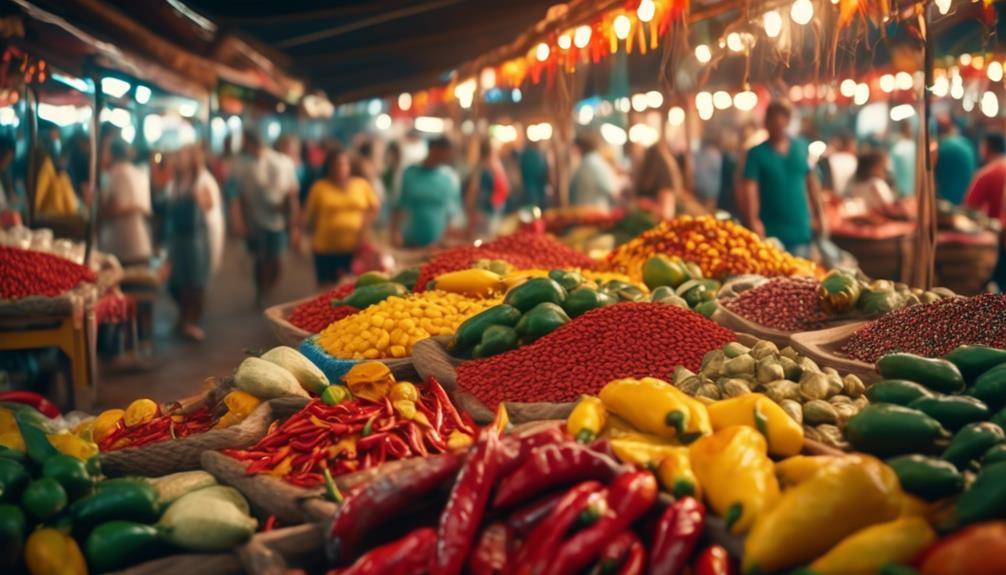
The Great History Of Brazilian Cuisine; Embark on a captivating culinary journey, as we unravel the intriguing history of Brazilian cuisine. From the indigenous influences that shaped the foundations to the arrival of the Portuguese, the African influences brought by the slave trade, and the contributions of immigrants, Brazilian cuisine is a tapestry of flavors and traditions. But the story doesn’t end there. Join us as we explore the regional culinary traditions and discover how modern Brazilian cuisine has evolved, tantalizing taste buds around the world. Prepare yourself for an exploration of vibrant flavors, rich history, and mouthwatering tales that will leave you craving for more.
Indigenous Influences
Indigenous influences have played a pivotal role in shaping the vibrant and diverse landscape of Brazilian cuisine. The impact of indigenous cultures on Brazilian agriculture is immense, as they introduced various farming techniques and crops that are still widely used today. Indigenous communities cultivated staple foods like cassava, corn, beans, and various fruits, which formed the foundation of Brazilian cuisine. These crops not only provided sustenance but also influenced the cooking methods and flavor profiles that define Brazilian dishes.
The indigenous people’s influence on Brazilian agriculture goes beyond the cultivation of specific crops. They also developed innovative farming techniques that allowed them to thrive in the diverse ecosystems of Brazil. For example, the Tupi-Guarani people created the system of slash-and-burn agriculture, also known as “roça,” which involves clearing land by cutting down vegetation and then burning it to create fertile soil. This method not only increased agricultural productivity but also had a profound impact on the landscape of Brazil.
Furthermore, the cultural preservation efforts of indigenous communities have helped maintain traditional cooking methods and ingredients in Brazilian cuisine. Many indigenous groups have passed down their culinary knowledge from generation to generation, ensuring that their food traditions remain alive. Additionally, there has been an increased recognition of indigenous cuisine in Brazil, with restaurants and chefs incorporating indigenous ingredients and techniques into their menus. This recognition not only promotes cultural diversity but also helps sustain indigenous communities and their traditional practices.
Arrival of the Portuguese
As the Portuguese arrived in Brazil, they brought with them their culinary traditions and flavors, which heavily influenced the development of Brazilian cuisine. The fusion of Portuguese and indigenous ingredients and techniques gave rise to a unique culinary landscape in Brazil. Traditional Portuguese dishes, such as bacalhau (salted cod) and caldo verde (kale soup), became popular and continue to be enjoyed today. The Portuguese also introduced a variety of spices and flavors, such as cinnamon, saffron, and olive oil, which added depth and richness to Brazilian dishes.
Portuguese Culinary Influences
The arrival of the Portuguese in Brazil had a profound impact on the culinary landscape, ushering in a new era of flavors and techniques. Portuguese culinary techniques and traditions played a significant role in shaping Brazilian cuisine as we know it today. The Portuguese brought with them a rich culinary heritage that blended with indigenous ingredients and cooking methods, resulting in a unique fusion of flavors.
One of the key influences was the use of bacalhau, or salted cod, which became a staple in Brazilian cuisine. The Portuguese also introduced the use of olive oil, garlic, and onions in cooking, as well as the tradition of baking bread. These culinary techniques and traditions laid the foundation for future developments in Brazilian cuisine and continue to be celebrated and enjoyed to this day.
Traditional Portuguese Dishes
Upon their arrival in Brazil, the Portuguese brought with them a rich array of traditional dishes that would greatly influence the culinary landscape of the country. The Portuguese colonial history in Brazil played a significant role in shaping the local cuisine through cultural exchange. One of the most iconic Portuguese dishes that found its way into Brazilian cuisine is bacalhau, a salted codfish dish that is still widely enjoyed today.
Other traditional Portuguese dishes that became popular in Brazil include caldo verde, a hearty soup made with kale and potatoes, and pastéis de nata, a delightful custard tart. These dishes reflect the Portuguese influence on Brazilian cuisine, showcasing a fusion of flavors and techniques that have become an integral part of the nation’s culinary heritage. The arrival of the Portuguese in Brazil marked the beginning of a culinary journey that would shape the gastronomic traditions of the country for centuries to come.
Portuguese Spices and Flavors
With the arrival of the Portuguese in Brazil, a vibrant array of spices and flavors were introduced, forever changing the culinary landscape of the country. Portuguese seasoning techniques and culinary traditions played a significant role in shaping Brazilian cuisine. The Portuguese brought with them a wide variety of spices, such as cinnamon, cloves, and saffron, which were used to enhance the flavors of dishes.
These spices added depth and complexity to Brazilian recipes, creating a unique blend of flavors that became a hallmark of the cuisine. In addition to spices, the Portuguese also introduced cooking techniques like marinating and slow cooking, which allowed flavors to develop and meld together. The combination of Portuguese spices and culinary traditions with local ingredients resulted in the rich and diverse flavors that are still celebrated in Brazilian cuisine today.
African Influences and the Slave Trade
A significant influence on Brazilian cuisine can be traced back to the African diaspora and the transatlantic slave trade. The arrival of African slaves in Brazil during the colonial period brought with it not only a labor force but also a rich and diverse culinary heritage. These enslaved Africans played a crucial role in shaping the culinary landscape of Brazil, contributing their own methods, ingredients, and flavors to the existing Portuguese cuisine. Here are some of the African cultural heritage and culinary contributions that have left a lasting impact on Brazilian cuisine:
- Use of Palm Oil: Africans introduced the use of palm oil in Brazilian cooking, which added a distinct flavor and color to many traditional dishes. Today, palm oil is still widely used in Brazilian cuisine, particularly in dishes such as acarajé and vatapá.
- Feijoada: This iconic Brazilian dish, consisting of black beans cooked with various cuts of pork, owes its origins to African cooking techniques. It is believed to have evolved from a traditional African bean and meat stew, which was adapted and modified by Brazilian slaves.
- Dendê Oil: Another African contribution to Brazilian cuisine is dendê oil, which is derived from palm fruits. This flavorful oil is a key ingredient in dishes like moqueca, a popular seafood stew from the northeastern region of Brazil.
- Yam and Okra: Yam and okra are staple ingredients in many African cuisines, and they were introduced to Brazil by African slaves. These ingredients are still widely used in Brazilian cooking, particularly in dishes like caruru and bobó de camarão.
- Cachaça: Derived from sugarcane, cachaça is a distilled spirit that is a key component in the famous Brazilian cocktail, caipirinha. This technique of distilling spirits from sugarcane was brought to Brazil by African slaves and has since become an integral part of Brazilian culinary traditions.
The African influences on Brazilian cuisine are undeniable, and they continue to shape the flavors and techniques used in the country’s culinary landscape. From the use of palm oil and dendê oil to the incorporation of yam and okra, these culinary contributions have become an essential part of Brazil’s gastronomic identity.
Immigrant Contributions
As you explore the history of Brazilian cuisine, it is important to acknowledge the significant contributions made by immigrant groups. These groups, such as the Italians, Germans, and Japanese, brought their own culinary traditions and techniques, resulting in a rich fusion of flavors and ingredients. The adaptation of traditional immigrant recipes to the Brazilian context showcases the dynamic nature of the country’s cuisine, highlighting the influence of diverse cultures on its gastronomy.
Influential Immigrant Groups
The arrival of various immigrant groups to Brazil has significantly shaped and enriched the country’s culinary landscape, with their distinct flavors and cooking techniques leaving a lasting impact on Brazilian cuisine. These influential immigrant groups have brought with them their own culinary traditions, blending them with indigenous contributions to create a unique fusion of flavors. Here are five immigrant groups that have made a significant mark on Brazilian cuisine:
- Portuguese: They introduced staples like rice, beans, and bread, as well as cooking techniques such as frying and baking.
- Italian: Their influence can be seen in popular dishes like pasta and pizza, as well as the widespread use of tomatoes and olive oil.
- African: African immigrants brought vibrant spices, palm oil, and cooking methods like stewing and marinating, which are integral to dishes like feijoada.
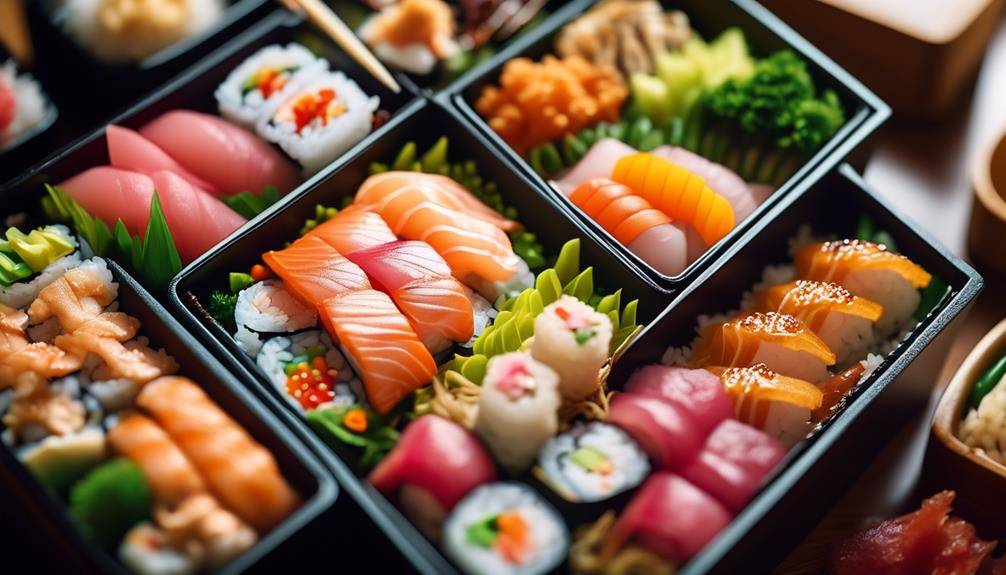
- Japanese: Their arrival brought sushi, sashimi, and tempura to Brazil, adding a touch of elegance and precision to the culinary scene.
- Lebanese: Lebanese immigrants introduced ingredients like tahini, chickpeas, and lamb, contributing to the rich diversity of Brazilian cuisine.
These immigrant groups have not only shaped the flavors and techniques of Brazilian cuisine but have also helped create a sense of cultural identity and pride through their culinary contributions.
Culinary Fusion and Adaptation
The culinary fusion and adaptation brought about by immigrant contributions have not only revolutionized Brazilian cuisine, but have also led to an expansive and diverse array of flavors and techniques. The culinary evolution of Brazilian cuisine can be attributed to the cultural exchange that occurred as immigrants from various countries settled in Brazil.
Each immigrant group brought their own culinary traditions and ingredients, which were then adapted and incorporated into the local cuisine. For example, Japanese immigrants introduced sushi and sashimi, while Italian immigrants brought pasta and pizza. African influences can be seen in dishes like feijoada, a black bean stew with pork, and acarajé, a deep-fried black-eyed pea dough filled with shrimp. These immigrant contributions have not only enriched Brazilian cuisine, but have also shaped its identity as a melting pot of flavors and cultures.
Traditional Immigrant Recipes
With the fusion and adaptation of culinary traditions from various immigrant groups, Brazilian cuisine has been transformed into a vibrant tapestry of flavors and techniques, giving rise to a rich repertoire of traditional immigrant recipes. These recipes reflect the diverse immigrant food traditions that have become an integral part of Brazilian culinary heritage.
Cultural assimilation plays a pivotal role in shaping these recipes, as immigrants brought their own culinary practices and ingredients, which were then incorporated and modified to suit the Brazilian palate. The resulting fusion of flavors and techniques showcases the intricate blend of cultures that have contributed to the evolution of Brazilian cuisine. Traditional immigrant recipes not only provide a taste of the past but also serve as a reminder of the enduring influence of immigrant communities on Brazilian food culture.
- Feijoada: A hearty stew made with black beans and various cuts of pork, brought by African slaves.
- Pão de Queijo: Cheese bread made with cassava flour, introduced by Portuguese settlers.
- Coxinha: Deep-fried dough filled with shredded chicken, inspired by Italian croquettes.
- Acarajé: Deep-fried balls made from black-eyed pea dough, influenced by West African cuisine.
- Pastel: Fried pastry filled with a variety of savory fillings, influenced by Japanese immigrants.
Regional Culinary Traditions
Regional culinary traditions in Brazilian cuisine showcase a diverse array of flavors, techniques, and ingredients that have been shaped by the unique cultural influences of each region. From the Amazon rainforest to the southern pampas, each area of Brazil has its own distinct culinary innovations and regional specialties that make the country’s cuisine so captivating.
In the northeastern region of Brazil, for example, the cuisine is heavily influenced by African, Indigenous, and Portuguese traditions. One of the most iconic dishes from this region is the acarajé, a deep-fried ball made from black-eyed pea dough, filled with shrimp, vatapá (a spicy paste made from bread, shrimp, coconut milk, and palm oil), and served with hot sauce. This dish reflects the Afro-Brazilian heritage of the region and is a staple street food in cities like Salvador.
Moving to the south, the region is known for its gaucho culture and the famous churrasco, a traditional barbecue. The gauchos, or Brazilian cowboys, developed a unique way of grilling meat called the rodizio, where different cuts of meat are skewered and cooked over an open flame. This method of cooking has become a symbol of Brazilian cuisine and is enjoyed all over the country.
In the Amazon region, the cuisine is heavily influenced by the bountiful ingredients found in the rainforest. Dishes like tacacá, a savory soup made from tucupi (a yellow broth made from wild manioc root), dried shrimp, jambu leaves (which create a tingling sensation on the tongue), and served with a side of goma (manioc starch). This dish showcases the incredible biodiversity of the region and highlights the use of unique ingredients.
These are just a few examples of the regional culinary traditions that make up Brazilian cuisine. Each region has its own unique flavors, techniques, and dishes that reflect the cultural heritage and resources of the area. Exploring the regional specialties of Brazil is like taking a gastronomic journey through the country’s rich history and diverse ecosystems.
Modern Brazilian Cuisine
As we shift our focus to the realm of Modern Brazilian Cuisine, we delve into the innovative and contemporary culinary developments that have emerged from the rich tapestry of regional traditions and cultural influences. Brazilian cuisine has evolved over the years, adapting to new tastes and incorporating global trends, while still retaining its roots and unique flavors. Here are some culinary innovations and emerging trends that are currently shaping Modern Brazilian Cuisine:
- Fusion of Flavors: Modern Brazilian cuisine has embraced the fusion of different flavors and ingredients from around the world. Chefs are experimenting with combinations that blend traditional Brazilian ingredients with international culinary techniques, creating a harmonious fusion of flavors that excite the palate.
- Sustainable Practices: With a growing awareness of environmental issues, sustainable practices have become an emerging trend in Brazilian cuisine. Chefs are sourcing local, organic ingredients and incorporating them into their dishes. Additionally, there is a focus on reducing food waste and utilizing every part of the ingredient to create innovative and sustainable dishes.
- Plant-Based Options: As more people embrace a vegetarian or vegan lifestyle, Brazilian cuisine has adapted to cater to these dietary preferences. Chefs are creating plant-based versions of traditional dishes, using ingredients such as jackfruit, tofu, and tempeh to replicate the flavors and textures of meat-based dishes.
- Artistic Plating: Presentation has become an integral part of Modern Brazilian Cuisine. Chefs are treating each dish as a work of art, carefully arranging the ingredients on the plate to create visually stunning presentations. This attention to detail enhances the dining experience and elevates the overall aesthetic appeal of the cuisine.
- Molecular Gastronomy: The use of scientific techniques and molecular gastronomy has gained popularity in Modern Brazilian Cuisine. Chefs are incorporating innovative cooking methods and experimenting with textures, temperatures, and flavors to create unique and avant-garde dishes that push the boundaries of traditional Brazilian cuisine.
These culinary innovations and emerging trends in Modern Brazilian Cuisine demonstrate the dynamic and ever-evolving nature of the culinary scene in Brazil. Chefs are constantly pushing the boundaries, blending tradition with innovation, and creating a gastronomic experience that is both exciting and memorable.
Frequently Asked Questions: The Great History Of Brazilian Cuisine
What Are Some Traditional Indigenous Ingredients Used in Brazilian Cuisine?
Some traditional indigenous ingredients used in Brazilian cuisine include manioc, açaí, and guaraná. These ingredients have been integral to the culinary traditions of Brazil, which have been shaped by the influence of Portuguese, African slaves, and various immigrant groups. Additionally, regional culinary traditions play a significant role in the diverse flavors of Brazilian cuisine.
How Did the Arrival of the Portuguese Influence Brazilian Culinary Techniques?
When the Portuguese arrived in Brazil, they brought their culinary techniques which influenced the local cuisine. The fusion of Portuguese and indigenous flavors resulted in new dishes and cooking methods.
What Role Did African Slaves Play in Shaping Brazilian Cuisine?
African slaves played a significant role in shaping Brazilian cuisine. Their culinary traditions and ingredients, such as palm oil, okra, and yams, greatly influenced the flavors and techniques used in Brazilian cooking. The impact of the slave trade on Brazilian food culture is undeniable.
What Are Some Notable Immigrant Groups That Have Contributed to Brazilian Cuisine?
Italian and Japanese immigrants have made significant contributions to Brazilian cuisine. The Italian influence can be seen in dishes like pizza and pasta, while the Japanese influence can be seen in the popularity of sushi and tempura.
How Do Regional Culinary Traditions Vary Across Different Parts of Brazil?
Regional culinary traditions in Brazil vary widely, with each region having its own unique cooking styles and popular dishes. From the feijoada of the South to the acarajé of the Northeast, you’ll find a delicious variety of flavors across the country.

Conclusion
In conclusion, the history of Brazilian cuisine is a rich tapestry of diverse influences and cultural exchanges. From the indigenous peoples who first cultivated native ingredients, to the Portuguese colonizers who brought their own flavors, to the African slaves who introduced new cooking techniques and ingredients, and the immigrants who added their own culinary traditions, Brazilian cuisine has evolved into a vibrant and flavorful mosaic. Today, it continues to showcase the unique blend of flavors and regional culinary traditions that make it a true gastronomic delight.