13 Easy Tips For Cooking And Cleaning Fresh Squid
Tips For Cooking And Cleaning Fresh Squid; Cooking squid may seem intimidating, but with these 13 tips, you’ll be able to tackle this culinary challenge with ease. From selecting the freshest squid to mastering various cooking methods, we’ll guide you through every step of the process. But before we dive into the details, let’s uncover the secrets to cleaning this intriguing sea creature. Get ready to embrace your inner chef and discover the art of cooking and cleaning fresh squid like a pro.
Selecting the Freshest Squid
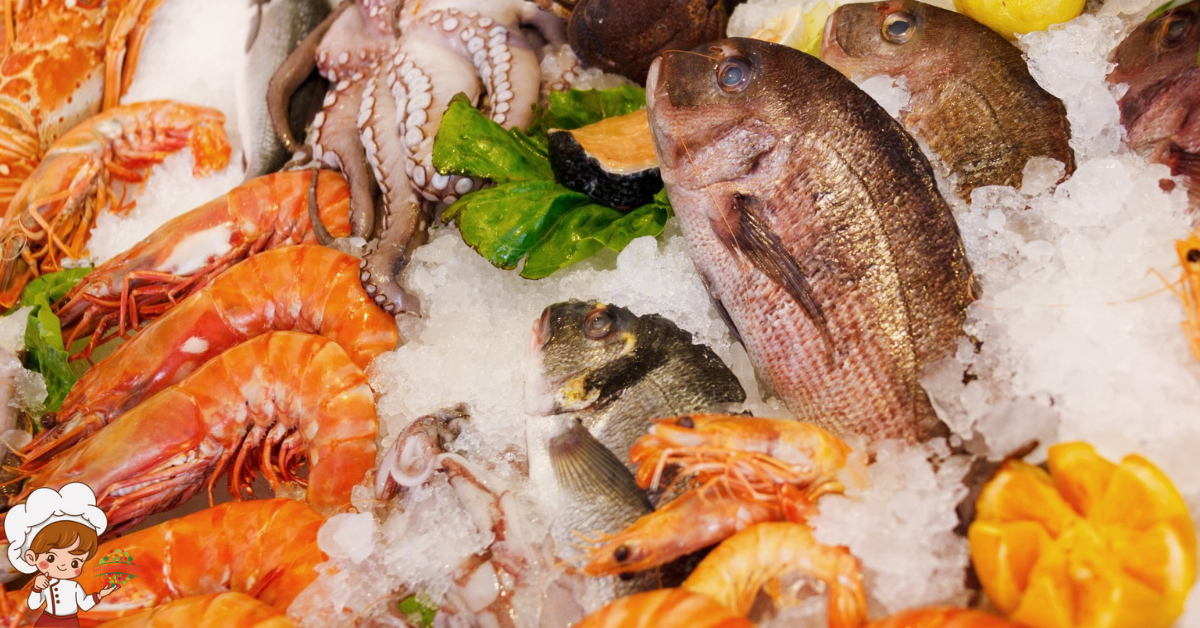
To ensure your squid is fresh and flavorful, it’s important to carefully select the best specimens at the market. When it comes to cooking squid, freshness is key. You want to make sure you’re getting the highest quality squid available. So, how do you choose the freshest squid? Let’s take a look at some freshness indicators and tips for selecting the best squid for your next culinary adventure.
Firstly, look for squid that has bright, clear eyes. Avoid squid with cloudy or sunken eyes, as this is a sign of age and poor quality. The eyes should be glossy and protruding, indicating that the squid is fresh and full of flavor.
Secondly, pay attention to the skin of the squid. Fresh squid should have a shiny, translucent skin. Avoid squid with dull, discolored, or slimy skin, as these are signs of deterioration. The skin should be firm and smooth to the touch.
Another freshness indicator to consider is the smell. Fresh squid should have a mild, oceanic scent. Avoid squid with any strong, fishy odor, as this could indicate that it’s past its prime.
When selecting squid, it’s also important to consider the size. Smaller squid tend to be more tender and flavorful, while larger squid can be tougher and chewier. Choose squid that is firm to the touch and has a good weight for its size.
Cleaning the Squid Before Cooking
Now that you’ve selected the freshest squid for your culinary adventure, it’s time to roll up your sleeves and get ready to clean these delightful creatures before cooking. Cleaning squid may seem daunting at first, but with a few simple tips and the right tools, you’ll be able to do it with ease.
Here are some helpful tips for removing the ink sac and cleaning squid:
- Start by removing the head of the squid. Hold the body firmly and pull the head away in a gentle twisting motion. This will detach the head along with the ink sac, making it easier to clean.
- Next, peel off the outer purple skin of the squid. Grip the skin near the head and peel it off towards the tail. The skin should come off easily, revealing the creamy white flesh underneath.
- Once the skin is removed, you’ll notice a thin, transparent membrane covering the squid. This membrane can be tough and chewy, so it’s best to remove it. Simply make a shallow cut along the length of the squid and peel off the membrane.
- Finally, remove the ink sac by gently squeezing the body of the squid. The ink sac will pop out, and you can discard it. Be careful not to burst the ink sac, as it can make quite a mess.
When it comes to the best tools for cleaning squid, a sharp knife and a pair of kitchen shears are essential. Use the knife to remove the head and skin, and the shears to cut through the membrane and remove any remaining bits.
With these tips and tools, you’re now ready to clean your squid and prepare them for cooking. Enjoy your culinary adventure and savor the delicious flavors of freshly cleaned squid!
Removing the Ink Sac and Internal Organs
Start by carefully removing the ink sac and internal organs from the squid, ensuring a clean and delicious final dish. Removing the ink sac may seem intimidating, but with a few simple steps, you’ll be able to do it with ease. First, hold the squid firmly and locate the ink sac, which is a small, dark-colored sac located near the head. Gently grip the sac and pull it away from the body, being careful not to puncture it. Dispose of the ink sac as it is not typically used in cooking.
Next, it’s time to clean the internal organs. Start by making a small incision along the length of the squid’s body, being careful not to cut too deep. Use your fingers to carefully remove the internal organs, which can be found in a cluster near the head. These organs include the stomach, liver, and digestive gland. Rinse the squid under cold water to remove any remaining traces of the internal organs.
Cleaning the internal organs is important as it helps to remove any impurities and ensures a fresh and appetizing taste. It also reduces the risk of any unpleasant odors or flavors in your final dish. Once the ink sac and internal organs have been removed and the squid has been thoroughly cleaned, it is ready to be cooked according to your chosen recipe.
Preparing Squid for Various Cooking Methods
If you’re ready to take your squid cooking skills to the next level, let’s dive into the art of preparing squid for various cooking methods. Whether you’re planning to grill, fry, or sauté your squid, proper preparation is key to achieving tender and flavorful results. Here are some tips to help you get started:
- Cleaning: Begin by rinsing the squid under cold water to remove any residual sand or debris. Next, gently pull the head away from the body, along with the tentacles. Remove the beak from the center of the tentacles and discard. Peel off the purplish skin from the body and rinse again to ensure it’s clean.
- Marinating: To enhance the flavor of your squid, consider marinating it before cooking. A simple marinade can be made by combining olive oil, lemon juice, garlic, and your favorite herbs and spices. Place the cleaned squid in the marinade for at least 30 minutes, allowing the flavors to penetrate the flesh.
- Grilling: Grilling squid is a popular cooking method that brings out the natural sweetness of the seafood. Preheat your grill to medium-high heat and lightly oil the grates. Cook the squid for about 2-3 minutes per side until it becomes opaque and lightly charred. Avoid overcooking to prevent it from becoming tough and rubbery.
- Other Cooking Methods: Squid can also be fried, sautéed, or added to stir-fries. When frying, coat the squid in a light batter and fry until golden brown. For sautéing, cook the squid over high heat for a short period to maintain its tenderness. In stir-fries, add the squid towards the end of the cooking process to prevent it from becoming overcooked.
Seasoning and Marinating Techniques
Ready to take your squid dishes to the next level? Let’s talk about seasoning and marinating techniques that will elevate the flavor of your fresh squid. Whether you prefer a simple salt and pepper rub, a tangy citrus marinade, or an herb-infused oil, these techniques will add depth and complexity to your squid dishes. Get ready to embark on a flavorful culinary adventure with these seasoning and marinating ideas!
Salt and Pepper Rub
Enhance the flavor and tenderness of your fresh squid by applying a delectable salt and pepper rub. Seasoning your squid with salt and pepper not only adds a burst of flavor, but also helps to tenderize the meat. Follow these simple steps to create a mouthwatering dish:
- Start by cleaning and preparing the fresh squid.
- Pat the squid dry with a paper towel to remove any excess moisture.
- In a small bowl, combine equal parts salt and black pepper.
- Generously rub the salt and pepper mixture onto both sides of the squid, making sure to coat it evenly.
Citrus Marinade
To infuse your fresh squid with a burst of tangy flavor, try marinating it in a zesty citrus blend. Citrus marinades are a great way to add a refreshing twist to your seafood dishes. The acidity of the citrus fruits helps to tenderize the squid while infusing it with a bright and tangy flavor. There are several marinade techniques you can try to achieve the perfect citrus-infused flavors. One option is to squeeze fresh lemon, lime, or orange juice over the squid and let it sit for at least 30 minutes before cooking.
Another method is to create a marinade by combining citrus juice with olive oil, garlic, herbs, and spices. Allow the squid to soak in this flavorful mixture for a few hours or overnight in the refrigerator. Experiment with different citrus fruits and seasonings to find your favorite combination. The result will be tender, flavorful squid that will leave your taste buds craving more.
Herb-Infused Oil
One easy way to elevate the flavor of your fresh squid is by using herb-infused oil as a seasoning and marinade. Herb-infused oil is a versatile homemade condiment that adds a burst of fragrant flavor to any dish. Here are four ways to use herb-infused oil with your fresh squid:
- Drizzle: After grilling or pan-searing your squid, finish it off by drizzling some herb-infused oil on top. The oil will add a touch of freshness and enhance the natural flavors of the squid.
- Marinade: Before cooking, marinate your squid in herb-infused oil for at least 30 minutes. The oil will help tenderize the squid and infuse it with aromatic flavors.
- Dipping sauce: Mix herb-infused oil with a squeeze of lemon juice and a pinch of salt to create a delicious dipping sauce for your squid. It will complement the seafood perfectly.
- Dressing: Toss your cooked squid in a salad with a simple dressing made from herb-infused oil, vinegar, and a touch of honey. It will add a delightful herbal note to your salad.
Grilling Squid to Perfection
Grilling squid is a delightful and flavorful way to prepare this tender seafood delicacy. Whether you’re a seasoned griller or a beginner, these tips and recipes will help you grill squid to perfection.
To start, make sure your grill is preheated to medium-high heat. This will ensure that the squid cooks quickly and evenly without becoming tough. It’s also important to clean and prepare the squid properly before grilling. Remove the head, tentacles, and innards, and then rinse the squid under cold water.
One simple and delicious grilled squid recipe is to marinate the squid in a mixture of olive oil, lemon juice, garlic, salt, and pepper. Let it sit in the marinade for at least 30 minutes to allow the flavors to penetrate the squid. Then, grill the squid for about 2-3 minutes per side, or until it turns opaque and slightly charred.
Another great option is to stuff the squid with a flavorful mixture of breadcrumbs, herbs, and spices. To do this, gently stuff the squid tubes with the mixture and secure with toothpicks. Grill the stuffed squid for about 4-5 minutes per side, or until cooked through and golden brown.
When grilling squid, it’s important to cook it quickly to avoid overcooking and turning it rubbery. Remember to keep an eye on the squid as it cooks, as it can easily become overdone. Once the squid is cooked, remove it from the grill and let it rest for a few minutes before serving.
Grilling squid is a delicious and satisfying way to enjoy this tender seafood. With these tips and recipes, you’ll be able to grill squid to perfection every time. So fire up the grill and get ready to savor the flavors of grilled squid!
Frying Squid for a Crispy and Golden Texture
For a crispy and golden texture, frying squid is a fantastic cooking method that brings out the delicious flavors and adds a satisfying crunch to this delectable seafood. Whether you’re a seasoned chef or just starting out in the kitchen, mastering the art of frying squid is a skill that will elevate your culinary repertoire. Here are some tips to help you achieve that perfect crispy and golden texture:
- Hot oil is key: Before frying, make sure your oil is hot enough. Heat it to around 350°F (175°C) to ensure a crisp and golden exterior without overcooking the squid.
- Coating is crucial: To achieve that crunchy texture, coat the squid in a light batter or breading. A simple mixture of flour, salt, and pepper will do the trick. You can also experiment with adding spices or herbs to enhance the flavor.
- Fry in small batches: Avoid overcrowding the pan, as this can lead to soggy squid. Fry the squid in small batches, allowing each piece to have enough space to cook evenly and maintain its crispness.
- Drain excess oil: After frying, place the cooked squid on a paper towel-lined plate to absorb any excess oil. This will help prevent the squid from becoming greasy.
While frying is a popular cooking technique for squid, there are alternative methods you can explore. Grilling squid can give it a smoky flavor and a slightly charred texture, perfect for a summer barbecue. You can also try sautéing or stir-frying squid for a quick and flavorful option. Whichever method you choose, remember to cook the squid quickly to avoid toughness.
Steaming Squid for a Tender and Succulent Dish
To continue exploring different cooking methods for squid, let’s now turn our attention to steaming, a technique that will result in a tender and succulent dish. Steaming squid is a wonderful way to preserve its natural flavor and texture while keeping it moist and tender. The steaming technique involves cooking the squid over boiling water, which allows it to cook gently and evenly.
When it comes to cooking time, it is essential to avoid overcooking the squid as it can become tough and rubbery. The cooking time for steaming squid is relatively quick, usually ranging from 2 to 4 minutes. It is crucial to keep a close eye on the squid while steaming to ensure that it is cooked to perfection. You’ll know it is done when the squid turns opaque and becomes firm but still tender.
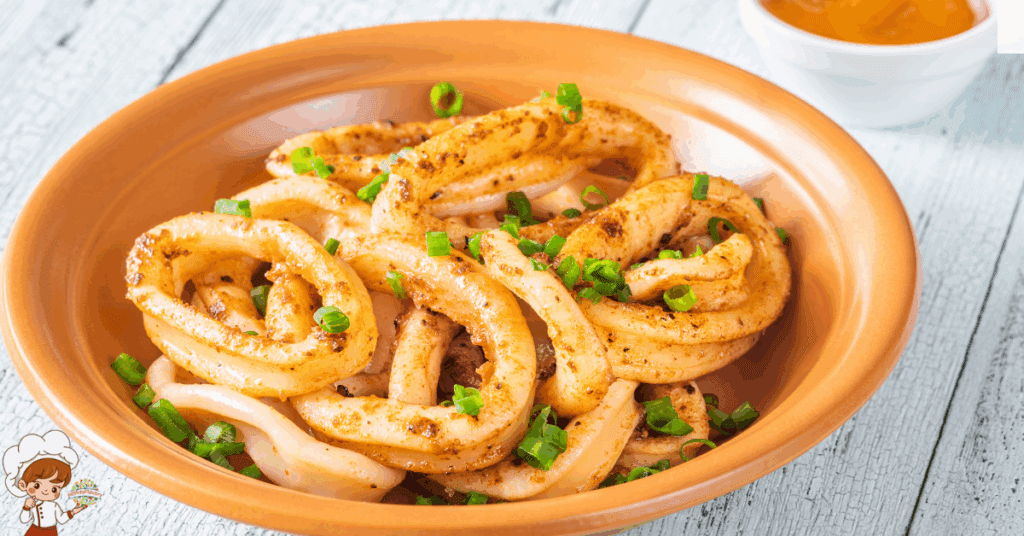
To steam squid, start by cleaning and preparing it as discussed in the previous subtopic. Once cleaned, you can cut the squid into rings or leave it whole, depending on your preference. Place the squid in a steamer basket or a heatproof dish and season it with your choice of herbs, spices, and sauces.
Next, bring a pot of water to a boil and place the steamer basket or dish on top. Cover the pot with a lid and let the squid steam for the recommended cooking time. Remember to check on the squid periodically to ensure it is not overcooking.
Once the squid is cooked, remove it from the steamer and serve it immediately. Steamed squid pairs well with a variety of dipping sauces and can be enjoyed on its own or added to salads, stir-fries, or pasta dishes. So, give the steaming technique a try and savor the tender and succulent flavors of squid.
Stuffing Squid With Flavorful Fillings
Enhance the flavor and texture of squid by stuffing it with a variety of delicious fillings. Not only does stuffing squid add a burst of flavor, but it also helps to keep the meat moist and tender during cooking. There are countless filling variations and cooking techniques to explore, allowing you to get creative in the kitchen. Here are four ideas to get you started:
- Classic Bread Crumb Stuffing: Mix breadcrumbs, minced garlic, chopped parsley, grated Parmesan cheese, and a drizzle of olive oil. Stuff the mixture into the squid’s body cavity, securing the opening with toothpicks. This filling adds a satisfying crunch to the tender squid meat.
- Seafood Medley: Combine chopped shrimp, scallops, and crabmeat with breadcrumbs, minced shallots, lemon zest, and chopped herbs like dill and chives. This luxurious filling brings a delightful seafood flavor to the squid.
- Asian-inspired: Create a filling with minced pork, chopped water chestnuts, green onions, grated ginger, soy sauce, and sesame oil. This savory and aromatic filling pairs beautifully with the squid’s mild taste.
- Mediterranean Delight: Mix feta cheese, chopped sun-dried tomatoes, Kalamata olives, minced garlic, and fresh basil. The tanginess of the feta and the briny notes of the olives create a delicious Mediterranean flavor profile.
When it comes to cooking techniques, you can grill, bake, or fry the stuffed squid. Grilling imparts a smoky flavor and beautiful char marks, while baking ensures even cooking. Frying yields a crispy exterior and a tender interior. Whichever method you choose, make sure to cook the squid just until it turns opaque and is cooked through.
Experiment with different filling combinations and cooking techniques to find your favorite way of enjoying stuffed squid. The possibilities are endless, so have fun exploring and creating your own culinary masterpiece.
Stir-Frying Squid With Delicious Ingredients
Now it’s time to take your fresh squid and stir-fry it with some delicious ingredients to create a mouthwatering dish. Whether you prefer a spicy garlic sauce or a tangy soy-ginger marinade, there are endless tasty stir-fry combinations to choose from. With a quick and easy recipe, you’ll have a flavorful meal on the table in no time. Plus, follow our tips for tender squid to ensure each bite is perfectly cooked.
Tasty Stir-Fry Combinations
Get ready to tantalize your taste buds with a mouthwatering stir-fry combination featuring freshly cooked squid and an array of delicious ingredients. When it comes to tasty stir-fry combinations, the possibilities are endless. Here are some creative squid dishes that will take your stir-fry game to the next level:
- Spicy Garlic Squid Stir-Fry: Sauté squid with garlic, chili flakes, and a splash of soy sauce for a fiery kick.
- Teriyaki Squid Stir-Fry: Marinate squid in a sweet and savory teriyaki sauce before stir-frying with bell peppers and onions.
- Thai Basil Squid Stir-Fry: Infuse your stir-fry with aromatic Thai basil, chili paste, and fish sauce for a burst of Southeast Asian flavors.
- Lemon Pepper Squid Stir-Fry: Toss squid with lemon zest, black pepper, and a drizzle of olive oil for a refreshing and zesty twist.
With these tantalizing stir-fry combinations, you’ll be able to enjoy the tender and flavorful goodness of squid in the most delectable way possible.
Quick and Easy Recipe
For a quick and easy stir-fry recipe that is bursting with flavor, try stir-frying squid with a combination of delicious ingredients. Squid is a versatile seafood option that cooks quickly and pairs well with a variety of flavors. To start, clean and prepare the squid by removing the tentacles and cutting the body into rings. Heat a wok or large skillet over high heat and add oil.
Once the oil is hot, add minced garlic, sliced onions, and diced bell peppers. Stir-fry for a minute until the vegetables are slightly softened. Then, add the squid to the pan and continue stir-frying for 2-3 minutes until it turns opaque and tender. Finally, season with soy sauce, sesame oil, and a pinch of salt and pepper. Serve immediately over steamed rice or noodles for a delicious and satisfying meal.
Tips for Tender Squid
To ensure tender squid in your stir-fry dish, here are some helpful tips to enhance the flavor and texture of this delicious seafood:
- Quick cooking: Squid is best when cooked quickly over high heat. This helps to prevent it from becoming tough and chewy.
- Marinating: Marinating the squid in a mixture of olive oil, lemon juice, garlic, and herbs before cooking can help to tenderize the meat and infuse it with flavor.
- Slicing technique: Cut the squid into thin, even slices to ensure that it cooks evenly and quickly. This will help to maintain its tenderness.
- Don’t overcook: Overcooking squid can make it rubbery. Cook it just until it turns opaque and firm, which usually takes no more than a few minutes.
Baking Squid for a Unique and Flavorful Twist
If you’re looking to add a unique and flavorful twist to your squid dish, why not try baking it? Baking squid is a great way to achieve a crispy texture and enhance the natural flavors of the squid. While grilling squid can give it a smoky flavor, baking allows you to experiment with different seasonings and ingredients to create a dish that is truly your own.
To start, preheat your oven to 400°F (200°C) and prepare your squid. Make sure to clean it thoroughly and remove the innards and beak. You can also remove the skin if desired, as it can become tough when baked. Once cleaned, pat the squid dry with paper towels to remove any excess moisture.
Next, prepare your seasoning. A simple combination of olive oil, garlic, salt, and pepper can work wonders for enhancing the flavor of the squid. You can also add a squeeze of lemon juice for a refreshing twist.
Place the squid on a baking sheet lined with parchment paper or aluminum foil. Drizzle the seasoning mixture over the squid, making sure to coat it evenly. If you prefer a spicier dish, you can also add a sprinkle of red pepper flakes.
Bake the squid for about 10-12 minutes, or until it turns opaque and the edges start to brown. Be careful not to overcook it, as squid can become rubbery if left in the oven for too long.
Once done, remove the squid from the oven and let it rest for a few minutes before serving. This will allow the flavors to meld and the squid to become tender.
Baking squid is a simple yet delicious way to elevate your squid dish. With just a few ingredients and some time in the oven, you can enjoy a unique and flavorful twist to this seafood favorite. So go ahead, give it a try and impress your friends and family with your culinary skills!
Pairing Squid With Complementary Flavors
Now that you have mastered the art of cooking and cleaning fresh squid, it’s time to take your culinary skills to the next level by pairing squid with complementary flavors. By combining different ingredients and seasonings, you can enhance the natural taste of squid and create a truly flavorful dish. Whether it’s the tanginess of citrus, the heat of chili, or the freshness of herbs, there are endless possibilities for perfect pairings that will elevate your squid dish to new heights.
Flavorful Squid Combinations
Looking to enhance the flavor of your squid? Explore exciting combinations that will complement this delicate seafood and elevate your culinary experience. Here are four flavorful squid combinations to try:
- Lemon and Garlic: Squeeze fresh lemon juice over your cooked squid and sprinkle it with minced garlic. The citrusy tang and the aromatic garlic will bring out the natural sweetness of the squid.
- Chili and Lime: Add a kick to your squid by tossing it with sliced chili peppers and a squeeze of lime. The spicy heat and zesty acidity of the lime will create a tantalizing flavor profile.
- Ginger and Soy Sauce: Marinate your squid in a mixture of grated ginger and soy sauce before cooking. The warm, earthy notes of ginger and the savory umami of soy sauce will infuse the squid with depth and richness.
- Basil and Tomato: Combine squid with fresh basil leaves and juicy tomato slices for a light and refreshing flavor. The herbaceous aroma of basil and the sweetness of ripe tomatoes will create a delightful summer dish.
Give these combinations a try and discover new dimensions of flavor in your squid dishes.
Enhancing Squid’s Taste
To enhance the taste of your squid, explore exciting flavor combinations that will elevate your culinary experience. One way to do this is by using marinade options that infuse the squid with delicious flavors. Consider marinating your squid in a mixture of olive oil, lemon juice, garlic, and herbs like parsley or thyme. This will add a tangy and aromatic touch to your squid. Another option is to experiment with different grilling techniques.
Grilling the squid over high heat will give it a smoky and charred flavor, while grilling it on a skewer with vegetables like bell peppers and onions will create a delicious combination of textures and tastes. By trying out different marinades and grilling techniques, you can unlock a world of flavors and take your squid dishes to the next level.
Perfect Pairings for Squid
To elevate the flavor of your squid even further, explore the world of perfect pairings that will complement and enhance its natural taste. Here are some perfect pairings that you can try:
- Perfect Wine: A crisp and dry white wine, such as Sauvignon Blanc or Pinot Grigio, will beautifully complement the delicate flavors of squid. The acidity in these wines will cut through the richness of the squid, balancing the overall taste.
- Alternative Seafood Options: If you’re looking for alternative seafood options to pair with squid, consider shrimp or scallops. These seafood options have a similar texture and flavor profile, making them perfect companions to squid in dishes like stir-fries or seafood pasta.
- Lemon and Garlic: The bright acidity of lemon and the pungent aroma of garlic are classic flavor pairings with squid. Squeeze fresh lemon juice over your cooked squid and sprinkle it with minced garlic for a burst of freshness and depth of flavor.
- Fresh Herbs: Experiment with fresh herbs like parsley, cilantro, or basil to add a fresh and vibrant touch to your squid dishes. Chop them finely and sprinkle them over your grilled or fried squid for a burst of aromatic flavor.
Properly Storing Leftover Squid for Later Use
If you have leftover squid from your delicious meal, it is important to store it properly to ensure its freshness and taste when you decide to use it later. Properly storing squid is crucial in preventing it from spoiling and maintaining its quality. Here are some practical tips to help you store your leftover squid:
First, make sure to clean the squid thoroughly before storing. Rinse it under cold water to remove any leftover food particles or debris. Pat it dry with a paper towel to remove excess moisture, as moisture can lead to bacterial growth and spoilage.
Next, place the cleaned and dried squid in an airtight container or a resealable plastic bag. Ensure that all the air is removed before sealing the container or bag. This will help prevent the squid from being exposed to air, which can accelerate spoilage.
It is important to store the squid in the refrigerator rather than at room temperature. The cooler temperature of the refrigerator will slow down the growth of bacteria and keep the squid fresh for a longer period. Make sure the refrigerator is set at a temperature below 40°F (4°C) to maintain optimal freshness.
Label the container or bag with the date of storage to keep track of how long the squid has been stored. Generally, leftover squid can be stored in the refrigerator for up to 2-3 days. Beyond that, it is recommended to discard it to avoid any risk of foodborne illnesses.
When you are ready to use the leftover squid, ensure that it is cooked thoroughly before consuming. Properly stored squid can be used in various dishes such as stir-fries, salads, or even grilled. Enjoy your delicious squid dish while ensuring its freshness and taste by following these proper storage techniques.
Frequently Asked Questions: Tips For Cooking And Cleaning Fresh Squid
Can I Freeze Leftover Squid for Later Use?
Yes, you can freeze leftover squid for later use. Freezing is a great way to store leftovers and ensure they stay fresh. Just make sure to properly package the squid to prevent freezer burn.
What Are Some Common Mistakes to Avoid When Cleaning Squid?
When cleaning squid, it’s important to avoid common mistakes. Make sure to remove the ink sac and internal organs, rinse well, and pat dry before cooking. By following these steps, you’ll have perfectly cleaned squid for your delicious recipes.
How Long Should I Marinate Squid Before Cooking?
You should marinate squid for at least 30 minutes before cooking to infuse it with flavor. If you’re short on time, you can try alternative cooking methods like grilling or stir-frying for a quick and delicious meal.
What Are Some Alternative Ways to Cook Squid Besides Grilling, Frying, and Steaming?
Looking to switch up your squid cooking routine? Try baking or stir frying! These alternative methods can bring out different flavors and textures in your squid dishes. Get creative in the kitchen!
Can I Stuff Squid With Both Meat and Vegetable Fillings?
Yes, you can definitely stuff squid with both meat and vegetable fillings. It’s a great way to add flavor and variety. Some recommended seasonings for stuffing variations include garlic, herbs, and spices for a delicious taste.

Conclusion
In conclusion, cooking and cleaning fresh squid doesn’t have to be intimidating. By following these 13 tips, you can easily select the freshest squid, clean it properly, and prepare it using various cooking methods. Whether you’re stir-frying, baking, or marinating, there are endless possibilities for creating delicious squid dishes. Don’t forget to pair it with complementary flavors and properly store any leftovers for later use. So go ahead, get adventurous in the kitchen and enjoy the unique and flavorful taste of squid!
If you enjoyed exploring this topic and want to dive even deeper, be sure to check out some of our other articles here on Infinite Flavors. From rich culinary histories to creative twists on classic recipes, there’s always something new to discover. Whether you’re curious about the origins of a dish, looking for fresh inspiration in the kitchen, or simply love learning about food culture, our collection of posts is the perfect next step on your flavor journey.
The 4 Best Techniques For Preparing Seafood Pasta Dishes
Great Spices That Are Perfect For Seafood Dishes
What Amazing Spices Can Transform Your Baking