11 Healthy Tips For Easy Cooking With Herbs And Spices
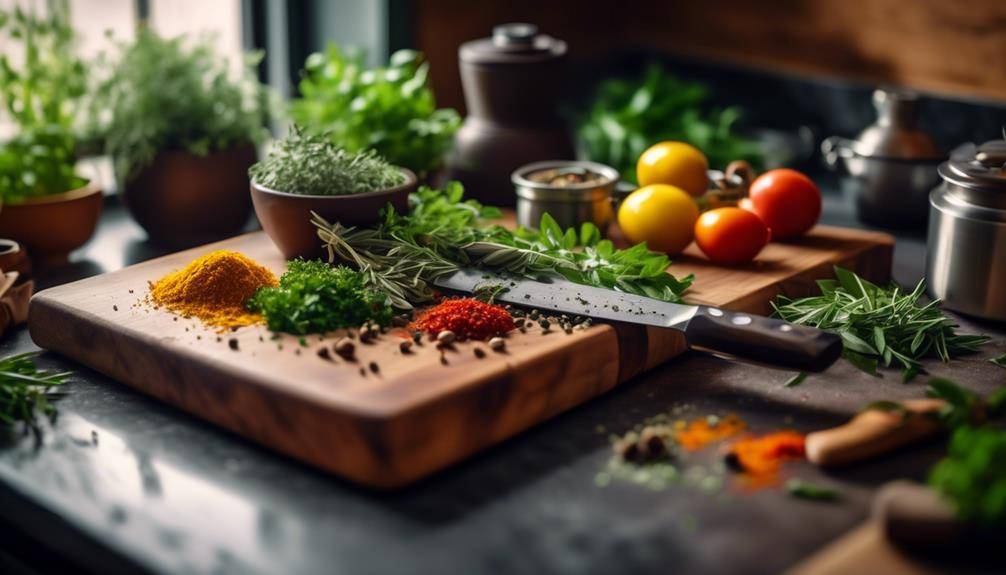
Tips For Easy Cooking With Herbs And Spices; Cooking with herbs and spices is like adding the perfect finishing touch to a masterpiece painting. They have the power to elevate your dishes from ordinary to extraordinary, transforming flavors and adding depth to your creations. But how do you harness the full potential of these culinary gems? In this discussion, we will explore 11 healthy tips that will not only help you make the most of herbs and spices, but also enhance the nutritional value of your meals. So, get ready to embark on a flavorful journey that will tantalize your taste buds and leave you craving for more.
Choose Fresh Ingredients
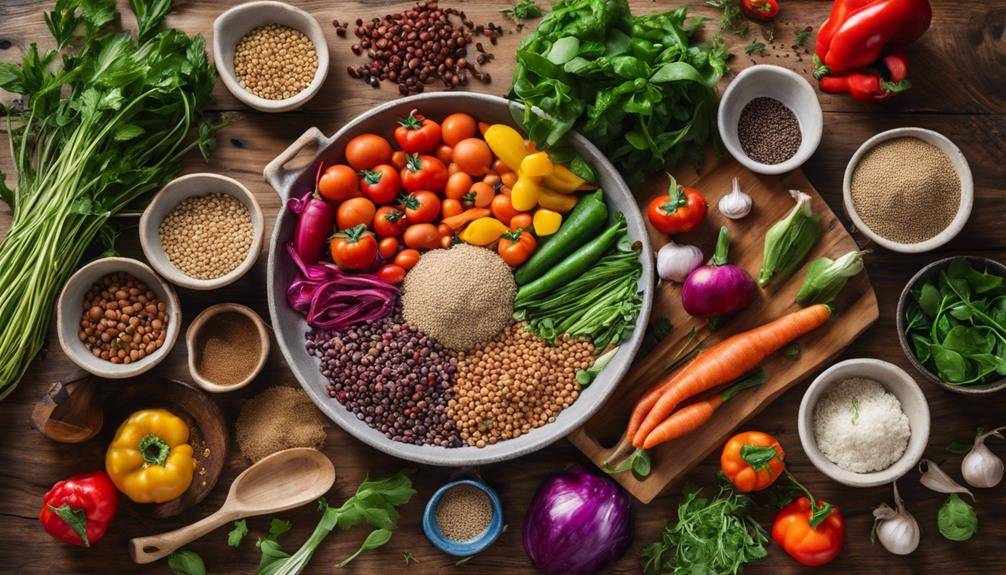
To ensure the best flavor in your dishes, always opt for fresh ingredients when cooking with herbs and spices. Fresh ingredient selection plays a crucial role in enhancing the taste and aroma of your culinary creations. When it comes to herbs and spices, using fresh ones not only adds a burst of flavor but also offers numerous health benefits.
When selecting fresh ingredients, look for vibrant colors and a strong aroma. Fresh herbs should have bright green leaves and should not appear wilted or yellowed. Similarly, spices should have a rich color and a strong, pleasant scent. By choosing fresh ingredients, you can ensure that the flavors are at their peak, making your dishes more enjoyable and satisfying.
Using fresh herbs and spices also provides a range of culinary benefits. Fresh herbs, such as basil, thyme, and rosemary, not only add depth of flavor but also offer nutritional value. They are packed with antioxidants, vitamins, and minerals that can boost your immune system and promote overall well-being. Additionally, fresh spices like turmeric, ginger, and cinnamon have anti-inflammatory properties and can aid digestion.
Understand Flavor Profiles
To create delicious and well-balanced dishes, it is important to understand flavor profiles. Start by finding the right balance between taste and aroma, ensuring that neither overpowers the other. Next, explore the art of pairing complementary flavors, such as sweet and spicy, or tangy and savory, to enhance the overall taste experience. Finally, don’t be afraid to experiment with different herbs and spices to add complexity and depth to your dishes.
Taste and Aroma Balance
Understanding flavor profiles is essential for achieving a well-balanced taste and aroma in your cooking with herbs and spices. By mastering taste and aroma pairing, you can elevate your dishes to a whole new level. Here are some tips to help you achieve the perfect balance:
- Experiment with different combinations: Try pairing herbs and spices that have complementary flavors. For example, the earthiness of thyme pairs well with the citrusy notes of lemon zest.
- Use cooking techniques to enhance flavors: Different cooking techniques can bring out different flavors in herbs and spices. Roasting intensifies their aroma, while sautéing brings out their natural oils.
- Start with small amounts: It’s better to add herbs and spices gradually to avoid overpowering your dish. You can always add more if needed.
Pairing Complementary Flavors
Experimenting with different combinations of herbs and spices can help you achieve a well-balanced taste and aroma in your cooking by pairing complementary flavors. Flavor pairing involves combining ingredients that enhance and bring out each other’s flavors, creating a harmonious and delicious dish.
When it comes to flavor pairing, it’s important to consider the cooking techniques you’ll be using. For example, if you’re grilling, try pairing bold spices like cumin and paprika with herbs like rosemary and thyme to add depth and smokiness to your dishes. If you’re sautéing, consider pairing fragrant herbs like basil and oregano with spices like garlic and chili flakes for a burst of flavor. By understanding flavor profiles and experimenting with different combinations, you can elevate your cooking to new heights.
Enhancing Dish Complexity
When considering flavor pairing, understanding the complexity of different dishes and their flavor profiles is key. By grasping the intricacies of each dish, you can enhance its presentation and create a truly memorable dining experience. Here are some tips to help you elevate your dish complexity:
- Experiment with different textures: Combine crunchy elements like toasted nuts or crispy vegetables with creamy components like a velvety sauce or whipped cheese.
- Play with contrasting flavors: Balance sweet and savory by pairing a tangy citrus dressing with a caramelized protein or a spicy chili sauce with a cooling yogurt dip.
- Get creative with plating: Use vibrant herbs and edible flowers to add pops of color and visual interest to your dish. Arrange ingredients in a visually appealing manner to make your creation truly stand out.
Experiment With Combinations
To enhance your culinary creations, don’t be afraid to mix and match different herbs and spices. Experimenting with new combinations is a great way to create unique flavors that will impress your taste buds and your guests. By combining herbs and spices that you may not typically use together, you can discover exciting new taste profiles that will elevate your dishes to a whole new level.
When experimenting with combinations, start by considering the flavor profiles of the herbs and spices you want to use. For example, if you want to create a savory dish, try combining rosemary, thyme, and garlic. These herbs work well together to enhance the natural flavors of meats and vegetables. If you’re craving something spicy, consider mixing cayenne pepper, paprika, and cumin for a bold and fiery flavor.
Don’t be afraid to get creative and think outside the box. Try adding a pinch of cinnamon to your chili or nutmeg to your pasta sauce. These unexpected combinations can add depth and complexity to your dishes, making them truly memorable.
Remember to start with small amounts when experimenting with new combinations. This way, you can taste as you go and adjust the flavors accordingly. It’s all about finding the perfect balance that suits your palate.
Store Herbs and Spices Properly
Now it’s important to understand how to store herbs and spices properly. Follow these storage tips to ensure the best quality and flavor. Additionally, know the shelf life guidelines to avoid using expired herbs and spices in your cooking.
Storage Tips
Properly storing your herbs and spices is crucial for maintaining their freshness and flavor. Here are some storage tips to help you make the most out of your herbs and spices:
- Keep them in airtight containers: This will prevent moisture from entering and keep your herbs and spices fresh for longer.
- Store them in a cool, dark place: Heat and light can cause herbs and spices to lose their flavor and potency, so it’s best to keep them away from direct sunlight and heat sources.
- Label and date your containers: This will help you keep track of when you purchased or dried your herbs and spices, ensuring you use them before they lose their potency.
Shelf Life Guidelines
After properly storing your herbs and spices, it’s important to understand the shelf life guidelines to ensure their freshness and flavor. Shelf life preservation is crucial to maintaining the quality of your herbs and spices. While dried herbs typically have a longer shelf life than fresh ones, both should be stored properly to extend their freshness. For dried herbs, it is recommended to use them within one to three years.
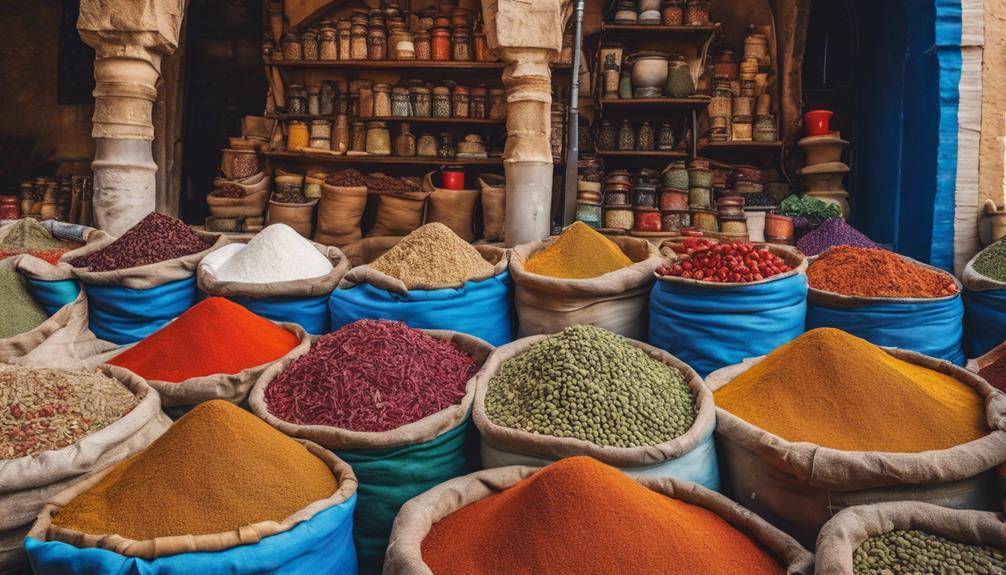
Ground spices, on the other hand, should be used within one to two years, while whole spices can last up to three years. To maximize their shelf life, store your herbs and spices in airtight containers, away from direct sunlight, heat, and moisture. Remember, using fresh, flavorful herbs and spices can greatly enhance the taste of your dishes.
Opt for Whole Spices
Enhance the flavor of your dishes by opting for whole spices in your cooking. Whole spices offer a range of benefits that can elevate your culinary creations to a whole new level. Here are some reasons why you should consider using whole spices and some techniques to make the most of them:
- Enhanced Flavor: Whole spices have a more robust flavor compared to their ground counterparts. This is because the essential oils and flavors are better preserved in their whole form. When you grind whole spices just before using them, you unlock their full potential and infuse your dishes with a burst of aromatic goodness.
- Extended Shelf Life: Whole spices have a longer shelf life compared to ground spices. This is because the volatile oils responsible for the flavor and aroma are protected by the outer shell of the spice. By opting for whole spices and grinding them as needed, you ensure that you are using fresh and potent ingredients in your cooking.
- Versatility in Cooking Techniques: Whole spices provide you with more flexibility in cooking techniques. You can use them to infuse flavors in broths and sauces, or you can toast them to enhance their aroma and flavor. From tempering in hot oil to dry roasting, whole spices allow you to experiment with various cooking techniques and add depth to your dishes.
Know the Right Time to Add
To ensure optimal flavor infusion, it is important to know the appropriate time to add whole spices to your dishes. Knowing the right techniques and practicing effective cooking time management can make a significant difference in the taste of your meals.
Adding whole spices at the right time in the cooking process allows their flavors to fully develop and blend with other ingredients. For instance, if you add spices like cumin, coriander, or cardamom too early, they may lose their aromatic essence and result in a dull flavor. On the other hand, adding them too late may not give enough time for the spices to release their flavors, leaving your dish lacking in taste.
Generally, it is recommended to add whole spices at the beginning of the cooking process. This allows them to infuse their flavors into the oil or fat used as a base, enhancing the overall taste of the dish. However, some spices, like delicate herbs such as basil or dill, are more sensitive to heat and can lose their flavor if added too early. In such cases, it is best to add them towards the end of the cooking time to preserve their freshness and vibrancy.
Additionally, certain spices, such as cinnamon sticks or bay leaves, are used for their aromatic qualities rather than their taste. These spices can be added during cooking but need to be removed before serving to prevent overpowering the dish with their fragrance.
Balance Flavors With Salt and Acid
To achieve a well-balanced dish, it is essential to carefully consider the use of salt and acid in your cooking. Salt and acid combinations can elevate the flavors of your meals and bring out the best in your herbs and spices. Here are some tips to help you achieve the perfect balance:
- Experiment with different types of salt: From sea salt to kosher salt, there are various types of salt available that can add depth and enhance the flavors of your dishes. Each type of salt has its own unique characteristics, so don’t be afraid to experiment and find the one that works best for you.
- Use acid to brighten flavors: Acidic ingredients like lemon juice, vinegar, or even a splash of wine can bring a tangy and refreshing element to your dishes. They can help balance out the richness of certain herbs and spices, making your meals more vibrant and appetizing.
- Taste and adjust: As you add salt and acid to your cooking, it’s important to taste as you go. Start with a little and gradually add more if needed. Remember, you can always add more, but you can’t take it away. By tasting and adjusting, you can ensure that the flavors are perfectly balanced.
In addition to enhancing the flavors of your dishes, using salt and acid in your cooking has health benefits as well. Salt helps to enhance the natural flavors of your ingredients, reducing the need for additional fats and oils. Acidic ingredients like lemon juice are rich in vitamin C and antioxidants, which can boost your immune system and improve digestion.
Use Herbs and Spices as Garnish
Add an extra pop of flavor and visual appeal to your dishes by using herbs and spices as a garnish. Not only do herbs and spices enhance the taste of your meals, but they also provide numerous health benefits. Incorporating them as a finishing touch to your dishes can take your cooking to the next level.
When it comes to garnishing with herbs and spices, the possibilities are endless. Get creative with your plating ideas by sprinkling chopped fresh herbs like cilantro or parsley over soups, stews, or roasted vegetables. This not only adds a burst of freshness but also adds a vibrant pop of color to your dish. For a more sophisticated touch, you can use whole sprigs of herbs as a garnish, like a sprig of rosemary on a grilled steak or a sprig of thyme on a creamy pasta dish.
Besides adding flavor and visual appeal, using herbs and spices as a garnish also offers health benefits. Many herbs and spices have been shown to possess antioxidant and anti-inflammatory properties, which can help boost your immune system and reduce the risk of chronic diseases. For example, turmeric, a popular spice with vibrant yellow color, contains curcumin, a compound known for its anti-inflammatory effects. Sprinkling a pinch of turmeric on your dishes not only adds a warm and earthy flavor but also provides potential health benefits.
Incorporate Herbs and Spices in Drinks
Enhance your beverage experience by incorporating herbs and spices into your drinks. Not only do herbs and spices add flavor and depth to your favorite beverages, but they also offer a variety of health benefits. Here are three ways you can incorporate herbs and spices into your drinks:
- Infuse your water: Add a burst of flavor to your plain water by infusing it with herbs and spices. Try adding a few sprigs of fresh mint or basil, a slice of lemon or cucumber, or a pinch of cinnamon or ginger to your water bottle. Not only will this make your water taste refreshing, but it will also provide you with the added health benefits of these herbs and spices.
- Create herbal infused cocktails: Take your cocktails to the next level by incorporating herbs and spices. Muddle fresh herbs like rosemary, thyme, or lavender with your favorite spirits to create unique and flavorful cocktails. You can also make herbal syrups by simmering herbs and spices with sugar and water, then use them to sweeten your drinks. Experiment with different combinations to find your perfect herbal-infused cocktail.
- Spice up your hot beverages: Transform your hot beverages into comforting and aromatic treats by adding herbs and spices. Sprinkle a dash of cinnamon or nutmeg into your coffee or hot chocolate for a cozy and warming flavor. You can also steep herbal tea with fresh herbs like chamomile, peppermint, or lemongrass for a soothing and fragrant drink.
Frequently Asked Questions: Tips For Easy Cooking With Herbs And Spices
Can I Use Dried Herbs Instead of Fresh Herbs in My Cooking?
Yes, you can use dried herbs instead of fresh herbs in your cooking. The pros are that dried herbs have a longer shelf life and are more convenient. However, fresh herbs generally have a stronger flavor and aroma. To maintain their freshness and flavor, store herbs and spices in a cool, dark place.
How Long Can I Store Herbs and Spices Before They Go Bad?
You should store herbs and spices properly to preserve freshness. Follow these storage tips to ensure they don’t go bad: keep them in airtight containers, away from heat and sunlight, and check their expiration dates regularly.
Are There Any Herbs or Spices That Should Not Be Combined Together?
When combining herbs and spices for different flavor profiles, it’s important to know which ones don’t mix well. Check out our guide for tips on how to properly store herbs and spices to keep them fresh.
Can I Use Ground Spices Instead of Whole Spices in My Recipes?
Yes, you can use ground spices instead of whole spices in your recipes. However, using whole spices has its benefits, like better flavor and aroma. Experiment with both to find what works best for you.
What Are Some Common Herbs and Spices That Can Be Used as Natural Remedies for Common Ailments?
Looking for natural remedies for common ailments? Herbs and spices can help! Incorporate stress-relieving herbs like lavender and chamomile into your routine. Enjoy the benefits of using these ingredients in everyday cooking.

Conclusion
Incorporating herbs and spices into your cooking not only adds flavor and depth to your meals, but also brings numerous health benefits. By choosing fresh ingredients, understanding flavor profiles, and experimenting with combinations, you can create delicious and nutritious dishes. Properly storing herbs and spices, using whole spices, and knowing the right time to add them will ensure their full flavor is infused into your food. Don’t forget to balance flavors with salt and acid, use herbs and spices as garnish, and even incorporate them into your drinks for a truly flavorful experience.
If you enjoyed exploring this topic and want to dive even deeper, be sure to check out some of our other articles here on Infinite Flavors. From rich culinary histories to creative twists on classic recipes, there’s always something new to discover. Whether you’re curious about the origins of a dish, looking for fresh inspiration in the kitchen, or simply love learning about food culture, our collection of posts is the perfect next step on your flavor journey.
What Great Spices Should Beginners Start Cooking With
What Great Spices Are Perfect For Seafood Dishes
Great Fresh Vs Dried Spices A Culinary Exploration