Tips For Gratinating In A Toaster Oven
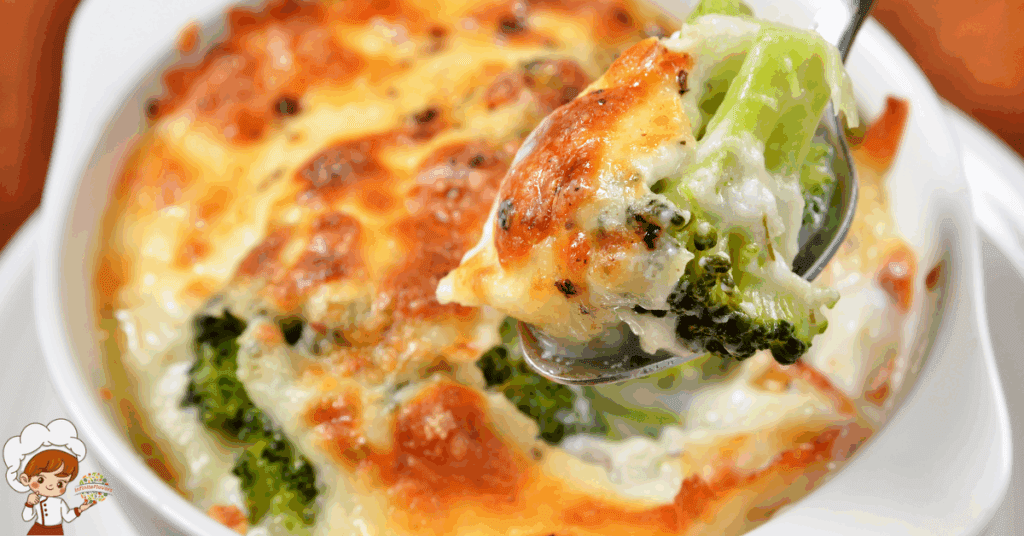
Tips For Gratinating In A Toaster Oven; To gratinate in a toaster oven, start by selecting an oven-safe dish that fits comfortably inside. Preheat your oven to 375°F to 400°F for even cooking. Use fresh, high-quality ingredients for the best flavor. Layer your dish properly and choose a crunchy topping like panko or cheese. Keep an eye on the dish, adjusting cooking times as toaster ovens often cook quicker than traditional ones. If the top isn’t browning as desired, boost the temperature briefly. With these tips, you’ll achieve a deliciously crispy dish. There’s so much more to explore about maximizing your toaster oven’s potential!
Choose the Right Dish
When you’re ready to gratin in your toaster oven, picking the right dish is vital. A good gratin dish guarantees even cooking and proper browning, so you want to focus on materials that can withstand the heat. Look for oven safe materials like ceramic, glass, or metal. These choices not only hold up well in high temperatures but also distribute heat evenly, which is essential for that perfectly golden crust.
You’ll want to avoid using plastic or any non-oven safe materials, as they can warp or melt in the toaster oven. A dish that’s too small might result in uneven cooking, while one that’s too large can lead to spilling and mess. Ideally, select a gratin dish that fits comfortably within your toaster oven without touching the sides, guaranteeing proper airflow around it.
Consider the shape of your gratin dish as well. A wider, shallow dish allows for a larger surface area, promoting that coveted crispy top layer. Conversely, a deeper dish may trap moisture, preventing the top from achieving that desired crunch. Make sure the dish has sturdy handles or edges for easy removal from the toaster oven.
Preheat Your Toaster Oven
Preheating your toaster oven is an essential step for achieving that perfect gratin. It guarantees your dish starts cooking evenly from the moment you place it inside. To get the best results, you’ll want to set your toaster oven to the right temperature—typically around 375°F to 400°F for gratins. Make sure to check your specific recipe for any temperature variations.
The preheat duration usually lasts about 10 to 15 minutes, depending on your toaster oven settings. A well-preheated oven will help create that golden, bubbly top that everyone loves. It’s a good idea to give your toaster oven enough time to reach the desired temperature. You can use this time to prepare your ingredients and get everything ready for baking.
When preheating, keep an eye on the indicator light or sound from your toaster oven, signaling it’s ready. Some models might have a preheat function that helps with this process, guaranteeing you don’t have to guess.
Skipping the preheating step might lead to uneven cooking, resulting in a soggy bottom or undercooked ingredients. So, take a moment to verify you’ve got that right temperature before placing your dish inside. By preheating your toaster oven properly, you’ll set yourself up for success and have a delicious gratin to enjoy in no time.
Select Quality Ingredients
When you’re gratin-ing, the quality of your ingredients can make all the difference. Fresh vegetables bring vibrant flavor, while choosing the right cheese enhances texture and richness. Don’t forget about herbs and spices—they can elevate your dish from good to extraordinary.
Fresh Vegetables Matter
Selecting fresh vegetables is essential for achieving the best gratin results. When you choose seasonal vegetables, you not only enhance the dish’s flavor profiles but also support local agriculture. Fresh produce brings vibrant color variety to your gratin, making it visually appealing and exciting to eat.
Consider the texture contrasts between different vegetables. For instance, combining tender zucchini with crunchy bell peppers creates a satisfying bite. Use various preparation techniques, like sautéing or blanching, to elevate the vegetables’ flavors before layering them in your dish.
Don’t forget the nutritional benefits! Fresh vegetables are packed with vitamins and minerals, making your gratin not just delicious but also healthy. When selecting your ingredient combinations, think about how different vegetables complement each other. For example, pairing earthy mushrooms with sweet carrots can create a delightful balance.
Lastly, explore different cooking methods. Roasting your vegetables prior to gratin preparation can intensify their flavors and enhance texture. By focusing on fresh, seasonal vegetables, you’ll set the stage for a truly outstanding gratin that’s bursting with flavor and goodness.
Cheese Selection Tips
Quality cheese is essential for a gratin that truly shines. Start by exploring different cheese types to find the ones that suit your dish. Consider flavor profiles: a bold cheddar adds a robust kick, while a creamy Gruyère offers a more subtle taste. Melting points are vital, too; you want cheeses that melt beautifully without becoming greasy.
Don’t overlook texture variations. A combination of cheeses can create a delightful contrast, enhancing your gratin’s overall appeal. Also, take note of aging effects—aged cheeses tend to have stronger flavors, which can elevate your dish.
Regional cheeses can provide unique touches; think about using a local favorite to support artisanship while adding character. If you’re looking for dairy alternatives, options like cashew or almond-based cheeses can work well, especially for those with dietary restrictions.
Seasonal cheeses can also inspire you. Visit your local market to discover what’s fresh and available. Finally, proper cheese storage is key—keep your cheese in an airtight container in the fridge to maintain its quality. With these cheese selection tips, you’re on your way to creating a gratin that’s not just good, but unforgettable.
Herb and Spice Choices
The right herbs and spices can elevate your gratin, complementing the flavors of your chosen cheeses perfectly. Start by exploring herb combinations that enhance your dish’s flavor profile. Fresh herbs like thyme, rosemary, and parsley can bring a bright, aromatic quality, while dried spices like paprika or nutmeg add depth.
Consider using spice blends that suit your taste; Italian seasoning or herbes de Provence can provide a well-rounded flavor. When mixing your herbs and spices, pay attention to herb ratios. A balanced approach guarantees no single flavor overpowers the others.
Utilize various seasoning techniques, such as infusing oils with garlic and herbs or incorporating them directly into your cheese mixture. This adds layers of flavor that make your gratin irresistible.
Don’t forget to adjust your seasoning to match the ingredients in your gratin. For instance, heartier vegetables might pair well with stronger spices, while milder options work better with delicate herbs. Experiment with different combinations, and don’t hesitate to taste as you go. With the right choices, your gratin will become a standout dish everyone will love.
Master the Gratin Topping
To create a perfect gratin topping, you need to focus on the right combination of ingredients and techniques. Start by choosing a base that’ll complement your dish, like breadcrumbs, cheese, or a mix of both. For a classic touch, use panko breadcrumbs for extra crunch, or go for a layer of finely grated cheese that melts beautifully. If you want to experiment with topping variations, consider mixing in herbs, spices, or even nuts for added flavor and texture.
When it comes to gratin techniques, layering is key. Begin with a generous layer of your chosen topping, ensuring it covers the dish evenly. Then, lightly press it down to create a cohesive layer. This helps your topping brown uniformly, preventing it from burning in spots while leaving other areas undercooked. Don’t forget to drizzle a little olive oil or melted butter over the top before cooking; this adds richness and assists with browning.
If you’re using cheese, a blend of different types can elevate your gratin. Combining sharp cheddar with nutty Gruyère or creamy mozzarella creates a depth of flavor that’s hard to resist. Finally, remember that less can be more; a well-balanced topping enhances the dish without overwhelming it. Mastering these techniques and variations will set you on the path to achieving a deliciously crispy and golden gratin topping that’ll impress your guests and elevate your meal.
Adjust Cooking Times
When you’re gratinating in a toaster oven, adjusting cooking times is essential for the best results. Preheating your oven guarantees even cooking, while closely monitoring the texture helps you avoid over-browning. Don’t forget to tweak the temperature settings as needed to achieve that perfect golden crust.
Preheat for Even Cooking
Preheating your toaster oven guarantees that heat is evenly distributed, preventing uneven cooking and browning. When you set your oven temperature, allow it to reach the desired heat before placing your dish inside. This step is vital for achieving that perfect gratin crust you’re after. If you skip preheating, you might find that the top browns too quickly while the inside remains undercooked.
Adjusting cooking time is also essential when you preheat. Since the oven’s already at the right temperature, your dish will cook more evenly and efficiently. For instance, if a recipe calls for 30 minutes of cooking time in a conventional oven, you might need to reduce that slightly in a toaster oven since they often cook faster. Keep an eye on your dish as it cooks, but rest assured that preheating sets you up for success.
Don’t forget to use an oven thermometer to verify accuracy in your oven temperature. It’s a small investment that can make a significant difference in your cooking experience. With these tips, you’ll be ready to enjoy perfectly gratinated dishes every time.
Monitor Texture Closely
Keep an eye on your dish as it cooks, because monitoring texture closely is vital for achieving that perfect gratin. The beauty of gratin lies in its texture variations, which can elevate a simple dish into something extraordinary. As you use different cooking techniques, take note of how the top layer begins to brown and bubble. This is a sign that your gratin is reaching that delightful crispiness you desire.
You’ll want to check the texture periodically. If it’s still too soft or undercooked, give it a little more time. Remember, toaster ovens can cook unevenly, so rotating the dish halfway through can guarantee consistent results. If you notice the edges browning faster than the center, consider covering those areas with foil to prevent burning while the rest finishes cooking.
Ultimately, trust your instincts. Each dish and ingredient has its own unique cooking time. By keeping a close watch on the texture, you’ll know when it’s perfectly done. Achieving that golden, crusty top while maintaining a tender interior is what makes your gratin a standout dish.
Adjust Temperature Settings
Often, adjusting temperature settings is essential for perfecting your gratin in a toaster oven. The right temperature can make all the difference in achieving that golden, bubbly top while ensuring the inside cooks evenly. Generally, you’ll want to set your toaster oven to around 375°F to 400°F. However, keep in mind that toaster ovens can vary in heat distribution, so it’s wise to monitor your dish closely.
If you notice that the top isn’t browning as you’d like, you can boost the temperature for the final few minutes. Conversely, if the gratin is cooking too quickly, lower the heat to prevent burning. Remember to check your oven’s specific settings; some models have convection features that might require adjustments in cooking times.
Don’t forget to rotate the dish halfway through cooking. This helps with even heat distribution, ensuring that every part of your gratin gets the attention it needs. Ultimately, using a thermometer can help you determine when your dish reaches the desired internal temperature, giving you the confidence to serve a perfectly gratinated meal.
Monitor Browning Closely
When you’re gratin-ing in a toaster oven, monitoring the browning closely is essential for achieving that perfect, golden top. You’ve got to pay attention to various factors like cooking times and surface temperature, as these can greatly affect the outcome. Start by selecting the right toasting settings; some toaster ovens have specific gratin functions that can help, but you’ll still need to keep an eye on things.
Utilize visual cues as your dish cooks. Look for color indicators that signal when your gratin is nearing that ideal shade. If you notice the edges starting to darken more quickly than the center, it might be time to adjust your ingredient placement or even rotate the dish for uniform browning.
Employ effective browning techniques, such as layering methods: distribute the ingredients evenly and consider the thickness of each layer. Thinner layers tend to cook faster, so keep that in mind when setting your cooking times. If you’re using cheese, remember that different types melt and brown at varying rates, impacting your dish’s overall appearance.
Lastly, don’t hesitate to check on your gratin regularly. A quick peek can save you from burnt edges or uneven browning, ensuring that your dish turns out looking as delicious as it tastes. With careful monitoring, you’ll master the art of gratin-ing in no time!
Experiment With Flavors
Gratinating in a toaster oven offers a fantastic opportunity to experiment with flavors that can elevate your dish beyond the traditional. You can create unique combinations that excite the palate by mixing diverse ingredients and cooking techniques. Start by considering seasonal ingredients; they not only enhance freshness but also provide vibrant flavor profiles that change with the seasons.
Think about texture contrasts, too. Pair creamy cheeses with crispy breadcrumbs or roasted vegetables for a delightful crunch. This balance adds depth to your dish, making each bite more enjoyable. Don’t shy away from exploring cultural inspirations; try incorporating spices or herbs from different cuisines. For instance, a sprinkle of za’atar can transform a simple gratin into a Middle Eastern delight.
When you’re selecting your ingredient pairings, focus on taste balancing. You might find that a hint of acidity, like a squeeze of lemon, can brighten rich flavors or that a touch of sweetness from caramelized onions can round out savory notes. Pay attention to the tasting notes of each ingredient, as understanding their characteristics can guide your experiments.
Clean Up Effectively
After you’ve enjoyed your deliciously gratinated dish, it’s time to tackle the cleanup. You might think this part’s a hassle, but with the right approach, it can be quick and painless. Start by gathering your cleaning tools: a sponge, dish soap, and a non-abrasive scrubber. These will help you efficiently deal with any mess left behind.
First, let your toaster oven cool down before diving into cleaning. This prevents burns and makes it easier to wipe away any grease or cheese that’s stuck. If you’ve had a particularly cheesy gratin, you might need to soak the removable parts in warm, soapy water for a few minutes. This way, the residue lifts off, saving you time and effort.
For spill prevention in the future, consider using a baking tray or parchment paper under your gratin dish. It catches any drips and makes cleaning a breeze. When you’re ready to clean, simply remove the tray and wash it separately.
Don’t forget to wipe down the exterior of your toaster oven too. A damp cloth with a bit of dish soap can easily remove any splatters. If you notice any stubborn stains, a gentle scrubber works wonders without scratching the surface.
Frequently Asked Questions: Tips For Gratinating In A Toaster Oven
Can I Use Frozen Ingredients for Gratin in a Toaster Oven?
Yes, you can use frozen vegetables for gratin in a toaster oven. Just remember to adjust cooking times since frozen ingredients may need a bit longer to cook through and achieve that perfect, bubbling finish.
What Type of Cheese Works Best for Gratin Toppings?
For gratin toppings, you’ll love using cheese varieties like Gruyère, cheddar, or mozzarella. They melt beautifully and create delightful flavor combinations. Experimenting with different cheeses will elevate your dish to a whole new level!
How Can I Prevent My Gratin From Burning?
To prevent your gratin from burning, use effective gratin techniques. Layering ingredients properly and covering the dish with foil initially can help. Remove the cover toward the end to achieve that perfect golden-brown finish.
Is It Safe to Use Aluminum Foil in a Toaster Oven?
Yes, it’s generally safe to use aluminum foil in a toaster oven. Just make sure it doesn’t touch the heating elements. Follow toaster oven tips, and you’ll avoid potential hazards while cooking your favorite dishes.
Can I Gratin Multiple Dishes at Once in a Toaster Oven?
You can gratin multiple dishes in a toaster oven, but consider its capacity. Stacking multiple gratin layers might affect even cooking. Guarantee airflow around each dish for the best results and avoid overcrowding the oven.

Conclusion
Gratinating in a toaster oven can be a game-changer for your cooking. By choosing the right dish, preheating properly, and using quality ingredients, you’re setting yourself up for success. Don’t forget to master that topping and keep an eye on the browning to get the perfect crisp. Feel free to experiment with flavors to make your dish unique. With these tips in hand, you’ll enjoy delicious gratins with minimal hassle. Happy cooking!
If you enjoyed exploring this topic and want to dive even deeper, be sure to check out some of our other articles here on Infinite Flavors. From rich culinary histories to creative twists on classic recipes, there’s always something new to discover. Whether you’re curious about the origins of a dish, looking for fresh inspiration in the kitchen, or simply love learning about food culture, our collection of posts is the perfect next step on your flavor journey.
The Amazing Benefits Of Roasting Food Over Frying
All About Gratinating Vs Roasting: Which Is Better
Nutritional Value Of Gratinated Foods