11 Great Tips For Perfectly Pan-Seared Salmon Fillets
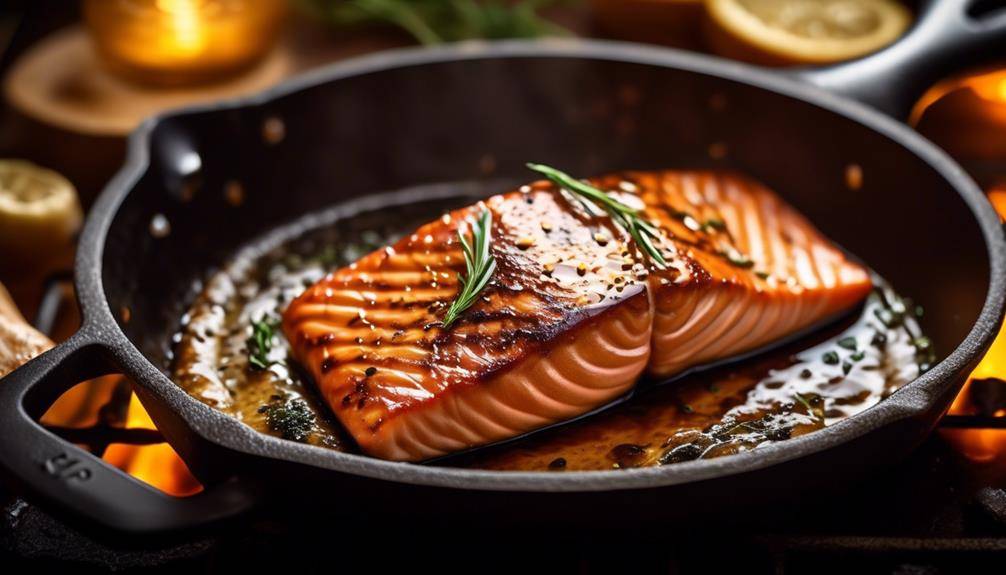
Tips For Perfectly Pan-Seared Salmon Fillets; Are you tired of ending up with lackluster, overcooked salmon fillets every time you attempt to pan-sear them? Well, fear not, because we have 11 tips that will revolutionize your salmon-cooking game. From choosing the freshest fillets to mastering the art of flipping, these tips will have you impressing even the most discerning seafood enthusiasts. So, grab your skillet and get ready to elevate your salmon to a whole new level of perfection.
Choose the Freshest Salmon Fillets
To ensure a perfect pan-seared salmon fillet, start by selecting the freshest piece of fish available to you. Choosing sustainable options for your salmon is not only better for the environment, but it also ensures that you are getting the highest quality fish. When selecting your salmon, look for fillets that have a vibrant color, ranging from pink to deep orange. Avoid fillets with any discoloration or dullness, as this can indicate that the fish is not fresh.
Handling and storing salmon properly is crucial to maintaining its freshness. When purchasing your salmon fillet, make sure it is kept at a cold temperature and that it is properly packaged to prevent any contamination. Once you bring it home, store it in the coldest part of your refrigerator, ideally at a temperature of 32°F to 38°F. It is important to keep the salmon fillet wrapped tightly in plastic wrap or in an airtight container to prevent any exposure to air, which can cause the fish to spoil.
When you’re ready to cook your salmon, give it a quick inspection. Check for any bones that may have been missed during the filleting process and remove them with a pair of tweezers. Pat the fillet dry with paper towels to ensure a crispy sear and season it with salt and pepper.
Pat the Fillets Dry Before Cooking
Before cooking your salmon fillets, it is essential to ensure that they are thoroughly patted dry. Preparing the salmon properly is crucial for achieving a golden crust and locking in the flavors. Here are three reasons why patting the fillets dry is so important:
- Promotes even browning: Moisture on the surface of the fillets can hinder the development of a beautiful golden crust. By patting the fillets dry, you remove excess moisture, allowing the heat to evenly distribute and sear the flesh.
- Enhances texture: A dry surface helps create a crisp exterior while keeping the flesh moist and tender on the inside. By removing any excess moisture, you increase the chances of achieving that perfect balance of textures.
- Prevents sticking: Moisture can cause the salmon fillets to stick to the pan, making it difficult to flip them without damaging the crust. By patting the fillets dry, you reduce the chances of them sticking, allowing for easy and seamless flipping.
To pat the fillets dry, start by using paper towels or a clean kitchen towel. Gently press the towels onto the fillets, absorbing any moisture. Be thorough but gentle to avoid breaking the delicate flesh. Once the fillets are dry, you can proceed with seasoning and cooking them.
Season the Fillets Generously
Now that you have patted your salmon fillets dry, it’s time to enhance their flavor and texture by generously seasoning them. Seasoning is a crucial step in achieving perfectly pan-seared salmon fillets that are bursting with deliciousness. By generously seasoning your fillets, you not only add depth and complexity to the flavor but also create a beautiful crust on the outside.
To generously season your salmon fillets, start by sprinkling them with salt and freshly ground black pepper. This simple combination helps to bring out the natural flavors of the fish. However, don’t be afraid to experiment with different flavor variations. You can add a pinch of cayenne pepper for a subtle heat, or a dash of paprika for a smoky undertone. For a citrusy twist, try grating some lemon zest over the fillets. The options are endless, so feel free to get creative and tailor the seasoning to your taste preferences.
When seasoning, be sure to coat both sides of the fillets evenly. This ensures that every bite is packed with flavor. Gently press the seasoning into the flesh of the salmon to help it adhere better. Allow the fillets to sit for a few minutes before cooking, as this allows the flavors to meld together and penetrate the fish.
Preheat Your Skillet Properly
Ensure that your skillet is properly preheated for optimal results when pan-searing your salmon fillets. Proper skillet heating is crucial in achieving a perfectly seared exterior while maintaining a moist and tender interior. Here are three important reasons why preheating your skillet is essential:
- Even cooking: Preheating the skillet ensures that the heat is evenly distributed across its surface. This helps in achieving an even sear on the salmon fillets, preventing any part from being overcooked or undercooked. Without proper preheating, you risk ending up with unevenly cooked fillets, with some parts being dry and others undercooked.
- Crispy exterior: When the skillet is properly preheated, it allows the salmon fillets to quickly form a deliciously crispy crust. This crust adds a delightful texture and enhances the overall taste of the dish. Preheating the skillet also prevents the salmon from sticking to the pan, making it easier to flip and remove the fillets without any hassle.
- Time efficiency: Preheating your skillet saves you valuable time in the cooking process. A properly preheated skillet reduces the amount of time needed to sear the salmon fillets, ensuring that they cook quickly and evenly. This is especially important when you want to achieve a beautifully golden brown crust while keeping the fillets moist and tender.
To properly preheat your skillet, place it over medium-high heat and allow it to warm up for a few minutes. You can test if the skillet is hot enough by sprinkling a few drops of water on its surface. If the water sizzles and evaporates almost instantly, your skillet is ready to go. By ensuring proper skillet heating, you set the stage for perfectly pan-seared salmon fillets that are both visually appealing and incredibly delicious.
Use the Right Type of Oil
To achieve the perfect pan-seared salmon fillets, it is crucial to use the right type of oil. The best cooking oils for this method are those with high smoke points, such as avocado oil, grapeseed oil, or canola oil. These oils can withstand the high heat required for searing without burning or imparting a bitter taste to the fish.
Best Cooking Oils
Using the right type of cooking oil is essential for achieving perfect pan-seared salmon fillets. The choice of oil can greatly impact the flavor and texture of the fish. Here are three of the best cooking oils to use for pan-searing salmon:
- Extra virgin olive oil: Known for its health benefits, extra virgin olive oil adds a rich, fruity flavor to the salmon. Its high smoke point makes it ideal for high-heat cooking methods like pan-searing.
- Avocado oil: With its mild flavor and high smoke point, avocado oil is another great option. It contains heart-healthy monounsaturated fats and can withstand high temperatures without breaking down or becoming rancid.
- Coconut oil: Although it has a distinct flavor, coconut oil can give your salmon a delightful tropical twist. It has a high smoke point and adds a subtle sweetness to the fish.
Choose from these healthy and alternative cooking oils to enhance the taste and texture of your pan-seared salmon fillets.
Oil Temperature Control
For optimal control over oil temperature when pan-searing salmon fillets, selecting the appropriate cooking oil is crucial. The right oil will help you achieve the perfect sear on your salmon, ensuring it remains tender and moist on the inside while developing a crispy, golden crust on the outside. When it comes to oil temperature control, you want an oil with a high smoke point. This means it can withstand high heat without breaking down and smoking.
Oils like avocado oil, grapeseed oil, and canola oil are great options for pan-searing salmon fillets. They have high smoke points and neutral flavors that won’t overpower the delicate taste of the fish. By choosing the right oil, you can maintain the ideal temperature and achieve a beautiful sear on your salmon fillets.
Oil Smoking Point
When selecting the right type of oil for pan-searing salmon fillets, it is crucial to consider the oil’s smoking point to ensure a perfect sear without any risk of burning or smoking. Here are three key factors to keep in mind when choosing the best oil for high heat cooking:
- Smoking Point: The smoking point of an oil refers to the temperature at which it starts to break down and produce smoke. For pan-searing salmon, it is important to use an oil with a high smoking point, such as avocado oil or refined safflower oil. These oils can withstand the high heat required for a perfect sear without burning or smoking.
- Neutral Flavor: When pan-searing salmon, you want the natural flavors of the fish to shine through. Opt for oils with a neutral flavor, like canola oil or grapeseed oil. These oils won’t overpower the delicate taste of the salmon and will allow it to be the star of the dish.
- Health Considerations: In addition to smoking point and flavor, it’s essential to choose oils that are heart-healthy and low in saturated fats. Olive oil and peanut oil are excellent choices, as they contain monounsaturated fats that can benefit your cardiovascular health.
Place the Fillets Skin-Side Down in the Skillet
When searing your salmon fillets, it is crucial to place them skin-side down in the skillet. This technique ensures a crispy texture on the skin while allowing for even heat distribution, resulting in perfectly cooked fish. Additionally, placing the skin-side down helps prevent the fillets from sticking to the skillet and tearing apart when flipping them over.
Skin-Side for Crispy Texture
To achieve a perfectly crispy texture on your salmon fillets, expertly sear them skin-side down in a hot skillet. This technique allows the skin to become golden brown and crispy while protecting the delicate flesh from direct heat. Here are three reasons why cooking the fillets skin-side down is essential for achieving that desired crunch:
- Crispy Skin: Placing the fillets skin-side down in the skillet ensures that the skin is in direct contact with the heat source. This allows the skin to crisp up, creating a delightful contrast in texture with the tender flesh.
- Even Cooking: Cooking the salmon with the skin-side down helps distribute the heat evenly. The skin acts as a protective barrier, preventing the flesh from overcooking while the skin becomes beautifully crispy.
- Reduced Cooking Time: By searing the fillets skin-side down, you can shorten the cooking time. The direct heat on the skin speeds up the cooking process, ensuring that the salmon is cooked through without being overdone.
Even Heat Distribution
Achieving even heat distribution is crucial when searing salmon fillets to perfection, and the key to accomplishing this is by placing the fillets skin-side down in the skillet. This method allows for better heat control and ensures that the fish cooks evenly. When the fillets are placed skin-side down, the skin acts as a protective barrier, preventing the direct contact of the flesh with the hot surface of the skillet. This helps to distribute the heat more evenly throughout the fillet, resulting in a consistent and beautifully seared exterior.
Additionally, cooking time is also affected by the even heat distribution. When the heat is evenly distributed, the fillets cook at a steady rate, preventing the risk of overcooking or undercooking. So, remember to always place your salmon fillets skin-side down for perfectly seared results.
Prevent Sticking and Tearing
To prevent sticking and tearing when searing salmon fillets, ensure to place them skin-side down in the skillet. This cooking technique not only helps to prevent the delicate flesh from sticking to the pan but also allows the skin to crisp up beautifully. Here are three important reasons why placing the fillets skin-side down is crucial in achieving perfectly seared salmon:
- Protects the flesh: The skin acts as a protective barrier between the delicate flesh and the hot surface of the skillet, preventing it from direct contact and reducing the risk of tearing or sticking.
- Enhances flavor and texture: By searing the skin first, you create a delicious crispy texture that adds depth and contrast to the tender and flaky salmon fillet.
- Promotes even cooking: Placing the fillets skin-side down ensures that the heat is evenly distributed, allowing the salmon to cook more evenly and preventing overcooking on one side.
Allow the Fillets to Cook Undisturbed
For perfectly cooked salmon fillets, it is crucial to resist the temptation to constantly flip or move them around while they cook. Allowing the fillets to cook undisturbed is key to achieving the perfect sear and ensuring that they cook evenly and develop a beautiful golden crust.
When you place the salmon fillets in the hot skillet, make sure to give them enough space so they’re not overcrowded. This will help them sear properly and prevent them from sticking to each other. Once the fillets are in the skillet, let them cook without touching them for about 3-4 minutes. This will allow the heat to penetrate the fillets, resulting in a nice caramelization on the surface.
During this cooking time, it’s important to resist the urge to move or flip the fillets. Moving them too soon can cause them to tear or stick to the skillet. If you try to flip the fillets and they resist, it means they haven’t developed a proper crust yet. Give them a little more time to cook until they release easily from the skillet.
To ensure that the fillets don’t stick to the skillet, make sure it is adequately preheated and that you’re using a non-stick or well-seasoned skillet. If you’re still having trouble with sticking, you can try lightly oiling the skillet before adding the fillets. This will create a barrier between the fillets and the pan, preventing them from sticking.
Flip the Fillets Once to Ensure Even Cooking
Once the salmon fillets have developed a beautiful golden crust on one side, it’s time to flip them to ensure even cooking. Flipping the fillets requires a gentle touch and precise technique to achieve a perfect sear. Here are three essential flipping techniques to help you master the art of cooking salmon fillets:
- Use a fish spatula: A fish spatula is a thin, flexible spatula specifically designed for flipping delicate fish fillets. Its thin edge easily slips underneath the fillet without damaging the crust. Gently slide the spatula under the salmon, supporting it with your fingers, and carefully flip it over in one swift motion.
- Timing is key: Wait until the salmon easily releases from the pan before attempting to flip it. If it’s sticking, give it a few more seconds to develop a crispy crust. When the fillet is ready to be flipped, it should easily slide off the pan with minimal resistance.
- Be gentle: When flipping the fillets, be cautious not to apply too much pressure, as it can cause the delicate flesh to break apart. Use a gentle touch and let gravity do most of the work. Allow the fillet to fall back into the pan, ensuring it lands on the other side without disturbing the crust.
Cook the Fillets Until They Reach the Desired Doneness
To achieve the perfect doneness for your salmon fillets, carefully monitor their cooking time and internal temperature. Cooking salmon to the desired doneness is crucial for a delicious and enjoyable dining experience. The doneness levels can vary from rare to well-done, depending on your personal preference.
To check the doneness of your salmon fillets, you can use a meat thermometer. Insert the thermometer into the thickest part of the fillet, making sure not to touch the bone. For rare salmon, the internal temperature should be around 120°F (49°C). For medium-rare, aim for 130°F (54°C). If you prefer your salmon to be cooked medium, the internal temperature should reach 140°F (60°C). For a well-done fillet, the temperature should be around 150°F (66°C).
Remember that the cooking time will vary depending on the thickness of your fillets. Thinner fillets will cook faster, while thicker ones will take more time. It is essential to adjust the cooking time accordingly and keep a close eye on the internal temperature to avoid overcooking or undercooking the fish.
As the salmon cooks, you can visually check the doneness by observing the color and texture. The flesh should turn from translucent to opaque, and it should flake easily with a fork. However, relying solely on visual cues may not provide precise results, so using a meat thermometer is highly recommended.
Rest the Cooked Fillets Before Serving
After achieving the desired doneness for your salmon fillets, it is important to allow them to rest before serving to ensure optimal flavor and texture. Resting time allows the juices to redistribute throughout the fillets, resulting in a more succulent and tender final product. Here are three reasons why resting your cooked salmon fillets is crucial:
- Locks in Moisture: Resting the fillets allows the moisture to redistribute evenly, preventing the salmon from becoming dry. As the fillets rest, the heat from the cooking process continues to gently cook the fish, while the juices settle back into the flesh. This extra time ensures that every bite of your salmon remains juicy and flavorful.
- Enhances Flavor: Resting also allows the flavors of the seasoning and marinade to fully infuse the salmon. As the fillets sit, the flavors intensify and meld together, creating a more harmonious taste. This step is especially crucial if you have marinated the fillets beforehand, as it gives the flavors a chance to develop and penetrate the fish.
- Improves Texture: Resting the cooked salmon fillets helps to achieve a perfect texture. During the resting time, the proteins in the fish continue to firm up, resulting in a tender yet firm texture. This step also allows the fish to cool slightly, making it easier to handle and serve without falling apart.
Serve the Pan-Seared Salmon Fillets With Your Favorite Accompaniments
For a satisfying meal, pair your perfectly cooked pan-seared salmon fillets with your favorite accompaniments. Choosing the right side dishes can enhance the flavors of the salmon and create a well-balanced meal. Whether you prefer a light and refreshing salad or a hearty grain pilaf, there are endless options to complement your salmon.
One popular choice is to serve the salmon with a fresh mixed green salad. The crispness of the vegetables and the tanginess of the vinaigrette provide a refreshing contrast to the richness of the salmon. Adding some cherry tomatoes, sliced cucumbers, and avocado can bring additional flavors and textures to the dish.
If you’re looking for something heartier, consider serving the salmon with a side of roasted vegetables. Roasting vegetables such as asparagus, Brussels sprouts, or sweet potatoes brings out their natural sweetness and adds a delicious caramelized flavor. Drizzle them with olive oil, sprinkle with salt and pepper, and roast them in the oven until they are tender and slightly charred.
Another option is to pair the salmon with a flavorful grain pilaf. Quinoa, brown rice, or couscous are all excellent choices. Cook the grains according to the package instructions and then add some sautéed onions, garlic, and herbs for added depth of flavor. You can also toss in some toasted nuts or dried fruits for a touch of sweetness.
If you’re open to alternative cooking methods, consider grilling or baking the salmon instead of pan-searing. Grilling gives the salmon a smoky flavor and creates beautiful grill marks, while baking allows for a more hands-off approach and ensures even cooking throughout.
Frequently Asked Questions: Tips For Perfectly Pan-Seared Salmon Fillets
How Do I Choose the Freshest Salmon Fillets?
To choose the freshest salmon fillets, look for firm flesh, bright color, and a clean, oceanic smell. Store the fillets in the coldest part of your refrigerator, wrapped tightly in plastic wrap, for up to two days.
Why Is It Important to Pat the Fillets Dry Before Cooking?
It’s important to pat the fillets dry before cooking because it helps to remove any excess moisture, allowing for a better sear. By using a paper towel, you can also ensure that the seasoning sticks to the salmon properly.
What Type of Oil Should I Use for Pan-Searing Salmon Fillets?
For perfectly pan-seared salmon fillets, the best cooking technique is to use a high smoke point oil like avocado or grapeseed oil. These alternatives are ideal for achieving a crispy and flavorful crust on the fish.
How Long Should I Let the Fillets Cook Undisturbed?
Let the fillets cook undisturbed for about 4-6 minutes, depending on their thickness. This will ensure a beautiful golden crust. Use a thin spatula and a quick, confident flipping technique to turn them over.
What Are Some Recommended Accompaniments to Serve With Pan-Seared Salmon Fillets?
When serving pan-seared salmon fillets, there are numerous side dish options that can complement the dish perfectly. Some recommended accompaniments include roasted asparagus, lemon-infused couscous, or a fresh arugula salad. For added flavor, consider drizzling the salmon with a tangy balsamic glaze or a creamy dill sauce.

Conclusion
In conclusion, by following these 11 tips, you can achieve perfectly pan-seared salmon fillets every time. Choosing fresh fillets, patting them dry, seasoning generously, and preheating the skillet properly are crucial steps. Using the right type of oil and flipping the fillets once ensures even cooking. Cook the fillets until they reach the desired doneness, then let them rest before serving with your favorite accompaniments. With these techniques, you can create a delicious and impressive dish that is sure to impress.
If you enjoyed exploring this topic and want to dive even deeper, be sure to check out some of our other articles here on Infinite Flavors. From rich culinary histories to creative twists on classic recipes, there’s always something new to discover. Whether you’re curious about the origins of a dish, looking for fresh inspiration in the kitchen, or simply love learning about food culture, our collection of posts is the perfect next step on your flavor journey.
13 Easy Tips For Cooking And Cleaning Fresh Squid
The 4 Best Techniques For Preparing Seafood Pasta Dishes
4 Of The Best Methods For Creating Fresh Fish Ceviche