13 Great Tips To Perfect Seafood Chowder Preparation
Tips To Perfect Seafood Chowder Preparation; Preparing seafood chowder is like embarking on a culinary voyage, where every spoonful is a taste of the ocean’s treasures. But how can you ensure that your seafood chowder is nothing short of perfection? In this discussion, we will share with you 13 tips that will elevate your seafood chowder game to new heights. From selecting the freshest seafood to mastering the art of the roux, each tip is a vital ingredient in creating a chowder that will leave your taste buds yearning for more. So, prepare to set sail on a delicious adventure as we unravel the secrets to crafting the perfect seafood chowder.
Choose the Right Seafood
To ensure the best flavor and texture in your seafood chowder, it is crucial to carefully select the freshest and highest quality seafood available. The freshness factor plays a significant role in determining the overall taste and enjoyment of your chowder. When it comes to selecting seafood, there are several key factors to consider.
Firstly, always opt for seafood that is sourced from reputable suppliers or local fish markets. This ensures that you are getting the freshest catch available. Look for seafood that is displayed on ice or properly refrigerated, as this helps maintain its freshness.
When choosing fish for your chowder, select varieties that are firm and have a bright, clear color. Avoid any fish that appears slimy or has a strong, unpleasant odor. Fresh fish should have a mild, briny smell reminiscent of the sea.
For shellfish, such as clams or mussels, opt for ones that are tightly closed. Discard any shells that are cracked or open, as this indicates that the shellfish is no longer alive and may be unsafe to consume.
When it comes to shrimp or prawns, choose ones that have a firm texture and a translucent appearance. Avoid shrimp that is discolored or has a strong ammonia smell, as this indicates that it is not fresh.
Opt for Fresh Ingredients
When preparing seafood chowder, it is crucial to opt for fresh ingredients to ensure the best flavor and quality in your dish. Fresh ingredients not only enhance the taste of your chowder but also contribute to its overall nutritional value. To make your seafood chowder truly exceptional, it is important to understand the importance of fresh ingredients and how to source them.
One way to ensure freshness is to choose seafood that is sustainably sourced. Sourcing sustainable seafood means selecting seafood that has been caught or farmed in a way that minimizes harm to the environment and maintains the health of the fish populations. Look for labels or certifications from organizations such as the Marine Stewardship Council (MSC) or the Aquaculture Stewardship Council (ASC) when purchasing seafood. These labels indicate that the seafood has been sourced responsibly and sustainably.
If you are looking for vegetarian alternatives to seafood, there are plenty of options available. You can substitute the seafood with ingredients like tofu, tempeh, or mushrooms to create a delicious vegetarian chowder. These alternatives can provide a similar texture and depth of flavor to the dish, ensuring that even non-seafood eaters can enjoy a delicious bowl of chowder.
When it comes to other ingredients such as vegetables and herbs, always choose fresh, organic produce whenever possible. Fresh vegetables will have a vibrant color and a crisp texture, adding freshness and flavor to your chowder. Organic produce is grown without the use of harmful pesticides and chemicals, ensuring that your chowder is not only delicious but also free from harmful substances.
Find the Perfect Balance of Flavors
Ensure that your seafood chowder stands out by finding the perfect balance of flavors in every spoonful. A well-balanced chowder will have a harmonious blend of tastes that complement the richness of the seafood. Here are four tips to help you achieve the ideal balance of flavors in your seafood chowder:
- Choose a variety of seafood options: To create a depth of flavors, incorporate a mix of different seafood. Consider adding shrimp, clams, mussels, and chunks of fish. Each type of seafood brings its unique taste and texture, enhancing the overall flavor profile of the chowder.
- Use aromatics wisely: Aromatics like onions, garlic, and celery can add another layer of flavor to your chowder. Sauté them in butter or olive oil until they become fragrant and translucent before adding the seafood and other ingredients. This step will help to develop a flavorful base for your chowder.
- Balance the creaminess: Cream is a crucial component of seafood chowder, but it’s essential to strike the right balance. Too much cream can overpower the delicate flavors of the seafood. Aim for a creamy texture without overwhelming the other ingredients. You can achieve this by adding cream gradually and adjusting it to your taste.
- Season appropriately: Proper seasoning is vital to achieve a well-balanced chowder. Taste as you go and season with salt, pepper, and other spices to enhance the flavors of the seafood. Be cautious not to over-season, as it can mask the natural flavors of the seafood.
Use Homemade Stock for Depth
For a seafood chowder with exceptional depth of flavor, consider using homemade stock as the base. By making your own stock, you can elevate the taste of your chowder to new heights. One of the benefits of using homemade stock is that you have complete control over the ingredients and flavors. You can customize the stock to your liking, adding aromatic vegetables, herbs, and spices that will enhance the overall taste of your chowder. Additionally, homemade stock is typically richer and more flavorful than store-bought options. It is made by simmering a combination of bones, vegetables, and seasonings for an extended period of time, allowing the flavors to meld together and create a robust base for your chowder.
If you don’t have the time or resources to make your own stock, there are alternatives you can consider. One option is to use a high-quality store-bought stock or broth. Look for options that are low in sodium and have minimal additives to ensure a clean, natural taste. Another alternative is to use a combination of stock and clam juice. Clam juice adds a distinct seafood flavor to the chowder, while the stock provides a rich, savory base. This combination can help achieve a similar depth of flavor to homemade stock.
Master the Roux Technique
To master the Roux technique, you must understand the importance of achieving the perfect balance between fat and flour in your chowder. The roux serves as the foundation for your seafood chowder, providing richness, thickness, and flavor. Here are four key points to help you master the perfect roux and understand its importance in chowder preparation:
- Fat and Flour Ratio: The first step in mastering the perfect roux is to ensure the right ratio of fat to flour. Typically, equal parts of butter and flour are used, but this can vary depending on personal preference. The fat helps to evenly distribute the flour, preventing clumps and ensuring a smooth texture.
- Cooking Time: The cooking time of your roux is crucial. It is important to cook it until it reaches the desired color, which can range from white to golden brown. The longer you cook the roux, the darker and nuttier the flavor will become. Be careful not to burn it, as this will result in a bitter taste.
- Consistency: The consistency of your roux is also important. A roux can range from thin to thick, depending on the desired thickness of your chowder. If you want a thicker chowder, cook the roux longer to allow for more thickening power.
- Incorporating the Roux: Once your roux is ready, gradually add it to your seafood chowder, stirring constantly to prevent lumps. This will thicken the chowder and give it a creamy texture. Be sure to whisk the roux into the chowder until it is fully incorporated and the desired thickness is achieved.
Mastering the perfect roux is essential in seafood chowder preparation. It adds depth, flavor, and thickness to your chowder, elevating it to the next level. With the right fat to flour ratio, cooking time, consistency, and technique, you can create a deliciously creamy seafood chowder that will impress your guests.
Incorporate Cream for Creaminess
Now that you have mastered the art of creating the perfect roux for your seafood chowder, it’s time to delve into the next step in achieving ultimate creaminess: incorporating cream. Cream is a key ingredient in seafood chowder as it adds richness and a velvety texture to the dish. However, if you are looking for cream substitutes, you can try using milk, half-and-half, or even coconut milk for a unique twist.
When incorporating cream into your chowder, it is important to do so slowly and gradually. Adding it all at once can result in curdling or a thin consistency. Start by adding a small amount of cream to the chowder and stir well to combine. Taste and adjust the seasoning accordingly. If you prefer a thicker consistency, you can add more cream as desired.
Different types of chowder may require different amounts of cream. For example, New England clam chowder traditionally has a thicker and creamier base compared to Manhattan clam chowder, which is tomato-based. Adjust the amount of cream based on the recipe you are following or your personal preference.
If you are looking for a lighter option, you can use low-fat or reduced-fat cream substitutes. These alternatives can still add creaminess to your chowder while reducing the overall fat content. Just make sure to read the labels and choose a product that suits your dietary needs and preferences.
Incorporating cream into your seafood chowder is an essential step in achieving the ultimate creaminess. Take your time and add it slowly, adjusting the amount to suit your taste preferences. With the right cream or cream substitute, your seafood chowder will have a luxurious and velvety texture that will leave your taste buds craving for more.
Add Vegetables for Texture and Taste
When adding vegetables to your seafood chowder, it is important to carefully select the right ones to enhance both the texture and taste of the dish. Opt for vegetables like onions, celery, carrots, and potatoes that will provide a satisfying crunch and add depth to the overall flavor. Additionally, ensure that you chop the vegetables into uniform pieces to ensure even cooking and to create a visually appealing presentation. Finally, consider the cooking time and method for each vegetable to ensure they are cooked to perfection and retain their natural flavors.
Vegetable Selection
For added texture and taste in your seafood chowder, incorporate a variety of vegetables into the recipe. Vegetables not only enhance the flavor of the chowder but also provide a delightful crunch and visual appeal. Here are some tips on selecting the right vegetables for your seafood chowder:
- Choose hearty vegetables like potatoes, carrots, and celery. These vegetables hold their shape well during cooking and add a satisfying texture to the chowder.
- Consider adding onions and garlic for added depth of flavor. Sauté them before adding to the chowder to bring out their natural sweetness.
- Opt for vegetables with contrasting colors to make your chowder visually appealing. Bell peppers, corn, and peas are great choices.
- Don’t forget to add fresh herbs like thyme or parsley for an aromatic touch. These herbs complement the seafood flavors and add a burst of freshness to the chowder.
Proper Chopping Techniques
To ensure the perfect texture and taste in your seafood chowder, mastering proper chopping techniques is essential when adding vegetables to the recipe. Proper knife skills and cutting techniques are crucial in achieving consistent and uniform pieces, which not only enhance the aesthetic appeal of the chowder but also ensure even cooking. When chopping vegetables for your seafood chowder, it is important to use a sharp knife to minimize bruising and tearing.
Start by cutting off the ends of the vegetables and then proceed to peel them if necessary. To achieve even-sized pieces, make sure to maintain a steady hand and apply even pressure while chopping. Whether you prefer diced, sliced, or minced vegetables, practicing proper chopping techniques will elevate the overall quality of your seafood chowder.
Cooking Time and Method
To achieve the perfect texture and taste in your seafood chowder, it is essential to consider the cooking time and method, particularly when adding vegetables to enhance the overall flavor profile. Here are some tips to help you get it right:
- Cook vegetables separately: To ensure that your vegetables are perfectly cooked, it’s best to cook them separately from the seafood. This will allow you to control the cooking time and prevent overcooking.
- Use the right cooking techniques: Different vegetables require different cooking techniques. For example, root vegetables like potatoes and carrots can be boiled or roasted, while leafy greens like spinach or kale are best sautéed or added towards the end of cooking.
- Consider the seafood selection: When choosing vegetables for your seafood chowder, it’s important to consider the type of seafood you’re using. For example, if you’re using delicate seafood like shrimp or scallops, opt for lighter vegetables like corn or peas to complement their flavors.
- Add vegetables towards the end: To maintain the texture and freshness of the vegetables, it’s best to add them towards the end of the cooking process. This will ensure that they retain their vibrant colors and crispness.
Experiment With Different Herbs and Spices
Enhance the flavors of your seafood chowder by exploring a variety of herbs and spices. Experimenting with different flavor profiles and exploring unique seafood combinations can take your chowder to new heights of taste and complexity.
When it comes to herbs, consider using thyme, parsley, and bay leaves. Thyme adds a subtle earthiness to your chowder, while parsley brings a fresh and vibrant flavor. Bay leaves provide a subtle aromatic note that complements the seafood perfectly. Sprinkle these herbs into your chowder while it simmers to infuse the flavors throughout.
Spices can also elevate the taste of your seafood chowder. Start by adding a pinch of cayenne pepper for a gentle heat that enhances the overall flavor profile. For a more complex taste, try using paprika or smoked paprika. These spices add a smoky and slightly sweet flavor that pairs well with the richness of the seafood.
To further enhance the taste, you can also experiment with unique seafood combinations. Consider adding clams, mussels, or even lobster to your chowder for a delightful medley of flavors. The brininess of the clams and mussels adds depth, while the sweetness of lobster creates a luxurious and indulgent experience.
Don’t Overcook the Seafood
Ensure that you do not overcook the seafood in your seafood chowder, as it can lead to a loss of flavor and texture. Overcooking seafood can result in rubbery or dry meat, which can greatly affect the overall taste and enjoyment of your chowder. To prevent this from happening, here are some cooking techniques and seafood pairing tips to keep in mind:
- Timing is crucial: Different types of seafood require different cooking times. It’s important to know the optimal cooking time for each type of seafood you’re using in your chowder. For example, delicate fish like sole or flounder cook quickly and should be added towards the end of the cooking process, while heartier seafood like shrimp or clams can be added earlier.
- Use gentle heat: Seafood is delicate and can easily become tough when exposed to high heat for too long. It’s best to cook seafood over low to medium heat to ensure even cooking and to preserve its natural tenderness.
- Don’t overcrowd the pot: When adding seafood to your chowder, make sure not to overcrowd the pot. Overcrowding can lead to uneven cooking and may result in some pieces being overcooked while others remain undercooked. It’s better to cook seafood in smaller batches to ensure proper cooking and to maintain its texture.
- Pair seafood wisely: Consider the cooking time and texture of different seafood when pairing them in your chowder. For example, if you’re using both shrimp and scallops, it’s important to add the shrimp first as they cook faster. This way, both seafood will be perfectly cooked and retain their distinct textures in the chowder.
Let the Chowder Simmer to Develop Flavors
Once you have properly cooked the seafood in your seafood chowder, the next step is to let the chowder simmer to develop its flavors. This crucial step allows the various ingredients to meld together, creating a harmonious and complex flavor profile. By letting the chowder simmer, you are giving the flavors time to blend and intensify, achieving a depth of flavor that is truly irresistible.
Simmering the chowder slowly over low heat allows the ingredients to release their natural flavors and aromas. As the chowder simmers, the flavors begin to meld together, creating a rich and robust base. The heat gently breaks down the proteins in the seafood, releasing their savory essence into the broth. The starches from the potatoes and the creaminess from the dairy products also contribute to the overall flavor development.
To achieve maximum flavor depth, it is important to simmer the chowder for an adequate amount of time. While there is no exact time frame, most seafood chowder recipes recommend simmering for at least 20 to 30 minutes. This allows the flavors to fully develop, resulting in a chowder that is bursting with taste.
During the simmering process, it is important to stir the chowder occasionally. This helps to distribute the flavors evenly and prevent the chowder from sticking to the bottom of the pot. It also allows you to monitor the consistency of the chowder and make any necessary adjustments.
Allow the Chowder to Rest for Enhanced Taste
To truly elevate the taste of your seafood chowder, it is important to allow the chowder to rest before serving. Resting time is a crucial step in the flavor development of your chowder, allowing the ingredients to meld together and the flavors to intensify. Here are four reasons why allowing your chowder to rest can lead to enhanced flavor and taste improvement:
- Flavor Infusion: During the resting time, the flavors of the seafood, vegetables, and spices in your chowder have a chance to mingle and infuse into the broth. This allows for a more harmonious and well-rounded taste experience.
- Tenderness of Ingredients: Resting the chowder gives the seafood and other ingredients time to absorb the flavors of the broth, resulting in a more tender and flavorful bite. The resting process allows the ingredients to fully absorb the liquid, making them more succulent and enjoyable.
- Thickening and Concentration: As the chowder sits, the liquid in the pot thickens and concentrates. This enhances the richness and depth of the flavors, creating a more satisfying and flavorful chowder.
- Simmering Benefits: Resting the chowder after simmering allows any excess moisture to evaporate, resulting in a thicker and creamier consistency. This enhances the overall mouthfeel and taste of the chowder, making it more enjoyable to eat.
Serve With Crusty Bread for Dipping
When it comes to serving seafood chowder, crusty bread is the perfect companion. The bread’s crispy exterior and soft interior provide a delightful contrast to the creamy and flavorful chowder. Not only does the bread add texture, but it also serves as a vessel for dipping, allowing you to savor every last drop of the delicious broth. So, be sure to have a loaf of crusty bread on hand to enhance your seafood chowder experience.
Bread Pairing Options
Enhance the flavors of your seafood chowder by serving it with a side of crusty bread, perfect for dipping and savoring every last bite. The right bread pairing can complement the rich and creamy flavors of the chowder, taking your dining experience to a whole new level. Here are four bread options that go exceptionally well with seafood chowder variations:
- French Baguette: The crispy exterior and soft, chewy interior of a French baguette provide the perfect texture contrast to the creamy chowder.
- Sourdough Bread: The tangy flavor of sourdough adds a delightful complexity to the seafood chowder, creating a harmonious balance of tastes.
- Ciabatta: With its rustic crust and airy crumb, ciabatta is an excellent choice for soaking up the flavors of the chowder while maintaining its structural integrity.
- Cornbread: For a unique twist, try pairing your seafood chowder with a slice of warm, buttery cornbread. The slightly sweet and savory cornbread complements the seafood flavors, creating a delightful combination.
Choose your favorite bread option and enjoy the perfect dipping companion for your seafood chowder.
Importance of Crusty Bread
Indulge in the ultimate seafood chowder experience by serving it with a side of crusty bread, adding a delightful textural element to each mouthwatering bite. The importance of crusty bread cannot be overstated when it comes to enhancing the chowder experience. The crispiness of the bread perfectly complements the creamy richness of the chowder, creating a harmonious balance of flavors and textures.
When choosing the right bread pairing options, opt for a crusty baguette or a rustic sourdough loaf. These bread varieties have a sturdy crust that holds up well when dipped into the chowder, while the soft and chewy interior absorbs the flavors of the soup. The combination of the warm, velvety chowder and the crunchy, crusty bread is simply irresistible, making it an essential component of any seafood chowder feast.
Enhancing the Chowder Experience
To elevate your seafood chowder experience to new heights, pair it with a side of crusty bread for dipping, allowing you to savor the delectable flavors with each bite. Serving seafood chowder with crusty bread not only adds a satisfying crunch, but it also enhances the overall dining experience. Here are four tips for serving seafood chowder with crusty bread:
- Choose the right type of bread: Opt for a crusty bread variety such as baguette or ciabatta. The crunchy exterior and soft interior make them perfect for dipping into the creamy chowder.
- Toast it to perfection: Lightly toast the bread to give it an extra crunch and warmth. This also helps to prevent the bread from becoming too soggy when dipped into the chowder.
- Cut into bite-sized pieces: Slice the bread into small, manageable pieces that are easy to dip and enjoy. This ensures that every bite of bread is perfectly coated with the flavorful chowder.
- Serve it warm: Serve the bread alongside the piping hot seafood chowder to keep it warm and maintain its delightful texture.
Garnish for a Beautiful Presentation
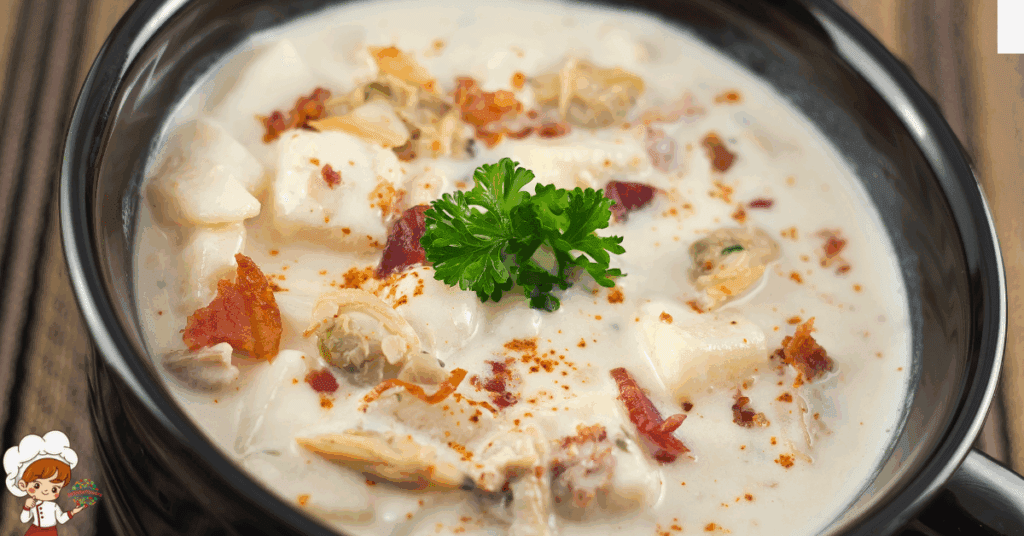
To create a visually stunning seafood chowder presentation, consider incorporating an array of carefully selected garnishes. These small additions not only add a pop of color to your dish, but they also enhance the overall flavor and texture. When it comes to garnishing your seafood chowder, the possibilities are endless. Here are some garnish ideas and plating techniques that will take your seafood chowder to the next level.
One simple and elegant garnish option is fresh herbs. Sprinkle some finely chopped parsley or dill on top of your chowder to add a vibrant green color and a burst of freshness. Another popular choice is crispy bacon. Cook some bacon until it’s nice and crispy, then crumble it over the chowder. The salty and smoky flavor of the bacon complements the seafood beautifully.
For a more sophisticated presentation, consider adding some seafood garnishes. Place a seared scallop or two on top of the chowder for an elegant touch. You can also add some cooked shrimp or lobster meat for an extra indulgent seafood experience.
In addition to these garnish ideas, don’t forget about the importance of plating techniques. Use a soup bowl with a wide rim to showcase the chowder and its garnishes. Drizzle some swirls of cream or a drizzle of herb-infused oil on top of the chowder for added visual appeal. Finally, place some freshly baked bread or crackers on the side for dipping.
Frequently Asked Questions: Tips To Perfect Seafood Chowder Preparation
Can I Use Frozen Seafood for Seafood Chowder?
Yes, you can use frozen seafood for seafood chowder. When selecting frozen seafood, look for high quality options. To ensure the best results, thaw the seafood properly and follow cooking tips specifically designed for frozen seafood.
How Can I Prevent My Seafood Chowder From Becoming Too Watery?
To prevent your seafood chowder from becoming too watery, try using alternatives to thicken it. You can add a roux, cornstarch, or even mashed potatoes. These ingredients will help give your chowder a creamy and thick consistency.
Can I Substitute Milk for Cream in Seafood Chowder?
Yes, you can substitute milk for cream in seafood chowder. The pros are that it will be lower in fat and calories. However, the cons are that it may not be as rich and creamy.
What Are Some Alternative Options for Thickening Seafood Chowder Besides Using a Roux?
To thicken seafood chowder without a roux, you can try alternatives like using cornstarch, potato flakes, or heavy cream. These options provide a different texture and flavor, allowing you to experiment with traditional and modern chowder techniques.
Is It Necessary to Let the Chowder Rest Before Serving, and if So, for How Long?
Let the chowder rest before serving; it’s important. Resting allows the flavors to meld together, creating a more delicious and harmonious dish. Give it at least 10 minutes to reach the perfect temperature and consistency.

Conclusion
In conclusion, perfecting seafood chowder preparation requires attention to detail and a knowledge of the right techniques. By choosing the right seafood, using fresh ingredients, and finding the perfect balance of flavors, you can create a chowder that is both delicious and satisfying. Don’t forget to use homemade stock for depth and master the roux technique to thicken the chowder. Let it simmer to develop flavors and allow it to rest for enhanced taste. Serve with crusty bread for dipping and garnish for a beautiful presentation. Enjoy!
If you enjoyed exploring this topic and want to dive even deeper, be sure to check out some of our other articles here on Infinite Flavors. From rich culinary histories to creative twists on classic recipes, there’s always something new to discover. Whether you’re curious about the origins of a dish, looking for fresh inspiration in the kitchen, or simply love learning about food culture, our collection of posts is the perfect next step on your flavor journey.
4 Best Techniques For Preparing And De-Shelling King Crabs
11 Great Pro Tips For Perfect Seafood Jambalaya
The Best Guide To Preparing A Flavorful Seafood Stew