Important Vegan Dietary Requirements for Breastfeeding
Vegan Dietary Requirements for Breastfeeding; Did you know that approximately 1.62 billion people worldwide follow a vegan lifestyle? If you’re one of them and currently breastfeeding, you might be wondering about the specific dietary requirements to ensure both you and your baby are getting all the necessary nutrients. Well, fret not, because in this discussion we’ll explore the key nutrients needed for vegan breastfeeding mothers, the best plant-based sources of protein, essential vitamins and minerals for your baby’s development, and much more. So, let’s dive right in and uncover the secrets to maintaining a healthy vegan diet while nourishing your little one.
Importance of Vegan Diet for Breastfeeding
Maintaining a well-balanced vegan diet while breastfeeding is crucial for ensuring that both you and your baby receive the necessary nutrients for optimal health and development. A vegan diet can provide all the essential nutrients needed for breastfeeding, including protein, iron, calcium, and omega-3 fatty acids. By consuming a variety of plant-based foods, you can support proper breast milk production and promote your baby’s growth.
Breast milk production relies on adequate calorie intake, and a vegan diet can easily meet these requirements. Plant-based sources of protein, such as legumes, tofu, and tempeh, offer the amino acids necessary for milk production. Additionally, incorporating fortified plant-based milks, like soy or almond milk, can help meet your calcium needs. Fortified foods, such as cereals or plant-based meat substitutes, can also contribute to meeting iron requirements.
While a well-planned vegan diet can provide all the necessary nutrients, there are potential challenges to be aware of. One challenge is ensuring sufficient vitamin B12 intake, as this vitamin is primarily found in animal products. It is crucial to include fortified foods or consider supplementation to prevent deficiencies. Another challenge is obtaining adequate omega-3 fatty acids, specifically DHA, which is important for your baby’s brain development. Plant-based sources of omega-3s, like flaxseeds, chia seeds, and walnuts, can be included in your diet, but some studies suggest that supplementation might be necessary.
Key Nutrients for Vegan Breastfeeding Mothers
To support your baby’s growth and ensure optimal health, vegan breastfeeding mothers need to focus on obtaining key nutrients through their diet. While a vegan diet can provide all the necessary nutrients, it is important to pay attention to certain nutrients that may require extra attention. Here are four key nutrients for vegan breastfeeding mothers:
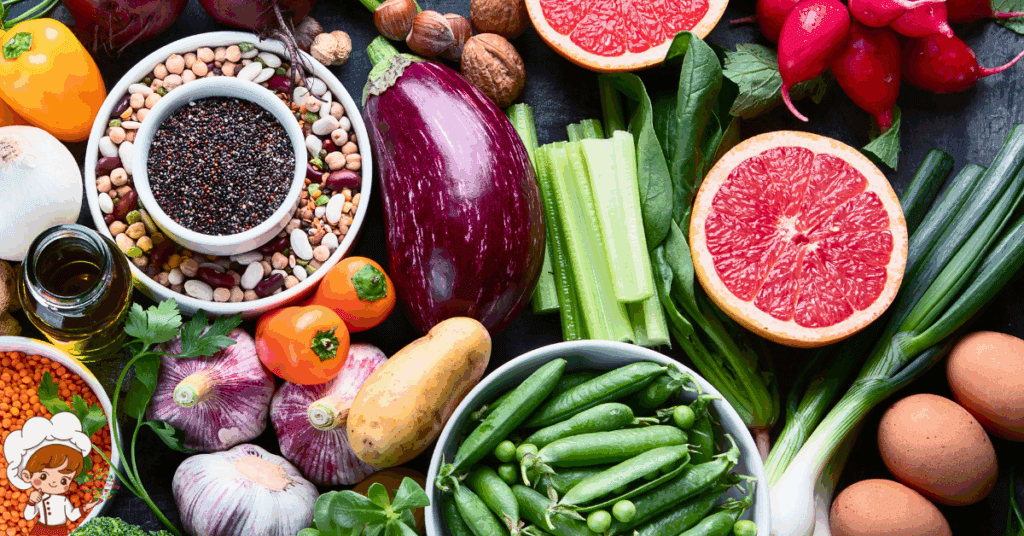
- Protein: Plant-based protein sources such as legumes, tofu, tempeh, seitan, and quinoa are excellent choices for meeting your protein needs. Aim for a variety of protein sources throughout the day to ensure you get all the essential amino acids.
- Calcium: Vegans can obtain calcium from fortified plant-based milk alternatives, calcium-set tofu, leafy greens like kale and collard greens, sesame seeds, and almonds. It may be necessary to monitor your calcium intake and consider a calcium supplement if you have specific dietary restrictions or concerns.
- Iron: Plant-based sources of iron include legumes, leafy greens, whole grains, nuts, and seeds. Pairing vitamin C-rich foods like citrus fruits or bell peppers with iron-rich foods can enhance iron absorption. Consider discussing iron supplementation with your healthcare provider to ensure adequate intake.
- Vitamin B12: Since vitamin B12 is primarily found in animal products, it is crucial for vegan breastfeeding mothers to take a B12 supplement or consume B12-fortified foods like plant-based milk, nutritional yeast, and breakfast cereals. This is essential to prevent deficiency and support your baby’s neurological development.
Remember to consult with a registered dietitian or healthcare provider to ensure you are meeting your specific nutrient needs as a vegan breastfeeding mother. They can provide personalized guidance and help tailor your diet to meet your requirements.
Plant-Based Sources of Protein
Plant-based sources of protein are essential for vegan breastfeeding mothers to meet their dietary requirements and support their baby’s growth and development. As a breastfeeding vegan, it’s important to ensure you’re getting enough protein to maintain your own health and provide adequate nutrition for your baby. The protein requirements for breastfeeding vegans are slightly higher compared to those following a non-vegan diet.
Fortunately, there are plenty of plant-based protein alternatives that can help you meet your protein needs. Legumes, such as beans, lentils, and chickpeas, are excellent sources of protein. They are also rich in fiber and other important nutrients. Incorporating a variety of legumes into your meals can help you achieve the recommended protein intake.
Nuts and seeds are another great source of plant-based protein. Options like almonds, walnuts, chia seeds, and flaxseeds not only provide protein but also essential fatty acids, which are important for brain development in infants. You can sprinkle these on your meals or enjoy them as a snack.
Whole grains, such as quinoa, brown rice, and oats, also contain protein. These grains can be a valuable addition to your diet, providing both protein and complex carbohydrates for sustained energy.
Additionally, tofu, tempeh, and seitan are popular plant-based protein options. These soy-based products can be easily incorporated into various dishes and offer a good amount of protein.
It’s important to note that while plant-based protein sources can be nutritious, it’s essential to eat a varied and balanced diet to ensure you’re meeting all your nutritional needs as a breastfeeding mother. Consulting with a registered dietitian who specializes in vegan nutrition can provide personalized guidance to help you meet your protein requirements while breastfeeding.
Essential Vitamins and Minerals for Baby’s Development
As a breastfeeding vegan, it’s crucial to ensure your baby’s development by providing them with essential vitamins and minerals. While a vegan diet can provide all the necessary nutrients, there are a few key vitamins and minerals that require special attention to support your baby’s brain development and overall growth. Here are four essential nutrients you should focus on:
- Vitamin B12: This vitamin is crucial for brain development and nervous system function. Since it is primarily found in animal products, it’s important for vegan breastfeeding mothers to take a B12 supplement or consume fortified foods like plant-based milk or breakfast cereals.
- Iron: Iron is essential for your baby’s brain development and overall growth. Plant-based sources of iron include legumes, tofu, spinach, and fortified cereals. To enhance iron absorption, pair these foods with vitamin C-rich fruits or vegetables.
- Omega-3 Fatty Acids: These fats are important for brain development and vision. While fish is a common source of omega-3s, vegan options include flaxseeds, chia seeds, hemp seeds, and walnuts. Consider incorporating these into your diet or taking an algae-based omega-3 supplement.
- Vitamin D: Vegan breastfeeding mothers, like all breastfeeding mothers, should ensure adequate vitamin D intake to support their baby’s bone health and immune system. Sun exposure is the best source of vitamin D, but it may be necessary to take a supplement, especially if you live in a region with limited sunlight.
Omega-3 Fatty Acids in a Vegan Diet
You may be wondering about vegan sources of omega-3 fatty acids and their importance in a vegan diet while breastfeeding. Omega-3 fatty acids are essential for the development of your baby’s brain and eyes. While fish is a common source of omega-3, as a vegan, you can obtain these essential fatty acids from plant-based sources such as flaxseeds, chia seeds, and walnuts.
Vegan Sources of Omega-3
Incorporating a variety of vegan food sources can provide sufficient omega-3 fatty acids in a plant-based diet. Here are four vegan sources of omega-3 to consider:
- Flaxseeds: These small seeds are rich in alpha-linolenic acid (ALA), a type of omega-3 fatty acid. They can be ground and added to smoothies, oatmeal, or used as an egg substitute in baking.
- Chia seeds: Similar to flaxseeds, chia seeds are also high in ALA. They can be mixed into yogurt, sprinkled on top of salads, or used as a thickening agent in puddings.
- Walnuts: These nuts are not only a great source of healthy fats but also contain a good amount of ALA. Snack on them alone, or add them to salads, oatmeal, or homemade granola.
- Hemp seeds: Hemp seeds are packed with omega-3 fatty acids, including ALA. They can be sprinkled on top of salads, blended into smoothies, or used in baking recipes.
Importance of Omega-3
Are omega-3 fatty acids essential for a healthy vegan diet? Absolutely. Omega-3 fatty acids, particularly docosahexaenoic acid (DHA), play a crucial role in brain development and function. While it is generally believed that fish is the best source of omega-3s, vegans can still obtain these essential nutrients from plant-based sources.
However, it can be challenging to meet the recommended daily intake of DHA solely through vegan sources. That’s where omega-3 supplementation comes in. Vegan-friendly supplements derived from algae are available and provide a reliable source of DHA. These supplements offer numerous benefits, including supporting cognitive function, reducing inflammation, and promoting heart health. By incorporating omega-3 supplementation into your vegan diet, you can ensure you are meeting your body’s essential omega-3 fatty acid needs.
Meeting Dietary Needs
Obtaining sufficient omega-3 fatty acids in a vegan diet can be challenging, but it is essential for meeting your dietary needs. To ensure you are getting enough of these important nutrients while breastfeeding, consider the following:
- Flaxseeds and Chia seeds: These are excellent plant-based sources of omega-3 fatty acids. You can easily incorporate them into your meals by adding them to smoothies, oatmeal, or baked goods.
- Algal oil supplements: Algae-based omega-3 supplements are a great alternative for vegans. They provide a direct source of EPA and DHA, the two main types of omega-3 fatty acids that are beneficial for breastfeeding moms.
- Incorporate omega-3-rich foods: Include foods like walnuts, hemp seeds, and seaweed in your diet. They are rich in omega-3 fatty acids and can help meet your requirements.
- Hydration is key: Don’t forget the importance of hydration for breastfeeding moms. Drinking enough water and staying hydrated can support overall health and help with nutrient absorption.
Calcium-Rich Foods for Strong Bones
To ensure strong bones while breastfeeding on a vegan diet, include calcium-rich foods in your daily meals. Calcium is essential for building and maintaining strong bones, and it is especially important during breastfeeding when your body needs to support both your own bone health and the development of your baby’s bones. As a vegan, you might be concerned about meeting your calcium needs without consuming dairy products. However, there are plenty of plant-based calcium sources that can provide you with the necessary nutrients.
Leafy green vegetables such as kale, broccoli, and bok choy are excellent sources of calcium. These vegetables are not only packed with calcium but also provide other essential nutrients like vitamin K, which is important for bone health. Other plant-based sources of calcium include fortified plant-based milk alternatives, tofu, tempeh, almonds, sesame seeds, and chia seeds. Incorporating these foods into your daily meals will help you meet your calcium requirements and support the development of strong bones.
If you find it challenging to consume enough calcium through your diet alone, vegan calcium supplements can be a helpful addition. Look for supplements made from plant-based sources, such as algae-derived calcium. These supplements are a convenient way to ensure you are meeting your calcium needs while breastfeeding.
Iron-Rich Foods for Energy and Blood Production
To maintain your energy levels and support blood production while breastfeeding, it is important to include iron-rich foods in your vegan diet. Plant-based sources of iron, such as legumes, tofu, spinach, and fortified cereals, can provide the necessary iron intake. Iron plays a crucial role in carrying oxygen to your cells, so ensuring an adequate intake is essential for your overall health and well-being.
Plant-Based Iron Sources
A vegan diet can provide ample plant-based iron sources, which are essential for energy production and blood formation. Here are four iron-rich foods to consider adding to your breastfeeding diet:
- Legumes: Lentils, chickpeas, and beans are excellent sources of iron. They are also high in protein, making them a nutritious choice for breastfeeding moms.
- Leafy greens: Spinach, kale, and Swiss chard are packed with iron and other essential nutrients. Add them to salads, smoothies, or stir-fries for a boost of iron.
- Whole grains: Quinoa, brown rice, and oats are not only rich in iron but also provide fiber and other important nutrients. Incorporate these grains into your meals for sustained energy.
- Nuts and seeds: Almonds, pumpkin seeds, and sesame seeds are iron-rich options. Snack on them or sprinkle them over salads and cereals to increase your iron intake.
Importance of Iron Intake
Why is iron intake important for breastfeeding moms? Iron is an essential nutrient that plays a crucial role in maintaining overall health, especially during breastfeeding. Iron is necessary for the production of hemoglobin, a protein in red blood cells that carries oxygen throughout the body. When you breastfeed, your body requires more iron to support the increased blood volume and to provide oxygen to your baby. Iron is also needed for energy production and to support your immune system. If you don’t get enough iron, you may experience symptoms of iron deficiency such as fatigue, weakness, pale skin, and difficulty concentrating. To ensure proper iron absorption, pair iron-rich plant-based foods with foods high in vitamin C.
Hydration and Fluid Intake for Breastfeeding Moms
Proper hydration is essential for breastfeeding moms to maintain optimal milk production and overall health. Staying hydrated is crucial, as breast milk is composed of approximately 88% water. Here are four important factors to consider regarding hydration and fluid intake for breastfeeding moms:
- Recommended Daily Water Intake: The Institute of Medicine recommends that lactating women consume about 3.1 liters (approximately 13 cups) of fluids per day. This includes water, as well as other beverages like herbal teas and fruit-infused water. Remember, this recommendation is a general guideline, and individual needs may vary based on factors such as climate, activity level, and body weight.
- Thirst as a Sign of Dehydration: Thirst is not always an accurate indicator of your hydration status. By the time you feel thirsty, your body may already be mildly dehydrated. As a breastfeeding mom, it’s essential to drink fluids regularly throughout the day, even if you don’t feel thirsty.
- Impact on Milk Production: Dehydration can affect milk supply. When you don’t consume enough fluids, your body may reduce milk production to conserve water. Adequate hydration helps ensure an ample supply of milk for your baby.
- Signs of Proper Hydration: Monitoring your urine color can provide insight into your hydration status. Pale yellow or clear urine indicates proper hydration, while dark yellow urine may suggest dehydration. Additionally, if you experience symptoms like fatigue, dizziness, or dry mouth, it could be a sign that you need to increase your fluid intake.
Meal Planning and Recipes for a Vegan Breastfeeding Diet
To ensure that you meet your vegan dietary requirements while breastfeeding, it is important to plan meals and find recipes that provide the necessary nutrients for both you and your baby. Meal planning is the process of organizing your meals and snacks in advance to ensure that you are getting all the essential nutrients you need. It can help you stay on track with your vegan diet and ensure that you are meeting your nutrient requirements.
When planning your meals, it is important to consider the specific nutrient needs of breastfeeding moms. As a vegan, you may need to pay extra attention to certain nutrients such as protein, iron, calcium, vitamin B12, and omega-3 fatty acids. Including a variety of foods in your meals can help ensure that you are getting a wide range of nutrients.
Here are some meal planning tips for a vegan breastfeeding diet:
- Include a variety of plant-based protein sources such as legumes, tofu, tempeh, seitan, and quinoa.
- Incorporate iron-rich foods like leafy greens, lentils, beans, and fortified cereals.
- Ensure adequate calcium intake by including plant-based sources such as leafy greens, tofu, fortified plant-based milk, and calcium-fortified foods.
- Include foods fortified with vitamin B12 or consider taking a supplement.
- Include plant-based sources of omega-3 fatty acids such as flaxseeds, chia seeds, and walnuts.
- Stay hydrated by drinking plenty of water and including hydrating foods like fruits and vegetables.
To make your meal planning easier, there are plenty of vegan recipes available online and in cookbooks that cater specifically to breastfeeding moms. These recipes are designed to provide the necessary nutrients for both you and your baby. By planning your meals and finding suitable recipes, you can ensure that you are meeting your vegan dietary requirements while breastfeeding.
Frequently Asked Questions: Vegan Dietary Requirements for Breastfeeding
Can a Vegan Breastfeeding Mother Meet All Her Nutrient Needs Without Taking Supplements?
You can meet all your nutrient needs on a vegan breastfeeding diet without supplements. It is possible to obtain necessary nutrients from a variety of plant-based foods, ensuring you and your baby stay healthy.
Are There Any Specific Foods That Should Be Avoided in a Vegan Breastfeeding Diet?
You should avoid specific foods in a vegan breastfeeding diet to ensure a well-balanced and nutritious intake. Incorporate vegan alternatives to increase breast milk supply and address misconceptions about the adequacy of vegan diets for breastfeeding.
How Can a Vegan Breastfeeding Mother Ensure Her Baby Is Getting Enough Vitamin B12?
To ensure your baby gets enough vitamin B12 while breastfeeding, as a vegan mother, you can incorporate fortified foods like plant-based milks or take a B12 supplement. It’s important to meet your nutrient needs without supplements.
What Are Some Alternatives for Dairy Products in a Vegan Breastfeeding Diet?
To get enough calcium, protein, and omega 3 fatty acids on a vegan breastfeeding diet, try plant-based sources like tofu, almonds, leafy greens, chia seeds, and flaxseeds. Meeting your nutritional needs is important for both you and your baby.
Is It Necessary for a Vegan Breastfeeding Mother to Monitor Her Iodine Intake?
It’s important for you as a vegan breastfeeding mother to monitor your iodine intake. Iodine is essential for your baby’s brain development, and a deficiency can have negative effects. Make sure to include iodine-rich foods in your diet or consider taking supplements.

Conclusion
In conclusion, maintaining a well-planned vegan diet while breastfeeding is not only possible but also beneficial for both the mother and baby. By focusing on key nutrients such as protein, vitamins, minerals, omega-3 fatty acids, calcium, and iron, breastfeeding mothers can ensure their baby’s healthy development while meeting their own nutritional needs. With proper meal planning and recipe choices, vegan breastfeeding mothers can enjoy a nourishing and fulfilling diet.