7 Tips For Perfect Wood-Fired Oven Pizza
7 Tips For Perfect Wood-Fired Oven Pizza: To make perfect wood-fired oven pizza, start by choosing the right wood; seasoned hardwood like oak or cherry adds great flavor. Preheat your oven for at least 30 minutes, reaching around 700°F. Master your dough with proper hydration and cold fermentation for better texture. Use fresh, quality ingredients for vibrant flavors. Keep the oven temperature consistent, adding wood as needed. Perfect your cooking technique by positioning the pizza in the hottest spot and rotating it frequently. Finally, don't hesitate to experiment with unique toppings to elevate your pizza game. This is just the beginning of your culinary adventure!
Choose the Right Wood
Click Here and Turn Every Masterpiece into a Showstopper!
Choosing the right wood is essential for achieving that perfect wood-fired oven pizza. The type of wood you use greatly impacts the flavor, cooking temperature, and overall experience. Popular wood types include oak, hickory, and fruitwoods like cherry or apple, each offering unique smoke flavors that can elevate your pizza.
When selecting wood, pay attention to moisture content. Ideally, you want seasoned wood with a moisture content below 20%. Freshly cut wood can take up to a year to properly season, so plan ahead. If you're using green wood, it'll produce more smoke and less heat, making it challenging to achieve that crispy crust.
Burning techniques also matter. Start with kindling to ignite your fire, then gradually add larger pieces. This method helps create a consistent heat source. Make certain you practice good wood storage—keep your wood dry and off the ground to prevent moisture absorption. A covered area is ideal, especially if you live in a wet climate.
Look for local sources of wood to support sustainability practices. Buying locally not only reduces your carbon footprint but also guarantees you're using wood that's well-suited for your area's climate and cooking needs. By following these tips, you'll be well on your way to mastering your wood-fired oven, enhancing your pizza-making skills while enjoying delicious results.
Preheat Your Oven Properly
Once you've got the right wood ready, preheating your oven is the next essential step for a perfect pizza. You'll want to start this process at least 30 minutes before you plan to cook. Proper oven placement is vital; make sure your oven is in an open area with good airflow to facilitate even heat distribution.
To get the best results, light your fire and let it burn down until you have a nice bed of glowing embers. This helps to achieve that high temperature needed for cooking pizza. Keep an eye on the flame and adjust the wood as necessary to maintain steady heat. If the flames get too high, you might need to reposition the wood or let it burn down a bit before cooking.
Once the temperature reaches around 700°F (371°C), you'll notice that the oven walls and floor are hot enough to provide the right cooking environment. Test the heat by tossing a small piece of dough in; if it sizzles and bubbles immediately, you're ready to go! Remember, consistent heat distribution is key to cooking your pizza evenly, so avoid opening the oven door too often.
Give your oven a few more minutes to stabilize before sliding in that pizza. The right preheating technique sets the foundation for achieving that perfectly charred crust and delicious toppings, making your wood-fired pizza night a success!
Master the Dough
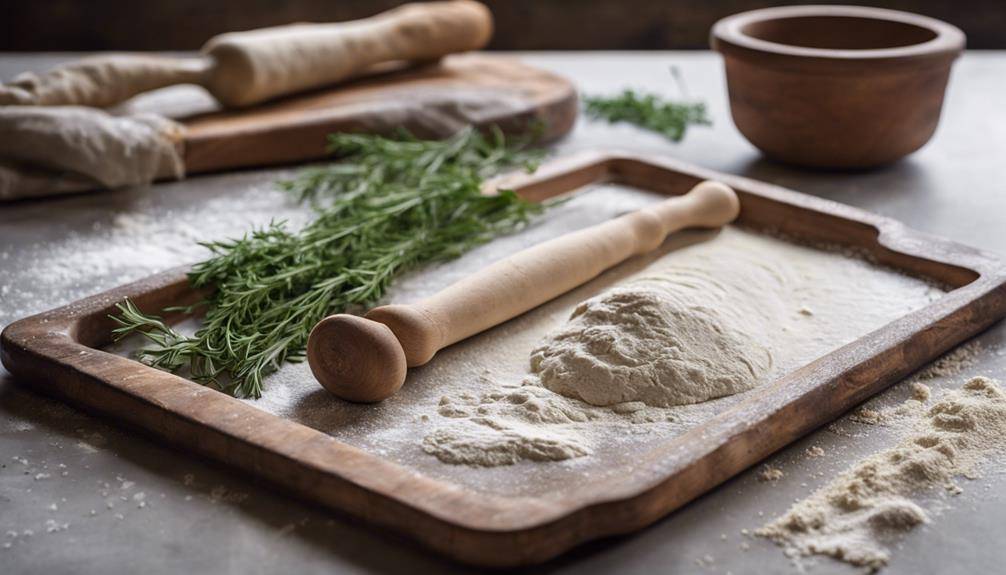
When it comes to crafting the perfect wood-fired pizza, mastering the dough is essential. Your dough is the foundation of your pizza, and getting it right can make all the difference. Start by paying attention to dough hydration. This refers to the ratio of water to flour in your recipe. A higher hydration level can lead to a lighter, airier crust, but it can also be trickier to handle. Aim for around 60-65% hydration for a balanced result.
Next, focus on the fermentation process. Allowing your dough to ferment for a longer period develops flavor and texture. A cold fermentation in the fridge for 24-72 hours is ideal. This slow fermentation enhances the dough's taste and makes it easier to stretch without tearing. Just remember to take it out of the fridge and let it come to room temperature before shaping.
Kneading is another critical step; it helps develop gluten, which provides structure. After kneading, form the dough into a ball, place it in a lightly oiled bowl, and cover it with a damp cloth. Give it time to rise until it doubles in size.
Use Quality Ingredients
When it comes to making the perfect wood-fired pizza, using fresh dough is essential for achieving that ideal texture. Don't forget to select premium toppings; they can elevate your pizza from good to unforgettable. Quality ingredients make all the difference, so choose wisely!
Fresh Dough Matters
Fresh dough truly makes a difference in your wood-fired pizza experience, so don't skimp on quality ingredients. Start with high-protein flour for the perfect texture. The right flour not only absorbs moisture better but also contributes to a chewier crust. Pay attention to dough hydration; the ideal balance creates a light, airy crust that's crisp on the outside and soft inside. Too much hydration can make handling tricky, while too little will leave your dough dense and tough.
Fermentation techniques are equally crucial. Allow your dough to rise slowly, which enhances flavors and improves texture. A longer fermentation period, even overnight in the fridge, develops a richer taste and an ideal structure. You'll notice the difference in flavor complexity and how well your dough holds up under toppings.
Lastly, don't forget to knead your dough properly. This process builds gluten, giving your pizza its characteristic stretch. With these quality ingredients and techniques, you'll set a solid foundation for an amazing wood-fired pizza, making your efforts truly worthwhile.
Select Premium Toppings
Quality ingredients don't stop at the dough; selecting premium toppings elevates your wood-fired pizza to the next level. When you choose toppings, go for seasonal ingredients that bring freshness and flavor to each bite. Visit your local farmers' market to find ripe tomatoes, vibrant peppers, and fragrant herbs that reflect the season. These ingredients not only taste better but also enhance the overall aesthetic of your pizza.
Don't overlook the importance of artisanal cheeses, either. Opt for high-quality options like fresh mozzarella, creamy burrata, or tangy goat cheese. These cheeses melt beautifully and add a rich depth of flavor that mass-produced varieties simply can't match.
When it comes to meats, consider using thinly sliced prosciutto, spicy salami, or house-made sausage. These options can turn a simple pizza into a gourmet experience.
Lastly, balance your toppings. Use a combination of flavors and textures to create a harmonious dish. Remember, the best pizzas are made with love and care, so invest in quality toppings, and your wood-fired pizza will shine!
Click Here and Turn Every Masterpiece into a Showstopper!
Manage Oven Temperature
Managing oven temperature is vital for achieving that perfect wood-fired pizza. You'll want to start by building a solid fire, using dry, seasoned wood. This guarantees you have a strong, consistent flame that's essential for effective flame control. As the fire burns, pay attention to the flames' color and height; a steady flame indicates an ideal temperature.
Once you've reached the desired heat, it's time to focus on heat distribution. The perfect temperature for pizza is between 700°F and 900°F. You can test this by using a laser thermometer or by tossing a small piece of dough into the oven. If it puffs up in a few seconds, you're in good shape!
To maintain the temperature, regularly add wood but avoid overcrowding the fire. Overloading can block airflow and cause the temperature to drop, jeopardizing your cooking. Position logs vertically to encourage better air circulation, which helps maintain the flame and guarantees even heat distribution.
If you notice hot spots, you can rotate the pizza during cooking to promote uniform baking. Keep an eye on the pizza as it cooks—when the crust is golden and the cheese is bubbly, it's time to take it out.
With practice, you'll master flame control and heat distribution, leading to consistently delicious wood-fired pizzas. Remember, managing your oven's temperature is a skill, so don't hesitate to adjust and experiment until you achieve that perfect pie!
Perfect Your Cooking Technique
To perfect your wood-fired pizza, you need to master heat management and cooking duration. Keeping a close eye on the temperature guarantees your crust gets that perfect char without burning. Aim for the right cooking time to achieve a deliciously cooked pizza every time.
Heat Management Strategies
Achieving the perfect wood-fired pizza hinges on effective heat management strategies that can elevate your cooking technique. One of the key aspects is mastering flame control. You'll want to maintain a consistent flame throughout the cooking process. Start your fire with seasoned hardwood, allowing it to burn down to coals for an even heat source. If you notice the flame getting too high or too low, adjust by adding or removing wood as needed.
Next, focus on heat distribution. The ideal wood-fired oven has a hot cooking surface and cooler areas for versatility. Position your pizza in the hottest part of the oven, typically near the flame, to achieve that signature char. You can rotate your pizza halfway through cooking to guarantee even browning and prevent burning.
Also, be mindful of the oven's ambient temperature. If you're cooking multiple pizzas, the oven might lose some heat. Use a peel to slide pizzas in and out quickly, minimizing heat loss. By honing your flame control and understanding heat distribution, you'll create perfectly cooked pizzas that impress everyone at your next gathering.
Optimal Cooking Duration
Once you've got your heat management down, it's time to focus on the ideal cooking duration for your wood-fired pizza. The key is to achieve that perfect balance between a crispy pizza crust and thoroughly melted toppings. Generally, cooking times range from 60 to 90 seconds, depending on the temperature of your oven and the thickness of your crust.
To start, slide your pizza into the oven and keep a close eye on it. You'll want to rotate it every 15 to 30 seconds to guarantee even cooking. The moment you see the edges of your pizza crust puffing up and turning golden brown, you know you're close. If you prefer a slightly charred flavor, let it cook for a few extra seconds, but don't let it burn.
Experiment With Toppings
While traditional toppings like pepperoni and mozzarella are always a hit, don't hesitate to let your creativity shine when it comes to wood-fired oven pizza. The beauty of a wood-fired oven is that it can handle a variety of flavors, so why not experiment with unusual combinations? Think beyond the basics and try adding figs with prosciutto or goat cheese with roasted garlic. These unique pairings can elevate your pizza to new heights.
Seasonal ingredients can also make a huge difference. Visit your local farmers' market and see what's fresh. In spring, consider asparagus and fresh herbs; in summer, ripe tomatoes and basil are a classic choice. Fall can bring delicious roasted butternut squash and sage, while winter might call for hearty greens like kale or broccoli rabe. Incorporating these seasonal ingredients not only enhances the flavor but also supports local producers.
Don't shy away from sauces either! A drizzle of pesto or a smear of spicy harissa can completely transform your pie. And remember, balance is key. Pair rich toppings with something invigorating, like arugula or a squeeze of lemon, to keep the flavors harmonious.
Click Here and Turn Every Masterpiece into a Showstopper!
Frequently Asked Questions: 7 Tips For Perfect Wood-Fired Oven Pizza
How Long Does It Take to Season a Wood-Fired Oven?
Seasoning a wood-fired oven usually takes a few hours. You'll need to maintain proper temperature control throughout the seasoning process, allowing the oven to cure and optimize its performance for delicious cooking.
Can I Use Charcoal Instead of Wood for Firing?
You can use charcoal instead of wood for firing, but it might lack that unique charcoal flavor you crave. While it offers burning efficiency, the taste difference could impact your final dish's quality.
What Type of Wood Imparts the Best Flavor?
When considering wood types, think about flavor profiles. Oak offers a balanced smoky taste, while fruitwoods like cherry or apple add sweetness. Experiment with different woods to discover the unique flavors each can impart to your dishes.
How Often Should I Clean My Wood-Fired Oven?
You should clean your wood-fired oven regularly for best performance. Aim for a thorough cleaning after every few uses, focusing on oven maintenance to prevent buildup. This frequency keeps your oven efficient and ready for delicious meals.
Can I Cook Other Foods Besides Pizza in a Wood-Fired Oven?
You can cook a variety of dishes in your wood-fired oven. Experiment with alternative recipes like roasted vegetables, bread, or even meats. Just adjust your cooking techniques to suit the different foods and temperatures.

Conclusion
With these tips in hand, you're ready to create the perfect wood-fired oven pizza. Remember to choose the right wood, preheat your oven, and master your dough for that authentic taste. Don't skimp on quality ingredients, manage your oven temperature, and refine your cooking technique. Finally, have fun experimenting with toppings to make each pizza uniquely yours. Get ready to impress your family and friends with delicious, homemade pizzas that'll keep them coming back for more!