Exciting AI And Iot In Smart Farming
Exciting AI And Iot In Smart Farming; AI and IoT are revolutionizing smart farming by boosting efficiency and optimizing resource use. With IoT devices, you can monitor soil health and crop conditions in real-time, enabling better decision-making. AI helps you predict yields and manage irrigation effectively, reducing waste. Drones and sensors empower you to tackle pest issues and assess environmental conditions quickly. Overall, these technologies enhance sustainability and improve crop management, giving you a competitive edge in agriculture. If you’re curious about how to fully harness these advancements, there’s much more to discover about their immense impact on modern farming practices.
We’ve Got Everything You Need to Make Your Masterpiece.
The Role of AI in Agriculture
The farmer’s toolkit has evolved considerably with the introduction of artificial intelligence (AI) in agriculture. You’re now able to harness AI applications that enhance nearly every aspect of farming. Automated farming techniques allow you to reduce manual labor while improving efficiency. Machine learning algorithms analyze vast amounts of data, providing you with actionable insights that can greatly impact yield prediction.
With AI, you can proactively address crop disease before it spreads, enabling you to maintain healthy fields and maximize your harvest. Resource optimization becomes a breeze as AI systems calculate the ideal amounts of water, fertilizer, and pesticides needed for your crops. Smart irrigation technologies, powered by AI, guarantee that water is used efficiently, conserving this precious resource while keeping your plants well-fed.
Farm management also benefits from AI’s capabilities. You can streamline operations, track inventory, and optimize your supply chain, all while maintaining a keen eye on your farm’s performance metrics. However, as you embrace these advancements, it’s vital to remain vigilant about data privacy. Protecting sensitive information related to your crops and business practices is essential in this digital age.
IoT Devices Transforming Farming
IoT devices are revolutionizing how you approach farming by enabling precision agriculture technologies that optimize resource use. With remote monitoring solutions, you can keep an eye on your crops and equipment from anywhere, ensuring timely interventions. Plus, integrating data analytics helps you make informed decisions, boosting your farm’s overall productivity.
Precision Agriculture Technologies
Precision agriculture technologies are revolutionizing the way farmers manage their crops and resources. By utilizing IoT devices, you can enhance soil health and guarantee peak yield through precise nutrient mapping. These technologies allow for better resource management, so you can efficiently allocate water and fertilizers, reducing waste and costs.
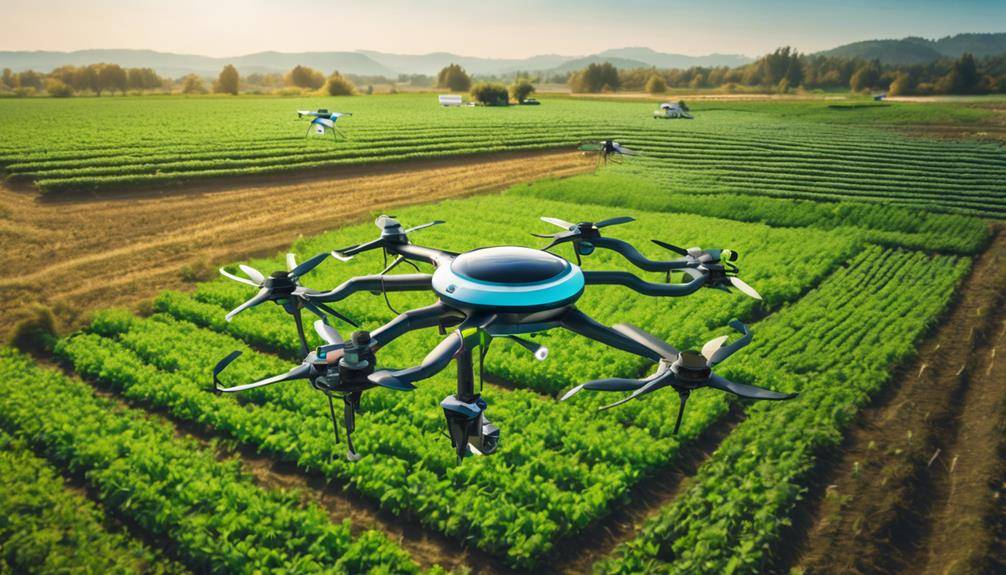
With the help of drone technology, you can perform field mapping and monitor crop conditions from above. This aerial perspective aids in pest control, enabling you to identify infestations early on and take action before they spread. Weather forecasting tools also play a vital role, allowing you to anticipate changes and adjust your strategies accordingly.
Irrigation scheduling becomes more effective when you have real-time data at your fingertips. By analyzing soil moisture levels, you can make certain your crops receive the right amount of water at the right time. Additionally, implementing crop rotation strategies can improve soil health and maximize productivity over the seasons.
Embracing these precision agriculture technologies will not only enhance your yield but also promote sustainable farming practices, guaranteeing a healthier planet for future generations.
We’ve Got Everything You Need to Make Your Masterpiece.
Remote Monitoring Solutions
Remote monitoring solutions are changing the landscape of farming by providing real-time insights into field conditions. You can leverage drone surveillance to capture aerial images that help assess crop health and monitor livestock tracking. Soil sensors provide vital data on moisture levels and nutrient management, allowing you to make informed decisions about irrigation.
With weather forecasting integrated into your farming strategy, you can predict adverse conditions and adjust your practices accordingly. Remote irrigation systems enable you to water your crops efficiently, ensuring maximum growth without wasting resources.
Pest detection technologies alert you to potential infestations, so you can act swiftly and minimize damage. This proactive approach is essential for maintaining high crop yields. Additionally, farm automation tools streamline operations, reducing labor costs and enhancing productivity.
Data Analytics Integration
As you implement IoT devices on your farm, data analytics integration becomes a game changer, transforming how you manage resources and make decisions. By leveraging big data collected from your sensors, you can gain invaluable agricultural insights. With advanced analytics tools, you can visualize data in real time, providing you with a clearer understanding of your farm’s performance.
Predictive modeling helps you anticipate issues before they arise, guaranteeing you’re always one step ahead. Data integration allows various IoT devices to communicate seamlessly, enhancing decision support systems that guide your actions. Machine learning algorithms analyze historical data, identifying patterns that can optimize crop yields and reduce waste.
However, while harnessing this technology, it’s essential to safeguard data security. Protecting your sensitive information is critical to maintaining your farm’s integrity. By combining these elements, you create a robust framework for data analysis, enabling you to make informed decisions quickly.
Incorporating data visualization and real-time analysis into your farming practices not only improves efficiency but also boosts productivity. Embracing data analytics integration positions you to thrive in the ever-evolving landscape of smart farming.
Benefits of Smart Farming
Smart farming offers numerous benefits that can revolutionize agricultural practices. By adopting smart farming techniques, you can enhance sustainability and improve your overall productivity. With resource optimization at the forefront, you’ll use water, fertilizers, and energy more efficiently, minimizing waste and lowering costs.
Yield enhancement is another significant advantage. By leveraging technology for weather forecasting, you can make informed decisions about planting and harvesting, ensuring peak crop performance. This proactive approach helps you adapt to changing conditions, ultimately boosting your yields.
Pest management becomes more effective with smart farming tools. Real-time monitoring allows you to identify pest threats early, enabling targeted interventions that protect your crops without harming the ecosystem balance. This not only promotes soil health but also reduces the need for chemical treatments, contributing to a healthier environment.
Market access is improved as well. With data-driven insights, you can better understand market trends and consumer preferences, helping you align your production with demand. Additionally, farmer education programs integrated into smart farming initiatives equip you with the knowledge needed to adopt these technologies confidently.
Data Analytics for Crop Management
While managing crops, leveraging data analytics can greatly enhance your decision-making process. By analyzing various data points, you can improve crop yield and guarantee the overall health of your soil. For example, using analytics tools, you can monitor soil health indicators, allowing you to make informed decisions about nutrient refinement and crop rotation strategies.
Weather forecasting is another vital aspect of data analytics that can notably affect your farming outcomes. By understanding weather patterns, you can plan your irrigation more effectively, assuring irrigation efficiency while conserving resources. This proactive approach helps you determine the best harvest timing, aligning your efforts with the ideal conditions for crop maturity.
Pest management also benefits from data analytics. By tracking pest populations and their behaviors, you can implement targeted strategies that minimize crop damage while promoting farm sustainability. Additionally, market analysis through data can help you identify trends and demands, enabling you to make strategic decisions about which crops to plant and when to sell.
Ultimately, integrating data analytics into your crop management practices allows you to operate with greater precision and foresight. You’ll be better equipped to adapt to changing conditions and maximize your farm’s potential. Embracing these insights not only enhances your productivity but also contributes to a more sustainable agricultural future. So start exploring the data around your crops; the benefits are considerable and can redefine your farming approach.
Precision Agriculture Techniques
Precision agriculture techniques are revolutionizing the way farmers approach crop production. By leveraging advanced technology, you can enhance soil health and optimize yields like never before. With tools such as soil sensors and drones, you can monitor nutrient levels and moisture content, leading to better nutrient management and effective irrigation strategies. This targeted approach allows you to apply resources where they’re needed most, boosting resource efficiency.
Implementing crop rotation is another vital technique. It not only helps in pest management but also promotes biodiversity enhancement, which contributes to a more resilient farming system. By rotating crops, you can disrupt pest cycles and improve soil structure, ultimately leading to healthier crops.
Moreover, climate adaptation is significant in today’s agricultural landscape. Utilizing data-driven insights, you can adjust your practices to respond to changing weather patterns, ensuring that your crops thrive despite environmental challenges.
As you adopt these technologies, you’ll find that yield optimization becomes more achievable. Precision agriculture empowers you to make informed decisions that increase productivity while minimizing waste.
Incorporating these techniques isn’t just about technology adoption; it’s about transforming your farming practices for the better. By embracing precision agriculture, you’re not only improving your bottom line but also contributing to sustainable farming practices that benefit the environment. So, take the leap into precision agriculture and watch your farm flourish.
Case Studies of AI and IoT
Now, let’s look at some real-world case studies showcasing precision agriculture innovations and crop monitoring solutions. You’ll see how farmers are using AI and IoT technologies to enhance their yields and make smarter decisions. These examples will highlight the tangible benefits that come from integrating these advanced tools into farming practices.
We’ve Got Everything You Need to Make Your Masterpiece.
Precision Agriculture Innovations
Farmers are increasingly harnessing the power of AI and IoT to revolutionize their approach to agriculture. By implementing precision agriculture innovations, you can greatly enhance your farming efficiency and productivity. For instance, AI-driven tools enable you to analyze soil health, optimizing nutrient management and irrigation strategies tailored to each field’s unique needs.
Weather forecasting technologies allow you to plan crop rotation and pest control measures more effectively, reducing the risk of crop loss. You can adjust your resource management practices based on real-time data, ensuring you’re using water and fertilizers judiciously. This not only boosts yield optimization but also aligns with sustainable practices that protect the environment.
Case studies have shown that farms using these technologies can achieve higher yields while minimizing waste. For example, smart irrigation systems can reduce water usage by up to 30%, while targeted pest control solutions can lower pesticide application rates without compromising crop quality. By adopting these innovations, you’re not just improving your bottom line; you’re also contributing to a more sustainable future for agriculture. Embracing AI and IoT in precision agriculture truly transforms how you farm today and prepares you for the challenges of tomorrow.
Crop Monitoring Solutions
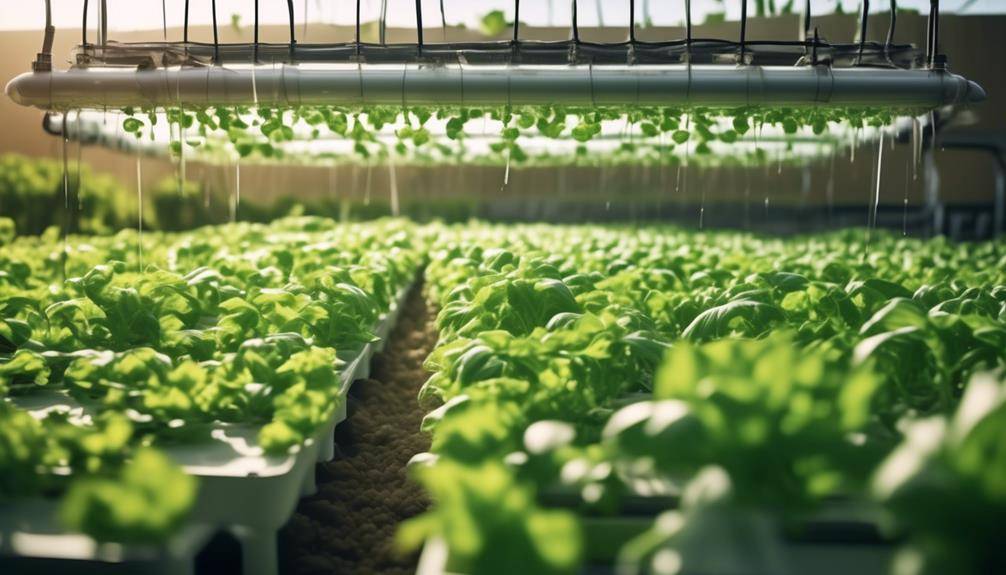
With the advancements in AI and IoT, crop monitoring solutions are becoming integral to modern farming practices. You can use these technologies to closely observe plant health throughout various growth stages. By deploying sensors that measure soil moisture, you’ll gain insights into irrigation efficiency, ensuring your crops receive the right amount of water.
AI algorithms analyze data to predict yield based on crop variety and current conditions. This helps you make informed decisions about nutrient management, maximizing your harvest potential. Additionally, pest detection systems utilize real-time data to alert you to potential infestations, allowing for timely interventions.
Weather impact is another critical factor; smart solutions can assess how changing conditions affect your crops. With this information, you can optimize harvest timing, ensuring you gather your produce at peak quality.
Incorporating these crop monitoring solutions not only enhances your farming practices but also boosts sustainability. By leveraging AI and IoT technologies, you’re not only protecting your crop health but also contributing to a more efficient agricultural system. Embracing these innovations can greatly transform the way you farm, leading to better yields and reduced resource waste.
Challenges and Limitations
The integration of AI and IoT in smart farming brings numerous advantages, but it also presents a host of challenges and limitations that can hinder its effectiveness. One significant hurdle is data privacy. Farmers often worry about how their data is used and shared, which can discourage technology adoption. Furthermore, the infrastructure costs associated with implementing these advanced systems can be prohibitive, especially for smaller farms.
You’ll also face skill gaps when it comes to operating and maintaining these technologies. Many farmers lack the technical expertise required to manage AI and IoT tools effectively, which can lead to inefficient use of resources. Additionally, regulatory challenges pose another barrier. Compliance with various laws and regulations can be cumbersome and time-consuming, complicating the implementation process.
System interoperability is another critical issue. Various IoT devices and AI tools may not communicate well with each other, leading to fragmented systems that don’t work cohesively. This lack of compatibility can compromise data security, leaving sensitive information vulnerable to breaches.
Lastly, investment barriers can deter many from embracing these technologies. High initial costs and uncertain returns on investment can make it difficult for farmers to commit to smart farming solutions. Overcoming these challenges requires a concerted effort from stakeholders, including governments, tech companies, and the farming community, to create a conducive environment for innovation and growth in smart agriculture.
Future Trends in Smart Farming
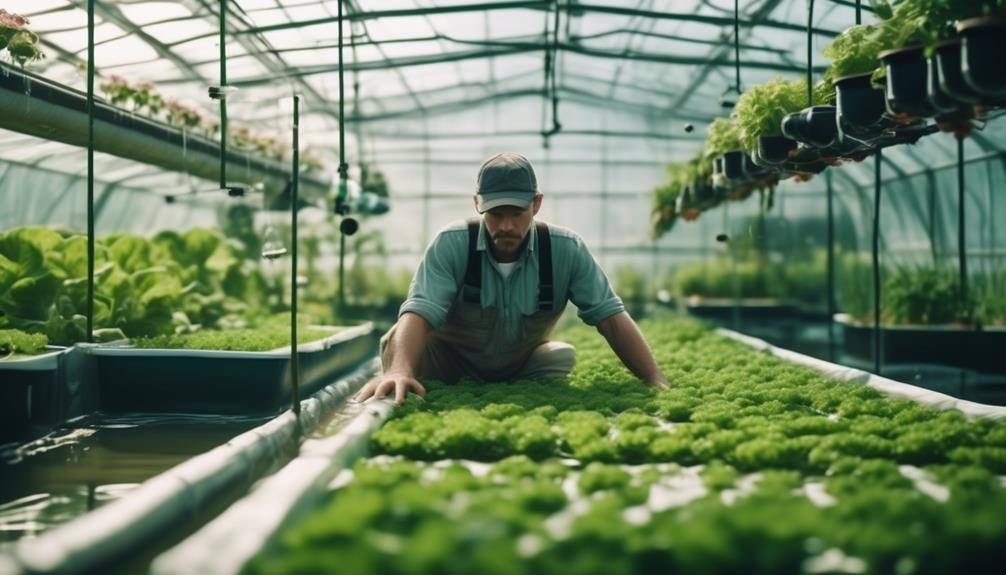
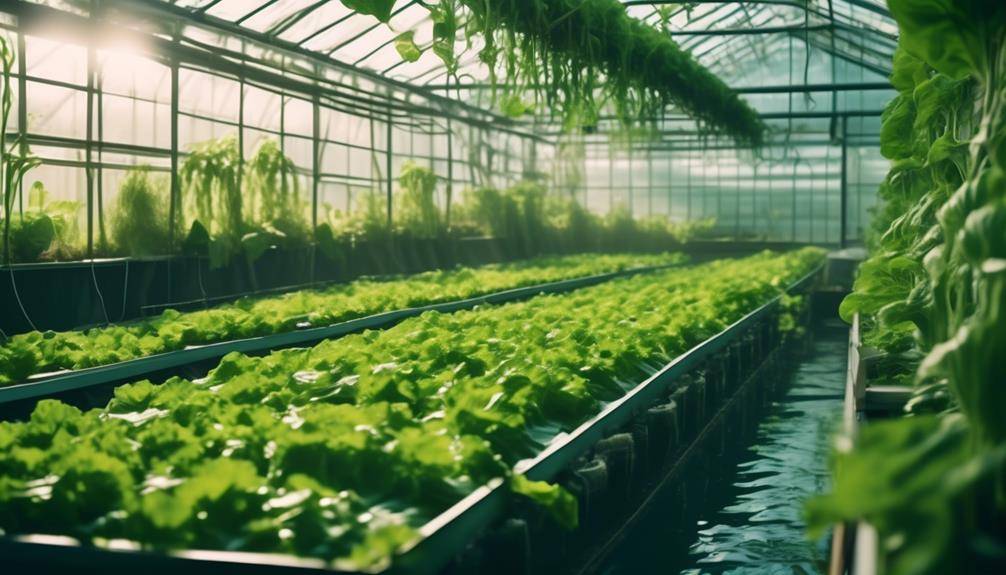
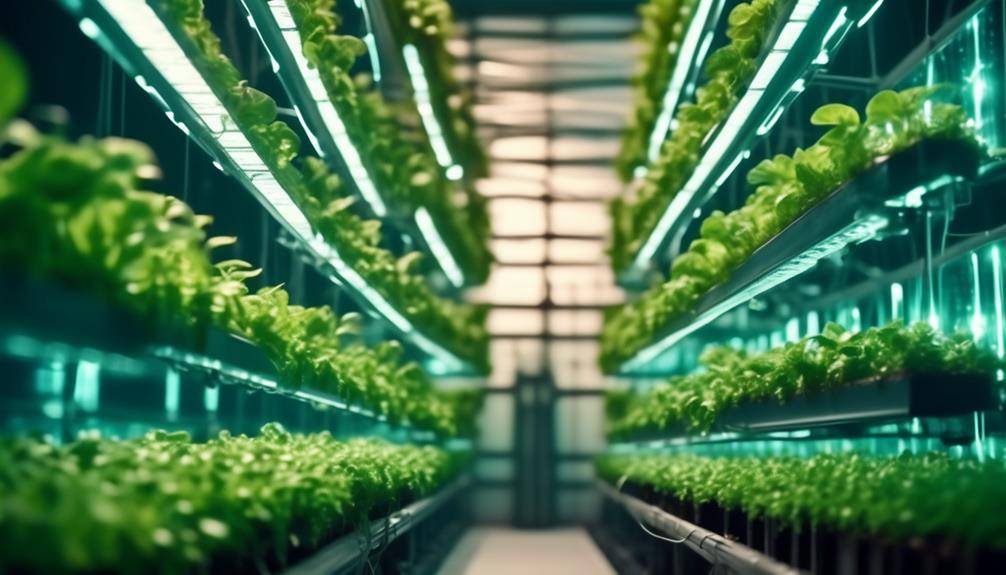
Smart farming is on the cusp of a technological revolution, driven by emerging trends that promise to reshape agricultural practices. As you explore future trends, you’ll notice vertical farming gaining traction, allowing you to produce crops in urban settings while maximizing space and minimizing resource use. Automated harvesting systems will streamline labor, ensuring efficiency and precision in your farming operations.
Sustainable practices will become the cornerstone of modern agriculture, promoting soil health and encouraging techniques that enhance nutrient management. You’ll adopt climate adaptation strategies, enabling your farm to withstand changing weather patterns, while simultaneously improving resource efficiency.
Robotic pollination is another exciting trend you’ll want to keep an eye on. By utilizing drones and robots, you’ll enhance the pollination process, leading to increased crop yields and better quality produce. This technology will also allow you to focus on yield optimization, ensuring that every seed you plant has the potential to thrive.
As technology adoption accelerates, you’ll find new tools and platforms that bring data-driven insights to your fingertips. With real-time monitoring and analytics, you’ll make informed decisions that enhance your farm’s productivity and sustainability. By embracing these innovations, you’re not just keeping pace with the industry; you’re positioning yourself as a leader in the future of agriculture.
Ultimately, the integration of AI and IoT in smart farming will create a more resilient, efficient, and sustainable agricultural landscape. Get ready to embrace these trends and transform the way you farm.
We’ve Got Everything You Need to Make Your Masterpiece.
Frequently Asked Questions: Exciting AI And Iot In Smart Farming
How Do Farmers Start Implementing AI and Iot in Their Operations?
To start implementing AI and IoT, you’ll want to focus on data collection through sensor networks. Use automation tools for crop monitoring, apply predictive analytics for decision support, and enhance environmental control with remote sensing technologies.
What Is the Cost of Integrating Smart Farming Technologies?
When considering the cost of integrating smart farming technologies, you should conduct a thorough cost analysis. Factor in the technology investment needed for hardware, software, and ongoing maintenance to guarantee long-term efficiency and productivity.
Are There Specific Crops More Suitable for Smart Farming Techniques?
Certain crops thrive with smart farming techniques. You’ll find that precision agriculture enhances crop monitoring for high-value crops like tomatoes and strawberries, maximizing yields while reducing resource waste. It’s all about smart choices for better results.
How Can Small-Scale Farmers Benefit From AI and Iot?
You can benefit from AI and IoT by using data analytics for precision agriculture. It helps in crop monitoring and yield prediction, allowing you to make informed decisions and optimize resources for better harvests.
What Skills Are Needed to Manage Smart Farming Technologies Effectively?
To manage smart farming technologies effectively, you need skills in data analysis, technology integration, system maintenance, decision making, crop monitoring, sensor management, predictive modeling, and resource optimization to enhance productivity and sustainability.

Conclusion
To sum up, embracing AI and IoT in smart farming can revolutionize your agricultural practices. By integrating advanced technologies, you can optimize crop management, enhance productivity, and make data-driven decisions. While challenges exist, the benefits far outweigh them. As you look to the future, staying informed about trends and innovations will help you stay ahead in this rapidly evolving field. Adopting these smart solutions could be the key to sustainable farming and greater success for your operations.