Easy Ancient Barley Bread (Biblical-Style Recipe)
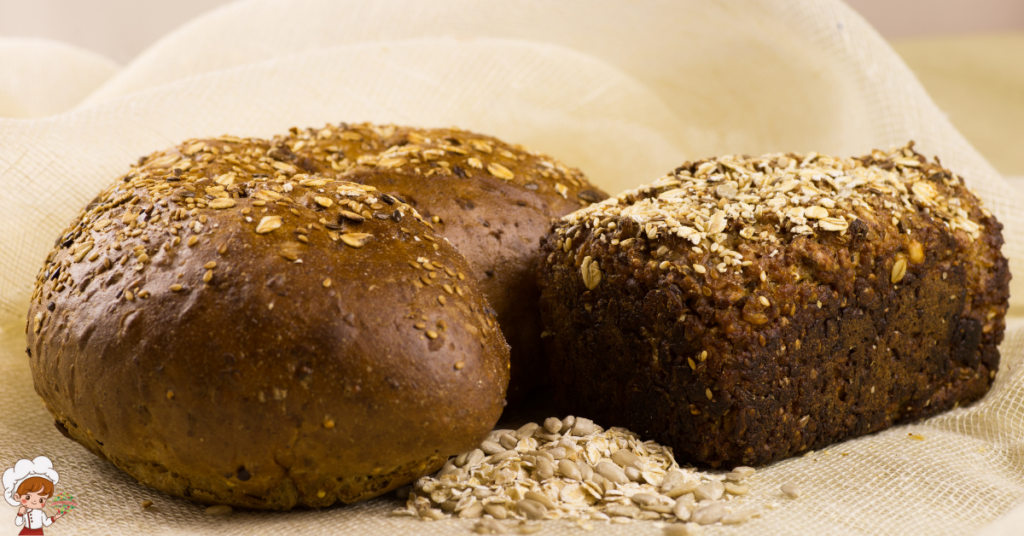
Easy Ancient Barley Bread; There’s something deeply comforting about baking bread the old-fashioned way. Long before modern sandwich loaves, commercial yeast packets, and ultra-processed flour blends, ancient civilizations relied on humble grains to create nourishing daily bread. Among the oldest and most meaningful of these grains was barley.
Today, ancient barley bread is making a remarkable comeback among home bakers, heritage food enthusiasts, and health-conscious cooks searching for simple, wholesome baking traditions. Often associated with biblical-era cooking, rustic barley bread offers a hearty texture, earthy flavor, and rich cultural history that modern artisan loaves rarely capture.
If you’ve ever wondered what bread in biblical times may have tasted like—or why barley bread continues to fascinate bakers thousands of years later—this guide explores everything you need to know. From the historical roots of barley bread to its nutritional benefits, baking techniques, flavor profile, and modern appeal, this ancient loaf proves that simple food can still feel extraordinary.
Why Ancient Barley Bread Is Trending Again
The rise of homemade bread baking has sparked renewed interest in ancient grains and traditional recipes. As more people move away from heavily refined foods, barley bread has become popular for its rustic authenticity and nutrient-rich ingredients.
Unlike airy white bread, biblical-style barley bread is dense, hearty, and satisfying. It reflects a slower approach to cooking—one built around whole grains, natural fermentation, and simple pantry staples.
Several modern food trends are fueling this revival:
- Interest in ancient grains and traditional diets
- Demand for high-fiber homemade bread
- Curiosity about biblical foods and historical recipes
- Rustic artisan baking culture
- Desire for less processed ingredients
- Mediterranean and Middle Eastern cooking inspiration
Ancient barley bread also appeals to people seeking meaningful food experiences. Baking a loaf inspired by centuries-old traditions creates a stronger connection to history, culture, and the origins of everyday nourishment.
The Historical Origins of Biblical-Style Barley Bread
Barley is one of the oldest cultivated grains in human history. Archaeological evidence suggests it was grown in the Fertile Crescent more than 10,000 years ago. Ancient civilizations across Mesopotamia, Egypt, Greece, and the Levant relied on barley as a dietary staple.
In biblical history, barley held enormous significance because it was affordable, durable, and adaptable to harsh climates. Wheat was often considered more luxurious, while barley became known as the grain of ordinary people.
Barley Bread in Ancient Civilizations
Barley bread appeared throughout many early societies because barley thrived in poor soils and dry conditions. Ancient farmers valued it for its resilience and dependable harvests.
In ancient Israel and surrounding regions, barley was commonly ground into coarse flour and baked into rustic loaves or flatbreads. These breads were often simple mixtures of flour, water, olive oil, and salt.
Unlike modern bakery loaves, ancient breads were usually:
- Dense and rustic
- Stone-ground
- Naturally fermented or unleavened
- Baked over stone ovens or hot surfaces
- Made with minimal ingredients
Because barley contained less gluten than wheat, these loaves tended to be flatter and heavier than modern sandwich bread.
Biblical References to Barley Bread
Barley appears repeatedly throughout biblical texts, often symbolizing humility, sustenance, and provision.
One of the most famous mentions occurs in the story of the feeding of the five thousand, where barley loaves were used to feed a crowd. Barley also appeared in harvest celebrations and agricultural references throughout the Old Testament.
This long-standing connection between barley and daily survival is part of what makes biblical-style barley bread so compelling today. It represents nourishment in its purest form.
What Makes Ancient Barley Bread Different?
Modern bread is typically designed for softness, height, and consistency. Ancient barley bread follows a completely different philosophy.
Instead of relying on refined flour and additives, traditional barley bread embraces simplicity and texture.
Distinctive Characteristics of Barley Bread
Ancient barley bread usually has:
- A darker, earthy appearance
- A hearty, chewy texture
- A nutty flavor
- Dense crumb structure
- Rustic crust
- Less rise than wheat bread
Because barley flour contains less gluten, the dough behaves differently from standard bread dough. The result is a loaf with more character and substance.
This rustic quality is precisely what many modern bakers love about it.
The Nutritional Benefits of Barley Bread
One major reason barley bread is gaining popularity is its impressive nutritional profile.
Barley is considered one of the healthiest ancient grains because it provides fiber, vitamins, minerals, and plant compounds that support overall wellness.
Rich in Fiber
Barley is especially high in beta-glucan fiber, a soluble fiber associated with:
- Improved digestion
- Better blood sugar control
- Increased satiety
- Heart health support
Compared to white bread, barley bread typically feels more filling and sustaining.
Lower Glycemic Impact
Because barley digests more slowly than refined flour products, it may help reduce rapid blood sugar spikes. This makes barley-based foods appealing to people seeking balanced energy levels.
Packed With Minerals
Barley contains important nutrients such as:
- Selenium
- Magnesium
- Phosphorus
- Niacin
- Iron
These nutrients contribute to metabolism, immune support, and cardiovascular health.
Ancient Grains and Whole Food Eating
Many health-conscious consumers appreciate barley because it aligns with whole-food cooking philosophies. Ancient grains are often less processed and more nutrient-dense than heavily refined modern flour blends.
Why Home Bakers Love Biblical-Style Bread
There’s a reason rustic bread recipes continue dominating food blogs and social media. Ancient-style bread baking feels grounding and rewarding in a fast-paced world.
Barley bread, in particular, appeals to bakers who want:
- Simpler ingredients
- Old-world flavor
- Handmade authenticity
- Traditional baking experiences
- A connection to culinary history
The process itself encourages patience and mindfulness.
Unlike highly engineered bakery products, ancient bread celebrates imperfection. Cracks, uneven texture, and rustic shaping become part of the loaf’s charm.
The Flavor Profile of Ancient Barley Bread
If you’ve never tasted barley bread before, the flavor can be surprisingly complex.
Barley offers a naturally nutty, earthy taste that pairs beautifully with savory ingredients.
Common Flavor Notes
Biblical-style barley bread often includes:
- Toasted grain flavor
- Mild sweetness
- Earthy undertones
- Slight nuttiness
- Rustic depth
Depending on the flour blend and fermentation method, some loaves may develop subtle tangy notes similar to sourdough.
Because barley bread is less sweet and airy than modern white bread, it pairs exceptionally well with:
- Olive oil
- Honey
- Dates
- Roasted vegetables
- Lentils
- Cheese
- Herb spreads
- Soups and stews
Traditional Bread-Making Techniques From Ancient Times
Ancient bakers used methods vastly different from modern commercial baking.
Understanding these techniques helps explain why biblical-style barley bread has such a distinctive texture and flavor.
Stone Grinding
Historically, grains were crushed using millstones rather than industrial rollers. Stone-ground flour retained more bran and germ, creating denser, more flavorful bread.
Natural Fermentation
Before packaged yeast existed, bakers relied on wild fermentation or sourdough starters. Natural fermentation enhanced digestibility and flavor complexity.
Hearth and Clay Oven Baking
Many ancient loaves were baked:
- On heated stones
- Inside clay ovens
- Over open flames
- Against hot oven walls
These cooking methods created thick crusts and smoky flavor notes.
Minimal Ingredients
Traditional barley bread recipes usually contained very few ingredients:
- Barley flour
- Water
- Salt
- Olive oil
- Natural leavening
This simplicity remains part of the bread’s modern appeal.
Modern Ways to Enjoy Ancient Barley Bread
Although rooted in history, barley bread fits beautifully into contemporary cooking.
Its hearty texture makes it versatile for both traditional and modern meals.
Rustic Breakfast Pairings
Toasted barley bread pairs wonderfully with:
- Avocado
- Soft cheese
- Honey
- Nut butter
- Eggs
- Figs
The grain’s earthy flavor balances both sweet and savory toppings.
Mediterranean-Inspired Meals
Barley bread complements Mediterranean cuisine especially well because of its robust structure and nutty depth.
Serve it alongside:
- Hummus
- Olive tapenade
- Lentil soup
- Roasted eggplant
- Chickpea dishes
- Herb-infused olive oil
Artisan Sandwiches
Dense barley bread works best with hearty sandwich fillings rather than delicate ingredients.
Popular combinations include:
- Roasted vegetables
- Smoked meats
- Sharp cheeses
- Grilled chicken
- Mediterranean spreads
Soup and Stew Companion
Historically, barley bread was often eaten with soups and stews. Its sturdy texture makes it ideal for dipping.
Is Barley Bread Better Than Wheat Bread?
This question has become increasingly common as ancient grains gain attention.
The answer depends on personal preferences and dietary goals.
Advantages of Barley Bread
Barley bread often provides:
- More fiber
- Greater satiety
- Lower glycemic impact
- Richer mineral content
- Distinctive flavor
Potential Challenges
However, barley bread may also:
- Feel denser than wheat bread
- Rise less during baking
- Have a chewier texture
- Require blending with wheat flour for structure
Some people love its rustic qualities immediately, while others need time to appreciate its hearty texture.
Expert Tips for Baking Better Ancient Grain Bread
Working with barley flour can be slightly different from using all-purpose flour. Bakers familiar with modern bread recipes may need to adjust expectations.
Understand the Gluten Difference
Barley contains gluten, but much less than wheat. This means doughs may:
- Feel stickier
- Rise less dramatically
- Produce denser loaves
Many bakers blend barley flour with bread flour for improved texture.
Hydration Matters
Barley flour absorbs water differently than wheat flour. Proper hydration helps create a softer crumb and prevents dryness.
Fermentation Improves Flavor
Allowing longer fermentation enhances:
- Texture
- Digestibility
- Flavor depth
Slow fermentation aligns beautifully with traditional bread-making practices.
Rustic Is the Goal
Ancient barley bread is not meant to resemble ultra-soft sandwich bread. Embracing its rustic texture creates a more authentic experience.
Ancient Grains and the Modern Wellness Movement
Barley’s resurgence reflects a broader movement toward ancient grains and minimally processed foods.
Consumers increasingly seek ingredients with:
- Historical roots
- Nutritional density
- Sustainability
- Traditional preparation methods
Ancient grains like barley, einkorn, farro, millet, and spelt have become central to artisan baking culture.
Many people view these grains as a way to reconnect with slower, more intentional eating habits.
The Cultural Meaning Behind Biblical Bread
Food carries emotional and spiritual significance across cultures, and bread has long symbolized survival, hospitality, and community.
Biblical-style barley bread represents:
- Simplicity
- Sustenance
- Gratitude
- Tradition
- Resourcefulness
For some bakers, recreating ancient breads becomes more than a culinary project—it becomes a meaningful ritual connecting past and present.
The humble ingredients remind us that nourishing food does not need to be complicated.
Why Rustic Homemade Bread Feels So Comforting
There’s a sensory experience to baking ancient bread that modern convenience foods cannot replicate.
The aroma of grain baking in the oven, the crackling crust, and the tactile process of shaping dough create a deeply satisfying experience.
Homemade barley bread encourages:
- Slower cooking
- Intentional eating
- Shared meals
- Appreciation for simple ingredients
In many ways, ancient bread baking counters today’s fast-food culture.
How Ancient Bread Fits Into Sustainable Eating
Barley has also gained attention as a sustainable grain choice.
Compared to some modern crops, barley can:
- Grow in difficult climates
- Require less water
- Adapt to poor soil conditions
Its agricultural resilience helped ancient civilizations survive challenging environments, and it continues to make barley valuable today.
As sustainability becomes more important in food culture, resilient ancient grains are likely to grow even more popular.
Common Questions About Biblical-Style Barley Bread
Does barley bread taste like regular bread?
Not exactly. Barley bread is earthier, denser, and nuttier than white bread. It has a more rustic artisan quality.
Is barley bread gluten-free?
No. Barley contains gluten and is not suitable for people with celiac disease.
Why is barley bread so dense?
Barley contains less gluten than wheat, which limits how much the dough rises.
Did people really eat barley bread in biblical times?
Yes. Historical and biblical evidence shows barley was a major staple grain throughout the ancient Near East.
Can modern bakers recreate authentic ancient bread?
While modern ovens differ from ancient hearths, many bakers successfully recreate rustic barley loaves using traditional techniques and simple ingredients.
The Growing Popularity of Easy Ancient Barley Bread
Heritage baking has become one of the most influential trends in artisan food culture.
People increasingly want:
- Authenticity
- Traditional craftsmanship
- Historical cooking methods
- Whole ingredients
- Slower culinary experiences
Ancient barley bread fits perfectly within this movement because it combines history, nutrition, and rustic beauty in one humble loaf.
Food enthusiasts are discovering that older baking traditions often produce richer flavor and greater satisfaction than modern shortcuts.

Easy Ancient Barley Bread (Biblical‑Style Recipe)
Ingredients
- 2 cups barley flour or 1½ cups barley + ½ cup whole wheat for structure
- ½ teaspoon salt
- 2 tablespoons olive oil
- ¾ –1 cup warm water
- Optional historically accurate add‑ins:
- 1 –2 tablespoons honey
- 1 tablespoon sesame seeds
- Pinch of ground coriander or fennel common ancient spices
Instructions
- Mix the dough
- Combine barley flour and salt in a bowl.
- Add olive oil and ¾ cup warm water.
- Stir until a soft dough forms. Add more water only if needed — barley flour absorbs differently.
- Knead briefly
- Knead 2–3 minutes.
- Barley has low gluten, so it won’t become stretchy — that’s normal.
- Shape the loaf
- Form into a round flat loaf, about 1 inch thick.
- (Ancient breads were often flat, rustic, and cooked quickly.)
- Cook one of two ways
- Option A — Skillet (most historically accurate):
- Cook on a lightly oiled skillet over medium heat, 5–7 minutes per side, until browned.
- Option B — Oven:
- Bake at 425°F (220°C) for 18–22 minutes until firm and lightly golden.
- Cool and serve
- Let rest 10 minutes.
- Serve with olive oil, honey, cheese, or alongside stews — all historically authentic pairings.
Bringing Ancient Bread Traditions Into Modern Kitchens
You do not need specialized equipment or professional training to explore biblical-style bread baking.
Modern home bakers can embrace ancient techniques by focusing on:
- High-quality flour
- Simple ingredients
- Longer fermentation
- Rustic shaping
- Patience
Even small adjustments toward traditional methods can dramatically improve flavor and texture.
Ancient barley bread reminds us that baking is not merely about efficiency—it’s about craftsmanship, nourishment, and connection.

Final Thoughts on Easy Ancient Barley Bread
Easy ancient barley bread offers far more than rustic flavor. It provides a fascinating glimpse into culinary history while meeting modern demand for wholesome, artisan-style foods.
Its biblical roots, hearty texture, nutritional benefits, and timeless simplicity continue attracting bakers around the world. In an era dominated by ultra-processed convenience foods, barley bread stands out as a reminder that some of the oldest traditions remain the most meaningful.
Whether you’re interested in ancient grains, biblical cooking, heritage baking, or simply exploring healthier homemade bread options, barley bread delivers an experience that feels both grounding and deeply satisfying.
As more people rediscover the beauty of traditional baking, this humble ancient loaf is proving that timeless food never truly goes out of style.