The Hearty History and Origin of Easy Lentil Soup
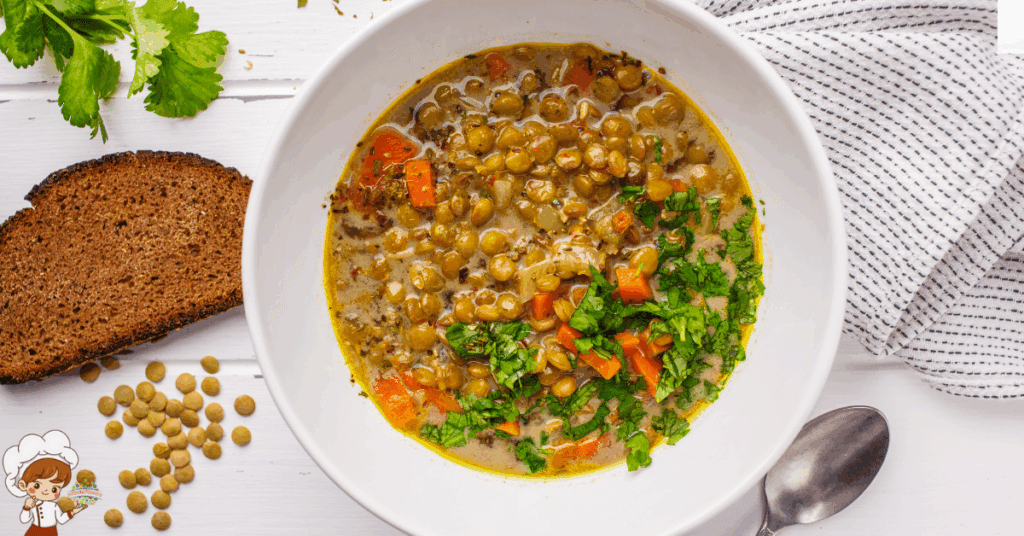
Hearty History and Origin of Easy Lentil Soup; Few dishes have stood the test of time quite like Easy Lentil Soup. Nourishing, affordable, and packed with flavor, lentil soup is one of humanity’s oldest comfort foods. From the ancient civilizations of Mesopotamia and Egypt to the bustling kitchens of today, lentil soup has remained a timeless dish enjoyed across cultures and continents.
This simple yet hearty meal embodies everything that makes home cooking so special—wholesome ingredients, comforting aromas, and a connection to the past. Whether simmered slowly on a stovetop or prepared quickly in a modern kitchen, lentil soup continues to warm hearts and homes with every bowl.
In this deep dive into the origins of Easy Lentil Soup, we’ll explore its rich history, cultural roots, and enduring appeal, tracing its journey from ancient fields to the modern dinner table.
The Ancient Origins of Lentils and Their Role in Early Civilizations
Lentils are among the world’s earliest cultivated crops, with evidence of their use dating back over 9,000 years. Archaeological discoveries show that lentils were grown in the Fertile Crescent—modern-day Iraq, Syria, Turkey, and parts of Iran—making them one of the foundational foods of human agriculture.
As one of the first domesticated legumes, lentils were a crucial source of plant-based protein for early civilizations. Their small size, fast cooking time, and ability to grow in various climates made them a staple food long before the cultivation of grains like wheat and barley became widespread.
In Mesopotamia, lentils were often boiled into simple stews that sustained entire communities. Ancient Egyptian hieroglyphs depict lentils being offered to the gods, and remains of lentil stew were even found in the tombs of pharaohs. These early societies understood what modern nutritionists still praise today: lentils are both nourishing and versatile, capable of sustaining life during times of scarcity and prosperity alike.
It’s no exaggeration to say that lentil soup helped feed civilization itself.
Lentil Soup in the Bible and Ancient Texts
The humble lentil appears not just in archaeological records, but also in some of humanity’s oldest written stories. In the Book of Genesis, lentils are famously mentioned in the story of Esau and Jacob, when Esau traded his birthright for a bowl of lentil stew—proof that even in ancient times, this dish held irresistible appeal.
Lentils were also referenced in early Greek and Roman writings. The Greek philosopher Aristophanes joked about lentil soup as a common food of the working class, while Roman physicians like Galen praised its health benefits. Lentils were widely consumed by people of all classes—from laborers to scholars—and often prepared as a hearty soup flavored with herbs, olive oil, and onions.
This deep historical presence underscores how lentil soup was not merely a meal but a part of daily life, nourishment, and symbolism. It represented sustenance, humility, and comfort—qualities that remain true to this day.
The Spread of Lentil Soup Across the Mediterranean and Beyond
As trade routes expanded through the Mediterranean, the Middle East, and Asia, so too did the cultivation and culinary use of lentils. Each region adapted the legume to its own culinary traditions, creating a beautiful diversity of lentil-based dishes.
In ancient Greece, lentil soup was often seasoned with vinegar and herbs—a tradition that still survives in modern Greek cuisine. In India, lentils became the foundation of dal, a spiced soup or stew served with rice or flatbread. Middle Eastern cultures developed variations using garlic, cumin, turmeric, and lemon, turning the simple lentil into a dish of layered, aromatic depth.
Throughout Europe, lentil soup became a common food among peasants and farmers, particularly in colder climates where lentils could be dried and stored through the winter months. It offered warmth, nutrition, and a sense of comfort, especially during difficult times.
By the Middle Ages, lentil soup had spread throughout Europe, valued for its simplicity and affordability. It became a Lenten dish in many Christian traditions, especially during periods of fasting when meat was forbidden.
The Nutritional Powerhouse Behind Lentil Soup
Part of the enduring popularity of Easy Lentil Soup lies in its nutritional value. Lentils are a plant-based superfood rich in protein, fiber, iron, and folate. They provide sustained energy and are naturally low in fat, making them a cornerstone of vegetarian and vegan diets long before such terms existed.
In ancient societies, lentils were often called “the meat of the poor” because of their ability to provide nourishment comparable to animal protein. Even today, nutritionists consider lentils one of the most efficient and sustainable sources of protein on the planet.
A bowl of lentil soup delivers warmth and wellness in every spoonful. Whether prepared with vegetables, grains, or spices, it remains one of the most balanced and affordable meals one can make—a testament to its ancient wisdom and modern relevance.
How Lentil Soup Became a Global Comfort Food
By the 19th and 20th centuries, lentil soup had become a global staple, appearing in cuisines from Europe to Asia to the Americas. Each culture added its own unique flair to the dish, blending regional ingredients with the timeless base of lentils and broth.
In France, potage aux lentilles became a rustic classic, often cooked with herbs and carrots. In Italy, zuppa di lenticchie was served with tomatoes, onions, and olive oil, symbolizing good luck when eaten on New Year’s Day. Middle Eastern variations combined lentils with cumin, coriander, and lemon, while in South Asia, lentil soups evolved into richly spiced dals flavored with ginger and garlic.
In North America, lentil soup gained popularity through waves of immigration. European and Middle Eastern communities brought their family recipes with them, and the dish soon became part of the home-cooked comfort food repertoire. It was hearty, healthy, and inexpensive—an ideal meal for growing families and busy households.
Over time, Easy Lentil Soup became synonymous with simple, nourishing cooking. It was the kind of dish that could be made with pantry staples and customized with whatever vegetables were on hand.
The Evolution of Easy Lentil Soup in Modern Kitchens
In today’s world of convenience and health-conscious eating, Easy Lentil Soup has found new life as a go-to meal for home cooks everywhere. The reasons are simple: it’s affordable, adaptable, and deeply satisfying.
Modern cooks have embraced the dish not only for its nutritional benefits but also for its versatility. Whether you prefer red, green, brown, or black lentils, each type brings its own texture and flavor to the pot. Red lentils cook quickly and create a creamy texture, while green and brown lentils hold their shape and add earthy depth.
The beauty of Easy Lentil Soup lies in how effortlessly it adapts to different cooking methods and lifestyles. It can be prepared in a slow cooker for hands-off comfort food or simmered quickly on the stove for a weeknight meal. You can make it vegetarian, add sausage for heartiness, or blend it for a silky, elegant texture.
In essence, lentil soup is proof that the simplest meals are often the most enduring.
Cultural Symbolism and the Meaning of Lentil Soup
Beyond its flavor and nourishment, lentil soup carries deep cultural symbolism. In many parts of the world, it represents abundance, humility, and new beginnings.
In Italy, lentils are traditionally eaten on New Year’s Eve because their round shape resembles coins, symbolizing prosperity and good fortune for the year ahead. In the Middle East, lentil soup is often served to break fasts, representing gratitude and nourishment after periods of reflection.
Throughout history, lentil soup has been associated with kindness and generosity—shared among neighbors, served to the poor, and offered as comfort during hard times. Its warmth and simplicity transcend class, culture, and era.
Easy Lentil Soup in the Age of Health and Sustainability
As modern eaters become more conscious of sustainability, Easy Lentil Soup has re-emerged as a favorite for environmentally mindful cooking. Lentils are one of the most sustainable crops on Earth—they require little water, enrich the soil with nitrogen, and have a low carbon footprint.
Health-conscious cooks appreciate lentil soup for being naturally gluten-free, high in protein, and packed with dietary fiber. It fits seamlessly into vegetarian, vegan, and flexitarian lifestyles, making it one of the most inclusive dishes on any menu.
With the rise of plant-based diets, lentil soup has become both trendy and timeless—a dish that satisfies the modern appetite for wholesome, eco-friendly meals while honoring its ancient roots.
Why Easy Lentil Soup Endures as a Beloved Comfort Food
There’s something undeniably nostalgic about a bowl of lentil soup. It’s simple, cozy, and endlessly adaptable. Whether served on a cold winter evening or as a light summer meal, it offers a sense of grounding and nourishment.
Unlike many culinary trends that come and go, lentil soup has remained a constant. Its staying power lies in its universality—it’s made with ingredients available almost anywhere in the world, yet it feels deeply personal in every kitchen.
From ancient stone pots to modern slow cookers, the act of making lentil soup connects us to generations of cooks before us. It’s proof that comfort food doesn’t need to be complicated—it just needs to be made with care.
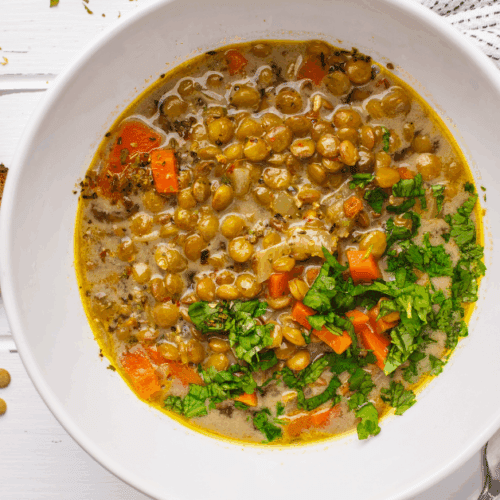
Easy Lentil Soup
Ingredients
- Lentils
- carrots
- celery
- onion
- vegetable
- broth
- spices.
Instructions
- Sauté vegetables, add lentils and broth, simmer until lentils are tender.
Frequently Asked Questions: Hearty History and Origin of Easy Lentil Soup
1. Where did lentil soup originate?
Lentil soup originated in the ancient Middle East, particularly in the Fertile Crescent region. It was one of the first soups made by early agricultural societies and has been part of global cuisine ever since.
2. Why is lentil soup considered healthy?
Lentil soup is packed with plant-based protein, fiber, iron, and essential vitamins. It’s low in fat, high in nutrients, and supports heart and digestive health—making it one of the healthiest soups you can eat.
3. What cultures traditionally eat lentil soup?
Lentil soup is enjoyed in cultures around the world, including Middle Eastern, Mediterranean, Indian, and European cuisines. Each region has its own variation using local herbs and spices.
4. What are the different types of lentils used in soup?
Common types include red, green, brown, and black lentils. Red lentils cook quickly and become creamy, while green and brown lentils hold their shape and offer a more robust, earthy flavor.
5. Why does lentil soup symbolize good luck in some cultures?
In Italian tradition, lentils are eaten at New Year’s because their round shape resembles coins, symbolizing prosperity and wealth in the coming year.
6. How long has lentil soup been eaten by humans?
Lentil soup has been enjoyed for over 9,000 years, making it one of the oldest recorded dishes in human history.

Conclusion: The Timeless Comfort of Easy Lentil Soup
From ancient hearths to modern stovetops, Easy Lentil Soup has endured as one of the world’s most beloved comfort foods. Its humble ingredients and nourishing nature tell a story of resilience, adaptability, and shared humanity.
Every culture that embraces lentil soup adds to its legacy—infusing it with unique flavors, spices, and stories. Yet, at its core, it remains the same warm, satisfying dish that has nourished families for millennia.
Whether you enjoy it as a quick weeknight meal, a comforting winter dish, or a symbol of good fortune, Easy Lentil Soup continues to connect us to our past while feeding our future.
In a fast-paced world filled with fleeting trends, lentil soup stands as a reminder that the simplest meals often hold the deepest meaning—and the richest history.
If you enjoyed exploring this topic and want to dive even deeper, be sure to check out some of our other articles here on Infinite Flavors. From rich culinary histories to creative twists on classic recipes, there’s always something new to discover. Whether you’re curious about the origins of a dish, looking for fresh inspiration in the kitchen, or simply love learning about food culture, our collection of posts is the perfect next step on your flavor journey.
The History Of Amazing BBQ Chicken Ranch Pizza
The Best Easy To Make Stuffed Bell Peppers
The History Of Amazing BBQ Chicken Ranch Pizza