The History and Origin of Easy Tater Tot Casserole
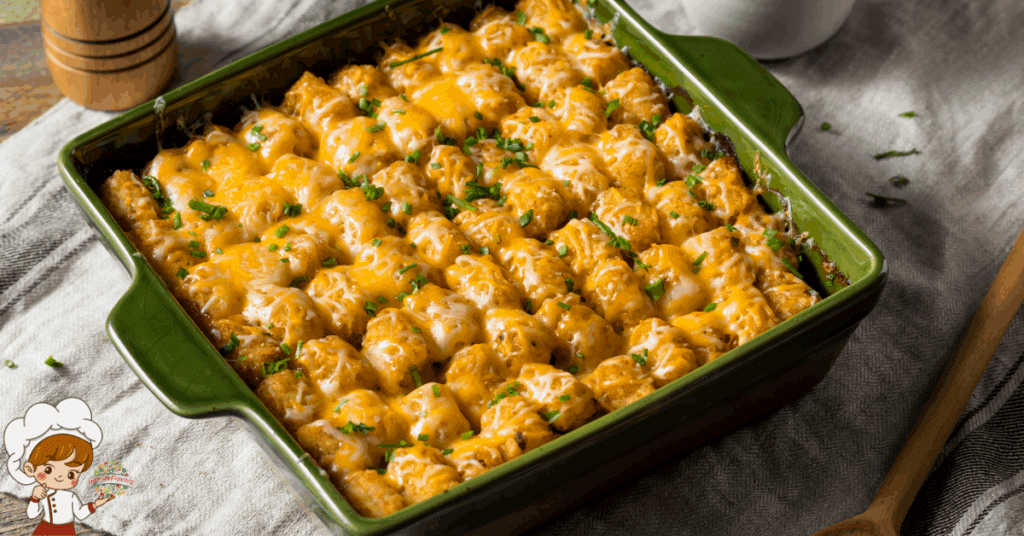
Origin of Easy Tater Tot Casserole; Few comfort foods capture the heart of American kitchens like Tater Tot Casserole. Known for its crispy golden top and creamy, savory layers, this dish has stood the test of time as both a nostalgic family dinner and a potluck favorite. While simple in its ingredients, the story behind this casserole stretches across food innovation, regional traditions, and America’s love of hearty meals. To understand the appeal of Tater Tot Casserole, it’s important to explore its history, cultural significance, and rise to iconic comfort food status.
The Origin of Tater Tots: A Mid-Century American Innovation
The story of Tater Tot Casserole begins not with the casserole itself, but with the invention of the Tater Tot. In 1953, the Ore-Ida company, founded by brothers Nephi and Golden Grigg in Oregon, revolutionized the frozen food market. The Grigg brothers had been producing frozen french fries when they realized large amounts of potato scraps were going to waste. Ingeniously, they ground the leftover potato bits, mixed them with flour and seasoning, and pressed them into small cylinders before frying.
What began as a clever solution to reduce waste became a breakthrough product. In 1956, Ore-Ida trademarked the name “Tater Tots” and launched them nationwide. Their affordability and convenience made them instantly popular in American households. By the 1960s, they were a freezer staple and a common side dish in cafeterias, schools, and family dinners. Without the invention of the Tater Tot, the iconic Tater Tot Casserole recipe would never have been possible.
The Emergence of Tater Tot Casserole in the Midwest
While Tater Tots were spreading nationwide, it was in the Midwestern United States that home cooks began experimenting with them as casserole toppings. In the 1960s and 1970s, casseroles were already a cornerstone of American cooking, especially in rural areas. They were practical, affordable, and easy to stretch into multiple servings.
The combination of ground beef, canned soup, cheese, and a topping of Tater Tots quickly became a hit across Minnesota, North Dakota, and Wisconsin. Known as “hotdish” in Minnesota, this casserole variation became a regional identity marker. For church gatherings, school potlucks, and family dinners, Tater Tot Casserole was a beloved go-to. Its filling nature and easy preparation aligned perfectly with Midwestern practicality.
By the late 20th century, Tater Tot Hotdish had cemented its role as more than just a recipe—it was a cultural tradition.
Tater Tot Hotdish vs. Tater Tot Casserole: What’s the Difference?
One of the most common questions in the history of this dish is whether there’s a difference between Tater Tot Hotdish and Tater Tot Casserole. The answer lies in regional terminology and tradition.
In Minnesota and the Upper Midwest, the dish is almost exclusively referred to as hotdish, which generally describes any baked one-pan meal consisting of a starch, protein, and canned soup binder. Outside of the Midwest, particularly in the South and West, the term casserole is more common.
While the ingredients remain similar, the cultural context differs. Hotdish carries a sense of community and regional pride, while casserole is a broader term recognized nationwide. This dual identity has helped the dish spread far beyond its Midwestern roots.
Why Tater Tot Casserole Became a Comfort Food Classic
The popularity of Tater Tot Casserole can be attributed to its accessibility and adaptability. The ingredients—frozen Tater Tots, ground beef, canned cream soup, and cheese—were all widely available, affordable, and easy to prepare. This made the dish especially appealing for busy families in the second half of the 20th century.
Additionally, the casserole tapped into the emotional connection of comfort food. Its creamy interior and crispy potato topping evoke nostalgia, childhood memories, and family gatherings. Unlike gourmet meals, casseroles were about practicality, love, and togetherness. For generations, Tater Tot Casserole has carried those same associations.
The Role of Canned Soup in Tater Tot Casserole’s History
Another important factor in the development of Tater Tot Casserole is the rise of canned cream soups. Campbell’s Soup Company had been marketing cream of mushroom and cream of chicken soups as versatile cooking ingredients since the 1930s. By the time Tater Tot Casserole emerged, these soups were already widely used as bases for casseroles across America.
The cream of mushroom soup, in particular, became essential for binding together the beef, vegetables, and Tater Tots. This innovation reflected the broader mid-century shift toward convenience foods that allowed home cooks to create hearty meals quickly. The casserole was not just about flavor but also about saving time in the kitchen.
Tater Tot Casserole in Pop Culture and Modern Cuisine
Over the decades, Tater Tot Casserole has transitioned from being a regional hotdish to a nationally recognized comfort food. It has been featured in cookbooks, food blogs, and even television shows that celebrate American culinary traditions. Minnesota’s pride in hotdish has led to competitions, festivals, and even mentions in political campaigns.
In modern cuisine, chefs have reinvented Tater Tot Casserole with gourmet touches—adding fresh vegetables, artisanal cheeses, and creative seasonings. Some restaurants serve upscale versions, while others embrace nostalgia by keeping it true to its classic form. This duality demonstrates the casserole’s lasting relevance.
Healthier and Creative Adaptations of Tater Tot Casserole
As eating habits have shifted toward healthier options, cooks have found new ways to adapt Tater Tot Casserole recipes. Versions using lean meats, low-sodium soups, and sweet potato tots have emerged, making the dish accessible to different dietary preferences. Vegetarian and vegan adaptations are also increasingly popular, proving the casserole’s versatility.
Despite these changes, the essence of Tater Tot Casserole—a crispy potato topping with a savory filling—remains the same. Its ability to evolve while staying familiar has ensured its survival across generations.
The Legacy of Tater Tot Casserole in American Food History
Looking back, it’s clear that Tater Tot Casserole represents more than just a meal. It is a symbol of American ingenuity, practicality, and tradition. From the Ore-Ida factory in the 1950s to church basements in Minnesota and kitchens across the country, this dish has traveled a remarkable journey.
Its story reflects the broader history of mid-century cooking trends, from the invention of frozen foods to the rise of casseroles and community-based dining traditions. Today, Tater Tot Casserole continues to bring people together, proving that sometimes the simplest dishes leave the most lasting impact.
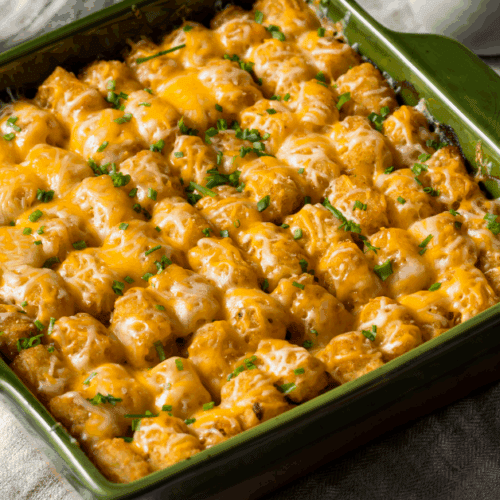
Tater Tot Casserole
Ingredients
- 1 lb ground beef
- 1 can 10.5 oz cream of mushroom soup
- 2 cups shredded cheddar cheese
- 1 bag about 24 oz frozen tater tots
Instructions
- Cook the Beef: In a large skillet, brown the ground beef over medium heat until fully cooked, then drain any excess grease.
- Mix the Base: Stir the cream of mushroom soup into the cooked beef until well combined.
- Assemble the Casserole: Spread the beef mixture evenly into a greased 9×13-inch baking dish. Sprinkle the shredded cheddar cheese over the top, then arrange the tater tots in a single layer.
- Bake: Place the casserole in a preheated oven at 375°F (190°C) and bake for 35–40 minutes, or until the tater tots are golden and crispy.
Frequently Asked Questions: Origin of Easy Tater Tot Casserole
What year was Tater Tot Casserole invented?
While there isn’t an exact year documented, Tater Tot Casserole became popular in the Midwest during the 1960s, following the invention of Tater Tots in the 1950s.
Is Tater Tot Casserole the same as hotdish?
Yes and no. They are essentially the same dish, but the term “hotdish” is more common in Minnesota and the Midwest, while “casserole” is the national term.
Who invented Tater Tots?
Tater Tots were invented in 1953 by the Grigg brothers, founders of Ore-Ida. They were designed as a way to use leftover potato scraps from french fry production.
Why is cream of mushroom soup used in Tater Tot Casserole?
Cream of mushroom soup became a convenient binding ingredient during the mid-20th century. Its creamy texture helps hold the casserole together and adds a savory flavor.
Can Tater Tot Casserole be made healthier?
Yes, many modern versions substitute lean meats, low-sodium soups, plant-based proteins, or sweet potato tots for a healthier twist while maintaining the dish’s comforting essence.
Why is Tater Tot Casserole considered a comfort food?
Its creamy, hearty base and crispy potato topping evoke nostalgia and family traditions, making it a dish tied closely to warmth, love, and togetherness.

Why Tater Tot Casserole Endures as a Comfort Food Icon
The history and origin of Tater Tot Casserole reveal a fascinating journey from potato scraps in an Oregon factory to an enduring symbol of Midwestern hospitality. What began as a practical solution became a dish that represents home, tradition, and comfort. Its continued popularity across generations shows the power of simple, hearty meals in American culture.
Tater Tot Casserole remains more than just food—it’s a shared experience, a bridge between past and present, and a reminder that the most beloved dishes often come from humble beginnings. Whether called hotdish in Minnesota or casserole elsewhere, this timeless dish will always hold a special place on the American table.