The Great Creamy History Mashed Potatoes
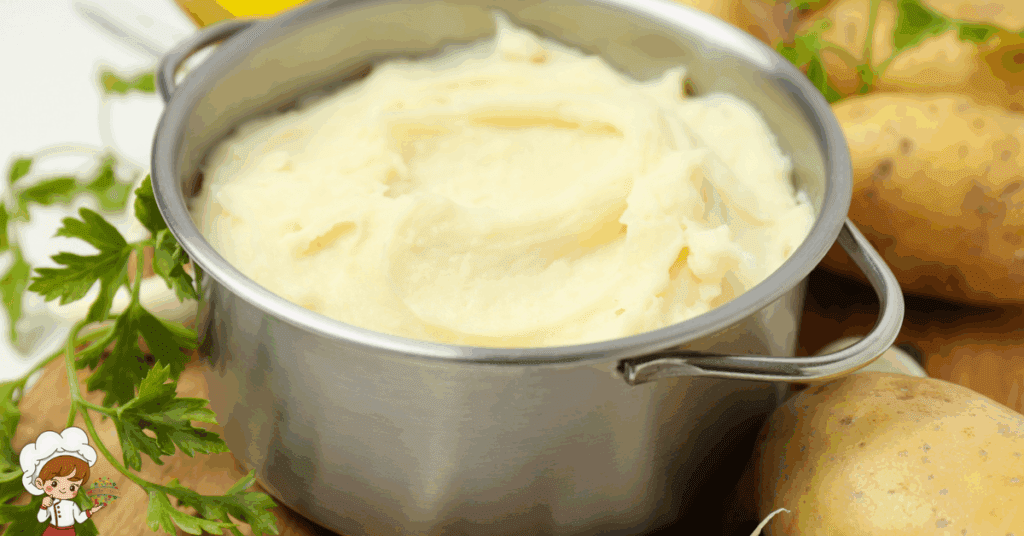
The Great Creamy History Mashed Potatoes; Few dishes capture the essence of comfort food quite like creamy mashed potatoes. Whether served alongside roast turkey at Thanksgiving, paired with rich brown gravy, or spooned next to a juicy steak, mashed potatoes have earned their place as one of the most beloved side dishes in the world. Smooth, buttery, and indulgent, this dish transcends generations and cultures. But how did mashed potatoes become the iconic comfort food we know today? The story stretches across continents and centuries, rooted in ancient agriculture and evolving through European kitchens before becoming a staple of modern American dining.
The Ancient Beginnings of the Potato
Before mashed potatoes ever graced dinner tables, the potato itself had to make an epic journey. The potato’s origin traces back more than 7,000 years to the Andes Mountains of South America, particularly in regions that are now part of Peru and Bolivia. The indigenous people of these regions, including the Inca civilization, cultivated potatoes as a major food source long before European contact.
These early potatoes were far different from the fluffy, starchy varieties we enjoy today. Many were small, bitter, and came in a rainbow of colors — from deep purple to bright yellow. Yet, the Incas learned to adapt, developing preservation methods like chuño, a freeze-dried potato that could be stored for months. Potatoes provided sustenance for communities living at high altitudes where few crops could thrive.
When Spanish explorers arrived in South America in the 1500s, they brought the potato back to Europe, forever changing global cuisine. Initially, Europeans were skeptical of the tuber, associating it with nightshade plants and even believing it to be poisonous. Over time, however, its nutritional value, versatility, and ability to grow in harsh climates helped it spread throughout Europe.
The European Evolution of Mashed Potatoes
The concept of “mashed” potatoes is believed to have developed in Europe in the 17th century, as culinary practices became more refined. One of the earliest known references to mashed potatoes appeared in The Art of Cookery, an 18th-century English cookbook written by Hannah Glasse. Her version described boiling potatoes and mashing them with butter and milk — a combination still used today.
In France, the renowned chef Antoine-Augustin Parmentier became one of the biggest advocates for potatoes. After surviving as a prisoner of war on a potato-based diet, Parmentier made it his mission to promote the potato as a staple food for France. His influence led to a surge in popularity, and mashed potatoes soon became a staple in European cuisine, particularly in French and British households.
The addition of dairy products like butter, cream, and milk transformed simple boiled potatoes into something luxurious. In wealthier homes, cooks used generous amounts of butter to achieve that irresistible creamy texture, while in rural kitchens, milk and a bit of fat served as more practical alternatives.
Mashed Potatoes Come to America
By the 18th century, potatoes had made their way to North America, where they quickly became a favored crop due to their adaptability and high yield. Immigrants from Ireland, England, and Germany brought their potato-based recipes with them, each adding unique twists.
In the early American colonies, mashed potatoes were typically prepared by hand, often with simple ingredients like butter, salt, and cream. The dish gained even more traction during the 19th century as innovations in farming made potatoes more accessible and affordable.
As American cooking evolved, mashed potatoes became a symbol of home-style comfort and hospitality. By the time Thanksgiving became a national holiday in 1863, mashed potatoes had already cemented their place on the holiday table.
The Rise of Creamy Mashed Potatoes in Modern Cuisine
The 20th century saw mashed potatoes evolve even further — from rustic side dish to culinary art form. Electric mixers and potato ricers allowed home cooks to achieve a smoother texture than ever before. Meanwhile, chefs experimented with variations like garlic mashed potatoes, loaded mashed potatoes, and mashed cauliflower for lighter alternatives.
The “creamy” style we know today often includes heavy cream, butter, and sometimes even sour cream or cream cheese. The goal is a silky, melt-in-your-mouth consistency that balances rich flavor with airy fluffiness. This luxurious texture has made creamy mashed potatoes a staple of fine dining and family kitchens alike.
Mashed potatoes also became a cultural touchstone in American advertising and media. From instant mashed potato brands in the 1950s to modern gourmet versions on restaurant menus, their adaptability and nostalgia appeal have ensured their ongoing popularity.
The Science Behind the Perfect Creamy Mashed Potatoes
Though simple in ingredients, making truly creamy mashed potatoes requires understanding a bit of food science. The texture depends heavily on the starch content of the potato. High-starch varieties like Russet or Yukon Gold produce a fluffier mash, while waxy potatoes can result in a gluey or gummy consistency if overworked.
Butter adds richness and helps coat the starch granules, while warm milk or cream loosens the texture and enhances smoothness. The temperature also matters — adding cold milk or butter can cause the potatoes to stiffen. The balance of fat and liquid determines whether your mashed potatoes turn out creamy and light or dense and heavy.
Mashed Potatoes Around the World
While mashed potatoes are often associated with American comfort food, variations exist worldwide. In Ireland, colcannon combines mashed potatoes with cabbage or kale, symbolizing prosperity during harvest festivals. Champ, another Irish favorite, blends potatoes with scallions and butter.
In France, pommes purée represents the pinnacle of mashed potato sophistication — smooth, buttery, and whipped to perfection. In India, spiced mashed potatoes called aloo bharta accompany flatbreads and curries, while in South Africa, creamy mashed potatoes often appear in traditional Sunday roasts.
Each culture has adapted mashed potatoes to fit its flavor preferences and ingredients, but the common thread remains comfort and satisfaction.
Mashed Potatoes in Popular Culture
Mashed potatoes have appeared in countless cultural moments, from classic films to viral memes. Who can forget the mountain of mashed potatoes in Close Encounters of the Third Kind or the lively “Mashed Potato” dance craze of the 1960s? These moments show how deeply embedded this dish is in our shared imagination.
From humble beginnings in the Andes to fine dining tables across the globe, creamy mashed potatoes have become much more than a side dish — they’re a cultural icon, a symbol of comfort, and a culinary bridge between generations.
The Enduring Legacy of Creamy Mashed Potatoes
Today, mashed potatoes continue to evolve with modern dietary trends. Keto and vegan variations are popular, using cauliflower, coconut milk, or plant-based butter. Yet, the traditional creamy mashed potato remains a timeless favorite. Its enduring appeal lies in its simplicity — a few ingredients combined with care to create something universally satisfying.
Whether prepared for a holiday feast or a quiet family dinner, mashed potatoes evoke feelings of warmth, nostalgia, and love. Their rich history reminds us that even the simplest foods can tell extraordinary stories — stories of discovery, adaptation, and comfort.
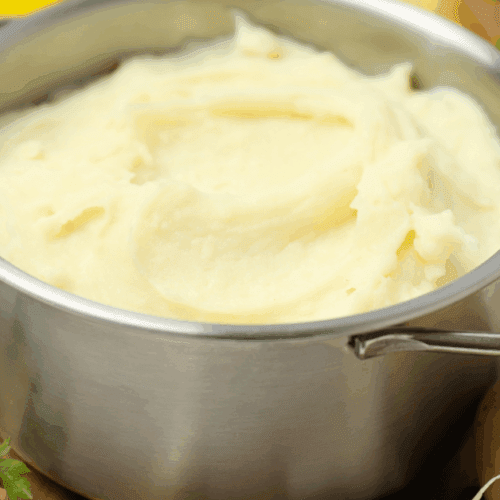
Creamy Mashed Potatoes
Ingredients
- – 2 lbs potatoes peeled and cubed
- – ½ cup butter
- – ½ cup heavy cream
- – Salt and pepper to taste
Instructions
- Boil potatoes until tender, about 15-20 minutes.
- Drain and return to the pot.
- Add butter and cream, mash until smooth, and season with salt and pepper.
Frequently Asked Questions: The Great Creamy History Mashed Potatoes
1. Where did mashed potatoes originate?
Mashed potatoes are believed to have originated in Europe during the 17th century, after the introduction of the potato from South America. Early recipes appeared in English and French cookbooks.
2. Who invented creamy mashed potatoes?
While there’s no single inventor, French chef Antoine-Augustin Parmentier played a key role in popularizing the potato in France, influencing the spread of mashed potato dishes across Europe.
3. When did mashed potatoes become popular in the United States?
Mashed potatoes became a staple in the U.S. during the 18th and 19th centuries, gaining prominence as a comfort food and a must-have dish for Thanksgiving.
4. What makes mashed potatoes creamy?
The creamy texture comes from using starchy potatoes like Russets or Yukon Golds, combined with warm butter and cream, and avoiding overmixing.
5. Are there different types of mashed potatoes around the world?
Yes. Ireland has colcannon and champ, France has pommes purée, and India has aloo bharta. Each variation reflects regional ingredients and traditions.
6. Why are mashed potatoes considered comfort food?
Their warm, soft texture and rich buttery flavor evoke feelings of home and nostalgia, making them a go-to comfort dish across cultures.
7. Are mashed potatoes healthy?
Mashed potatoes can be part of a balanced diet, especially when made with minimal butter and cream. Potatoes themselves are rich in potassium and vitamin C.
8. What is the difference between mashed and whipped potatoes?
Mashed potatoes are hand-mixed for a denser texture, while whipped potatoes are beaten for extra fluffiness and smoothness.
9. Can mashed potatoes be made ahead of time?
Yes, they can be prepared in advance and reheated gently with a bit of cream or butter to restore their creamy texture.
10. What are some modern variations of mashed potatoes?
Popular modern twists include roasted garlic mashed potatoes, cauliflower mash, vegan mashed potatoes, and loaded mashed potatoes with cheese and bacon.

A Dish That Defines Comfort
The journey of creamy mashed potatoes is a story of transformation — from ancient Andean roots to the tables of modern homes worldwide. What began as a humble crop has evolved into one of the most iconic comfort foods ever created. The dish symbolizes warmth, nourishment, and the universal human desire for something both simple and deeply satisfying.
As long as people crave comfort and connection, creamy mashed potatoes will continue to hold a cherished place in kitchens everywhere. Whether served on a holiday table or a quiet weekday night, each spoonful carries centuries of history and the timeless flavor of home.
If you enjoyed exploring this topic and want to dive even deeper, be sure to check out some of our other articles here on Infinite Flavors. From rich culinary histories to creative twists on classic recipes, there’s always something new to discover. Whether you’re curious about the origins of a dish, looking for fresh inspiration in the kitchen, or simply love learning about food culture, our collection of posts is the perfect next step on your flavor journey.
The History And Origin Of Amazing Honey Mustard Chicken
One-Pan Chicken And Veggies The Ultimate Comfort Food Classic
Amazing Guide To Preparing Delicious Vegetarian Pastas