Amazing Omega-3 Sources in Vegan Diet
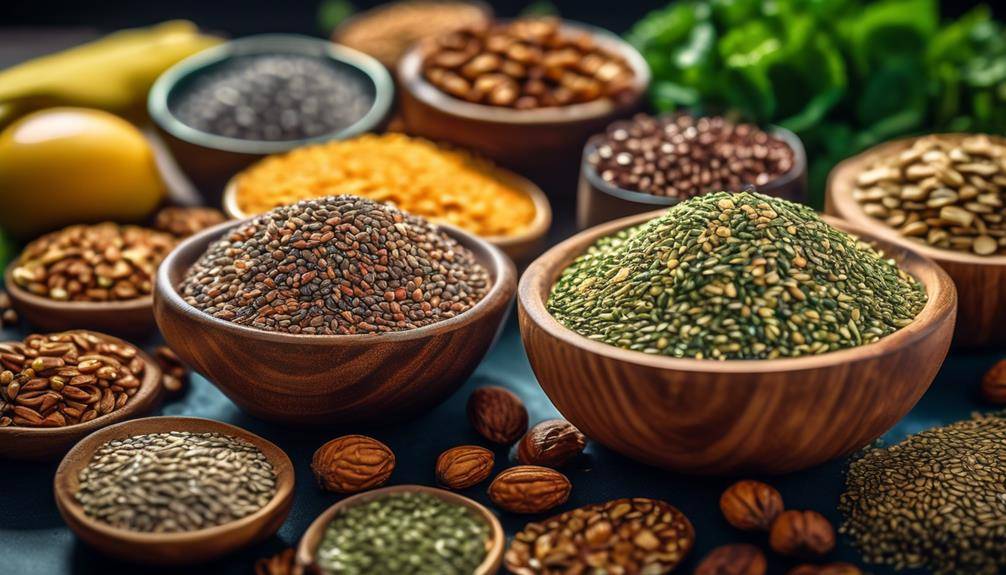
Amazing Omega-3 Sources in Vegan Diet; Are you a vegan searching for omega-3 sources? While it is commonly believed that fish is the ultimate supplier of this essential fatty acid, you might be surprised to discover that there are numerous plant-based alternatives that can meet your omega-3 needs. From flaxseeds and chia seeds to walnuts and hemp seeds, the vegan world is teeming with options. But that’s not all—algal oil, seaweed, and leafy greens also make the cut. So, if you’re curious to find out more about these vegan-friendly sources and how they can benefit your health, keep on exploring this discussion.
Flaxseeds
If you are looking for a vegan source of omega-3 fatty acids, flaxseeds are an excellent choice. These tiny seeds pack a nutritional punch and are rich in alpha-linolenic acid (ALA), a type of omega-3 fatty acid. Just one tablespoon of flaxseeds can provide you with approximately 1.6 grams of ALA, which is more than the recommended daily intake for adult men and women.
Flaxseeds are also a great source of fiber, protein, and lignans, which are plant compounds that have antioxidant and anti-inflammatory properties. The high fiber content of flaxseeds can help promote healthy digestion and regulate blood sugar levels. Additionally, the protein in flaxseeds can contribute to satiety and support muscle repair and growth.
To incorporate flaxseeds into your diet, you can grind them into a fine powder and add them to smoothies, oatmeal, or baked goods. This will help release the nutrients and make them more easily absorbed by your body. It’s important to note that flaxseeds are more effective when consumed ground rather than whole, as the outer shell is difficult for the body to break down.
While flaxseeds are a great vegan source of omega-3 fatty acids, it’s important to remember that they primarily provide ALA, which needs to be converted by the body into the active forms of omega-3s, EPA and DHA. This conversion process is not very efficient, so it may be beneficial to include other plant-based sources of omega-3s, such as chia seeds or walnuts, in your diet as well. Speak to a healthcare professional or a registered dietitian for personalized recommendations on the recommended intake of omega-3 fatty acids for your specific needs.
Chia Seeds
You may be wondering about the benefits of chia seeds and how to incorporate them into your vegan diet. Chia seeds are an excellent source of omega-3 fatty acids, which are essential for brain health and reducing inflammation in the body. They also contain fiber, protein, and antioxidants, making them a nutritious addition to your meals.
Benefits of Chia Seeds
Chia seeds offer a wide range of health benefits in a vegan diet. Here are some reasons why you should consider incorporating them into your meals:
- Chia seeds are a great source of omega-3 fatty acids, which are essential for brain health and reducing inflammation.
- They contain a good amount of fiber, promoting digestive health and aiding in weight management.
- Chia seeds are packed with antioxidants, protecting your cells from damage caused by free radicals.
When compared to flaxseeds, chia seeds have several advantages. Firstly, they can be consumed whole, while flaxseeds need to be ground to access their nutrients. Additionally, chia seeds have a longer shelf life and do not require refrigeration like flaxseeds. Lastly, chia seeds have a milder taste and can blend seamlessly into various recipes, making them a versatile ingredient.
Incorporating chia seeds into your vegan diet can provide you with numerous nutritional benefits, making them a valuable addition to your pantry.
Incorporating Chia Seeds
To incorporate the nutritional benefits of chia seeds into your vegan diet, consider trying out these simple and delicious recipes. Chia seeds are a versatile ingredient that can be used in a variety of dishes. One popular way to incorporate chia seeds is by adding them to your morning smoothie or oatmeal. Simply sprinkle a tablespoon of chia seeds into your blender or bowl and mix well.
Another option is to make chia seed pudding. Mix chia seeds with your choice of plant-based milk and a sweetener of your choice, then let it sit in the fridge overnight. The result is a creamy and nutritious pudding that can be enjoyed as a healthy dessert or snack. If you’re looking for a savory option, you can use ground chia seeds as an egg substitute in baking recipes. Chia seeds are a great source of omega-3 fatty acids, fiber, and protein, making them a valuable addition to any vegan diet.
It’s important to note that while chia seeds are an excellent source of omega-3s, they do not provide the same type of omega-3s found in fish. If you’re looking for a more direct source of EPA and DHA omega-3s, you may want to consider incorporating flaxseeds into your diet as well. Flaxseeds are another plant-based source of omega-3 fatty acids and can be used in similar ways to chia seeds.
Walnuts
Walnuts are a fantastic addition to your vegan diet, providing numerous health benefits. Not only are they rich in omega-3 fatty acids, but they also contain antioxidants and other essential nutrients. Incorporating walnuts into your recipes is an easy way to boost your omega-3 intake and enhance the flavor and texture of your meals.
Health Benefits of Walnuts
With their numerous health benefits, walnuts are an excellent addition to a vegan diet. Here are three reasons why you should consider adding walnuts to your regular diet:
- Rich in Omega-3 fatty acids: Walnuts are one of the best plant-based sources of omega-3 fatty acids. In fact, they contain more omega-3s than any other nut. These essential fatty acids play a crucial role in brain health, reducing inflammation, and supporting heart health.
- Heart-healthy: Consuming walnuts regularly has been linked to a reduced risk of heart disease. The omega-3s, antioxidants, and fiber found in walnuts all contribute to promoting heart health and lowering cholesterol levels.
- Nutrient-dense: Walnuts are packed with essential nutrients like vitamin E, magnesium, and plant-based protein. These nutrients are important for overall health and can contribute to improved energy levels, brain function, and muscle recovery.
Omega-3 Content in Walnuts
One of the best plant-based sources of omega-3 fatty acids can be found in the nutrient-dense walnuts. Walnuts are not only delicious but also provide numerous health benefits, including brain health. Omega-3 fatty acids are essential for brain function, and incorporating walnuts into a vegan diet can help prevent omega-3 deficiency. A study published in the Journal of Nutrition found that consuming walnuts increased the levels of DHA, a type of omega-3 fatty acid, in the brain. DHA is crucial for brain development and cognitive function.
Additionally, walnuts are rich in antioxidants and other nutrients that support brain health. So, by including walnuts in your vegan diet, you can ensure you are getting the omega-3 fatty acids needed for optimal brain health.
Incorporating Walnuts in Recipes
To incorporate the omega-3 rich walnuts into your recipes, you can explore various creative ways to enhance the nutritional value and flavor of your dishes. Here are some ideas to get you started:
- Add walnuts to your salads for a crunchy texture and nutty flavor.
- Use ground walnuts as a substitute for breadcrumbs in recipes like meatballs or veggie burgers.
- Create a walnut pesto by blending walnuts, garlic, basil, olive oil, and a squeeze of lemon juice.
These recipes with walnuts not only provide a delicious twist to your dishes but also offer the added benefit of omega-3 fatty acids. So go ahead and experiment with these creative walnut dishes to elevate your meals and boost your intake of essential nutrients.
Hemp Seeds
Hemp seeds are a rich source of omega-3 fatty acids in a vegan diet. Incorporating hemp seeds into your meals can provide numerous health benefits. Not only are they packed with essential nutrients, but they also offer a unique nutty flavor that complements a variety of dishes.
One of the easiest ways to enjoy the benefits of hemp seeds is by incorporating them into your daily meals. You can sprinkle them over salads, stir them into smoothies, or mix them into your favorite granola recipe. The possibilities are endless!
Including hemp seeds in your diet can provide a range of health benefits. They are known to be an excellent source of plant-based protein, containing all nine essential amino acids. This makes them a great option for vegans and vegetarians looking to boost their protein intake. Additionally, hemp seeds are rich in fiber, which can support a healthy digestive system and help maintain a feeling of fullness.
Furthermore, hemp seeds are a great source of essential fatty acids, including omega-3s. These healthy fats play a crucial role in brain function, heart health, and reducing inflammation in the body. By incorporating hemp seeds into your meals, you can ensure you’re getting an adequate amount of omega-3s in your vegan diet.
Algal Oil
Algal oil is an excellent alternative source of omega-3 fatty acids for individuals following a vegan diet. It is derived from algae, which makes it a sustainable and plant-based option. Here are some key benefits of incorporating algal oil into your diet:
- Rich in Omega-3 Fatty Acids: Algal oil is a reliable source of both eicosapentaenoic acid (EPA) and docosahexaenoic acid (DHA), the two essential omega-3 fatty acids commonly found in fish oil. These fatty acids play crucial roles in brain health, cardiovascular function, and reducing inflammation in the body.
- Sustainable and Environmentally Friendly: Algal oil production has a significantly lower environmental impact compared to fish oil. It does not contribute to overfishing or disrupt marine ecosystems. By choosing algal oil, you are making a sustainable choice that helps protect the planet’s delicate balance.
- Suitable for Vegans and Vegetarians: For those following a vegan or vegetarian diet, obtaining sufficient omega-3 fatty acids can be challenging. Algal oil provides a convenient and ethical solution as it is entirely derived from algae, a plant-based source. It allows you to meet your nutritional needs without compromising your dietary choices.
In recent years, algal oil production has significantly improved, ensuring high-quality and pure omega-3 supplements. It undergoes rigorous testing to guarantee that it is free from contaminants such as heavy metals and pollutants commonly found in fish. By incorporating algal oil into your diet, you can confidently ensure you are meeting your omega-3 requirements while also supporting sustainable and ethical practices.
Seaweed
Seaweed is a versatile and nutrient-rich plant that can be a valuable source of omega-3 fatty acids in a vegan diet. Not only does seaweed provide a unique taste and texture to dishes, but it also offers a range of health benefits. With its high levels of EPA and DHA, two essential omega-3 fatty acids, incorporating seaweed into your diet can help support brain health, reduce inflammation, and promote heart health.
One way to enjoy the nutritional benefits of seaweed is by trying out various seaweed recipes. For example, you can make a delicious seaweed salad by combining different types of seaweed, such as nori, wakame, and dulse, with a dressing made from sesame oil, soy sauce, and rice vinegar. Another option is to incorporate seaweed into your sushi rolls for an added burst of flavor and omega-3 goodness. You can also experiment with using dried seaweed as a seasoning or topping for soups, stir-fries, and rice dishes.
Apart from its rich omega-3 content, seaweed is also packed with other essential nutrients. It is an excellent source of vitamins A, C, and K, as well as minerals like iodine, calcium, and iron. These nutrients play crucial roles in maintaining a healthy immune system, supporting bone health, and promoting proper blood clotting.
When adding seaweed to your diet, it’s essential to choose high-quality, sustainably sourced seaweed products. Look for organic seaweed that has been tested for heavy metals and contaminants. Additionally, be mindful of your iodine intake, as seaweed can be a potent source of this mineral, and excessive consumption may lead to thyroid issues.
Leafy Greens
Leafy greens are a nutritious addition to a vegan diet and can be a valuable source of omega-3 fatty acids. Incorporating these nutrient-rich vegetables into your meals not only adds flavor and variety but also provides numerous health benefits. Here are three reasons why leafy greens should be a staple in your vegan recipes:
- High in Omega-3 Fatty Acids**: Leafy greens, such as spinach, kale, and arugula, are excellent sources of alpha-linolenic acid (ALA), a plant-based omega-3 fatty acid. ALA is essential for brain health, reducing inflammation, and maintaining heart health. By consuming leafy greens regularly, you can ensure an adequate intake of omega-3s without relying solely on fish or other animal-based sources.
- Packed with Essential Nutrients: Leafy greens are a powerhouse of essential vitamins and minerals. They are rich in vitamin K, which plays a crucial role in blood clotting and bone health. They also contain vitamin C, iron, calcium, and folate. These nutrients are essential for a healthy immune system, strong bones, and overall well-being.
- Versatile and Delicious**: Leafy greens can be incorporated into a wide range of recipes, making them a versatile and delicious addition to any vegan diet. From salads and smoothies to stir-fries and soups, there are countless ways to enjoy the nutritional benefits of leafy greens. Try adding spinach to your morning smoothie, sautéing kale with garlic as a side dish, or tossing arugula with roasted vegetables for a refreshing salad.
Incorporating leafy greens into your vegan diet can provide you with the omega-3 fatty acids and essential nutrients your body needs. With their versatility and delicious taste, leafy greens can easily become a staple in your recipes, adding both nutrition and flavor to your meals. So, start experimenting with different varieties of leafy greens and reap the numerous health benefits they offer.
Frequently Asked Questions: Amazing Omega-3 Sources in Vegan Diet
Can Omega-3 Supplements Be Used as an Alternative to Incorporating Plant-Based Sources in a Vegan Diet?
Omega-3 supplements can provide an alternative to incorporating plant-based sources in your vegan diet. However, it’s important to note that whole food sources like flaxseeds and chia seeds offer additional health benefits.
How Much Omega-3 Should a Vegan Consume Daily to Meet Their Dietary Needs?
To meet your dietary needs, it is recommended that you consume a daily intake of omega-3 as a vegan. Make sure to incorporate vegan omega-3 sources into your diet for optimal health.
Are There Any Potential Side Effects or Risks Associated With Consuming Omega-3 From Plant-Based Sources?
There are potential risks associated with consuming omega-3 from plant-based sources. It is important to follow dosage recommendations to avoid adverse effects such as digestive issues and vitamin E deficiency.
Is It Necessary to Consume a Variety of Omega-3 Sources to Ensure Adequate Intake of All Types of Omega-3 Fatty Acids?
To ensure adequate intake of all types of omega-3 fatty acids, it is necessary for you to consume a variety of omega-3 sources. Omega-3 deficiency in a vegan diet can be avoided by including foods like flaxseeds, chia seeds, and walnuts. These plant-based sources provide numerous benefits for your overall health.
Can Cooking or Processing Affect the Omega-3 Content in Plant-Based Sources?
Cooking and processing can impact the omega-3 content in plant-based sources. Heat and processing methods like refining can degrade omega-3 fatty acids. It’s important to consider these effects when planning a vegan diet.

Conclusion
In conclusion, incorporating omega-3 sources into a vegan diet is achievable. Flaxseeds, chia seeds, walnuts, hemp seeds, algal oil, seaweed, and leafy greens are all excellent options. These plant-based sources provide the essential fatty acids needed for optimal health while avoiding animal products. By including these foods in your daily meals, you can ensure an adequate intake of omega-3s and maintain a balanced vegan diet.