Easy Ways To Slow Cook Pork Successfully
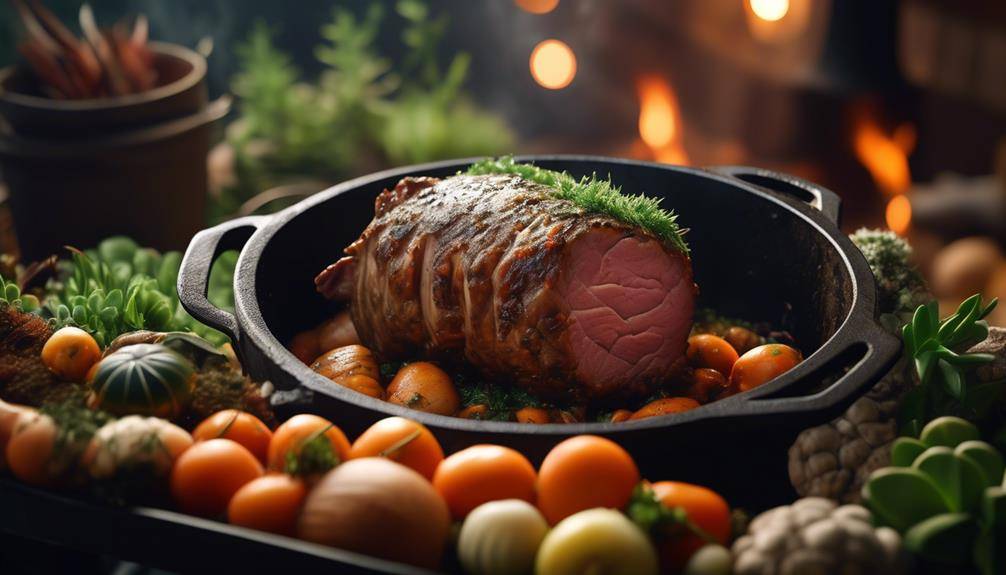
Easy Ways To Slow Cook Pork Successfully; They say, “Slow and steady wins the race.” When it comes to cooking pork, this adage holds true. Slow-cooking pork allows for tender meat that effortlessly falls off the bone, bursting with flavor. But how can you achieve this culinary masterpiece? In this discussion, we will explore effective techniques that will elevate your slow-cooked pork to new heights. From choosing the right cuts to enhancing flavors with aromatics, we will unravel the secrets behind successful slow-cooking. So, get ready to tantalize your taste buds and elevate your cooking skills to the next level.
We’ve Got Everything You Need to Make Your Masterpiece.
Choosing the Right Pork Cuts
When it comes to slow-cooking pork, selecting the perfect cut is essential for achieving tender, flavorful results that will leave you craving more. The right cut of pork can make all the difference in your dish, so it’s important to understand the different options available and how they can be prepared using various cooking techniques.
One popular cut for slow-cooking pork is the pork shoulder, also known as a Boston butt or picnic roast. This cut comes from the upper part of the pig’s shoulder and contains a good amount of marbling, which adds flavor and keeps the meat moist during the cooking process. The pork shoulder is perfect for pulled pork, as the long, slow cooking time allows the meat to become tender and easily shredded.
Another great option for slow-cooking pork is the pork loin. This cut comes from the back of the pig and is known for its lean and tender meat. It is a versatile cut that can be prepared using different cooking techniques, such as roasting or braising. The pork loin is perfect for dishes like pork roast or pork tenderloin, where you want the meat to remain juicy and flavorful.
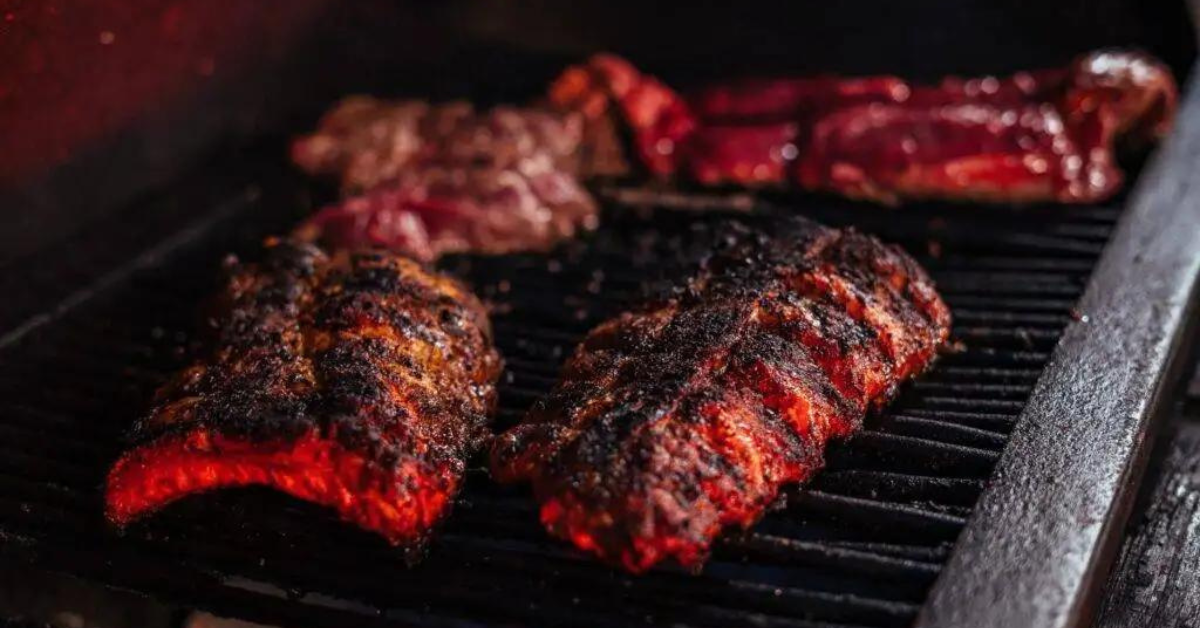
Lastly, the pork ribs are a classic choice for slow-cooking. Whether you prefer baby back ribs or spare ribs, slow-cooking them allows the meat to become tender and fall-off-the-bone delicious. The ribs can be prepared using various cooking techniques, such as smoking or braising, to achieve that melt-in-your-mouth texture and rich flavor.
Preparing the Pork for Slow-Cooking
To ensure the best results when slow-cooking pork, it is important to properly prepare the meat before it goes into the slow cooker. Preparing the pork involves trimming and prepping the meat, as well as brining it for tenderness and flavor. Here are four techniques to help you prepare your pork for slow-cooking:
- Trim the excess fat: Start by removing any excessive fat from the pork. While some fat can add flavor, too much can make the dish greasy. Trim the visible fat, leaving a thin layer for added flavor and moisture.
- Prepping the meat: Before placing the pork in the slow cooker, season it with your preferred spices and herbs. This will enhance the flavor of the meat as it simmers slowly. You can use a dry rub or a marinade to infuse the pork with even more flavor.
- Brining for tenderness: Brining involves soaking the pork in a saltwater solution for several hours before cooking. This process helps to tenderize the meat and improve its moisture retention. To make a brine, dissolve salt and sugar in water, then submerge the pork in the brine for the desired time.
- Brining for flavor: If you want to add more flavor to your pork, consider using a flavored brine. You can add herbs, spices, citrus zest, or even a touch of honey to the brine. This will infuse the pork with additional layers of taste, making it even more delicious.
Seasoning Techniques for Flavorful Pork
Looking to add mouthwatering flavor to your slow-cooked pork? Try these seasoning techniques for a burst of deliciousness in every bite. Infusing flavors into your pork is the key to creating a memorable and flavorful dish. One effective technique is to marinate the pork in a mixture of herbs, spices, and liquids. This allows the flavors to penetrate the meat, resulting in a more flavorful and tender end product.
Another technique that can greatly enhance the flavor of your pork is brining. Brining involves soaking the meat in a saltwater solution, which helps to tenderize the meat and infuse it with flavor. You can add additional ingredients to the brine, such as herbs, spices, or even fruit juices, to further enhance the flavor of the pork.
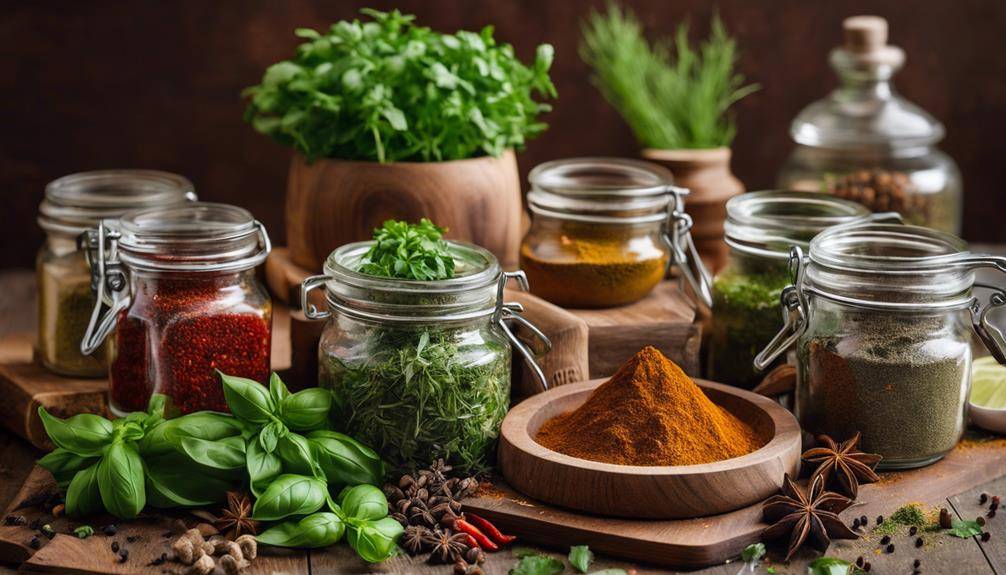
When it comes to seasoning your slow-cooked pork, don’t be afraid to get creative. Experiment with different combinations of herbs and spices to find the flavors that you enjoy the most. Some popular options include garlic, paprika, cumin, rosemary, and thyme. These spices can add depth and complexity to your dish, taking it from ordinary to extraordinary.
In addition to herbs and spices, consider adding other ingredients to your seasoning mix. For example, citrus zest can add a bright and refreshing flavor, while brown sugar can add a touch of sweetness. Don’t forget about the power of acidity either – a splash of vinegar or lemon juice can help to balance out the richness of the pork.
Marinating Vs. Dry Rubbing: Which Is Better?
When it comes to slow-cooking pork, the age-old debate of marinating versus dry rubbing still lingers. Marinating allows the flavors to penetrate deep into the meat, resulting in a juicy and tender outcome. On the other hand, dry rubbing creates a flavorful crust on the outside, adding a delightful textural contrast. Ultimately, the choice between marinating and dry rubbing depends on your personal preference and the flavor profile you want to achieve.
Marination Benefits
Marinating and dry rubbing are two popular techniques for enhancing the flavor and tenderness of pork, but which method is truly superior? Let’s explore the benefits of marinating and why it might be the better choice:
- Enhanced Flavor: Marinating allows the flavors to penetrate deep into the meat, resulting in a more flavorful and delicious end product.
- Increased Tenderness: The acidic components in marinades, such as vinegar or citrus juices, help break down the proteins in the pork, making it more tender and juicy.
- Moisture Retention: Marinating creates a barrier that helps the meat retain its moisture during the cooking process, preventing it from drying out.
- Versatility: Marination techniques offer endless possibilities. Whether you prefer sweet, spicy, or tangy flavors, you can customize your marinade to suit your taste preferences.
Dry Rub Advantages
Now let’s explore the advantages of dry rubbing for enhancing the flavor and texture of pork, and see how it compares to marinating. Dry rub techniques offer a unique way to infuse your pork with a burst of flavor. By combining a variety of spices, herbs, and seasonings, you can create a dry rub that perfectly complements the natural taste of the pork. The benefits of dry rubbing are numerous.
Firstly, it creates a delicious crust on the outside of the meat, adding a satisfying crunch to each bite. Additionally, dry rubbing allows the flavors to penetrate the meat more deeply, resulting in a more flavorful and tender pork. Unlike marinating, dry rubbing requires less time, making it a convenient option for those who want to enjoy a delicious pork dish without the wait. So, if you’re looking for a quick and flavorful way to enhance your pork, give dry rubbing a try!
We’ve Got Everything You Need to Make Your Masterpiece.
Flavor Comparison
To determine which technique, marinating or dry rubbing, yields superior flavor when cooking pork, let’s delve into a flavorful comparison. Both marinating and dry rubbing offer unique ways to enhance the taste of pork, but the choice ultimately depends on your flavor preferences and cooking techniques. Here’s a breakdown of the key differences:
- Marinating: Marinating involves soaking the pork in a flavorful liquid mixture for an extended period. This technique allows the meat to absorb the flavors deeply, resulting in a moist and tender texture.
- Dry Rubbing: Dry rubbing involves coating the pork with a mixture of spices, herbs, and seasonings. This technique creates a crust on the meat’s surface, adding a burst of intense flavors and a delightful crispy texture.
- Intensity of Flavor: Marinating offers a more subtle and well-rounded flavor profile, while dry rubbing provides a bold and concentrated taste experience.
- Cooking Techniques: Marinating is ideal for slow-cooking methods like grilling or roasting, while dry rubbing is perfect for quick-cooking methods like grilling or pan-searing.
Ultimately, the choice between marinating and dry rubbing depends on your personal preferences and the cooking technique you plan to use. Experiment with both methods to find the one that suits your taste buds and cooking style the best.
Adding Liquids for Moisture and Flavor
For a succulent and flavorful slow-cooked pork dish, enhance the moisture and taste by incorporating a variety of liquids. Adding wine and fruit juices to your slow-cooked pork not only adds moisture, but also infuses the meat with a burst of flavor.
When it comes to adding liquids, wine is a popular choice for many slow-cooked pork recipes. The acidity in wine helps to tenderize the meat and adds a rich, complex flavor. Red wine pairs well with darker cuts of pork, such as pork shoulder or ribs, while white wine complements leaner cuts like pork loin or tenderloin. Choose a wine that you enjoy drinking, as its flavor will intensify during the long cooking process.
Fruit juices, on the other hand, add a touch of sweetness to the pork. Apple juice or cider is a classic choice that pairs well with pork. The natural sugars in the juice help to caramelize and glaze the meat, creating a delicious outer crust. Pineapple juice is another option that adds a tangy and tropical twist to your slow-cooked pork.
To incorporate these liquids into your slow-cooked pork, simply pour them over the meat before cooking. Make sure to use enough liquid to cover the meat at least halfway, as this will help keep it moist during the long cooking process. You can also use a combination of liquids for added flavor complexity.
Selecting the Perfect Cooking Temperature
When it comes to slow-cooking pork, selecting the perfect cooking temperature is crucial for achieving tender, juicy meat. The optimal cooking temperature for pork is typically between 200-225°F (93-107°C), allowing the meat to slowly break down and develop rich flavors. To ensure precise temperature control, use a reliable meat thermometer and adjust the heat accordingly throughout the cooking process.
Optimal Cooking Temperatures
Achieving the perfect cooking temperature for your slow-cooked pork is crucial for tender, succulent results. To ensure your pork turns out just right, here are four temperature control techniques to consider:
- Low and Slow: Cooking your pork at a low temperature, around 225°F (107°C), allows the collagen in the meat to break down slowly, resulting in melt-in-your-mouth tenderness.
- Internal Temperature: Use a meat thermometer to monitor the internal temperature of the pork. For pulled pork, aim for an internal temperature of 195°F (90°C) to 205°F (96°C) for maximum tenderness.
- Preheating: Preheating your slow cooker or oven to the desired cooking temperature before adding the pork ensures even heat distribution and consistent cooking throughout.
- Resting Time: After cooking, let the pork rest for 10-15 minutes. This allows the juices to redistribute, resulting in a more flavorful and moist final product.
Temperature Control Tips
To select the perfect cooking temperature for your slow-cooked pork, consider these temperature control tips. When using a slow cooker, it is important to follow the manufacturer’s instructions for recommended cooking temperatures. Most slow cookers have low, medium, and high settings, with low being around 180°F (82°C) and high around 300°F (149°C). If you prefer a tender and juicy pork, it is best to cook it on low for a longer period of time.
This allows the collagen in the meat to break down slowly, resulting in a more tender texture. Alternatively, if you are using a stovetop method, you can control the temperature by adjusting the heat. Keep in mind that cooking at a lower temperature for a longer time will yield better results compared to cooking at high heat. So, whether you’re using a slow cooker or stovetop method, be sure to use the appropriate temperature control techniques for the best slow-cooked pork.
Slow-Cooking Times for Different Pork Cuts
For perfectly tender and flavorful pork, different cuts require varying slow-cooking times. To ensure that you achieve the best results, it’s important to understand the recommended cooking times for each cut. Here are the slow-cooking times for two popular pork cuts:
- Slow Cooking Times for Pork Loin:
- Boneless Pork Loin: This lean cut of meat generally takes around 4 to 6 hours to cook on low heat. It’s important to note that the cooking time may vary depending on the thickness of the loin.
- Pork Tenderloin: This tender and juicy cut cooks relatively quickly. It usually takes about 2 to 3 hours on low heat to achieve perfect tenderness.
- Slow Cooking Times for Pork Shoulder:
- Boneless Pork Shoulder: Also known as pork butt, this cut is ideal for slow cooking. It requires around 8 to 10 hours on low heat to become tender and easily pull apart.
- Pork Shoulder Roast: Similar to boneless pork shoulder, a roast will take approximately the same amount of time to cook. However, it’s important to adjust the cooking time based on the weight of the roast.
Using the Slow Cooker Vs. Oven: Pros and Cons
Using either a slow cooker or an oven to cook pork has its own advantages and disadvantages. When it comes to convenience and versatility, the slow cooker takes the lead. With its set-it-and-forget-it functionality, you can easily prepare your pork in the morning, and come home to a delicious, tender meal in the evening. The slow cooker allows you to cook pork at a low temperature for an extended period of time, resulting in tender and flavorful meat. It also has the added benefit of being able to cook large cuts of pork, such as a whole shoulder or roast, with ease.
On the other hand, the oven provides a different level of control and precision. While it may require more hands-on attention, the oven allows you to achieve a crispy exterior and juicy interior that is hard to replicate with a slow cooker. The higher heat of the oven also helps to caramelize the meat, creating a rich and flavorful crust. Additionally, the oven is great for dishes that require browning or searing before slow-cooking, such as ribs or pulled pork.
When it comes to taste and texture, the slow cooker tends to produce a more tender and moist result. The low and slow cooking process allows the pork to break down slowly, resulting in a melt-in-your-mouth texture. However, the oven can provide a slightly firmer texture and a more pronounced caramelized flavor.
We’ve Got Everything You Need to Make Your Masterpiece.
The Importance of Properly Sealing the Slow Cooker
When it comes to slow-cooking pork, properly sealing your slow cooker is crucial. This step not only ensures optimal flavor but also prevents moisture loss, resulting in tender and juicy meat. By creating a tight seal, you lock in all the delicious aromas and juices, allowing them to infuse into the pork as it cooks low and slow.
Sealing for Optimal Flavor
To ensure your slow-cooked pork is bursting with flavor, it is crucial to properly seal the slow cooker. A tight seal not only locks in the moisture but also traps the aromas and flavors, resulting in a succulent and delectable dish. Here are four essential benefits of proper sealing:
- Moisture retention: When the slow cooker is properly sealed, the steam and juices released during cooking are trapped inside. This helps to keep the pork moist and tender, preventing it from drying out.
- Flavor infusion: The sealed environment allows the flavors of the ingredients to meld together. As the pork simmers in its own juices, the flavors intensify, resulting in a rich and flavorful dish.
- Even cooking: Proper sealing ensures that the heat is evenly distributed throughout the slow cooker. This helps to cook the pork uniformly, avoiding any undercooked or overcooked sections.
- Time-saving: With a properly sealed slow cooker, you can set it and forget it. The tight seal retains heat and moisture, allowing the pork to cook slowly and evenly without the need for constant monitoring.
Preventing Moisture Loss
Properly sealing your slow cooker is essential to prevent moisture loss and ensure a succulent and flavorful pork dish. When cooking pork slowly, it’s important to retain as much moisture as possible to prevent dryness and maintain the juiciness of the meat.
By ensuring a tight seal, you create a controlled environment where the steam and natural juices from the pork are trapped, allowing them to circulate and keep the meat moist throughout the cooking process. To achieve this, make sure the lid is securely fitted onto the slow cooker, with no gaps or spaces for steam to escape. You can also use a layer of foil or a silicone gasket to further seal the edges. Remember, a properly sealed slow cooker is the key to preventing dryness and retaining the juiciness of your pork dish.
Avoiding Common Mistakes in Slow-Cooking Pork
Mistakes in slow-cooking pork can easily be avoided by following a few key guidelines. To ensure you achieve a tender texture without overcooking your pork, consider the following tips:
- Choose the right cut: Different cuts of pork require different cooking times and techniques. For slow-cooking, opt for cuts that are well-marbled and contain a good amount of connective tissue, such as pork shoulder or pork butt. These cuts will break down and become tender during the slow-cooking process.
- Season and sear: Before placing your pork in the slow cooker, make sure to season it generously with salt, pepper, and any other desired spices. Then, sear the meat in a hot skillet to develop a flavorful crust. This step not only adds depth to the overall taste but also helps to lock in the juices.
- Use the right amount of liquid: Slow-cooking requires enough liquid to prevent the pork from drying out, but too much can result in a watery final dish. As a general rule, aim for about 1/2 to 1 cup of liquid per pound of pork. This can be broth, stock, wine, or even a combination of these.
- Don’t lift the lid: It’s tempting to check on your pork during the cooking process, but resist the urge to open the lid. Each time you lift the lid, you release heat and steam, which can significantly increase the cooking time. Trust the process and let the slow cooker do its job.
Enhancing Flavor With Aromatics and Herbs
Now it’s time to take your slow-cooked pork to the next level by enhancing its flavor with the use of aromatics and herbs. Aromatics like garlic, onions, and ginger can add depth and complexity to your dish, while herbs like rosemary, thyme, and sage can bring freshness and earthiness. By infusing your pork with these fragrant ingredients, you’ll create a mouthwatering aroma and a deliciously seasoned meat that will leave your taste buds wanting more.
Aromatics for Flavor
Enhance the flavor of your slow-cooked pork by incorporating aromatic herbs and spices. These flavorful additions will infuse your dish with enticing scents and delicious tastes. Here are four techniques to help you make the most of aromatics for flavor:
- Herb Infusion Techniques: Utilize the power of fresh herbs by infusing them into your cooking liquid. Tie together a bundle of herbs, such as rosemary, thyme, and bay leaves, and let them steep in the liquid as your pork cooks, releasing their fragrant aromas.
- Using Aromatic Oils: Experiment with aromatic oils like garlic-infused oil or chili oil to add depth and complexity to your slow-cooked pork. Drizzle a small amount over the meat before cooking, allowing the flavors to permeate throughout the dish.
- Spice Blends: Create your own spice blends by combining aromatic spices like cumin, coriander, and paprika. Rub this flavorful mixture onto your pork before slow-cooking, ensuring every bite is bursting with aromatic goodness.
- Citrus Zest: Brighten up your slow-cooked pork by adding the zest of citrus fruits like oranges, lemons, or limes. The zesty oils from the peels will add a refreshing and aromatic twist to your dish.
With these aromatic enhancements, your slow-cooked pork will be elevated to new levels of flavor and satisfaction.
Herb Combinations
To further enhance the flavor of your slow-cooked pork, let’s explore the art of creating herb combinations that will infuse your dish with a tantalizing blend of aromatics and herbs. When it comes to herb pairing options, there are a few tried and true combinations that work exceptionally well with pork. One classic pairing is rosemary and thyme. These two herbs not only add a fragrant aroma to your dish but also bring out the natural richness of the pork.
Another popular herb combination for pork is sage and garlic. The earthy, savory flavors of sage complement the meatiness of the pork while the pungent taste of garlic adds an extra layer of depth. Lastly, don’t forget about the versatility of parsley. Its fresh, bright flavor can help balance out the richness of slow-cooked pork. Experiment with different herb combinations to find the ones that best suit your taste preferences and elevate your pork dishes to new heights.
Infusing Pork With Flavor
To infuse your pork with mouthwatering flavor, harness the power of aromatics and herbs. These ingredients not only add depth and complexity to your dish but also enhance the overall taste of the meat. Here are four ways you can infuse your pork with spices and enhance the flavor with fruit:
- Create a spice rub: Mix together your favorite spices like paprika, cumin, garlic powder, and black pepper. Rub the mixture all over the pork, allowing the flavors to penetrate the meat.
- Make an herb marinade: Blend fresh herbs like rosemary, thyme, and sage with olive oil, garlic, and lemon juice. Let the pork marinate in this fragrant mixture for several hours or overnight.
- Use fruit for a sweet and tangy twist: Add sliced oranges, apples, or pineapple to your slow cooker along with the pork. As the fruit cooks, it will release its juices, infusing the meat with a subtle sweetness.
- Add aromatics to the cooking liquid: Place garlic cloves, onion quarters, and bay leaves in the slow cooker with the pork. These aromatics will infuse the meat with their rich flavors as it cooks low and slow.
Achieving a Crispy Exterior: To Sear or Not to Sear?
For a crispy exterior on your slow-cooked pork, consider the searing technique as an optional step in enhancing the overall flavor and texture. Searing involves browning the surface of the meat at high heat before transferring it to the slow cooker. This technique not only adds a beautiful caramelized crust but also helps to lock in the juices, resulting in tender and juicy pork.
To achieve a crispy crust through searing, start by patting the pork dry with paper towels. Season it generously with salt and pepper or your favorite dry rub. Heat a skillet or a sauté pan over medium-high heat and add a small amount of oil. Once the oil is hot, carefully place the pork in the pan and sear it on all sides until a golden-brown crust forms. This process usually takes about 2-3 minutes per side.
Searing the pork not only adds flavor but also enhances the texture. The high heat causes a Maillard reaction, which results in the browning and caramelization of the meat’s proteins and sugars. This reaction creates complex flavors and a rich, savory aroma that permeates the entire dish.
While searing is optional, it is highly recommended if you want to achieve a crispy exterior on your slow-cooked pork. However, if you are short on time or prefer a softer texture, you can skip this step and still enjoy a delicious and tender pork dish.
Shredding and Serving Pulled Pork
After achieving a crispy exterior through searing, the next step is to shred and serve your perfectly cooked pulled pork. Now that your pork has been slow-cooked to tender perfection, it’s time to enjoy the juicy and flavorful results. Here are four tips to help you make the most of your shredded pork recipes and get creative with serving ideas:
- Get Saucy: Pulled pork pairs perfectly with a variety of sauces. Whether you prefer tangy barbecue sauce, spicy chipotle mayo, or a zesty citrus glaze, there are endless possibilities to enhance the flavor of your shredded pork. Experiment with different sauces to find your favorite combination.
- Sandwich Sensation: One classic way to enjoy pulled pork is by piling it high on a soft bun and creating a mouthwatering sandwich. Add some crunchy coleslaw or pickles for a refreshing contrast to the rich and savory pork. Don’t forget to toast the bun to add an extra layer of texture.
- Tacos and Burritos: Transform your shredded pork into delicious tacos or burritos. Fill a warm tortilla with the tender meat, and top it with fresh salsa, guacamole, and a sprinkle of cheese. For an extra kick, drizzle some hot sauce or squeeze lime juice over the filling. These handheld delights are perfect for a quick and satisfying meal.
- Loaded Baked Potatoes: Take your baked potatoes to the next level by adding a generous helping of shredded pork on top. Top it off with sour cream, chives, and shredded cheese for a hearty and flavorful meal. The creamy and savory combination will leave you craving more.
With these tips, you can elevate your shredded pork recipes and create a memorable dining experience. So go ahead, get creative, and savor the deliciousness of your slow-cooked pulled pork.
We’ve Got Everything You Need to Make Your Masterpiece.
Storing and Reheating Slow-Cooked Pork
Storing your slow-cooked pork properly is essential to ensure its freshness and maintain its delicious flavors. After you have enjoyed your slow-cooked pork, it is important to store any leftovers correctly to avoid spoilage and foodborne illnesses. Here are some effective storing techniques and reheating methods to help you make the most out of your slow-cooked pork.
Firstly, it is crucial to cool the pork completely before storing it. Allow it to come to room temperature and then transfer it to an airtight container or wrap it tightly in plastic wrap or aluminum foil. This helps to prevent bacteria growth and maintain the pork’s moisture.
When storing the pork in the refrigerator, make sure to place it on the bottom shelf where it is the coldest. This prevents any potential cross-contamination with other foods. Slow-cooked pork can be stored in the refrigerator for up to four days.
If you want to store the pork for a longer period, freezing is the way to go. Wrap the cooled pork tightly in plastic wrap and then place it in a freezer-safe container or a zip-top bag. This will help to prevent freezer burn and maintain the pork’s quality. Slow-cooked pork can be stored in the freezer for up to three months.
When reheating the slow-cooked pork, it is best to do so slowly to avoid drying it out. You can use a microwave, oven, or stovetop to reheat the pork. Add a bit of liquid, such as broth or barbecue sauce, to help keep the meat moist during the reheating process.
We’ve Got Everything You Need to Make Your Masterpiece.
Frequently Asked Questions: Easy Ways To Slow Cook Pork Successfully
How Long Can Slow-Cooked Pork Be Stored in the Refrigerator Before It Needs to Be Reheated or Thrown Away?
You can store slow-cooked pork in the refrigerator for up to four days before it needs to be reheated or thrown away. To ensure its safety, make sure to properly reheat the pork before consuming it.
Can I Use the Same Slow Cooker for Both Meat and Vegetarian Dishes?
You can definitely use the same slow cooker for both meat and vegetarian dishes. It has its pros and cons. Just make sure to thoroughly clean it between uses to avoid any cross-contamination. Here are some tips for converting meat slow cooker recipes into vegetarian versions.
What Is the Best Way to Reheat Slow-Cooked Pork to Maintain Its Tenderness and Flavor?
To maintain the tenderness and flavor of your slow-cooked pork when reheating, the best methods include using low heat, adding a bit of liquid to prevent drying out, and covering the dish to retain moisture.
Are There Any Recommended Side Dishes or Accompaniments That Pair Well With Slow-Cooked Pork?
When it comes to pairing side dishes and accompaniments with slow-cooked pork, there are plenty of recommended options. From creamy mashed potatoes to tangy coleslaw, you have a variety of delicious choices to enhance your meal.
Can I Freeze Leftover Slow-Cooked Pork for Future Use?
Yes, you can freeze leftover slow-cooked pork for future use. It’s a convenient way to have a ready-to-eat meal on hand. Just make sure to store it properly in an airtight container or freezer bag to maintain its flavor and texture.

Conclusion
In conclusion, slow-cooking pork can result in tender and flavorful meat that is perfect for a variety of dishes. By choosing the right cuts, properly preparing and seasoning the pork, and using various techniques such as marinating or dry rubbing, adding liquids for moisture, and enhancing flavor with aromatics and herbs, you can achieve delicious results. Whether you prefer a crispy exterior or succulent pulled pork, slow-cooked pork is a versatile and delicious option. Properly storing and reheating your leftover pork ensures that you can enjoy it for days to come.