The Best Tips For Preparing Kid-Friendly Meals
Best Tips For Preparing Kid-Friendly Meals; Are you tired of the constant struggle of getting your kids to eat their meals? Well, worry no more! We’ve got some top tips that will make mealtime a breeze for you and your little ones. With some clever tricks up your sleeve, you can prepare kid-friendly meals that are not only nutritious but also delicious. So, why settle for boring and bland when you can make mealtime an exciting adventure for your kids? Stay tuned to discover our expert tips that will leave your kids asking for more.
We’ve Got Everything You Need to Make Your Masterpiece.
Plan Meals in Advance
To ensure a smooth and stress-free mealtime for your children, it is essential to plan your meals in advance. Meal planning not only saves you time and effort but also helps you provide nutritious and balanced meals for your little ones. The first step in meal planning is creating a grocery list. This list will serve as your guide when shopping for ingredients, ensuring that you have everything you need to prepare the meals you have planned.
When creating your grocery list, start by reviewing your meal plan for the week. Take note of the recipes you will be making and the ingredients required for each dish. Check your pantry and refrigerator to see what items you already have on hand. Make a list of the ingredients you need to buy, categorizing them by food group to make shopping easier. For example, group fruits and vegetables together, dairy products, proteins, grains, and so on.
As you make your grocery list, be mindful of your family’s preferences and dietary restrictions. Consider including a variety of fruits and vegetables, lean proteins, whole grains, and healthy fats in your meals. This will help ensure that your children receive the necessary nutrients for their growth and development.
Sneak in Veggies
Want to get your kids to eat more vegetables without a fuss? Try out hidden veggie recipes that cleverly incorporate vegetables into their favorite dishes, like cauliflower mac and cheese or zucchini muffins. Get creative with veggie disguises by pureeing vegetables and adding them to sauces, soups, and smoothies. And don’t forget to pack veggie-packed snacks, like carrot sticks with hummus or kale chips, to keep your kids munching on healthy options throughout the day.
Hidden Veggie Recipes
Incorporate a variety of vegetables into your family’s meals with these clever and delicious hidden veggie recipes. Sneaking in veggies is a great way to ensure your kids are getting the nutrients they need while still enjoying their meals. Hidden veggie desserts are a fantastic option for satisfying their sweet tooth while adding a dose of vegetables. Try making zucchini or carrot muffins, sweet potato brownies, or avocado chocolate pudding.
Kid-friendly veggie dips are another fantastic way to sneak in some extra veggies. You can make a delicious spinach and artichoke dip, a creamy roasted red pepper dip, or a flavorful beet hummus. These recipes are not only nutritious but also tasty, making it easier to get your kids excited about eating their veggies.
Creative Veggie Disguises
Get your creative juices flowing and find fun and sneaky ways to incorporate vegetables into your family’s meals. One creative idea is to make veggie-filled desserts. Yes, you read that right – vegetables in desserts! You can make carrot muffins, sweet potato brownies, or zucchini bread. These desserts not only taste delicious but also provide added nutrients and fiber. Another idea is to create vegetable-themed crafts.
Use different vegetables as stamps for painting, or make vegetable-shaped playdough using natural food coloring. These activities not only encourage creativity but also help familiarize children with different vegetables in a fun and interactive way. By incorporating vegetables into desserts and engaging in vegetable-themed crafts, you can make eating veggies an enjoyable experience for your kids while ensuring they get the nutrition they need.
We’ve Got Everything You Need to Make Your Masterpiece.
Veggie-Packed Snacks
Discover clever ways to sneak vegetables into your family’s snacks, ensuring they get the nutrition they need without even realizing it. Veggie-packed smoothies are a fantastic way to incorporate vegetables into your kids’ snacks. Blend a handful of spinach or kale with their favorite fruits and yogurt for a refreshing and nutritious treat. You can also try adding shredded carrots or zucchini to muffin or cookie batter for added moisture and nutrients. Another option is to make veggie-filled sandwiches. Layer thinly sliced cucumbers, bell peppers, or tomatoes with their favorite meats and cheeses for a delicious and colorful snack. By getting creative with your snack options, you can easily increase your family’s vegetable intake without any fuss.
Make It Interactive
Now let’s talk about how to make mealtime more interactive for your kids. Cooking with kids not only teaches them valuable skills, but also makes them more excited to eat the food they helped prepare. Get them involved in simple tasks like stirring, measuring ingredients, or even chopping vegetables under your supervision. Another way to make meals interactive is by presenting the food in a creative and fun way, like arranging veggies in the shape of a smiley face or making a fruit salad with different colorful fruits.
Cooking With Kids
Engage your children in the kitchen by making cooking interactive and fun. Cooking with kids is a great way to teach them important life skills while spending quality time together. Start by introducing cooking games that involve measuring ingredients or following a recipe. This not only helps them develop their math and reading skills but also keeps them engaged and entertained. However, it’s crucial to prioritize kitchen safety when cooking with kids. Teach them the importance of washing hands before handling food, using oven mitts when touching hot surfaces, and keeping knives and other sharp objects out of reach. With proper supervision and guidance, cooking with kids can be a rewarding and educational experience for both parents and children.
Food Presentation Ideas
Make your kid-friendly meals even more appealing by incorporating interactive food presentation ideas. Children are more likely to eat their meals when they find them visually interesting and engaging. One way to achieve this is by creating food art. Use different colored fruits and vegetables to make fun and creative designs on their plates. For example, you can make a smiley face using sliced strawberries for the mouth and blueberries for the eyes.
Another idea is to use fun utensils like colorful chopsticks or mini tongs. This not only adds a playful element to mealtime but also encourages fine motor skills development. By making your kid’s meals interactive and visually appealing, you can make mealtime a fun and enjoyable experience for the whole family.
We’ve Got Everything You Need to Make Your Masterpiece.
Get Creative With Presentation
Get your creative juices flowing by presenting kid-friendly meals in fun and imaginative ways. Incorporating fun shapes and using colorful ingredients can make mealtime more exciting for kids. Here are some ideas to help you get started:
- Shape it up: Transform ordinary foods into playful shapes that will capture your child’s attention. Use cookie cutters to create sandwiches in various shapes such as stars, hearts, or dinosaurs. You can also use a melon baller to create bite-sized fruit balls or shape mashed potatoes into fun figures.
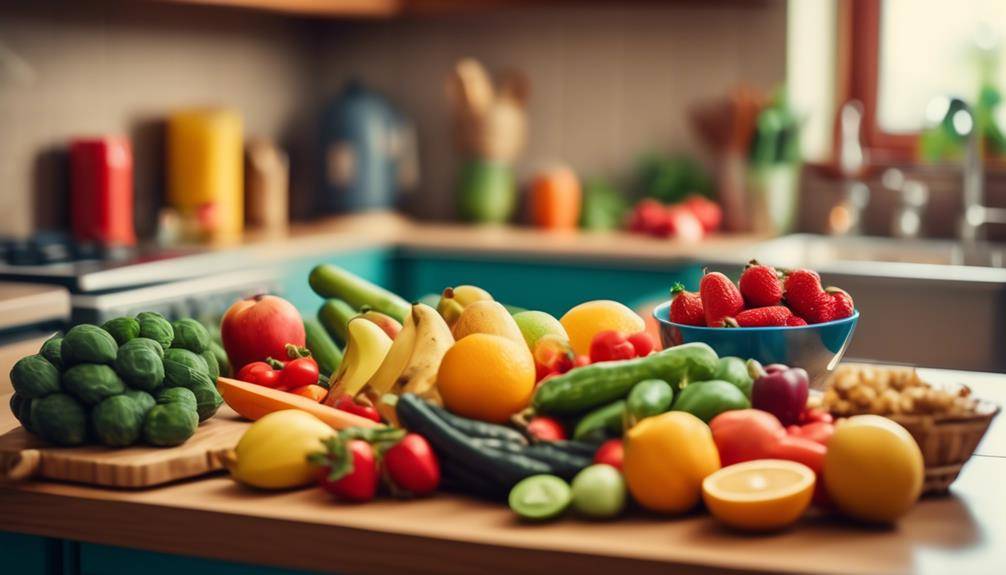
- Rainbow of colors: Kids are naturally drawn to vibrant colors, so make their meals visually appealing by incorporating a variety of colorful ingredients. Include a mix of fruits and vegetables like red strawberries, orange carrots, yellow bell peppers, and green broccoli. You can also add colorful toppings like shredded cheese or sprinkles to make the meal more enticing.
- Food art: Turn mealtime into a creative experience by encouraging your child to create their own food art. Provide them with a variety of ingredients like sliced fruits, vegetables, and cheese, and let them use their imagination to design their own edible masterpieces. This not only makes the meal more enjoyable but also encourages their creativity and independence.
Incorporate Familiar Flavors
Incorporating familiar flavors into kid-friendly meals can help ensure that your child enjoys their food and is more likely to eat a nutritious meal. When it comes to desserts, incorporating familiar flavors can be a great way to introduce new and healthier options.
One way to do this is by using familiar fruits in desserts. For example, you can make a fruit salad with a variety of fruits that your child already enjoys, such as strawberries, bananas, and apples. You can also incorporate these fruits into a smoothie or blend them to make a homemade fruit popsicle. By using familiar flavors, you can make these desserts more appealing and enticing for your child.
Another way to introduce new flavors is by incorporating them into familiar dishes. For example, if your child loves spaghetti, you can add some vegetables like carrots or zucchini to the sauce. This not only adds nutrition but also introduces new flavors in a subtle way. You can also try adding different herbs and spices to familiar dishes to enhance the taste and introduce new flavors. For example, adding a pinch of cinnamon to oatmeal or a sprinkle of garlic powder to roasted chicken can make a big difference in flavor.
Incorporating familiar flavors into kid-friendly meals is a great way to ensure that your child enjoys their food and is more likely to eat a nutritious meal. By introducing new flavors in desserts and familiar dishes, you can expand your child’s palate and make mealtime more exciting and enjoyable. So, get creative and start incorporating familiar flavors into your kid-friendly meals today!
Let Kids Help With Meal Prep
To further engage your child in the meal preparation process and foster a sense of ownership over their food choices, involve them in the kitchen by allowing them to assist with meal prep. This not only teaches them valuable skills but also has numerous benefits for their overall development. Here are some tips for involving kids in meal prep and teaching them basic cooking skills:
- Boosts Confidence and Independence: Allowing children to take part in meal preparation gives them a sense of accomplishment and boosts their self-esteem. When they see the final dish they helped create, they feel a sense of pride and ownership, which encourages them to be more independent in making healthier food choices.
- Promotes Healthy Eating Habits: Involving kids in meal prep exposes them to different types of foods and encourages them to try new flavors. This hands-on experience can help expand their palate and increase their willingness to try nutritious foods, such as fruits and vegetables.
- Teaches Valuable Life Skills: Teaching kids basic cooking skills at a young age sets them up for a lifetime of healthy eating habits. They learn important skills like measuring ingredients, following recipes, and practicing kitchen safety. These skills not only benefit their health but also prepare them for independent living as adults.
To involve your child in meal prep, start by assigning age-appropriate tasks such as washing vegetables, stirring ingredients, or assembling simple dishes. As they gain more confidence, gradually introduce more complex tasks and let them take on more responsibility. Remember to provide guidance, supervision, and praise their efforts along the way. By involving kids in meal prep, you are not only creating quality bonding time but also laying the foundation for a lifelong love of cooking and healthy eating.
We’ve Got Everything You Need to Make Your Masterpiece.
Offer a Variety of Textures
Including a variety of textures in your child’s meals can make them more appealing and help expand their palate. By offering a range of textures, you can create a more exciting and enjoyable eating experience for your little one. Not only does this make mealtime more interesting, but it also has several benefits for your child’s development and nutrition.
Firstly, offering a variety of textures introduces your child to different tastes and sensations. This can help them develop a more adventurous palate and be more open to trying new foods. For example, including crunchy vegetables, smooth purees, and chewy proteins in their meals can expose them to different textures that they may not have experienced before. This exposure can help them become more accepting of a wider range of foods.
In addition to expanding their palate, offering a variety of textures also ensures that your child’s meals have a higher nutritional value. Different textures often come from different food groups, which means your child will be getting a wider range of nutrients. For example, including both soft fruits and crunchy nuts in their meals can provide a good balance of vitamins, minerals, and healthy fats.
To incorporate a variety of textures into your child’s meals, consider adding different fruits, vegetables, grains, and proteins. You can mix soft and crunchy vegetables, blend fruits into smoothies, or serve meals with a side of crispy crackers. By providing a diverse range of textures, you can make mealtime more enjoyable and nutritious for your child.
We’ve Got Everything You Need to Make Your Masterpiece.
Make Healthy Swaps
Swap out unhealthy ingredients for healthier alternatives to make your child’s meals more nutritious. By making healthy substitutions in your kid-approved recipes, you can ensure that your child is getting the nutrients they need while still enjoying their favorite meals. Here are three simple swaps you can make to create healthier meals for your kids:
- Replace refined grains with whole grains: Instead of using white bread, pasta, or rice, opt for whole grain alternatives. Whole grains are packed with fiber, vitamins, and minerals, making them a healthier choice. Try whole wheat bread, brown rice, or whole grain pasta in your recipes. Your kids won’t even notice the difference!
- Choose lean proteins: Swap out fatty meats for leaner options to reduce the saturated fat content in your child’s meals. Opt for skinless chicken or turkey instead of high-fat cuts of meat. You can also incorporate plant-based proteins such as beans, lentils, or tofu into your recipes. These options are not only healthier but also more environmentally friendly.
- Cut back on added sugars: Many processed foods, including sauces, dressings, and snacks, contain high amounts of added sugars. Instead of using sugary condiments, try making your own dressings and sauces using natural sweeteners like honey or maple syrup. You can also provide fresh fruits as an alternative to sugary snacks. These swaps will help reduce your child’s sugar intake and promote better overall health.
Frequently Asked Questions: Best Tips For Preparing Kid-Friendly Meals
How Can I Encourage My Child to Try New Foods and Flavors?
To encourage your child to try new foods and flavors, involve them in meal preparation. Make it fun by letting them choose ingredients or help with cooking. Introduce new flavors through familiar foods they already enjoy.
Are There Any Specific Vegetables That Are Easier to Sneak Into Meals Without Kids Noticing?
You can easily incorporate vegetables into meals without kids noticing by using easy vegetable swaps and sneaky ways. This helps to encourage them to try new foods and flavors.
What Are Some Fun Ways to Make Mealtime More Interactive for Kids?
To make mealtime more interactive for kids, try involving them in the cooking process, like letting them mix ingredients or decorate their plates. You can also introduce new flavors by using fun and creative presentations, like arranging food into shapes or making colorful fruit skewers.
How Can I Make the Presentation of the Meal More Appealing to My Child?
To make the presentation of meals more appealing to your child, try making meals fun and getting creative with how you present the food. Use colorful plates, arrange the food in fun shapes, and involve your child in the process.
Can You Provide Some Examples of Healthy Swaps for Common Kid-Friendly Meals?
You can make healthy swaps for common kid-friendly meals by replacing white bread with whole wheat, using lean ground turkey instead of beef, and incorporating veggies into dishes like spaghetti sauce.

Conclusion
In conclusion, preparing kid-friendly meals doesn’t have to be a daunting task. By planning meals in advance, sneaking in veggies, making it interactive, getting creative with presentation, incorporating familiar flavors, letting kids help with meal prep, offering a variety of textures, and making healthy swaps, you can ensure that your kids are eating nutritious and enjoyable meals. These simple tips will make mealtime a positive experience for both kids and parents.