8 Great Tips For Cooking Vietnamese Cuisine
8 Great Tips For Cooking Vietnamese Cuisine; So, you think you’ve got what it takes to cook up some authentic Vietnamese cuisine? Well, get ready to embark on a culinary adventure that will tantalize your taste buds and transport you to the vibrant streets of Vietnam. In this discussion, we will explore eight essential tips that will elevate your Vietnamese cooking game to a whole new level.
From mastering the delicate art of balancing flavors to discovering the secret behind Vietnamese dipping sauces, prepare to uncover the hidden gems of this rich and diverse culinary tradition. But be warned, once you start, there’s no turning back. Get ready to take your cooking skills to the next level and immerse yourself in the wonders of Vietnamese cuisine.
Choose Fresh and High-Quality Ingredients
To create the most authentic and flavorful Vietnamese dishes, it is crucial that you select only the freshest and highest-quality ingredients available to you. Vietnamese cuisine is known for its vibrant flavors and delicate balance of sweet, savory, sour, and spicy tastes. Achieving this balance requires careful attention to ingredient selection and cooking techniques.
When it comes to ingredient selection, freshness is key. Opt for vibrant, crisp vegetables, aromatic herbs, and tender meats. Look for ingredients that are in season, as they tend to be at their peak in terms of flavor and nutritional value. For example, fresh herbs like cilantro, mint, and Thai basil add a burst of freshness to dishes like pho and spring rolls. Similarly, the quality of meat and seafood can greatly impact the final result. Choose cuts of meat that are marbled and have a good amount of fat, as this will contribute to the richness and tenderness of your dishes.
In addition to freshness, consider the quality of your ingredients. Where possible, opt for organic produce and sustainably sourced seafood. This not only ensures that you are using the best ingredients available, but also supports local farmers and promotes environmentally friendly practices.
When it comes to cooking techniques, Vietnamese cuisine offers a wide range of methods to enhance flavors. From stir-frying and grilling to braising and steaming, each technique imparts its own unique taste and texture to the dish. Understanding and mastering these techniques will take your Vietnamese cooking to the next level.
Master the Art of Balancing Flavors
Achieving the perfect balance of flavors is essential in mastering the art of Vietnamese cuisine. Vietnamese cuisine is known for its complex and harmonious flavors, which are achieved through a careful balance of sweet, sour, salty, and spicy elements. To truly master the art of Vietnamese cooking, it is crucial to understand and perfect the skill of balancing flavor combinations.
In Vietnamese cuisine, flavor balance is achieved by combining different ingredients and seasoning them in the right proportions. The key is to create a harmony where no single flavor dominates, but instead, they all work together to create a symphony of taste. For example, the sweetness of palm sugar or honey can balance out the tanginess of lime juice or tamarind, while fish sauce adds a salty umami flavor. The heat of chili peppers can be tempered with the freshness of herbs like mint and cilantro.
To achieve the perfect balance, it is important to taste and adjust the flavors as you go along. Start by adding small amounts of seasoning and gradually increase until you reach the desired taste. Remember that everyone’s palate is different, so what might be too spicy for one person could be just right for another. Experimentation and practice are key to mastering the art of balancing flavors.
In Vietnamese cuisine, achieving the perfect balance of flavors is not just about taste but also about texture. The combination of crispy, chewy, and tender elements adds another layer of complexity to the dish. For example, a crispy topping on a noodle dish can provide a contrast to the soft and chewy noodles, creating a delightful culinary experience.
Incorporate Aromatic Herbs and Spices
Incorporating aromatic herbs and spices is a key component in elevating the vibrant flavors of Vietnamese cuisine. The cuisine is known for its bold and complex flavors, and the use of fresh herbs and traditional spices plays a crucial role in achieving that delicious taste. Here are four essential tips to help you incorporate these aromatic ingredients into your Vietnamese dishes:
- Cilantro: This herb is commonly used in Vietnamese cuisine and adds a fresh and citrusy flavor to dishes. Whether you’re making a pho or a rice noodle salad, adding a handful of chopped cilantro will bring a burst of freshness to your dish.
- Thai Basil: Known for its distinct aroma, Thai basil is a staple in many Vietnamese dishes. Its peppery and slightly sweet flavor pairs perfectly with meat dishes, stir-fries, and soups. Tear the leaves and add them towards the end of cooking to preserve their flavor.
- Lemongrass: This herb adds a unique citrusy and floral note to Vietnamese dishes. It is often used in marinades and broths, infusing them with a refreshing flavor. To use lemongrass, remove the tough outer layers and finely chop the tender white part before incorporating it into your dish.
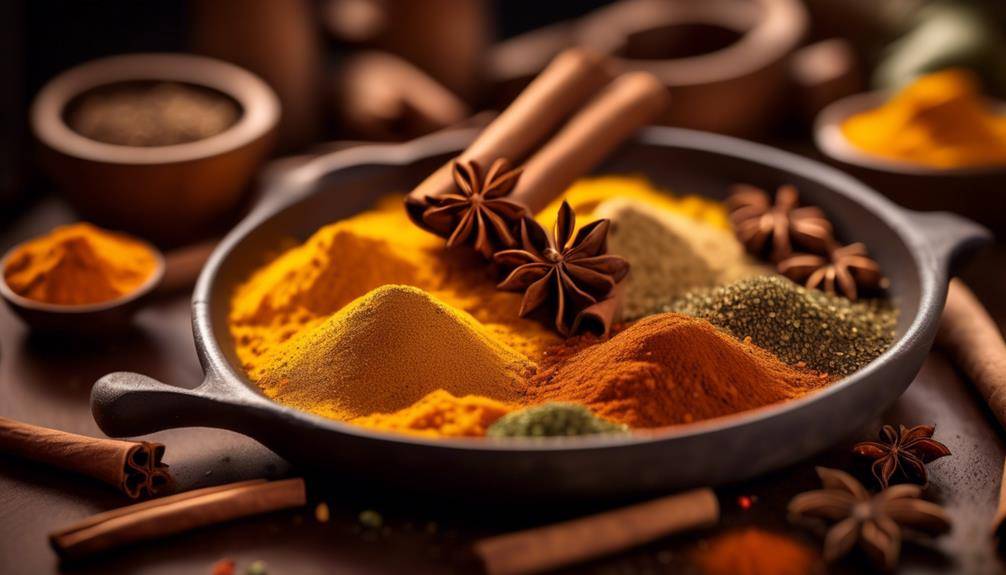
- Star Anise: This traditional spice is often used in Vietnamese cuisine to add a warm and licorice-like flavor. It is a key ingredient in pho broth, where its aromatic qualities enhance the richness of the soup. Add a couple of star anise pods to your broth and let it simmer to release its fragrant flavors.
Understand the Importance of Rice in Vietnamese Cuisine
When it comes to Vietnamese cuisine, rice plays a vital role as a staple food. It is the foundation of many dishes and is enjoyed in various forms, such as steamed rice, rice noodles, and rice paper. Vietnamese cuisine is known for its use of different rice varieties, including jasmine rice, sticky rice, and broken rice, each bringing its unique flavor and texture to the table. Understanding the importance of rice in Vietnamese cuisine is key to appreciating and mastering the art of cooking this flavorful cuisine.
Rice as a Staple
Rice, the cornerstone of Vietnamese cuisine, brings a deliciously comforting and essential element to every meal. It is no wonder that rice dishes are a significant part of Vietnamese culture. Whether it’s the fragrant and flavorful Vietnamese fried rice, the popular dish Com Tam (broken rice), or the classic Pho, rice is the star of the show.
In Vietnamese cuisine, rice is prepared using various techniques. One popular method is steaming the rice, which results in fluffy and tender grains. Another technique involves cooking the rice in a clay pot, adding a unique depth of flavor. The Vietnamese also use rice paper to make fresh spring rolls, a refreshing and healthy option.
With its versatility and ability to complement a wide variety of flavors, rice is truly the heart and soul of Vietnamese cuisine. So, the next time you enjoy a Vietnamese meal, savor the comforting taste of rice and appreciate the skill behind its preparation.
Different Rice Varieties
As we explore the significance of rice in Vietnamese cuisine, it is important to understand the various rice varieties that contribute to the rich and diverse flavors of this culinary tradition. Vietnamese cuisine is known for its extensive use of rice, and each dish requires a specific type of rice to bring out its unique taste and texture. There are different rice types commonly used in Vietnamese cooking, such as jasmine rice, sticky rice, and broken rice.
Jasmine rice is fragrant and fluffy, perfect for pairing with savory dishes. Sticky rice, on the other hand, is used in many traditional Vietnamese desserts and snacks. Broken rice is often used as a base for dishes like com tam, a popular street food. Each rice variety requires different cooking methods to achieve the best results, whether it’s steaming, boiling, or stir-frying. Understanding the different rice types and their cooking methods is crucial in creating authentic Vietnamese flavors in your own kitchen.
Learn the Techniques of Stir-Frying and Wok Cooking
Ready to elevate your Vietnamese cooking skills? Let’s dive into the techniques of stir-frying and wok cooking. Whether you’re a beginner or a seasoned chef, mastering these basics will take your dishes to the next level. From understanding the essentials of stir-frying to learning the art of wok cooking, we’ll explore the key points and essential ingredients for success in this exciting culinary journey.
Stir-Frying Basics
To master the art of stir-frying and wok cooking, immerse yourself in the sizzling world of vibrant flavors and quick cooking techniques. Stir-frying is a popular cooking method in Vietnamese cuisine that involves cooking small, bite-sized pieces of ingredients in a hot wok with a small amount of oil. Here are some essential tips to help you perfect your stir-frying skills:
- Use high heat: Stir-frying requires high heat to quickly cook the ingredients while preserving their texture and flavors.
- Prep beforehand: Cut all your ingredients into uniform sizes before you start cooking to ensure even cooking.
- Keep it moving: Constantly stir and toss the ingredients in the wok to prevent them from sticking or burning.
- Add sauce at the end: To avoid overcooking the sauce, add it towards the end of the cooking process.
Wok Cooking Techniques
Are you ready to dive into the exciting world of wok cooking techniques and master the art of stir-frying in Vietnamese cuisine? Wok cooking techniques are essential to creating authentic and delicious Vietnamese dishes. The wok, with its high, sloping sides and intense heat, allows for quick and even cooking. Stir-frying is a basic wok cooking technique that involves tossing ingredients in a hot wok with a small amount of oil. This technique ensures that the ingredients are cooked quickly while retaining their vibrant colors and crisp textures.
To master stir-frying, it is important to have all the ingredients prepared and ready to go before heating the wok. The key is to stir constantly and quickly, ensuring that the ingredients are evenly cooked and infused with the flavors of the sauce or seasonings. With practice, you’ll be able to achieve the perfect balance of flavors and textures that make Vietnamese cuisine so delicious. So grab your wok and get ready to create amazing Vietnamese dishes!
Essential Ingredients for Success
Now that you have learned the essential wok cooking techniques for creating authentic Vietnamese dishes, it’s time to explore the key ingredients that will ensure your success in stir-frying and wok cooking. To truly master the flavors of Vietnamese cuisine and bring out the best in your dishes, incorporating herbs and other essential ingredients is crucial. Here are four must-have ingredients that will elevate your stir-fries to the next level:
- Fish sauce: This pungent and savory condiment adds depth and umami to your dishes, providing that signature Vietnamese flavor.
- Fresh herbs: Fragrant herbs like cilantro, Thai basil, and mint are essential for adding brightness and freshness to your stir-fries.
- Soy sauce: A staple in Asian cooking, soy sauce adds a rich and salty element to your dishes, enhancing the overall flavor profile.
- Rice vinegar: This mild and slightly sweet vinegar is used to balance out the flavors in your stir-fries, adding a tangy and refreshing note.
Explore the Versatility of Vietnamese Dipping Sauces
Immerse yourself in the rich and flavorful world of Vietnamese cuisine by exploring the endless possibilities of their versatile dipping sauces. Vietnamese cuisine is known for its vibrant and fresh flavors, and the dipping sauces play a crucial role in enhancing the taste of the dishes. These sauces are not only easy to make, but they can also be customized to suit your personal preferences.
One of the best things about Vietnamese dipping sauces is the opportunity to explore new flavor combinations. The sauces are typically made with a combination of salty, sweet, sour, and spicy flavors, creating a harmonious balance that complements the main dish. For example, the classic nuoc cham sauce is made with fish sauce, lime juice, sugar, garlic, and chili, resulting in a tangy and slightly spicy sauce that pairs perfectly with grilled meats or spring rolls.
To further enhance the taste of your dipping sauces, consider experimenting with different spices. Vietnamese cuisine is known for its use of aromatic herbs and spices such as lemongrass, ginger, and star anise. Adding these spices to your dipping sauces can take the flavors to a whole new level. For instance, adding a touch of lemongrass to your soy-based dipping sauce can add a refreshing citrusy note, while ginger can bring a warm and earthy flavor.
The versatility of Vietnamese dipping sauces allows you to get creative in the kitchen. Don’t be afraid to try new combinations and adjust the flavors to suit your taste. Whether you prefer a tangy and spicy sauce or a milder and sweeter one, there is a Vietnamese dipping sauce out there that will perfectly complement your dish. So, go ahead and explore the world of Vietnamese dipping sauces to elevate your culinary experience.
Embrace the Use of Vibrant Vegetables and Fruits
To enhance the vibrant flavors of Vietnamese cuisine, incorporate an array of fresh and colorful vegetables and fruits into your dishes. Vietnamese cuisine is known for its use of fresh ingredients, and vegetables and fruits play a significant role in creating the unique flavors and textures that make this cuisine so delicious. By embracing the use of vibrant vegetables and fruits, you can elevate your Vietnamese dishes to new heights.
Here are some ideas to inspire you:
- Vibrant Vegetable Salads: Vietnamese cuisine offers a variety of refreshing and colorful salads that showcase the beauty of fresh vegetables. From the popular green papaya salad to the tangy and spicy mango salad, these salads are packed with flavor and are perfect as a side dish or a light meal.
- Fresh Herb Garnishes: Vietnamese dishes often feature an abundance of fresh herbs, such as Thai basil, cilantro, and mint. These herbs not only add a burst of freshness but also enhance the overall flavor of the dish. Don’t be afraid to use generous amounts of herbs to bring your Vietnamese dishes to life.
- Stir-Fried Vegetables: Stir-frying is a common cooking technique in Vietnamese cuisine, and it’s a great way to showcase the vibrant colors and textures of vegetables. Try stir-frying a mix of colorful bell peppers, carrots, and snap peas for a quick and healthy side dish.
- Fruit-Based Desserts: Vietnamese cuisine offers a range of delightful fruit-based desserts that are both refreshing and satisfying. From the creamy and fragrant coconut milk-based desserts to the simple yet delicious fruit salads, these desserts are a perfect way to end a meal on a sweet note.
Experiment With Traditional Vietnamese Cooking Techniques
To take your Vietnamese cuisine to the next level, it’s time to explore the rich and traditional cooking techniques that make this cuisine so unique and flavorful. Traditional Vietnamese food is known for its delicate balance of flavors and textures, achieved through various cooking methods that have been passed down through generations. By experimenting with these techniques, you can elevate your dishes to new heights and truly immerse yourself in the vibrant flavors of Vietnam.
One of the key techniques in Vietnamese cooking is stir-frying. This method involves quickly cooking ingredients over high heat, resulting in dishes that are crisp, flavorful, and full of color. By using a wok or a large skillet, you can recreate the authentic flavors of traditional Vietnamese stir-fries. The high heat allows for the ingredients to cook quickly, retaining their natural flavors and textures.
Another popular technique in Vietnamese cuisine is steaming. This gentle cooking method preserves the natural taste and nutrients of the ingredients, making it ideal for seafood, vegetables, and even rice. Steamed dishes are often light and refreshing, with a clean and delicate flavor profile. By steaming your ingredients, you can create dishes that are not only healthy but also bursting with the authentic flavors of Vietnam.
Grilling is also a common technique in Vietnamese cooking, adding a smoky and charred flavor to dishes. From grilled meats to vegetables, this technique imparts a distinct taste that is synonymous with Vietnamese cuisine. By marinating your ingredients in traditional Vietnamese flavors like lemongrass, garlic, and fish sauce, you can create grilled dishes that are bold, aromatic, and utterly delicious.
Incorporating these traditional Vietnamese cooking techniques into your repertoire will allow you to create dishes that are authentic and full of flavor. Whether you’re stir-frying, steaming, or grilling, each technique brings its own unique element to the table, ensuring that your Vietnamese dishes will be a culinary delight. So go ahead, explore these techniques, and let the rich and vibrant flavors of Vietnam come alive in your kitchen.
Frequently Asked Questions: 8 Great Tips For Cooking Vietnamese Cuisine
How Can I Ensure That the Ingredients I Choose Are Fresh and of High Quality?
To ensure your ingredients are fresh and of high quality, follow these tips: check for vibrant colors, firm textures, and no signs of wilting or browning. Trust your nose – a pleasant aroma indicates freshness.
What Are Some Common Mistakes People Make When Trying to Balance Flavors in Vietnamese Cuisine?
When trying to balance flavors in Vietnamese cuisine, common pitfalls include using too much or too little seasoning, not tasting as you go, and neglecting the importance of fresh herbs. Try adjusting slowly and tasting frequently for the perfect balance.
Are There Any Specific Herbs and Spices That Are Commonly Used in Vietnamese Cooking?
When cooking Vietnamese cuisine, you’ll commonly use herbs and spices like lemongrass, ginger, and cilantro. These flavors add a unique and vibrant taste to your dishes. Avoid common mistakes by balancing these flavors carefully.
Why Is Rice Such an Important Component in Vietnamese Cuisine?
Rice is an essential component in Vietnamese cuisine due to its cultural significance and nutritional benefits. It serves as a staple food, providing energy and nutrients, and is a symbol of prosperity and abundance in Vietnamese culture.
What Are Some Traditional Vietnamese Cooking Techniques That I Can Experiment With?
To experiment with traditional Vietnamese cooking techniques, start by learning how to properly prepare and cook rice. Try methods like steaming, stir-frying, and grilling. These techniques will add depth and flavor to your Vietnamese dishes.

Conclusion
In conclusion, cooking Vietnamese cuisine is a delightful journey that requires attention to detail and a passion for bold flavors. By choosing fresh ingredients, mastering the art of balancing flavors, and incorporating aromatic herbs and spices, you can create authentic and delicious Vietnamese dishes. Don’t forget to embrace the importance of rice, learn stir-frying techniques, explore dipping sauces, and experiment with traditional cooking methods. With these essential tips, you’ll be able to create vibrant and mouthwatering Vietnamese meals that will transport your taste buds to the streets of Vietnam.