10 Best Authentic Moroccan Dishes A Cooking Guide
Authentic Moroccan Dishes A Cooking Guide; So you think you’ve tasted it all when it comes to Moroccan cuisine? Think again. Prepare to embark on a culinary journey through the rich and vibrant flavors of Morocco’s most beloved dishes. From the aromatic tagines to the fluffy couscous, this cooking guide will introduce you to the 10 best authentic Moroccan dishes that will transport your taste buds to the bustling streets of Marrakech. But be warned, once you’ve sampled these mouthwatering delights, there’s no turning back. Can you handle the heat and the anticipation of discovering the secrets behind these exotic delicacies?
Tagine
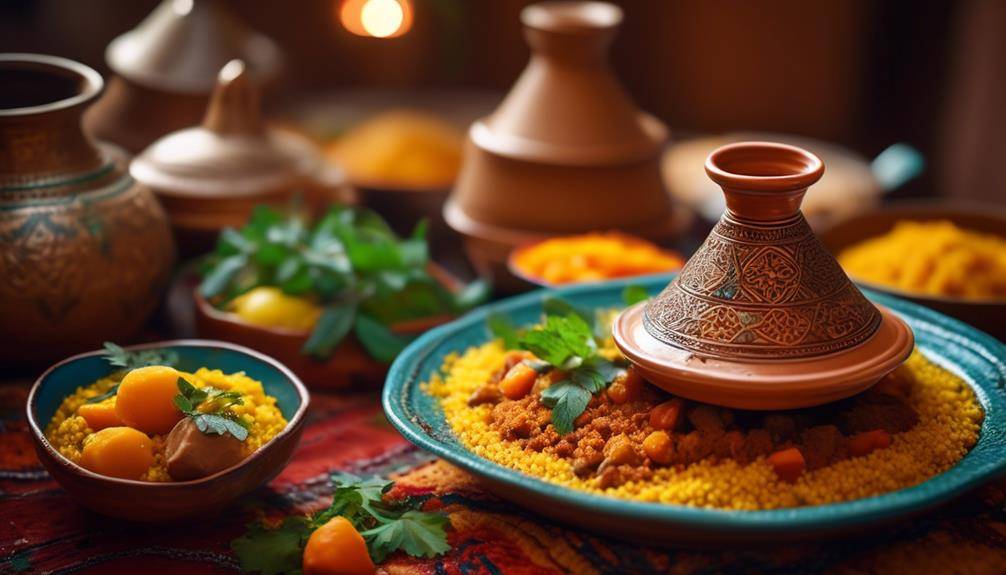
If you’re ready to embark on a culinary adventure through the vibrant flavors of Morocco, then let’s dive into the world of Tagine, a traditional Moroccan dish that will transport your taste buds to the bustling streets of Marrakech. Tagine is not just one dish, but rather a family of dishes that vary in ingredients and cooking techniques. This diversity makes it an exciting and versatile dish to explore.
Tagine variations can include meat, such as lamb, chicken, or beef, or even seafood like fish or shrimp. Vegetarian options are also popular, with combinations of vegetables and aromatic spices creating a flavorful and satisfying meal. The key to a successful Tagine is slow cooking, allowing the ingredients to meld together and develop rich flavors. The signature cone-shaped lid of the Tagine pot helps to trap and circulate the steam, ensuring tender and succulent results.
When it comes to Tagine cooking techniques, there are a few important steps to follow. First, start by searing the meat or vegetables in the bottom of the Tagine pot to lock in their juices and enhance the flavors. Next, add the spices and seasonings, such as cumin, coriander, cinnamon, and saffron, to infuse the dish with the distinctive Moroccan taste. Finally, add a liquid, such as broth or water, cover the pot with the lid, and let it simmer on low heat for several hours, allowing the flavors to meld together and create a deliciously tender and aromatic dish.
Whether you prefer a hearty meat Tagine or a fragrant vegetarian version, exploring the world of Tagine will undoubtedly awaken your senses and transport you to the vibrant streets of Morocco. So, get ready to savor the exotic flavors and embark on a culinary adventure like no other.
Couscous
Now that we’ve explored the world of Tagine and experienced the diverse and tantalizing flavors it has to offer, let’s turn our attention to another iconic Moroccan dish: Couscous. This versatile grain dish is a staple in Moroccan cuisine and is loved for its light and fluffy texture. Whether served as a side dish or as a main course, couscous is sure to impress your taste buds with its rich flavors and aromatic spices.
When it comes to traditional couscous recipes and variations, the options are endless. From the classic vegetable couscous to the hearty lamb or chicken couscous, each variation offers a unique combination of flavors and ingredients. The key to a delicious couscous lies in the perfect blend of spices, such as cumin, coriander, and turmeric, which infuse the dish with a warm and fragrant aroma. The addition of vegetables, such as carrots, zucchini, and bell peppers, adds a burst of color and freshness to the dish.
To perfect your couscous cooking technique, here are a few tips to keep in mind. First, make sure to properly steam the couscous to achieve that light and fluffy texture. This can be done by using a couscousiere, a special pot with a steaming basket, or by using a regular pot with a colander. Second, don’t skimp on the spices. Moroccan cuisine is known for its bold and vibrant flavors, so be generous with the spices to truly elevate the dish. Lastly, take your time and allow the flavors to meld together. Couscous is a dish that benefits from slow cooking, so be patient and let the ingredients simmer and develop their flavors.
Harira
Harira, a traditional Moroccan soup, is a flavorful and comforting dish that is often enjoyed during Ramadan or as a hearty meal on a cold day. This delicious soup is packed with traditional ingredients that give it its distinctive taste and texture.
The base of harira soup typically includes onions, tomatoes, and a blend of aromatic spices such as ginger, turmeric, and cinnamon. These ingredients create a rich and fragrant broth that forms the foundation of the soup. To this, you add protein in the form of lamb or beef, as well as chickpeas and lentils, which add a hearty texture and earthy flavor.
One of the great things about harira soup is that it can be adapted to suit different tastes and dietary preferences. For example, some variations of the recipe include the addition of vermicelli or broken pieces of angel hair pasta, which add a satisfying chewiness to the soup. Others might choose to add vegetables like carrots, celery, or potatoes to make it even more hearty and nutritious.
Another variation of harira soup includes the use of lemon juice, which adds a tangy and refreshing element to the dish. This twist enhances the overall flavor profile and complements the spices and other ingredients perfectly.
Pastilla
Pastilla, also known as bastilla or bisteeya, is a traditional Moroccan dish that is as beautiful as it is delicious. This savory pastry is a true masterpiece, with layers of delicate phyllo dough encasing a rich filling of spiced meat, usually pigeon or chicken, mixed with almonds, eggs, and fragrant spices like cinnamon and saffron. The combination of flavors and textures in pastilla is simply exquisite, making it a must-try dish for any food lover.
History of pastilla:
- Pastilla has a fascinating history that dates back centuries. It is believed to have originated in the royal kitchens of Fez, where it was served to sultans and nobles during special occasions.
- Traditionally, pastilla was a dish reserved for celebratory events like weddings and feasts. Its intricate preparation and luxurious ingredients made it a symbol of wealth and hospitality.
Variations of pastilla:
- While the traditional pastilla features pigeon or chicken as the main protein, there are now many variations available to suit different tastes and dietary preferences. Some popular variations include seafood pastilla, lamb pastilla, and vegetarian pastilla filled with a medley of vegetables and cheese.
- Each variation brings its own unique flavors and textures to the dish, making it versatile and adaptable to different ingredients and occasions.
When you take a bite of pastilla, you are transported to the vibrant streets of Morocco, where the aroma of exotic spices fills the air. The delicate layers of phyllo dough shatter with a satisfying crunch, revealing the succulent, fragrant filling inside. The combination of savory and sweet flavors dances on your taste buds, leaving you craving for more. Pastilla is not just a dish; it is a culinary experience that showcases the rich heritage and flavors of Morocco. So, indulge in the magic of pastilla and let your taste buds embark on a journey of pure delight.
Shakshuka
Shakshuka, a vibrant and flavorful dish from North Africa, is a culinary delight that will awaken your taste buds with its bold combination of spices and rich tomato sauce. Originating in Morocco, this dish has gained popularity worldwide for its simplicity and versatility. Shakshuka is traditionally made by simmering eggs in a fragrant tomato sauce, but there are many variations that add a unique twist to this classic recipe.
One popular variation of shakshuka is the addition of bell peppers and onions, which bring a delightful crunch and sweetness to the dish. The peppers and onions are sautéed until tender before being added to the tomato sauce, creating a harmonious blend of flavors. Another variation incorporates feta cheese, which adds a creamy and tangy element to the dish. The feta cheese crumbles are sprinkled on top of the eggs before baking, creating a melty and delicious topping.
When it comes to serving shakshuka, the possibilities are endless. You can enjoy it for breakfast, lunch, or dinner, making it a versatile dish that can be enjoyed at any time of the day. Serve it with crusty bread or pita to mop up the delicious sauce, or pair it with a fresh salad for a light and satisfying meal. For a heartier option, serve shakshuka with couscous or rice, adding an extra element of texture and substance.
Moroccan Mint Tea
Moroccan Mint Tea, a refreshing and aromatic beverage, is an integral part of Moroccan culture and a delightful way to experience the country’s rich culinary traditions. This traditional drink holds a special place in the hearts of Moroccans, and it is often enjoyed throughout the day, serving as a symbol of hospitality and friendship. Here are some reasons why Moroccan Mint Tea is a must-try:
- History and Cultural Significance: Moroccan Mint Tea has a long and fascinating history. It is believed to have originated during the 18th century and was introduced to Morocco through trade routes. Today, it is deeply ingrained in Moroccan culture and is often served as a gesture of hospitality to guests. The act of pouring tea from a height, creating a frothy layer, is a sign of respect and is believed to enhance the flavor.
- Health Benefits: Apart from its delicious taste, Moroccan Mint Tea offers numerous health benefits. Mint, the star ingredient, is known for its digestive properties and can help ease bloating and indigestion. It is also rich in antioxidants, which can boost your immune system and improve overall health. Additionally, the tea is hydrating and can be a great way to stay refreshed in Morocco’s warm climate.
- Variations: While the classic Moroccan Mint Tea is made with green tea leaves, fresh mint, and sugar, there are variations to suit different tastes. Some prefer to add other herbs like sage or lemon verbena for an extra layer of flavor. Others may choose to sweeten it with honey instead of sugar. No matter the variation, Moroccan Mint Tea is always a delightful balance of sweetness and minty freshness.
- A Ritual to Cherish: Enjoying Moroccan Mint Tea is not just about the taste, but also the experience. The tea is traditionally served in small, ornate glasses, and the ritual of pouring and serving is an art in itself. The vibrant colors and fragrant aroma create a sensory feast that transports you to the heart of Morocco.
Moroccan Mint Tea is not just a beverage; it is a cultural treasure. So, take a sip and let the flavors and traditions of Morocco enchant you.
Mechoui
With its succulent flavors and tender texture, Mechoui is a tantalizing Moroccan dish that will leave you craving for more. This traditional Moroccan dish is a true delight for meat lovers. Mechoui is made by slow-cooking a whole lamb or sheep, seasoned with special spices and seasonings, over an open fire. The result is a tender and juicy meat that is bursting with flavor.
To prepare Mechoui, traditional cooking methods are used to ensure that the flavors are infused into the meat. The lamb or sheep is marinated with a blend of special spices and seasonings, such as cumin, coriander, paprika, and garlic. The meat is then slow-cooked for hours in a special oven known as a “farran” or a pit dug in the ground. This slow-cooking method allows the meat to become incredibly tender and juicy, while the spices and seasonings create a rich and aromatic flavor.
One of the key elements that sets Mechoui apart is the use of special spices and seasonings. The combination of cumin, coriander, paprika, and garlic adds a unique and robust flavor to the dish. These spices not only enhance the taste of the meat but also create a tantalizing aroma that fills the air while it is being cooked.
The end result is a dish that is packed with flavor and has a melt-in-your-mouth texture. Each bite of Mechoui is a culinary experience that will transport you to the vibrant streets of Morocco. Whether you are enjoying it at a traditional Moroccan feast or cooking it in your own backyard, Mechoui is a dish that will impress your taste buds and leave you wanting more. So, fire up that grill and get ready to indulge in the heavenly flavors of Mechoui.
Zaalouk
Savor the vibrant flavors and aromatic spices of Zaalouk, a traditional Moroccan dish that will transport your taste buds to the heart of Morocco. Zaalouk is a savory cooked salad made from eggplant, tomatoes, garlic, and a medley of spices. This dish is a staple in Moroccan cuisine and is often served as a side dish or a dip with crusty bread.
Zaalouk comes in various variations and flavors, each adding its unique twist to the dish. Some recipes call for the addition of roasted red peppers, giving the salad a smoky and slightly sweet taste. Others incorporate cumin, paprika, and coriander, creating a rich and fragrant flavor profile. No matter the variation, Zaalouk never fails to tantalize the taste buds with its bold and exotic blend of spices.
Not only is Zaalouk a delight to the senses, but it also offers numerous health benefits and nutritional value. The main ingredient, eggplant, is low in calories and rich in fiber, making it a great choice for weight management and digestive health. Additionally, the tomatoes in Zaalouk provide a good source of vitamin C and antioxidants, promoting a healthy immune system and reducing the risk of chronic diseases.
Bastilla
Indulge in the delicate layers of flaky pastry and savory filling that make up Bastilla, a traditional Moroccan delicacy that is sure to captivate your taste buds. Bastilla, also known as Pastilla, is a renowned dish that embodies the essence of Moroccan cuisine. This exquisite pastry is a perfect balance of savory and sweet flavors, making it a truly unique culinary experience.
Traditionally, Bastilla is made with layers of thin, buttery phyllo pastry filled with a combination of tender, spiced meat, usually chicken or pigeon, and a fragrant mixture of onions, herbs, and spices. The filling is then enriched with almonds, eggs, and a touch of sweetness from sugar and cinnamon. This harmonious blend of flavors creates a remarkable contrast that is both indulgent and satisfying.
The preparation of Bastilla is an art form in itself. Each layer of the delicate pastry is carefully brushed with melted butter, ensuring a crisp and flaky texture that melts in your mouth. The filling, cooked to perfection, is then delicately placed inside the pastry and sealed with precision.
The final touch of elegance comes in the form of a dusting of powdered sugar and a sprinkle of ground cinnamon. This adds a hint of sweetness to the savory flavors, creating a symphony of taste that is simply irresistible.
Bastilla is not only a delight to the palate but also a feast for the eyes. The golden, crispy exterior gives way to a succulent and aromatic interior, presenting a visual masterpiece that is as enticing as it is delicious.
Moroccan Bread
As you continue your culinary journey through the authentic Moroccan cuisine, let’s now explore the art of Moroccan Bread, a staple that perfectly complements the rich flavors and textures found in traditional Moroccan dishes.
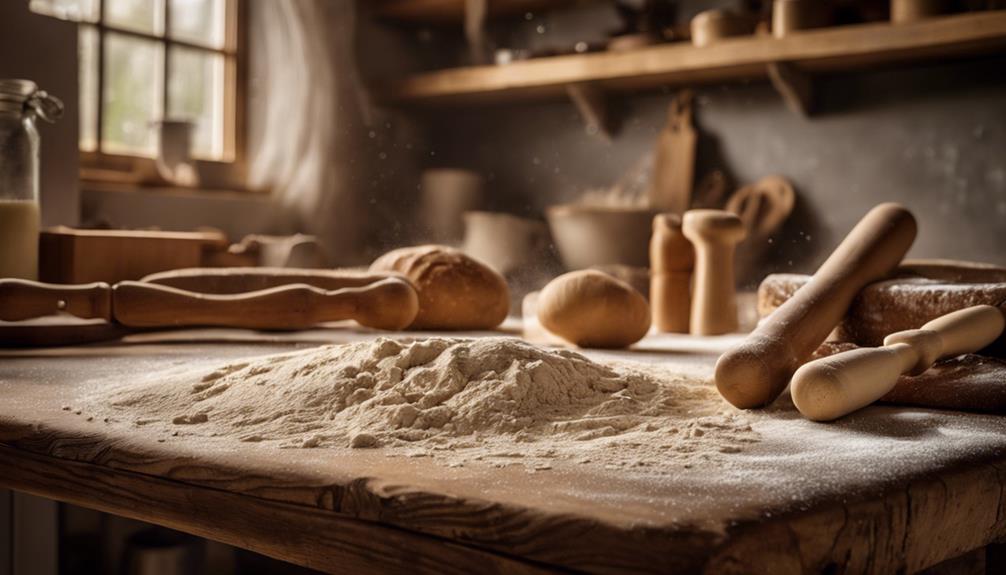
Moroccan bread is a culinary delight that comes in various traditional recipes and delightful variations. From the iconic round khobz to the thin and crispy msemen, each type of bread offers a unique taste and texture that enhances the dining experience. The aroma of freshly baked bread wafting through the air is enough to make your mouth water and your senses tingle with anticipation.
To complete your Moroccan bread experience, here are some of the best dips and spreads to serve alongside.
- Harissa: This fiery red chili paste adds a spicy kick to any bread. Made with roasted red peppers, garlic, and a blend of spices, harissa is the perfect condiment for those who like it hot.
- Zaalouk: A smoky eggplant and tomato dip, zaalouk is packed with flavors that perfectly complement the simplicity of Moroccan bread. The combination of roasted eggplant, tomatoes, garlic, and spices creates a velvety texture that is simply irresistible.
- Chermoula: This vibrant herb and spice marinade is not just for meat. It also makes a fantastic dip for Moroccan bread. Made with fresh herbs like cilantro and parsley, along with garlic, lemon juice, and spices, chermoula adds a burst of freshness to every bite.
- Olive Tapenade: For those who love the briny flavors of olives, olive tapenade is a must-try. Made with a blend of olives, capers, garlic, and olive oil, this spread is the perfect accompaniment to Moroccan bread, adding a tangy and savory element to every bite.
Frequently Asked Questions: Authentic Moroccan Dishes A Cooking Guide
What Are Some Common Spices Used in Moroccan Cuisine?
You’ll find a range of common spices in Moroccan cuisine, such as cumin, coriander, turmeric, and cinnamon. Incorporating these flavors into your everyday cooking will add a vibrant and exotic touch to your meals.
Are There Any Vegetarian or Vegan Options in Moroccan Cuisine?
You’ll be pleased to know that Moroccan cuisine offers a variety of delicious vegan and vegetarian options. From flavorful tagines with chickpeas and vegetables to fragrant couscous dishes, there’s something for everyone. And fear not, meat lovers won’t be disappointed either with savory dishes like Moroccan lamb tagine. Enjoy exploring the diverse flavors of Moroccan cuisine!
Can I Substitute Any Ingredients in Moroccan Recipes if I Can’t Find Them Locally?
If you can’t find certain ingredients for Moroccan recipes locally, don’t fret! You can easily substitute them with similar alternatives. Get creative and put a twist on traditional Moroccan dishes with your own unique touch!
Are There Any Specific Cooking Techniques or Tips That I Should Know When Preparing Moroccan Dishes?
To achieve authentic flavors in Moroccan cuisine, learn the specific cooking techniques that make their dishes so flavorful. From slow-cooking tagines to layering spices in couscous, these techniques will transport your taste buds to the vibrant streets of Morocco.
Can You Recommend Any Traditional Moroccan Desserts to Complement These Main Dishes?
For a perfect ending to your authentic Moroccan meal, indulge in traditional Moroccan desserts. From the rich and nutty flavors of baklava to the sweet and fragrant orange blossom-infused pastries, these treats will surely delight your taste buds. Don’t forget to sip on a refreshing glass of Moroccan mint tea to complete the experience.

Conclusion
In conclusion, the rich and diverse cuisine of Morocco offers a delightful culinary experience. From the succulent Tagine and aromatic Couscous to the comforting Harira and indulgent Pastilla, each dish is a testament to the country’s vibrant flavors and cultural heritage. Whether you’re a fan of spicy dishes like Shakshuka or prefer the tender and flavorful Mechoui, there is something for everyone to enjoy. Don’t forget to try the delectable Zaalouk and the exquisite Bastilla, accompanied by the irresistible Moroccan Bread. Bon appétit!