The 6 Best Techniques For Perfecting Turkish Cuisine
Techniques For Perfecting Turkish Cuisine; Unlock the secrets of Turkish cuisine and embark on a culinary journey that will transport your taste buds to the vibrant streets of Istanbul. Just like a master painter skillfully wielding a brush, you too can master the art of grilling kebabs, creating fluffy and flavorful pilaf, and perfecting the technique of making baklava. But that’s not all – there are three more tantalizing techniques waiting to be discovered. So, prepare your apron and get ready to uncover the six best techniques for perfecting Turkish cuisine. Are you ready to elevate your culinary skills to new heights?
Mastering the Art of Grilling Kebabs
To truly master the art of grilling kebabs, you must understand the perfect balance of flavors and textures that can be achieved through precise cooking techniques and the careful selection of ingredients. Grilling kebabs is a centuries-old tradition in Turkish cuisine, and it requires a certain level of skill and knowledge to achieve the desired results.
When it comes to grilling techniques, the key is to cook the kebabs over a medium-high heat. This allows the meat to cook evenly and develop a nice char on the outside while remaining juicy and tender on the inside. It’s important to turn the kebabs frequently to ensure they cook evenly on all sides.
In addition to the cooking technique, the marinade plays a crucial role in enhancing the flavor of the kebabs. There are numerous marinade recipes to choose from, each offering a unique blend of spices and ingredients. A popular marinade for Turkish kebabs includes olive oil, lemon juice, garlic, and a variety of herbs and spices such as oregano, cumin, and paprika. The longer you marinate the meat, the more flavorful it will be.
Another important aspect of grilling kebabs is the selection of ingredients. Choose cuts of meat that are suitable for grilling, such as lamb, beef, or chicken. It’s also important to choose fresh vegetables that complement the meat, such as bell peppers, onions, and cherry tomatoes.
Creating Fluffy and Flavorful Pilaf
Achieving the perfect accompaniment to grilled kebabs requires mastering the art of creating fluffy and flavorful pilaf. Pilaf, one of the most beloved and versatile dishes in Turkish cuisine, is a staple in many households. It is a delicious side dish that complements a wide variety of meats, vegetables, and stews. To create a pilaf that is both fluffy and flavorful, it is essential to use the right ingredients and techniques.
Start by selecting the right type of rice for your pilaf. Long-grain rice, such as basmati or jasmine, works best as it tends to stay separate and fluffy when cooked. Rinse the rice thoroughly to remove any excess starch, which can make the pilaf sticky.
In a large saucepan, melt some butter or heat some olive oil over medium heat. Add finely chopped onions and sauté until they become translucent and fragrant. This step adds depth and flavor to the pilaf.
Next, add the rice to the saucepan and toast it for a few minutes, stirring constantly. This toasting process helps to enhance the nutty flavor of the rice.
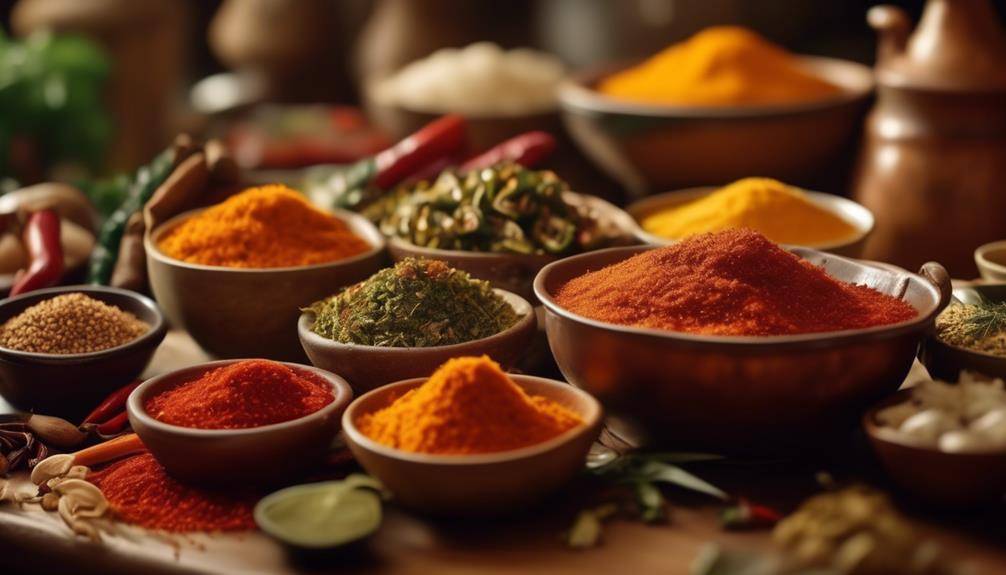
Now, it’s time to add the traditional Turkish spices to the pilaf. Common choices include cumin, cinnamon, allspice, and black pepper. These spices add a rich and aromatic flavor to the dish.
Once the spices are added, pour in the appropriate amount of water or broth, following the package instructions for the rice-to-liquid ratio. Bring the mixture to a boil, then reduce the heat to low, cover the saucepan, and let it simmer gently until the rice is cooked and the liquid is absorbed.
Perfecting the Technique of Making Baklava
To perfect the technique of making baklava, you need to start with quality ingredients such as fresh phyllo dough, a rich nut filling, and a fragrant syrup. Layering the phyllo dough is a crucial step that requires precision and care to achieve the perfect balance of crispiness and tenderness. Lastly, perfecting the syrup is essential for achieving the right level of sweetness and moisture, ensuring a delicious and decadent baklava.
Ingredients for Baklava
For perfecting the technique of making baklava, incorporating the ideal combination of high-quality ingredients is crucial. When it comes to creating a rich and flavorful filling, using the right ingredients is key. Traditional baklava fillings typically include a mixture of finely ground nuts, sugar, and spices such as cinnamon. The most common nuts used in baklava are walnuts, pistachios, and almonds.
Each nut brings its own unique flavor profile to the dessert, so it’s important to select the right type of nuts based on personal preference. Walnuts offer a rich and slightly bitter taste, while pistachios provide a delicate and slightly sweet flavor. Almonds contribute a milder and nuttier taste. By selecting the right type of nuts, you can enhance the overall taste and texture of your baklava, making it a truly delectable treat.
Layering the Phyllo Dough
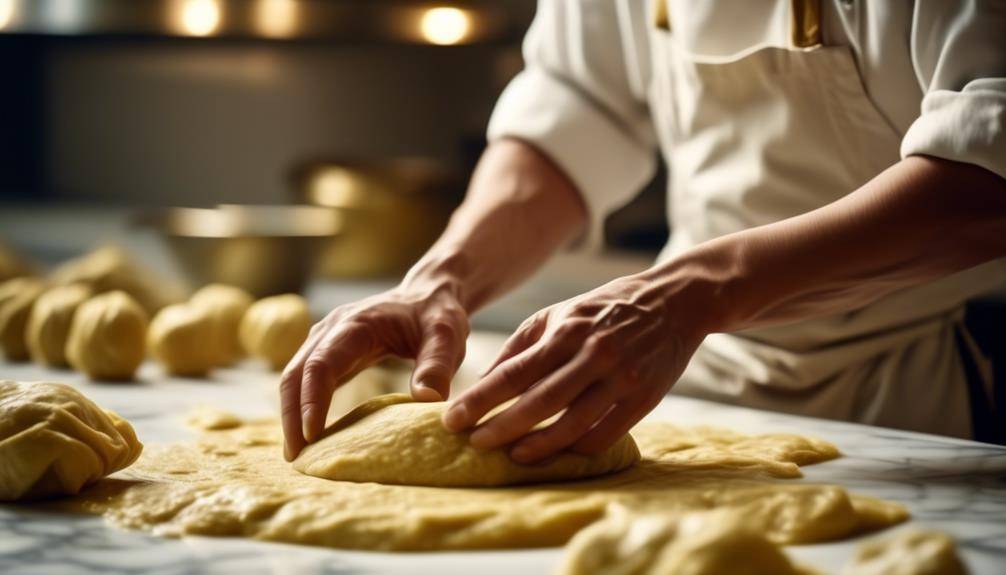
To effectively create the perfect baklava, mastering the technique of layering the delicate phyllo dough is essential. The key to achieving a flaky phyllo dough lies in proper handling and the right amount of butter or oil between each layer. Start by brushing butter or oil on the bottom of the baking dish to prevent sticking. Gently place a sheet of phyllo dough on top, making sure it covers the entire surface. Brush the sheet with more butter or oil, then add another layer of phyllo dough.
Repeat this process until you have the desired number of layers. Remember to work quickly to prevent the dough from drying out. The secrets to a crispy crust include brushing the top layer generously with butter or oil and scoring the baklava before baking. This allows for even heat distribution and ensures a golden, crispy finish. By following these tips, you’ll be able to achieve perfectly layered phyllo dough and a delectably crispy baklava crust.
Perfecting the Syrup
Mastering the art of creating the perfect baklava involves perfecting the technique of making the syrup, which is an essential component of this delicious Turkish dessert. To achieve the perfect syrup for your baklava, you must master the techniques for caramelizing sugar and the art of reducing syrup. Here are three key steps to creating the perfect syrup:
- Start by caramelizing the sugar. This involves heating granulated sugar in a saucepan over medium heat until it melts and turns into a golden-brown liquid. Stir constantly to ensure even caramelization and prevent burning.
- Once the sugar is caramelized, carefully add water to the pan. This will stop the cooking process and create a sticky, sweet syrup.
- Simmer the syrup over low heat, allowing it to reduce and thicken. This will intensify the flavors and create a rich, glossy consistency.
Mastering the Art of Making Turkish Tea
To achieve the perfect cup of Turkish tea, it is essential to understand the intricacies of the brewing process. Turkish tea is a staple in Turkish culture and is enjoyed throughout the day. It has a strong, robust flavor and a vibrant red color that is distinctively Turkish.
To start mastering the art of making Turkish tea, you will need a special teapot called a “çaydanlık” and finely ground black tea leaves. The çaydanlık consists of two stacked kettles. The bottom kettle is filled with water and heated, while the top kettle holds the tea leaves. As the water in the bottom kettle heats up, the steam rises and brews the tea leaves in the top kettle.
The brewing process requires patience and attention to detail. The water in the bottom kettle should never boil but should reach a gentle simmer. Once the water is ready, a portion of the brewed tea is poured into a small tulip-shaped glass, filling it only one-third of the way. This is then diluted with hot water from the bottom kettle, adjusting the strength of the tea to your preference.
Traditionally, Turkish tea is served with sugar cubes or a slice of lemon. As you continue to practice and refine your skills in making Turkish tea, you will discover your own unique way of enjoying it.
Mastering the art of making Turkish tea is a delightful journey that complements the mastery of Turkish coffee and creating traditional Turkish desserts. So grab your çaydanlık, some high-quality tea leaves, and immerse yourself in the rich flavors of Turkish tea.
Perfecting the Technique of Making Turkish Delight
Now let’s talk about perfecting the technique of making Turkish Delight. To create this iconic sweet treat, you’ll need a few basic ingredients such as sugar, cornstarch, and flavorings like rosewater or lemon juice. The cooking process involves precisely heating the mixture until it reaches the right consistency, and then allowing it to cool and set before cutting it into bite-sized pieces. To achieve the perfect Turkish Delight, keep in mind these tips: use a candy thermometer for accuracy, stir constantly to prevent burning, and dust the finished product with powdered sugar to prevent sticking.
Ingredients for Turkish Delight
For the perfect batch of Turkish Delight, ensure you have the finest quality ingredients at hand. Here are three key ingredients that will make your Turkish Delight truly exceptional:
- Rosewater: The delicate floral aroma of rosewater adds a delightful fragrance to your Turkish Delight. Choose a high-quality rosewater to infuse your sweet treat with a subtle, yet distinct, rose flavor.
- Cornstarch: Cornstarch is the secret to achieving the perfect texture in Turkish Delight. It helps create a smooth and chewy consistency that melts in your mouth. Make sure to use a fresh batch of cornstarch to avoid any lumps.
- Variety of flavors: Turkish Delight comes in a wide range of flavors, from classic rose to exotic pistachio or lemon. Experiment with different flavors to add a personal touch to your creation. Whether you prefer traditional or unique variations, the choice is yours to explore.
Cooking Process of Turkish Delight
Achieving the perfect batch of Turkish Delight begins with mastering the cooking process, ensuring each step is executed with precision and finesse. The cooking techniques used in making Turkish Delight are crucial to achieving its unique texture and flavor. To begin, a mixture of sugar, cornstarch, and water is heated in a saucepan until it reaches a specific temperature. This process, known as the gelatinization of starch, allows the mixture to thicken and set properly.
Traditional flavors such as rosewater, lemon, or orange blossom are then added to infuse the candy with their distinctive tastes. The mixture is then poured into a greased pan, left to cool and set, and finally cut into small squares and coated in powdered sugar. Mastering these cooking techniques and incorporating the traditional flavors will ensure the perfect batch of Turkish Delight every time.
Tips for Perfect Turkish Delight
To perfect the technique of making Turkish Delight, incorporating precise cooking methods and traditional flavors is essential. Here are some tips to help you create the perfect batch of this delightful treat:
- Use high-quality ingredients: Opt for fresh lemon juice, pure rose or orange blossom water, and a good quality cornstarch to achieve the authentic flavors of Turkish Delight.
- Cook it low and slow: Slowly simmer the mixture over low heat, stirring constantly, until it reaches the desired consistency. This gentle cooking method ensures a smooth and velvety texture.
- Dust with powdered sugar: Once the Turkish Delight has set and cooled, dust the top with powdered sugar to prevent sticking and enhance its visual appeal.
Creating Authentic Turkish Mezes
Enhance your culinary skills by mastering the art of preparing authentic Turkish mezes. These flavorful and diverse appetizers are an essential part of Turkish cuisine and are perfect for sharing with friends and family. To create an authentic Turkish meze experience, start by exploring traditional recipes that have been passed down through generations. Some popular authentic Turkish meze recipes include hummus, eggplant salad, cacik (yogurt and cucumber dip), and stuffed vine leaves. Each recipe brings its unique flavors and textures, allowing you to create a variety of mezes that will tantalize your taste buds.
Pairing Turkish mezes with the perfect wine is an art in itself. The key is to find a wine that complements the flavors of the meze without overpowering them. For example, for mezes with rich and robust flavors like grilled meatballs or fried cheese, opt for a full-bodied red wine like a Cabernet Sauvignon or a Shiraz. These wines have enough tannins and acidity to stand up to the bold flavors. On the other hand, for lighter mezes like stuffed peppers or herb-infused yogurt, a crisp and refreshing white wine like a Sauvignon Blanc or a Riesling would be an excellent choice. The acidity and fruitiness of these wines will enhance the freshness of the mezes.
Frequently Asked Questions: Techniques For Perfecting Turkish Cuisine
What Are Some Common Mistakes to Avoid When Grilling Kebabs?
When grilling kebabs, common mistakes to avoid include overcooking the meat, using too much marinade, and not properly preheating the grill. These errors can result in dry, burnt kebabs.
How Can I Make My Pilaf More Aromatic and Flavorful?
To enhance the flavors of your pilaf, try incorporating aromatic spices like cumin and cinnamon. Toast the rice before cooking to add depth. Don’t forget to sauté onions and garlic for a flavorful base.
What Are Some Tips for Achieving the Perfect Flaky Texture in Baklava?
To achieve the perfect flaky texture in baklava, try these tips: brush each phyllo sheet with melted butter, layer them evenly, and make sure to cut the baklava before baking. Enjoy your delicious treat!
What Is the Ideal Brewing Time and Temperature for Turkish Tea?
For the ideal brewing time and temperature of Turkish tea, steep the leaves for 10 minutes at 100°C. This will ensure a rich and flavorful brew that captures the essence of Turkish culture. Enjoy!
How Can I Ensure That My Turkish Delight Has the Right Consistency and Texture?
To ensure your Turkish Delight has the perfect consistency and texture, follow these steps. Start by using a candy thermometer to monitor the temperature. Then, add the right amount of cornstarch and rosewater to achieve the traditional flavors of this delightful Turkish dessert.

Conclusion
In conclusion, mastering the techniques of Turkish cuisine can elevate your culinary skills to new heights. From grilling kebabs to creating fluffy pilaf and perfecting the art of making baklava, each dish requires precision and skill. Additionally, mastering the technique of making Turkish tea and Turkish delight adds a touch of authenticity to your meals. By following these techniques, you can confidently create delicious and authentic Turkish dishes that will impress your guests and transport them to the vibrant streets of Turkey.