Your Great Guide To Cooking Traditional English Meals
Your Great Guide To Cooking Traditional English Meals; Have you ever wondered what it truly takes to master the art of cooking traditional English meals? Whether you’re a seasoned chef or a novice in the kitchen, you’ll find that delving into the world of English cuisine is a journey worth embarking on. From the iconic full English breakfast to the delectable sticky toffee pudding, this guide will reveal the secrets behind creating these beloved dishes. So, put on your apron and get ready to uncover the rich flavors and timeless traditions of English cooking.
Traditional English Breakfast
If you’re looking for a hearty and satisfying way to start your day, the Traditional English Breakfast is a delicious option that will leave you feeling nourished and ready to tackle whatever comes your way. This iconic breakfast originated in the United Kingdom and has a rich history dating back to the 13th century. The traditional ingredients of a full English breakfast include bacon, eggs, sausage, baked beans, grilled tomatoes, mushrooms, and toast.
The origin and history of the Traditional English Breakfast can be traced back to the rural farming communities of England. It was originally a meal for the working class, providing them with a substantial and energy-packed start to the day. Over time, it gained popularity among all social classes and became a staple of British cuisine.
The key ingredients of a traditional English breakfast have remained relatively consistent throughout its history. Bacon, often back bacon, is a prominent component, providing a savory and smoky flavor. Sausages, typically made from pork, add a juicy and robust taste to the meal. Eggs, usually fried or scrambled, add protein and texture. Baked beans, a unique addition to the breakfast, bring a hint of sweetness and a source of fiber. Grilled tomatoes and mushrooms provide a refreshing and earthy element.
To complete the meal, a slice of toast is often served with butter or jam. This adds a satisfying crunch and a touch of sweetness to balance out the savory flavors. The traditional English breakfast is often accompanied by a cup of tea or coffee, enhancing the overall experience.
Shepherd’s Pie
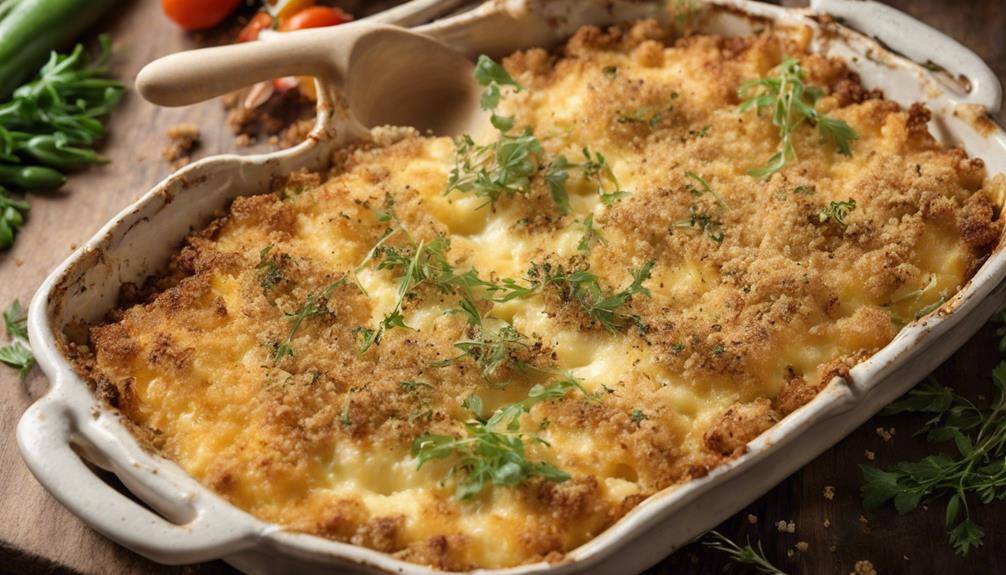
As we turn our attention from the satisfying Traditional English Breakfast, let’s now explore the flavorful world of Shepherd’s Pie, a classic dish that has delighted taste buds for generations. Shepherd’s Pie is a hearty and comforting dish made with a rich filling of minced meat, typically lamb, and topped with a layer of creamy mashed potatoes. The dish originated in the UK and has since become a staple in British cuisine.
The key ingredients for Shepherd’s Pie include minced lamb, onions, carrots, peas, tomato puree, Worcestershire sauce, and beef stock. The lamb is browned in a pan with the onions before adding in the carrots, peas, and tomato puree. The mixture is then simmered in beef stock until the flavors meld together. The mashed potatoes are made by boiling peeled potatoes until tender, then mashing them with butter, milk, salt, and pepper. The mashed potatoes are spread over the meat mixture and the dish is baked until the top is golden and crispy.
While the traditional Shepherd’s Pie uses minced lamb, there are variations that use other meats such as beef or even vegetarian options using lentils or mushrooms. Additionally, some recipes call for the addition of herbs like rosemary or thyme to enhance the flavor profile. Other variations include adding grated cheese on top of the mashed potatoes or using sweet potatoes instead. These variations add a unique twist to the classic dish while still maintaining its deliciousness.
Shepherd’s Pie is a versatile dish that can be enjoyed as a main course on its own or paired with a side salad. It is a crowd-pleasing meal that is perfect for a cozy family dinner or a gathering with friends. So why not try your hand at making Shepherd’s Pie and savor the deliciousness of this traditional English dish?
Fish and Chips
Now it’s time to talk about the iconic English dish of Fish and Chips. This classic meal consists of crispy battered fish, typically cod or haddock, served with thick-cut chips. To prepare this dish, you’ll need ingredients like flour, eggs, beer, and potatoes. Once the fish is coated in the batter and the chips are fried to perfection, serve them hot with a side of tartar sauce or mushy peas.
Ingredients and Preparation
To prepare traditional English Fish and Chips, start by gathering the necessary ingredients and prepping them for cooking. Here’s a step-by-step guide to help you achieve the perfect meal:
- Ingredients:
- Fresh white fish fillets (such as cod or haddock)
- Potatoes (preferably Maris Piper or King Edward)
- Plain flour
- Baking powder
- Salt and pepper
- Vegetable oil (for frying)
- Malt vinegar (for serving)
- Tartar sauce or mushy peas (optional)
- Preparation:
- Peel and cut the potatoes into thick chips.
- Rinse the chips in cold water and pat them dry.
- Coat the fish fillets in a mixture of flour, baking powder, salt, and pepper.
- Heat the vegetable oil in a deep fryer or large pan.
- Fry the chips until golden brown, then remove and drain on kitchen paper.
- Fry the fish until crispy and golden, then drain on kitchen paper.
Now you’re ready to enjoy your delicious traditional English Fish and Chips!
Cooking and Serving
For a truly satisfying experience, master the art of cooking and serving traditional English Fish and Chips. To achieve the perfect dish, start by preparing the fish. Choose a firm white fish like cod or haddock and coat it in a light batter made from flour, baking powder, and sparkling water. Fry the fish until golden and crispy, ensuring that the inside remains tender and flaky.
As for the chips, cut potatoes into thick, chunky pieces and fry them twice for extra crispiness. Serve the fish and chips together with a side of mushy peas, tartare sauce, and a sprinkle of salt and vinegar. To enhance the experience, serve the dish on newspaper for that authentic touch. For dessert, consider traditional English treats like apple crumble or sticky toffee pudding to complement the meal.
Roast Beef With Yorkshire Pudding
Have you ever wondered how to make the perfect Roast Beef with Yorkshire Pudding? Look no further, because we have all the tips and tricks you need to create a delicious and traditional English meal. Yorkshire Pudding is a classic dish that pairs perfectly with roast beef, and there are several variations you can try to add your own twist. Here are four variations to consider:
- Traditional Yorkshire Pudding: This is the classic recipe that has been passed down for generations. It consists of a simple batter made with flour, eggs, and milk, which is then baked until golden and crispy.
- Onion and Thyme Yorkshire Pudding: For a savory twist, add sautéed onions and fresh thyme to the batter. This will give your Yorkshire Pudding a rich and aromatic flavor that pairs beautifully with the roast beef.
- Cheesy Yorkshire Pudding: If you’re a cheese lover, try adding grated cheddar or Parmesan to the batter. As the pudding bakes, the cheese will melt and create a gooey, delicious center.
- Herb-infused Yorkshire Pudding: Experiment with different herbs like rosemary, sage, or parsley to infuse your pudding with a burst of fresh flavors. Simply chop the herbs finely and mix them into the batter before baking.
Now that you have your perfect Yorkshire Pudding, it’s time to think about side dish options. Traditional English sides include roasted potatoes, steamed vegetables, and gravy. You can also opt for a refreshing salad or some creamy mashed potatoes. The options are endless, so choose whatever complements your roast beef and Yorkshire Pudding best.
With these variations and side dish options, you can create a memorable and satisfying meal of Roast Beef with Yorkshire Pudding. So go ahead, gather your ingredients, and get ready to impress your family and friends with this quintessentially English dish.
Bangers and Mash
Bangers and Mash, a beloved and classic English dish, combines juicy sausages with creamy mashed potatoes to create a hearty and comforting meal. To make this delicious dish, you will need a few key ingredients and follow some specific cooking techniques.
Firstly, let’s talk about the ingredients. For the bangers, choose high-quality pork sausages with a good balance of meat and fat. You can also opt for beef or chicken sausages if you prefer. For the mashed potatoes, use floury potatoes such as Maris Piper or Russet. You will also need butter, milk, salt, and pepper to make the creamy mashed potatoes.
To cook the bangers, start by pricking the sausages all over with a fork. This helps to release any excess fat during cooking. Heat a frying pan over medium heat and add a little oil. Cook the sausages for about 12-15 minutes, turning occasionally until they are browned and cooked through.
While the sausages are cooking, prepare the mashed potatoes. Peel and chop the potatoes into even-sized chunks. Place them in a large pot of salted boiling water and cook until tender. Drain the potatoes and return them to the pot. Add butter, milk, salt, and pepper to taste. Mash everything together until smooth and creamy.
To serve, place a generous spoonful of mashed potatoes on a plate and top with the cooked sausages. You can also add some caramelized onions or gravy for extra flavor. Enjoy your bangers and mash hot, and savor the delicious combination of flavors and textures.
Chicken Tikka Masala
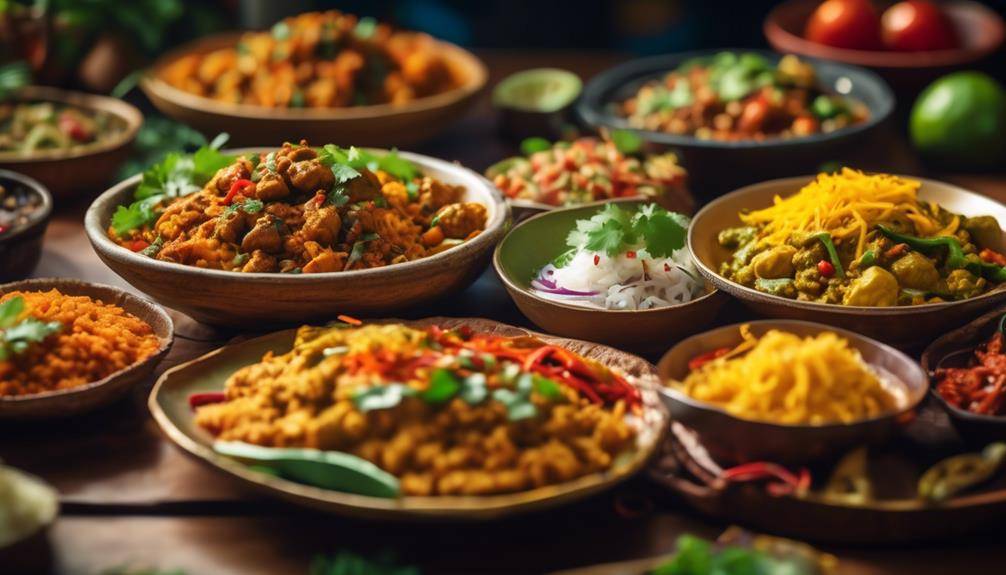
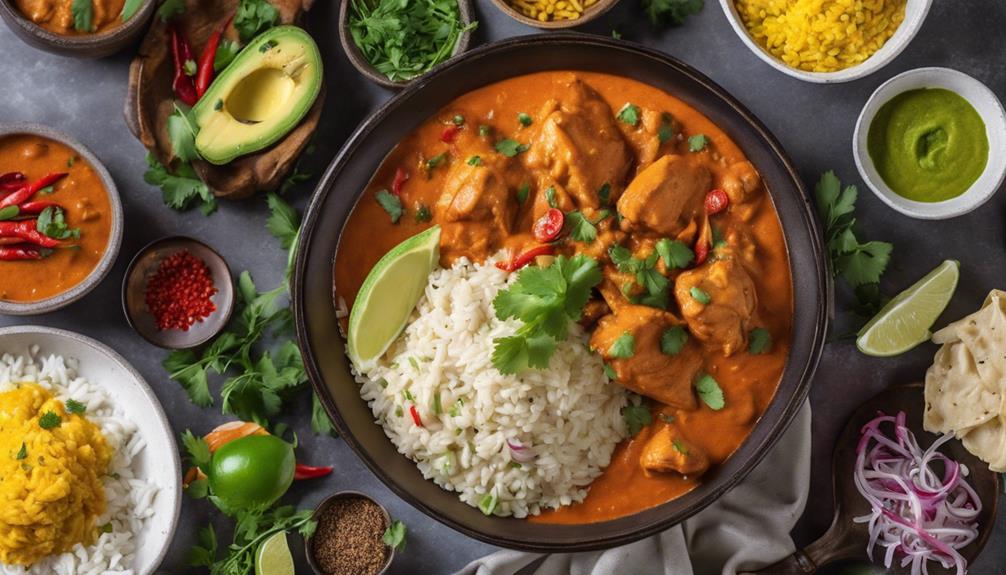
Chicken Tikka Masala is a flavorful and popular dish that combines tender chicken pieces with a rich and creamy tomato-based sauce. This beloved dish has an interesting origin and history, as it is not originally from England but has become a staple in British cuisine. Here are four key points to understand about Chicken Tikka Masala:
- Origin and History: Chicken Tikka Masala is believed to have originated in the Indian subcontinent. It is said to have been created by Bangladeshi chefs in the United Kingdom in the 1960s. The dish was reportedly born out of a desire to cater to British taste preferences by adding a creamy tomato sauce to traditional Indian chicken tikka.
- Traditional Ingredients: The main ingredient in Chicken Tikka Masala is marinated chicken tikka, which is made by marinating boneless chicken pieces in a mixture of yogurt and spices such as cumin, coriander, and turmeric. The chicken is then grilled or baked until tender and charred. The sauce is made with a combination of tomatoes, onions, garlic, ginger, and a blend of aromatic spices like garam masala.
- Flavor Profile: Chicken Tikka Masala is known for its bold and complex flavors. The tender chicken is infused with the spices from the marinade, while the creamy tomato-based sauce adds a tangy and slightly sweet element to the dish. The combination of spices and the richness of the sauce create a harmonious balance of flavors that is both comforting and satisfying.
- Popular Accompaniments: Chicken Tikka Masala is often served with steamed basmati rice or naan bread, which help to soak up the flavorful sauce. It can also be accompanied by traditional Indian side dishes like raita (yogurt dip) or papadums (thin and crispy lentil wafers).
Chicken Tikka Masala has undoubtedly become a beloved dish in England, showcasing the cultural fusion and culinary diversity that is characteristic of British cuisine. Its origin and traditional ingredients make it a fascinating addition to any traditional English meal.
Beef Wellington
Beef Wellington is a classic and elegant dish that showcases the artistry and skill of traditional English cooking. This iconic dish consists of tender beef fillet coated with a rich duxelles, which is a mixture of finely chopped mushrooms, onions, and herbs, all wrapped in buttery puff pastry.
The origin of Beef Wellington can be traced back to the early 19th century in England. It is believed to be named after Arthur Wellesley, the Duke of Wellington, who was known for his love of beef and mushrooms. The dish gained popularity in the 20th century and has become a staple of British cuisine.
Preparing Beef Wellington requires precision and attention to detail. First, the beef fillet is seared to seal in the juices, then it is coated with the duxelles mixture. The pastry is rolled out and the coated fillet is placed in the center. The pastry is then carefully wrapped around the beef, creating a neat package. It is important to ensure that the pastry is properly sealed to prevent any leakage during baking.
Serving Beef Wellington is a delight for both the eyes and the palate. It is typically served sliced, revealing the layers of succulent beef and savory mushroom filling. This dish pairs beautifully with a rich red wine sauce, such as a classic Bordelaise or a peppercorn sauce. For a complete meal, it can be served alongside roasted potatoes, seasonal vegetables, or a fresh salad.
Beef Wellington is a timeless dish that continues to captivate food enthusiasts around the world. Its combination of tender beef, flavorful duxelles, and flaky pastry makes it a true masterpiece of traditional English cuisine.
Cornish Pasty
When it comes to the Cornish Pasty, it’s important to understand its origin and history, as well as the traditional ingredients that make it unique. Originating from Cornwall in the southwest of England, the Cornish Pasty has a rich history dating back centuries. Traditionally, it consists of a pastry filled with beef, potatoes, swede, and onions, seasoned with salt and pepper. Understanding these key points will give you a deeper appreciation for this beloved English dish.
Origin and History
The origin and history of the Cornish Pasty can be traced back to the mining communities of Cornwall in the United Kingdom. Here are four key points to understand the cultural significance of this traditional English dish:
- Practicality: The Cornish Pasty was invented as a convenient and portable meal for miners to take to work. Its unique shape and sturdy crust made it easy to carry and eat with dirty hands.
- Nutritional Value: The pasty was designed to provide a complete and balanced meal in a single package. Miners would enjoy a filling combination of meat, potatoes, onions, and vegetables, all encased in a flaky pastry crust.
- Regional Identity: The Cornish Pasty has become a symbol of Cornwall’s heritage and pride. It is protected by a European Union designation, ensuring that only pasties made in Cornwall can bear the name “Cornish.”
- Evolution: While the origins of the Cornish Pasty date back centuries, it has evolved over time with various fillings and adaptations. Today, you can find traditional versions as well as creative variations to suit different tastes and dietary preferences.
Traditional Ingredients
To create an authentic Cornish Pasty, you will need a selection of traditional ingredients that have been used for generations. The key ingredients include beef, potatoes, onions, and swede (also known as rutabaga). The beef should be diced and cooked until tender, while the potatoes and swede should be finely chopped. The onions can be sliced or diced, depending on personal preference.
These ingredients are then combined and seasoned with salt and pepper. The mixture is then enclosed in a pastry crust and baked until golden brown. Traditional cooking techniques involve crimping the edges to seal the pasty and creating a distinctive D shape. It is worth noting that there are regional variations of the Cornish Pasty, with some adding additional ingredients such as carrots or turnips.
Steak and Kidney Pie
For a hearty and flavorful dish, consider indulging in the classic British delight of Steak and Kidney Pie. This traditional dish is a comforting and savory pie made with tender pieces of beef steak and kidney, all encased in a rich and buttery pastry crust. Here are some key ingredients and cooking techniques to help you create this delicious pie:
- Ingredients:
- Beef Steak: Choose a tender cut of beef, such as sirloin or ribeye, and cut it into bite-sized pieces.
- Kidney: Use beef or lamb kidney, which adds a unique flavor to the pie.
- Pastry: Prepare a homemade or store-bought shortcrust or puff pastry to encase the filling.
- Seasonings: Enhance the flavors with Worcestershire sauce, onions, garlic, and herbs like thyme and rosemary.
- Cooking Techniques:
- Searing: Brown the steak and kidney in a hot pan to seal in the juices and develop a deep, caramelized flavor.
- Slow Cooking: Simmer the meat in a rich gravy made with beef stock, red wine, and flavorings for a few hours until the meat is tender and the flavors meld together.
- Blind Baking: Pre-bake the pastry crust before adding the filling to ensure a crisp and golden crust.
- Assembly: Fill the pie dish with the cooked steak and kidney mixture, cover it with the rolled-out pastry, and bake until the pastry is golden brown and flaky.
Ploughman’s Lunch
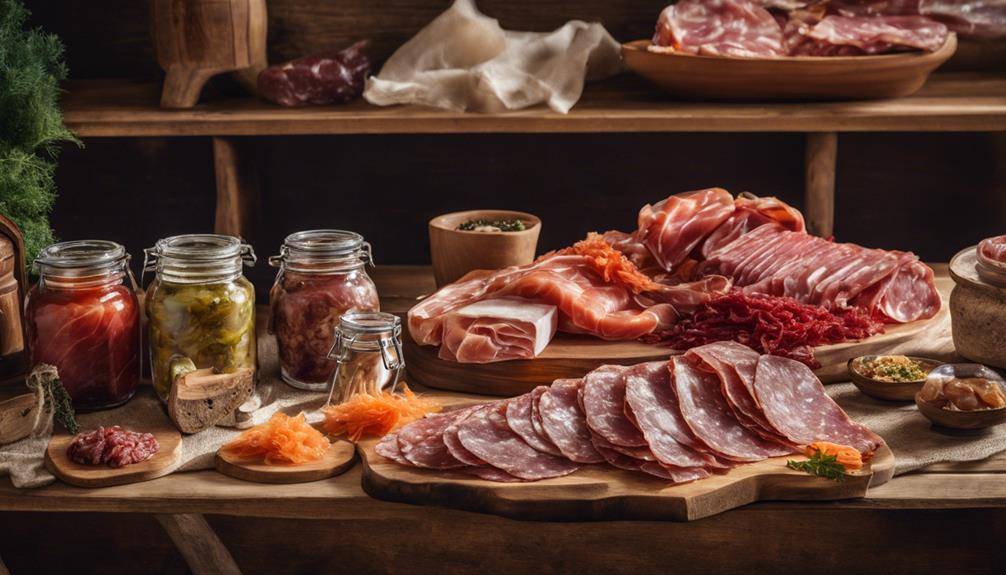
Now let’s talk about the key points when it comes to preparing a traditional Ploughman’s Lunch. First, you’ll need a variety of ingredients such as cheese, pickles, cold meats, and bread. The preparation and assembly involve slicing the cheese and cold meats, arranging them on a plate along with the pickles, and serving it with a side of bread. To enhance the experience, consider serving the Ploughman’s Lunch with a dollop of chutney or a tangy mustard for added flavor.
Ingredients Needed
You will find the Ploughman’s Lunch to be a hearty and satisfying meal, complete with a variety of traditional English ingredients. Here are the key ingredients you will need to recreate this popular traditional English dish:
- Cheese: The Ploughman’s Lunch typically features a selection of cheeses such as Cheddar, Stilton, or Red Leicester. These cheeses add a rich and creamy flavor to the dish.
- Pickles: Pickled onions and Branston pickle are essential accompaniments to the Ploughman’s Lunch. The tangy and sweet flavors of the pickles complement the cheese and bread perfectly.
- Bread: A thick slice of crusty bread, such as a baguette or a rustic loaf, is the base of the Ploughman’s Lunch. It provides a satisfying crunch and helps to soak up the flavors of the other ingredients.
- Cold Meats: Traditional English cold meats like ham or roast beef are often included in the Ploughman’s Lunch. They add a savory and protein-rich element to the meal.
Preparation and Assembly
To properly prepare and assemble the Ploughman’s Lunch, it is essential to carefully combine the key ingredients mentioned earlier, ensuring each element contributes to the overall flavor and texture of this quintessential English dish. Start by selecting a sturdy cheese, such as Cheddar or Stilton, and slice it into thick wedges. Arrange the cheese on a platter, along with slices of crusty bread and a dollop of butter.
Next, prepare a pickled onion by soaking it in malt vinegar for a tangy kick. Add a hard-boiled egg, some slices of ham or roast beef, and a handful of crisp lettuce or watercress for freshness. Finally, complete the Ploughman’s Lunch by adding a generous spoonful of chutney or pickle. These traditional cooking methods and preparation techniques will ensure a harmonious combination of flavors and textures in this classic English meal.
Serving Suggestions
For an authentic and satisfying Ploughman’s Lunch experience, consider these serving suggestions that will complement the flavors and textures of this classic English meal.
- Arrange the components of the Ploughman’s Lunch on a rustic wooden platter to evoke a traditional countryside feel. Place the cheeses, meats, and accompaniments in separate sections for easy access and visual appeal.
- Serve the Ploughman’s Lunch with freshly baked crusty bread or warm rolls to provide a satisfying contrast to the cold and tangy components of the meal. This will enhance the overall dining experience.
- Add a touch of freshness to the Ploughman’s Lunch by including a side of crisp, mixed salad greens or pickled vegetables. The vibrant colors and textures will complement the rich flavors of the cheese and meats.
- Enhance the presentation by garnishing the platter with sprigs of fresh herbs, such as parsley or thyme, to add a pop of color and elevate the visual appeal of the dish.
Eton Mess
Eton Mess is a classic British dessert that combines strawberries, meringue, and whipped cream in a delightful, messy concoction. This beloved dessert has a fascinating origin story. It is said to have originated at Eton College, a prestigious British boarding school, in the late 19th century. Legend has it that a pavlova dessert was accidentally crushed during a cricket match, and it was quickly improvised by mixing the broken meringue with strawberries and cream. Thus, Eton Mess was born.
While the traditional Eton Mess recipe remains popular, there are also numerous variations of this scrumptious dessert. One variation involves using different fruits such as raspberries, blackberries, or even passion fruit instead of strawberries. This adds a unique twist to the dish and allows for seasonal variations. Another variation includes adding a splash of liqueur, such as Grand Marnier or Kirsch, to enhance the flavor profile. This addition adds a subtle boozy note and elevates the overall taste experience.
For those who prefer a lighter option, there are also healthier variations of Eton Mess. Instead of whipped cream, Greek yogurt or coconut cream can be used as a substitute. This reduces the calorie content while still maintaining the creamy texture. Some recipes even suggest using crushed nuts, such as almonds or pistachios, for an added crunch.
Sticky Toffee Pudding
Sticky Toffee Pudding is a delectable British dessert that combines rich, moist cake with a gooey toffee sauce, creating a truly indulgent treat. This classic dessert has a fascinating origin and comes in various mouthwatering variations. Here’s everything you need to know about Sticky Toffee Pudding.
- Origin and Variations:
- Originating in the United Kingdom, Sticky Toffee Pudding is said to have originated in the 1970s in the Lake District of England. It quickly gained popularity and became a beloved dessert across the country.
- Traditional Sticky Toffee Pudding consists of a moist sponge cake made with dates, covered in a sticky toffee sauce. However, there are several variations of this dessert, such as adding nuts, spices like cinnamon or ginger, or even serving it with a scoop of vanilla ice cream.
- Serving Suggestions:
- Sticky Toffee Pudding is best enjoyed warm. Serve it as a dessert after a hearty Sunday roast or a traditional British meal. The warmth of the cake combined with the gooey toffee sauce is a delightful combination that will satisfy any sweet tooth.
- For an extra indulgence, top the warm pudding with a generous drizzle of extra toffee sauce or a dollop of freshly whipped cream. The contrast of flavors and textures will elevate the dessert to a whole new level.
Trifle
To continue our exploration of traditional English desserts, let’s now turn our attention to the beloved classic known as Trifle. Trifle is a quintessential British dessert that has been enjoyed for centuries. It is a layered dessert consisting of sponge cake, fruit, custard, and whipped cream. The beauty of trifle lies in its versatility, allowing for endless variations and modern twists.
Traditionally, trifle starts with a base of sponge cake soaked in sherry or fruit juice. Next comes a layer of fruit, such as berries or sliced peaches, followed by a generous amount of rich and creamy custard. Finally, it is topped with a fluffy layer of whipped cream and garnished with slivered almonds or chocolate shavings. The layers are beautifully displayed in a glass trifle dish, making it a visually stunning dessert.
While the classic trifle recipe is delicious on its own, there are many variations and modern twists that you can try. For a chocolate lover’s twist, you can replace the sponge cake with chocolate brownies or add a layer of chocolate ganache. Alternatively, you can experiment with different fruits and flavors, such as adding passion fruit or mango for a tropical twist.
Another modern twist on trifle is to incorporate different textures and flavors. You can add layers of crushed cookies or crumbled meringue for some crunch, or drizzle some caramel or chocolate sauce between the layers for added richness.
Frequently Asked Questions: Guide To Cooking Traditional English Meals
What Types of Fish Are Commonly Used in Fish and Chips?
When making traditional English fish and chips, commonly used fish include cod, haddock, and plaice. This differs from the American version which often uses thicker fish like halibut.
Can Shepherd’s Pie Be Made With a Vegetarian or Vegan Alternative?
Yes, vegetarian alternatives for shepherd’s pie can be made using plant-based proteins like lentils or mushrooms. Vegan substitutes for shepherd’s pie can be created by using non-dairy milk and replacing butter with vegetable oil.
Are There Any Specific Cuts of Beef That Are Recommended for Roast Beef With Yorkshire Pudding?
For roast beef with Yorkshire pudding, it is recommended to use cuts like sirloin or ribeye. These cuts are tender and flavorful. As for substitutes in Yorkshire pudding, you can try using mushrooms or lentils.
How Long Does It Take to Cook a Beef Wellington?
Beef Wellington cooking time can vary, but a general guideline is to cook it at 400°F for about 30-40 minutes for medium-rare. Tips for cooking Beef Wellington include searing the beef before wrapping it in pastry and letting it rest before slicing.
What Are Some Popular Variations of Trifle?
Popular variations of trifle include classic and modern twists. Classic trifle typically consists of layers of sponge cake, custard, fruit, and whipped cream. For a show-stopping trifle, try experimenting with unique flavors and textures.

Conclusion
In conclusion, cooking traditional English meals involves a combination of simple ingredients and cooking techniques that have been passed down through generations. From the hearty and filling traditional English breakfast to the indulgent desserts like Eton Mess and Sticky Toffee Pudding, each dish represents a unique aspect of English cuisine. By following the directions provided, you can confidently recreate these iconic dishes and experience the rich flavors and culinary traditions of England in your own kitchen.