Why Opt For Slow Cooking Techniques For Pot Roast
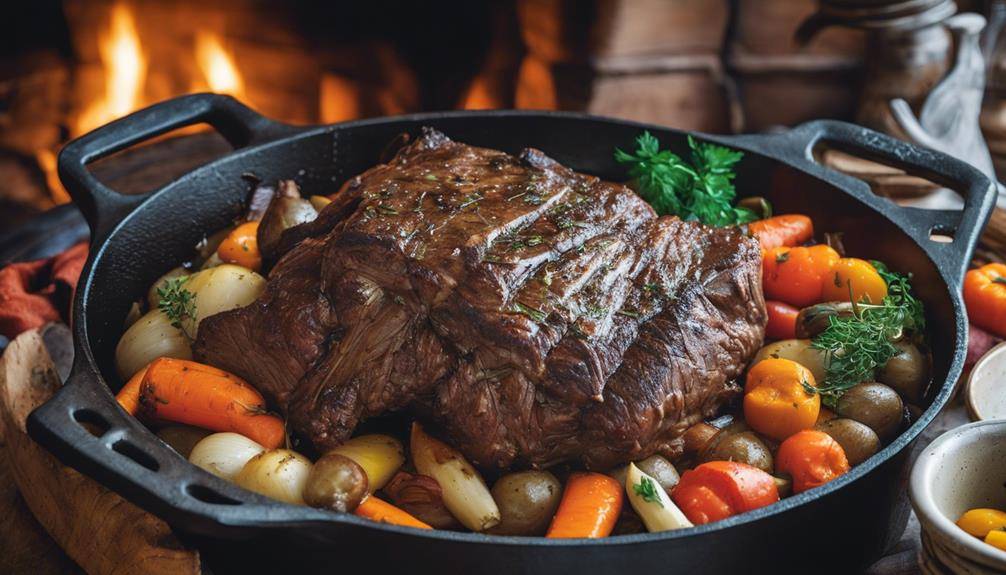
Why Opt For Slow Cooking Techniques For Pot Roast: Choosing slow cooking techniques for pot roast is a game changer. It transforms tough cuts of meat into tender, flavorful dishes, perfect for busy schedules. The low cooking temperatures break down collagen, resulting in a moist, fork-tender roast that's rich in flavor. You can prep ingredients in advance, set it, and forget it while focusing on other tasks. Plus, slow cooking preserves nutrients better than high-heat methods, letting you enjoy a healthier meal. You'll also love the depth of flavor that develops. There's plenty more to uncover about perfecting your pot roast experience!
Understanding Slow Cooking
Click Here and Turn Every Masterpiece into a Showstopper!
When it comes to slow cooking, understanding the basics can elevate your pot roast to new heights. Slow cooking isn't just a method; it's an art that transforms tough cuts of meat into tender, flavorful dishes. The slow cooking benefits are numerous, and once you grasp the essentials, you'll be well on your way to mastering this technique.
First, let's talk about the cooking methods. Slow cooking typically involves using a slow cooker or Dutch oven, allowing you to cook food at low temperatures over several hours. This gentle heat helps break down collagen in the meat, making it fork-tender. Unlike high-heat methods, slow cooking allows flavors to meld beautifully, enriching your pot roast with depth and complexity.
You'll also find that slow cooking is incredibly convenient. You can easily prepare your ingredients in the morning, set your cooker, and return home to a delicious meal ready to serve. This hands-off approach frees up your time and reduces stress, making it ideal for busy weekdays or entertaining guests.
Moreover, slow cooking is energy-efficient. By using a low-temperature method, you consume less energy compared to traditional ovens.
The Science of Tender Meat
The secret to achieving tender meat in your pot roast lies in understanding the science behind it. When you choose cuts of meat with good marbling, you're setting the stage for a succulent dish. Meat marbling refers to the intramuscular fat that runs through the muscle fibers. This fat melts during cooking, providing moisture and flavor that keep your roast juicy.
As you cook your pot roast slowly, the heat does more than just cook the meat; it initiates a process known as collagen breakdown. Collagen is a connective tissue found in tougher cuts of meat, and it can make your roast chewy if not handled correctly. When exposed to low and slow heat, collagen gradually breaks down into gelatin. This transformation not only tenderizes the meat but also enriches the broth, enhancing the overall texture of your dish.
You might be wondering how long you should cook your pot roast to achieve these wonderful results. Typically, a cooking time of several hours at a low temperature allows both the marbling and collagen to work their magic. The result? A fork-tender roast that practically melts in your mouth.
Enhanced Flavor Profiles
When you slow cook a pot roast, you reveal a depth of flavor that transforms the dish into something extraordinary. By combining ingredients that complement each other, you create a delicious synergy that enhances every bite. Let's explore how to elevate your pot roast with these simple yet effective techniques.
Depth of Flavor
To achieve a rich depth of flavor in your pot roast, it's essential to layer ingredients thoughtfully. Start with a solid base by browning your meat; this step not only enhances the flavor complexity but also sets the stage for the other ingredients. As you move forward, think about how each ingredient contributes to the overall dish. Carrots, onions, and garlic add sweetness and aromatic notes, while herbs like thyme and rosemary introduce earthy undertones.
Don't forget the importance of seasoning. Using salt and pepper at various stages helps to build ingredient harmony, allowing flavors to meld beautifully. Incorporate liquids like broth or wine early in the cooking process to create a flavorful braising liquid, which will further deepen the taste as it reduces.
Ingredient Synergy
Building on the rich depth of flavor you've created, ingredient synergy plays an essential role in elevating your pot roast. When you combine various ingredients, you're not just tossing them together; you're creating ingredient harmony that enhances the overall taste. Think about how certain flavors complement each other—like the earthiness of root vegetables paired with the richness of beef. This thoughtful flavor pairing is what makes your pot roast truly exceptional.
Using herbs and spices strategically can also amplify these synergies. For instance, adding rosemary or thyme not only infuses the meat with freshness but also interacts beautifully with the savory profile of the broth. The slow cooking process allows these flavors to meld, resulting in a dish where every bite feels balanced and satisfying.
Don't forget about acidity! A splash of vinegar or a squeeze of lemon can brighten the dish and elevate the flavors even further. So, as you craft your pot roast, remember that the magic lies in the synergy of your ingredients. Each component you choose contributes to a tapestry of taste that transforms a simple meal into a culinary masterpiece.
Time Efficiency in Cooking
When you embrace slow cooking, you can truly set it and forget it, freeing up your time for other tasks. This method simplifies meal prep, allowing you to focus on your day while your pot roast cooks to perfection. You'll appreciate how effortless it becomes to enjoy a delicious homemade meal without constant attention.
Set It and Forget
Since you want to enjoy a delicious pot roast without spending all day in the kitchen, the "Set It and Forget" approach is perfect for you. With a slow cooker, you can simply prep your ingredients, toss them in, and let the magic happen. This method showcases the slow cooker benefits, allowing you to create a mouthwatering meal while you focus on your day.
Imagine waking up, quickly assembling your pot roast with minimal effort, and setting your slow cooker to work. You can head out for errands, work, or even relax at home, knowing your meal is cooking away. This convenience factor makes slow cooking ideal for busy lifestyles. You won't need to hover over the stove or constantly check on your dish; just let your slow cooker do its job.
When you return, you'll be greeted by the irresistible aroma of a perfectly cooked pot roast, ready to serve. With the "Set It and Forget" technique, you'll maximize your time and enjoy a hearty meal with minimal hassle. It's a win-win for anyone looking to simplify their cooking routine.
Meal Prep Simplicity
Meal prepping can save you hours in the kitchen each week, making it easier to enjoy delicious meals like pot roast without the fuss. By dedicating a few hours on the weekend, you can chop veggies, marinate meats, and portion out meals, streamlining your cooking process throughout the week.
With proper kitchen organization, you can maximize your meal prep efficiency. Start by grouping ingredients for your pot roast together, so you don't waste time searching for items later. Store everything in clear containers, labeling them to avoid confusion. This way, you'll know exactly what you have on hand and what needs to be cooked.
When you use slow cooking techniques for your pot roast, you can set it and forget it, allowing you to focus on other tasks while your meal simmers away. Prepping ingredients ahead of time means less stress and more satisfaction when you finally sit down to enjoy your meal. Plus, with everything ready to go, you can whip up a comforting pot roast any night of the week without the hassle. Embrace meal prep and kitchen organization, and transform your cooking experience!
Nutrient Retention Benefits
Slow cooking pot roast not only tenderizes the meat but also preserves its essential nutrients. When you choose this method, you're opting for a cooking technique that retains more vitamins and minerals compared to high-heat cooking methods. The gentle heat and longer cooking time allow the meat to simmer in its own juices, which helps lock in nutrients that might otherwise be lost during faster cooking processes.
Nutrient preservation is vital for maintaining the health benefits of your meals. In traditional cooking methods, like boiling or frying, high temperatures and prolonged exposure to heat can lead to significant nutrient loss. However, with slow cooking, the lower temperatures reduce the risk of nutrient degradation, allowing you to enjoy a pot roast that's not only delicious but also packed with essential vitamins and minerals.
Moreover, the slow cooking process enhances the flavors, making your pot roast taste even better. As the meat cooks slowly, it breaks down collagen, converting it into gelatin and resulting in a moist, flavorful dish. You'll find that not only do you retain more nutrients, but the overall quality of the meal improves, making it a win-win situation.
Versatility of Ingredients
When it comes to pot roast, you have plenty of options for ingredients. You can choose different cuts of meat, add flavor-boosting herbs or spices, and incorporate seasonal veggies for a fresh twist. This versatility lets you customize your dish to suit your taste and the ingredients you have on hand.
Meat Selection Options
Choosing the right cut of meat is essential for achieving a delicious pot roast, and you have plenty of versatile options at your disposal. The most common meat cuts for pot roast include chuck roast, brisket, and round roast. Each of these cuts brings its own unique flavor profiles and textures to the dish.
Chuck roast is a popular choice due to its marbling, which adds richness and tenderness as it cooks slowly. Brisket, on the other hand, offers a robust flavor that's perfect for those who enjoy a heartier pot roast. Round roast tends to be leaner, making it a great option if you're looking for a healthier alternative, though it might require careful cooking to guarantee it doesn't dry out.
When selecting your meat cuts, consider how their specific flavors will interact with your cooking style. The versatility of these cuts means you can easily experiment and find the perfect match for your taste preferences. Remember, the key to a successful pot roast lies not just in the cooking method but also in the meat you choose. So, take your time and select a cut that excites your palate!
Flavor Enhancing Additions
The flavor of your pot roast can be greatly elevated by incorporating various ingredients that complement and enhance the meat's natural taste. Begin by using herb infusions and spice blends to create a robust foundation. Add aromatic vegetables like onions and garlic to deepen the flavor, as their sweetness and intensity will meld beautifully with the roast. Consider your liquid choices, such as broth varieties or wine additions, to impart richness and complexity.
Using marinating techniques can also infuse the meat with delicious umami boosters and sweet notes. For depth, think about incorporating root vegetables that not only add nutrition but also contribute to flavor layering. Timing is key; add seasonings at various stages for ideal impact. A splash of citrus enhancements can brighten the dish, while smoky or peppery sauce options add a delightful kick.
Don't forget to finish your pot roast with savory toppings, like a mustard tang or a dash of garlic. These final touches can elevate your dish from good to unforgettable, ensuring every bite is packed with flavor and satisfaction.
Seasonal Vegetable Choices
Incorporating seasonal vegetables into your pot roast not only boosts flavor but also enhances the dish's nutritional value. By choosing seasonal vegetables, you tap into their peak freshness, which translates to better taste and improved nutritional content. When you source these ingredients locally, you support farmers and reduce your carbon footprint.
Understanding seasonal availability helps you make smarter choices. For instance, root vegetables like carrots and potatoes shine in the fall and winter, while spring brings tender asparagus and peas. Pairing these vegetables with your pot roast can elevate your meal combinations, creating a more balanced and hearty dish.
Utilizing various cooking techniques, like slow cooking, allows these seasonal veggies to absorb the rich flavors of the broth and meat, making each bite a delightful experience. Flavor pairing is essential, too; think about how the sweetness of sweet potatoes complements the savory notes of the roast.
One-Pot Wonder Convenience
While you might be juggling a busy schedule, the one-pot wonder convenience of pot roast allows you to enjoy a hearty meal without the hassle of multiple dishes. With just one pot, you can combine your meat, vegetables, and seasonings, simplifying your cooking process. This means less time spent on prep and cleanup, giving you more time to focus on what really matters.
Pot roast is the epitome of one-pot meals, as it cooks slowly and evenly, letting all the flavors meld beautifully. You simply toss your ingredients into a slow cooker, set the timer, and go about your day. When you return, you'll be greeted by a delicious aroma, and dinner is ready to serve. This cooking efficiency not only saves time but also minimizes the chaos of managing several pots and pans on the stovetop.
Moreover, the beauty of using a single pot extends beyond convenience. It encourages you to experiment with various ingredients, making it easy to adjust your recipes based on what you have on hand. You can throw in potatoes, carrots, or even some seasonal veggies to enhance your meal.
In a world where time is often scarce, the one-pot nature of pot roast stands out. You get a complete, nourishing meal with minimal fuss, allowing you to enjoy delicious food without sacrificing your busy lifestyle. Embrace the simplicity of one-pot cooking and make pot roast a staple in your home.
Cost-Effectiveness of Cuts
When you're planning a pot roast, choosing affordable cuts can save you money while still delivering a delicious meal. Slow cooking tenderizes tougher meats, making them flavorful and satisfying without breaking the bank. By selecting budget-friendly options, you can enjoy hearty meals and stick to your budget.
Affordable Meat Options
Finding affordable meat options for pot roast can save you a significant amount on your grocery bill without sacrificing flavor. When you choose budget cuts, you're not only being smart with your wallet but also opening up a world of delicious possibilities. Cuts like chuck roast or brisket are economical choices that hold up beautifully during slow cooking.
These cuts often come from well-exercised muscles, which means they have more flavor and become incredibly tender when cooked slowly. You don't need to splurge on premium cuts for a satisfying pot roast; instead, embrace these tougher cuts that develop richness over time.
Another budget-friendly option is the round roast, which is leaner but still offers a great taste when cooked low and slow. Always keep an eye out for sales or discounts on these cuts, as buying in bulk can lead to even more savings.
Tenderization Through Cooking
Slow cooking is a game-changer for transforming tougher cuts of meat into tender, flavorful dishes. When you opt for cuts like chuck or brisket, you're working with meat that may be less expensive but often requires a little extra love to become enjoyable. The beauty of slow cooking lies in its ability to break down connective tissues over time, so you can enjoy a delicious meal without breaking the bank.
To enhance tenderness, you can also use marinating techniques before cooking. A good marinade not only adds flavor but helps to break down the proteins in the meat, making it even more succulent. Combine your favorite herbs, acids, and oils, and let the meat soak for a few hours or overnight.
Additionally, don't overlook the importance of resting periods after cooking. Letting your pot roast sit for about 15-30 minutes before slicing allows the juices to redistribute throughout the meat, ensuring each bite is moist and tender. So, by utilizing these methods alongside slow cooking, you'll maximize the flavor and texture of your pot roast, turning a humble cut into a standout dish.
Budget-Friendly Meal Planning
Pot roast is a fantastic option for budget-friendly meal planning, especially when you're aiming to stretch your grocery dollars. When it comes to choosing cuts of meat, you'll find that tougher cuts like chuck or brisket are not only more affordable but also perfect for slow cooking. These cuts become tender and flavorful over time, making them a wise choice for your grocery budgeting.
Using pot roast for your meals allows for easy meal portioning. You can prepare a large batch and enjoy leftovers throughout the week, saving both time and money. Divide the pot roast into portions that can be paired with sides like vegetables, rice, or potatoes. This way, you maximize the value of your purchase and minimize food waste.
Additionally, consider using the leftover meat in different dishes, such as sandwiches or soups. This versatility not only keeps your meals interesting but also helps you get the most out of your initial investment. By incorporating pot roast into your meal planning, you'll create delicious, satisfying meals without breaking the bank.
Click Here and Turn Every Masterpiece into a Showstopper!
Layering Seasoning Techniques
Layering seasoning techniques can elevate your pot roast to new heights of flavor. When you think about seasoning, it's crucial to achieve a good seasoning balance that enhances the meat without overwhelming it. Start by generously seasoning your pot roast with salt and pepper before searing it. This initial layer sets the foundation for deeper flavors.
As you prepare your vegetables, sprinkle in some herbs and spices like thyme, rosemary, or garlic. Adding these ingredients at this stage allows their flavors to infuse into the meat as it cooks. It's all about flavor layering; each step builds on the last, creating a complex taste profile.
Once your roast and veggies are in the slow cooker, consider adding a splash of broth or wine. This liquid not only helps cook the meat but also acts as a carrier for additional spices. You might toss in some bay leaves or even a hint of paprika for a subtle smokiness.
Don't forget to taste as you go! If you think it needs more depth, sprinkle in some more seasoning halfway through the cooking process. This keeps the seasoning balance in check and guarantees the flavors develop beautifully.
Ideal Cooking Temperatures
When it comes to achieving the perfect pot roast, understanding ideal cooking temperatures is vital for tender, flavorful results. Slow cooking allows the meat to break down over time, so you want to keep your pot roast within specific temperature ranges to guarantee it turns out just right.
To achieve that fall-apart tenderness, aim for a cooking temperature of around 190°F to 205°F. This range helps collagen in the meat dissolve, creating a rich, melt-in-your-mouth texture. If you're using a slow cooker, set it to low and let it cook for about 8 to 10 hours. This slow and steady method allows the flavors to develop fully while making sure the meat is cooked evenly.
If you're short on time, you can opt for high heat, which typically cooks the pot roast at around 300°F to 325°F. While this method will still yield a delicious meal, you may miss out on that deeply tender texture that comes from longer cooking times. Ideally, you want to avoid cooking at temperatures below 190°F, as this can lead to tough meat that doesn't break down properly.
Monitoring your cooking temperature is vital for achieving the best results. Using a meat thermometer will help you keep track of the internal temperature of your pot roast, guaranteeing it stays within those ideal cooking ranges. With the right approach, you'll enjoy a pot roast that's bursting with flavor and perfectly tender every time.
Safety Considerations
Cooking meat at the right temperatures is important not just for texture and flavor, but also for food safety. When you're slow cooking a pot roast, you've got to guarantee that the meat reaches the proper internal temperature to kill harmful bacteria. The USDA recommends cooking beef to a minimum internal temperature of 145°F, followed by a three-minute rest time. This guarantees that your pot roast is both delicious and safe to eat.
Temperature control is essential throughout the cooking process. Make sure your slow cooker maintains a consistent temperature, ideally between 190°F and 210°F, to fully break down the collagen in the meat. If your slow cooker doesn't reach this range, your pot roast may not cook properly, potentially leading to food safety issues. Always use a food thermometer to check the meat's internal temperature.
You should also be mindful of how long you leave your pot roast in the slow cooker. Generally, it's safe to cook meat in a slow cooker for 4 to 8 hours, depending on the setting used. Leaving it on the low setting for too long can elevate the risk of bacteria growth, especially if the meat sits in the "danger zone" (between 40°F and 140°F) for over two hours.
Meal Prep and Planning
Meal prepping your pot roast can streamline your weeknight dinners and save you time in the kitchen. By implementing effective meal prep strategies, you can reduce stress and guarantee you're enjoying delicious, home-cooked meals throughout the week. Start by choosing a day to plan your meals. Sundays work well for many, as it allows you to set aside a few hours for preparation.
When planning meals, consider how you can batch-cook your pot roast. You can season and sear the meat ahead of time, then store it in the refrigerator or freezer until you're ready to cook. This approach not only enhances the flavors but also allows you to have everything ready to go when you need it.
Think about the sides, too. Prepping vegetables in advance makes it easy to toss them into the slow cooker alongside your pot roast. Chop carrots, potatoes, and onions, and store them in airtight containers. You'll save precious minutes when it's time to cook.
Don't forget to portion out any leftovers! After you've enjoyed your pot roast, pack the extras into single-serving containers. This way, you'll have quick lunches or dinners ready without any additional cooking. By combining these meal prep strategies with your pot roast, you can enjoy a stress-free week full of hearty, satisfying meals. Get started today, and watch how much easier your weeknights become!
Slow Cooker Vs. Oven
Choosing between a slow cooker and an oven for your pot roast can considerably impact both the cooking process and the final taste. Each method has its unique advantages and limitations that can influence your decision.
Using a slow cooker offers several benefits. First, it allows for hands-off cooking, letting you set it and forget it while you attend to other tasks. You can prepare your ingredients in the morning, set the slow cooker to low, and come home to a perfectly cooked meal. The low, steady heat breaks down the meat's fibers, resulting in a tender, flavorful roast. Plus, slow cookers often use less energy than ovens, making them a more economical choice.
On the other hand, the oven has its limitations. While it can produce a delicious pot roast, it requires more attention. You'll need to monitor the temperature and occasionally baste the meat to guarantee it cooks evenly. Additionally, cooking in an oven can dry out the meat if not carefully managed. The heat can vary across different parts of the oven, which may lead to uneven cooking.
Ultimately, if you prefer convenience and consistent results, a slow cooker is the way to go. However, if you enjoy the process of cooking and crave a more hands-on experience, using an oven might suit you better. Consider your schedule and cooking style when making your choice for that perfect pot roast.
Perfecting Pot Roast Recipes
Achieving the perfect pot roast is an art that combines flavor, technique, and patience. To start, choose the right cut of meat—chuck roast is a popular choice due to its marbling and tenderness when cooked low and slow. Next, consider your cooking methods. Whether you're using a slow cooker, Dutch oven, or even a pressure cooker, sticking to low temperatures allows for remarkable flavor development over time.
Before cooking, sear the meat in a hot pan. This simple step creates a crust that intensifies the overall flavor and adds depth to your dish. After searing, remove the meat and sauté your aromatics—onions, garlic, and carrots—until they're fragrant and slightly caramelized. This layering of flavors sets the foundation for your pot roast.
When you're ready to cook, add your seared meat back to the pot along with broth, wine, or even beer for extra richness. Don't forget to include herbs like rosemary or thyme; they elevate the flavor profile considerably. As you cook, keep the lid on to maintain moisture, allowing the flavors to meld beautifully.
Lastly, be patient. A good pot roast requires several hours of cooking. The low and slow method breaks down the collagen in the meat, leading to a tender, melt-in-your-mouth experience. Trust the process, and soon you'll be enjoying a pot roast that's not just good, but perfect.
Enjoying Leftovers Creatively
Creativity is key when it comes to enjoying pot roast leftovers. Don't let those delicious remnants go to waste; instead, think outside the box and transform your meal into something new and exciting. One of the simplest ways to repurpose your pot roast is by making leftover sandwiches. Shred the meat and layer it between your favorite bread, adding some horseradish sauce or barbecue sauce for a flavor boost. Toss in some sautéed onions or peppers, and you've got yourself a hearty lunch that's far from ordinary.
Another fantastic option is to whip up some creative soups. Start by simmering the leftover pot roast with beef broth, diced tomatoes, and whatever vegetables you have on hand. Add herbs and spices to taste, and let it cook until everything melds together. The result? A rich and comforting soup that warms you up on chilly days.
You can also try making pot roast tacos. Simply shred the meat, season with taco spices, and serve it in corn tortillas with your favorite toppings like avocado, cilantro, and fresh salsa. The possibilities are endless when you let your imagination run wild.
Click Here and Turn Every Masterpiece into a Showstopper!
Frequently Asked Questions: Why Opt For Slow Cooking Techniques For Pot Roast
Can Slow Cooking Help With Meal Portion Control?
Absolutely, slow cooking helps with meal portion control. By preparing your meals in advance, you can manage portion sizes effectively, ensuring you stick to your meal planning goals while enjoying delicious, tender dishes throughout the week.
How Does Slow Cooking Affect Cooking Times for Different Meats?
Slow cooking greatly affects cooking times for different meats, allowing tougher cuts to become tender through prolonged heat. You'll notice that chicken cooks faster, while beef and pork benefit from longer, low-temperature cooking for ideal tenderness.
What Tools Are Essential for Successful Slow Cooking?
To master slow cooking, you'll need the right tools. Invest in slow cooker types like programmable or manual options, and don't forget essential accessories like liners, thermometers, and measuring cups to guarantee perfect results.
Are There Any Herbs or Spices to Avoid in Slow Cooking?
You should avoid herbs like basil and parsley in slow cooking, as their flavors can become bitter over time. Also, be cautious with strong spices; their intensity can overpower the dish and disrupt herb compatibility.
How Do I Clean My Slow Cooker Effectively After Use?
To clean your slow cooker effectively, unplug it, remove the insert, and wash it with warm soapy water. For slow cooker maintenance, wipe the outer surface with a damp cloth to keep it looking new.

Conclusion
To sum up, opting for slow cooking techniques for your pot roast elevates the dish through tender meat, rich flavors, and nutritional benefits. It's not just about the time spent cooking; it's about the convenience and creativity it brings to your meal prep. Whether you're using a slow cooker or an oven, you'll savor every bite and enjoy delicious leftovers that inspire new meals. So, embrace the slow cooking method and transform your pot roast experience!