Six Essential Meal Prep Tips For Weightlifters
Six Essential Meal Prep Tips For Weightlifters: When you're prepping meals for weightlifting, start by planning your meals ahead of time each week. Focus on the right macronutrients to fuel your workouts—protein for recovery and carbs for energy. Batch cooking saves time, so make larger portions and freeze extras for later. Invest in quality containers to keep your food fresh. Don't forget to mix up flavors with different spices and cooking techniques to avoid monotony. Finally, stay hydrated by always carrying a water bottle and incorporating water-rich foods. There's a lot more you can do to maximize your meal prep strategy—keep exploring!
Plan Your Meals Ahead
Click Here and Turn Every Masterpiece into a Showstopper!
Planning your meals ahead is essential for any weightlifter looking to maximize gains and maintain energy levels. When you take the time to map out your meals for the week, you not only streamline your grocery shopping but also guarantee that you're fueling your body with the right nutrients. Start by setting aside a specific day each week to dedicate to meal planning. This consistency helps you stay organized and committed.
Begin your planning by considering your training schedule and energy requirements. Write down meals that align with your workout days, ensuring you incorporate a balance of protein, carbs, and healthy fats. Once you've decided on your meals, create a grocery list that matches those dishes. This list will help you avoid impulse buys and keep your pantry stocked with only what you need.
As you head to the grocery store, stick to your list. It's easy to get sidetracked by snacks or unhealthy options, but staying focused will help you make healthier choices. Consider shopping at local farmers' markets or bulk stores to find fresh ingredients at lower prices, which can also enhance your meal planning.
Focus on Macronutrients
To maximize your gains, it's essential to understand macronutrient ratios tailored to your goals. You should prioritize high-quality protein sources to support muscle recovery and growth while balancing carbs and fats for energy. This approach will help you create meals that fuel your workouts effectively.
Understand Macronutrient Ratios
Understanding macronutrient ratios is vital for weightlifters aiming to optimize their performance and recovery. You need to grasp how carbohydrates, proteins, and fats work together to fuel your workouts and support muscle growth. Generally, a balanced approach includes a higher percentage of carbs for energy, moderate protein for muscle repair, and healthy fats for overall health.
When meal prepping, consider macronutrient timing to guarantee you're fueling your body appropriately around your training sessions. Eating more carbohydrates before workouts can provide you with the energy to lift heavier, while consuming protein afterward helps repair and build your muscles.
It's important to focus on nutrient density as well. Opt for whole, unprocessed foods that pack a punch regarding vitamins and minerals, not just calories. For instance, choose quinoa or brown rice over white rice for added fiber and nutrients. By prioritizing nutrient-dense foods, you'll maximize your intake and enhance recovery.
Keep track of your ratios and adjust them based on your training intensity and goals. This approach will help you stay on track and support your weightlifting journey effectively.
Prioritize Protein Sources
When it comes to meal prepping, prioritizing protein sources is vital for supporting muscle growth and recovery. You need to focus on protein timing to guarantee your muscles get the nutrients they require when they need them most. Aim to consume a good protein source within 30 minutes after your workouts to maximize recovery and muscle synthesis.
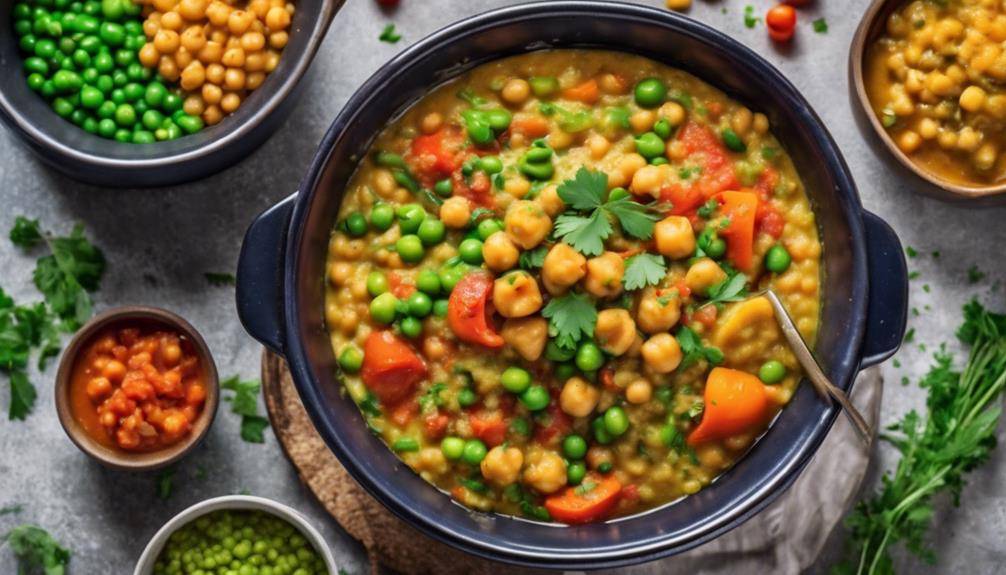
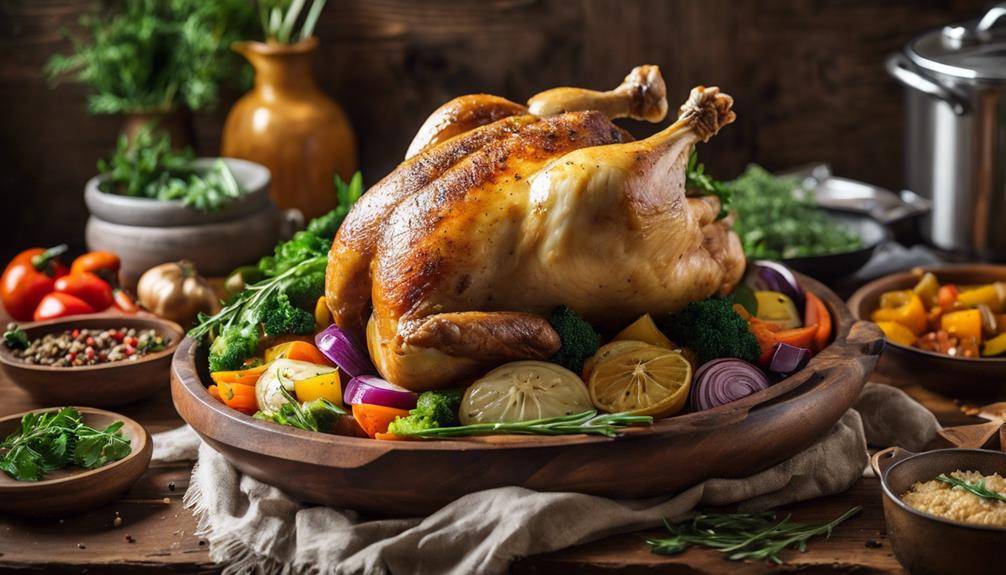
Incorporating high-quality protein into your meals is essential. Opt for lean meats like chicken, turkey, or fish, and consider plant-based options such as lentils, chickpeas, and quinoa. These sources not only provide essential amino acids but also offer various vitamins and minerals beneficial for your overall health.
Don't forget about portion sizes, either. Depending on your weightlifting goals, you may need to adjust your protein intake accordingly. A general guideline is to aim for 1.6 to 2.2 grams of protein per kilogram of body weight.
Balance Carbs and Fats
Balancing carbs and fats is essential for optimizing your performance and recovery as a weightlifter. Carbohydrates are your body's primary energy source, fueling those intense workouts, while fats play a vital role in hormone production and overall health. To achieve this balance, focus on incorporating quality fat sources, such as avocados, nuts, and olive oil, alongside complex carbohydrates like sweet potatoes, brown rice, and whole grains.
If you're considering carb cycling, it can be an effective strategy to manipulate your energy intake based on your training schedule. On heavy lifting days, increase your carb intake to replenish glycogen stores and support recovery. On rest days, reduce carbs and let healthy fats take the lead. This approach can help you maintain energy levels while encouraging fat loss.
Batch Cooking Techniques
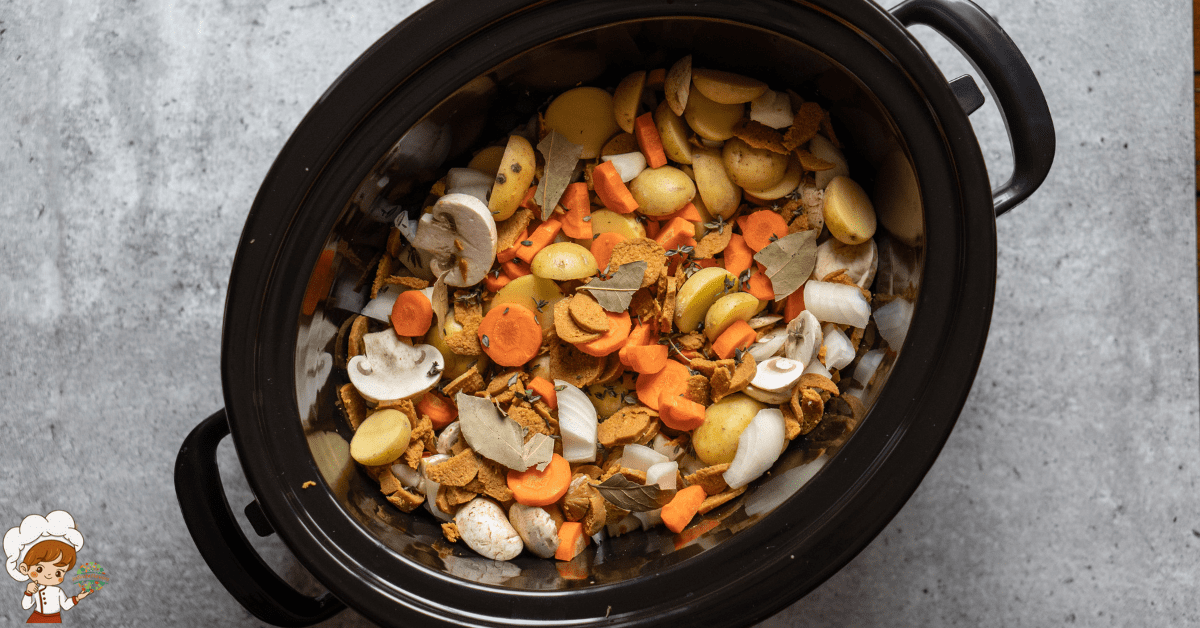
Batch cooking is a game-changer for weightlifters looking to streamline their meal prep and stay on track with their nutrition. By preparing large portions of meals in advance, you can save time and guarantee you've got healthy options ready to go throughout the week. Start by choosing cooking techniques that suit your schedule; roasting, boiling, or stir-frying can all yield delicious results.
When batch cooking, consider freezing meals to extend their shelf life. This not only helps with portion control but also guarantees you have nutritious meals on hand when you're pressed for time. Use reheating methods that preserve flavor and texture, like steaming or using an oven instead of a microwave.
Don't hesitate to make ingredient substitutions based on what you have at home or your dietary preferences. For instance, swapping quinoa for rice can enhance your protein intake. Staying organized in the kitchen can also improve time management; keep your workspace tidy, and plan your menu ahead of time to make the process smoother.
To elevate your dishes, think about flavor enhancements like herbs, spices, or marinades that can transform simple ingredients into something extraordinary. By implementing these batch cooking techniques, you'll not only simplify your meal prep but also support your weightlifting goals. With a bit of planning and creativity, you can set yourself up for success while meeting your nutritional needs.
Invest in Quality Containers
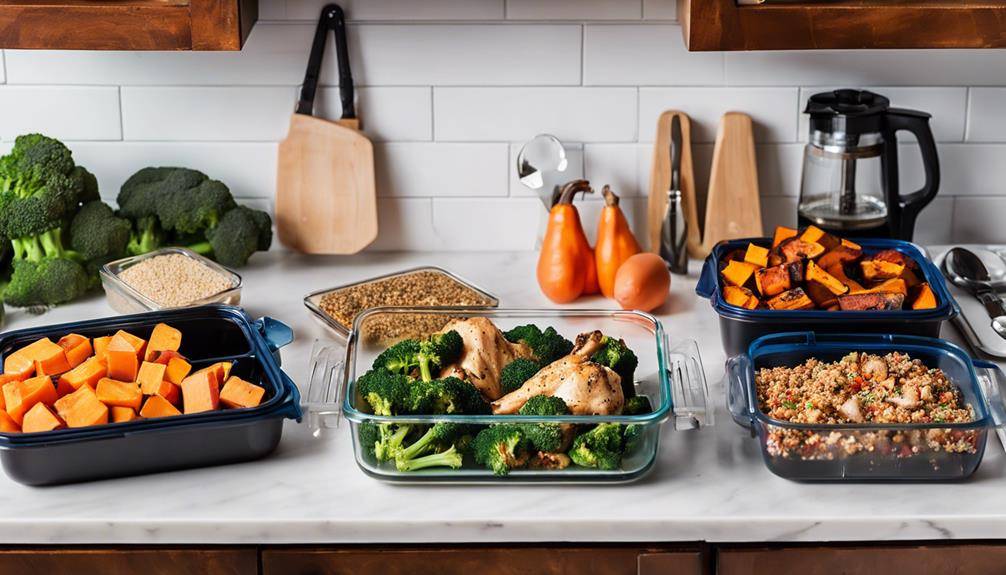
When it comes to meal prep, investing in quality containers is essential. You want BPA-free materials that keep your food safe, and the right size and shape can make all the difference in organizing your meals. Choosing wisely helps you stick to your nutrition goals while making it easier to grab and go.
Choose BPA-free Materials
Choosing the right containers for your meal prep can make a significant difference in preserving the quality of your food. One important factor to take into account is whether your containers are BPA-free. BPA, or bisphenol A, is a chemical often found in plastics that can leach into your food and potentially disrupt your hormones. By opting for BPA-free materials, you're ensuring safer storage for your meals.
BPA-free containers come with a variety of benefits. They help maintain the integrity of your food, keeping it fresh and free from harmful chemicals. Using these containers also means you can microwave or freeze your meals without worrying about toxic substances leaching into your food. This is especially vital for weightlifters like you, who need to fuel your body with clean, nutritious meals.
Investing in quality BPA-free containers not only supports your health but also enhances your meal prep experience. You'll find that these containers are often more durable and resistant to staining or odors. So, when you're planning your next meal prep session, make sure to choose containers that prioritize both your health and the quality of your food.
Size and Shape Matters
The right container size and shape can transform your meal prep game, making it easier to store and access your meals. When you invest in quality containers, you can better manage meal sizes and guarantee effective portion control. Having a variety of shapes and sizes allows you to customize your meals, fitting perfectly into your daily routine.
Consider how food presentation and plate aesthetics play a role in your motivation. When your meals look appealing, you're more likely to enjoy them and stick to your nutrition plan. Opt for containers that showcase the vibrant colors of your nutrient-dense foods, enhancing your meal variety.
Additionally, different containers can help you separate ingredients to maintain freshness. For example, using smaller compartments can keep dressings or sauces separate until you're ready to eat, preserving their flavor and texture. This not only improves the taste of your meals but also encourages you to experiment with new combinations.
Ultimately, the right containers make meal prep simpler and more enjoyable. Choose wisely, and you'll find yourself looking forward to every meal, fueling your weightlifting journey with style and efficiency.
Incorporate Variety and Flavor
Incorporating variety and flavor into your meal prep not only keeps your taste buds satisfied but also guarantees you're getting a diverse range of nutrients. To elevate your meals, start with a thoughtful spice selection. Experiment with different spices like cumin, paprika, or turmeric to create richer flavors. Don't hesitate to explore various flavor pairings; for instance, combining sweet potatoes with cinnamon or adding lemon zest to your fish can transform a simple dish into something special.
Meal inspiration often comes from trying new culinary techniques. Grilling, roasting, or steaming can change the texture and taste of your ingredients, giving you a whole new experience. You might find that roasting vegetables brings out their natural sweetness, while grilling proteins adds a smoky flavor that can be irresistible.
Herb usage is another essential aspect of flavor enhancement. Fresh herbs like basil, cilantro, or parsley can brighten up any dish. Consider incorporating these herbs at the end of cooking to maintain their vibrant flavor.
Click Here and Turn Every Masterpiece into a Showstopper!
Stay Hydrated and Prepared
Staying hydrated is just as important as planning your meals when it comes to supporting your weightlifting goals. Proper hydration can enhance your performance, boost recovery, and help maintain energy levels. To make certain you're drinking enough water, establish effective hydration strategies that fit seamlessly into your daily routine.
Start by carrying a reusable water bottle wherever you go. This not only keeps water within reach but also serves as a visual drink reminder. Aim to refill it multiple times throughout the day, setting specific goals, like finishing a full bottle by lunchtime and another by the end of the workday. If you find plain water boring, infuse it with fruits or herbs for a revitalizing twist.
Another effective strategy is to incorporate water-rich foods into your meals. Foods like cucumbers, watermelon, and oranges not only hydrate you but also provide essential nutrients that aid in muscle recovery. Along with your regular meals, consider drinking a glass of water before and after workouts to guarantee you're adequately hydrated during intense sessions.
Lastly, listen to your body. If you're feeling fatigued, dizzy, or have a dry mouth, these are signs you might need to increase your fluid intake. By adopting these hydration strategies and setting consistent drink reminders, you'll be better equipped to meet your weightlifting goals. Remember, hydration is a key component of your overall fitness journey.
Schedule Meal Prep Sessions
Setting aside dedicated time for meal prep can streamline your nutrition and support your weightlifting regimen. By scheduling specific meal prep sessions, you'll guarantee that you have healthy meals ready to fuel your workouts and recovery. Choose a day or two each week that works best for you—many find weekends or a less busy weekday evening ideal.
When you plan these sessions, consider how long it typically takes you to prepare your meals. Use meal prep tools like storage containers, measuring cups, and a food scale to enhance efficiency. Having everything organized will help you stick to your schedule and avoid feeling overwhelmed.
Time management is essential during these sessions. Create a list of meals you want to prepare, and gather all ingredients beforehand. This way, you won't waste time searching for items or making last-minute trips to the store. You can also batch-cook staples like rice or quinoa, roast vegetables, and grill proteins at the same time to maximize efficiency.
Remember to keep your meals varied but simple, so you don't feel like you're stuck eating the same thing every day. By making meal prep a priority, you'll not only save time during your busy week but also guarantee that you're consistently fueling your body with nutritious foods. Stick to your scheduled meal prep sessions, and you'll find it easier to meet your dietary goals while supporting your weightlifting efforts.
Adjust Portions for Goals
Adjusting portions to align with your specific weightlifting goals is essential for optimizing performance and recovery. Whether you're aiming to gain muscle or lose fat, managing your food intake through portion control can make all the difference. If you're looking to build muscle, you'll need to create a caloric surplus. This means you should increase your portion sizes to guarantee you're consuming more calories than you burn. Focus on nutrient-dense foods, like lean proteins, whole grains, and healthy fats, to support this surplus effectively.
On the other hand, if your goal is to lose fat while maintaining muscle, you'll want to scale back your portions. Reducing your caloric intake while still prioritizing protein will help preserve muscle mass during your weight loss journey. Incorporate plenty of vegetables and fiber-rich foods to keep you feeling full without overloading on calories.
Tracking your portions can be a game-changer. Use measuring cups or a food scale to get accurate serving sizes, especially when you're just starting out. This will help you fine-tune your portions based on your progress. Remember, as your body changes and your goals evolve, so should your portion sizes. Regularly reassess your needs and adjust accordingly to guarantee you're always on track toward your weightlifting objectives. Balancing caloric intake with portion control is key to fueling your workouts and achieving the results you desire.
Click Here and Turn Every Masterpiece into a Showstopper!
Frequently Asked Questions: Six Essential Meal Prep Tips For Weightlifters
How Do I Choose the Right Meal Prep Container Size?
When choosing meal prep container sizes, consider your portion control needs and the types of food you're storing. Opt for durable container materials like glass or BPA-free plastic to keep meals fresh and organized.
Can I Meal Prep for a Whole Week Safely?
Yes, you can meal prep for a whole week safely. Just guarantee proper food safety practices, like refrigerating within two hours, and use portion control to keep everything fresh and balanced throughout the week.
What Are Some Quick Snack Options for Weightlifters?
When you're looking for quick snack options, consider protein-packed snacks like Greek yogurt or cottage cheese. Energy-boosting options such as mixed nuts or protein bars can fuel your workouts and keep you satisfied throughout the day.
How Do I Adjust Meals for Different Workout Days?
To adjust meals for different workout days, you'll want to make caloric adjustments based on intensity. Prioritize protein timing, ensuring you fuel up before and after workouts to maximize recovery and muscle growth.
What Are Signs That My Meal Prep Is Not Effective?
If your energy's low, you're often hungry, or meals feel repetitive, you might be making meal prep mistakes. Ineffective planning can lead to wasted food and time, so reassess your strategy and adjust accordingly.

Conclusion
By following these six essential meal prep tips, you'll set yourself up for success in your weightlifting journey. Planning your meals, focusing on macronutrients, and experimenting with flavors will keep your diet enjoyable and effective. Don't forget to stay hydrated and invest in quality containers to keep everything fresh. Schedule regular meal prep sessions and adjust your portions according to your goals. With a little effort, you'll fuel your workouts and achieve the results you want!