Great Step-By-Step Guide To Perfect Slow Cooking Techniques
Guide To Perfect Slow Cooking Techniques; Slow cooking is one of the easiest ways to turn simple ingredients into rich, tender, flavor‑packed meals — but mastering the technique requires more than just tossing everything into a pot. In this step‑by‑step guide, you’ll learn the essential slow‑cooking methods professional chefs rely on, how to build deeper flavors, and the exact techniques that guarantee melt‑in‑your‑mouth results every time. Whether you’re a beginner or a seasoned home cook, this guide will help you elevate every dish that comes out of your slow cooker.
We’ve Got Everything You Need to Make Your Masterpiece.
What You’ll Master in This Guide
- How to properly prep ingredients for slow cooking
- The best temperature and timing strategies
- How to layer flavors for richer results
- Common slow‑cooking mistakes and how to avoid them
- Tips for vegetables, meats, broths, and one‑pot meals
- How to adapt traditional recipes for the slow cooker
Selecting the Right Ingredients
When it comes to slow cooking, selecting the right ingredients is essential for creating delicious and flavorful meals. The key to enhancing flavors in slow cooked dishes lies in choosing ingredients that are packed with natural goodness and complement each other in taste and texture. Here are some tips to help you make the most out of your slow cooking experience and avoid common mistakes when selecting ingredients.
Firstly, opt for fresh and high-quality ingredients. Fresh vegetables, meat, and herbs will not only add vibrant flavors to your dish but also ensure a satisfying texture. Avoid using canned or processed ingredients as they may contain additives that can dull the taste of your slow cooked meal.
Secondly, consider the cooking time of each ingredient. Slow cooking works best when the ingredients have similar cooking times. For example, if you’re using meat and vegetables, choose cuts of meat that require longer cooking periods, such as beef chuck or pork shoulder, and hearty vegetables like potatoes, carrots, and onions.
Another important aspect to consider is the balance of flavors. Be mindful of using ingredients that bring a variety of tastes – sweet, sour, salty, and savory. For instance, add a splash of balsamic vinegar for acidity, a pinch of salt for seasoning, or a dash of honey to balance out the flavors. Experiment with different herbs and spices to enhance the overall taste of your dish.
Lastly, avoid overcrowding your slow cooker. Leave enough space for the ingredients to cook evenly and allow the flavors to meld together. Overcrowding may result in uneven cooking and a less flavorful outcome.
Preparing and Seasoning the Dish
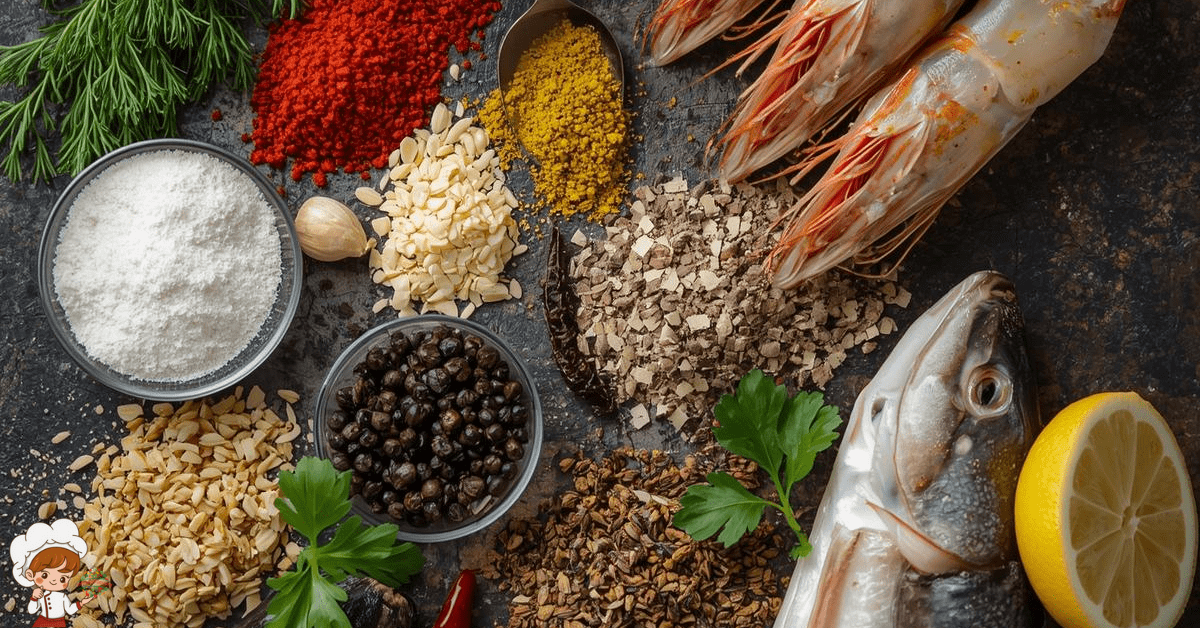
To prepare and season your slow-cooked dish, gather all the necessary ingredients and spices, ensuring you have everything on hand for a flavorful and satisfying meal. The first step in preparing your dish is to marinate the meat. Marinating not only infuses your protein with delicious flavors, but it also helps tenderize tougher cuts of meat. To marinate, simply combine your choice of marinade ingredients in a bowl or zip-top bag, then add the meat and let it sit in the refrigerator for at least an hour, or preferably overnight. This allows the flavors to penetrate the meat, resulting in a more flavorful and tender dish.
Once the marinating process is complete, it’s time to season your dish. Start by generously seasoning the meat with salt and pepper. This helps to enhance the natural flavors of the ingredients and brings out the best in your dish. Additionally, you can add herbs and spices to further elevate the taste. Common herbs like thyme, rosemary, and bay leaves work well with most slow-cooked dishes. For a bolder flavor, consider adding spices such as paprika, cumin, or chili powder.
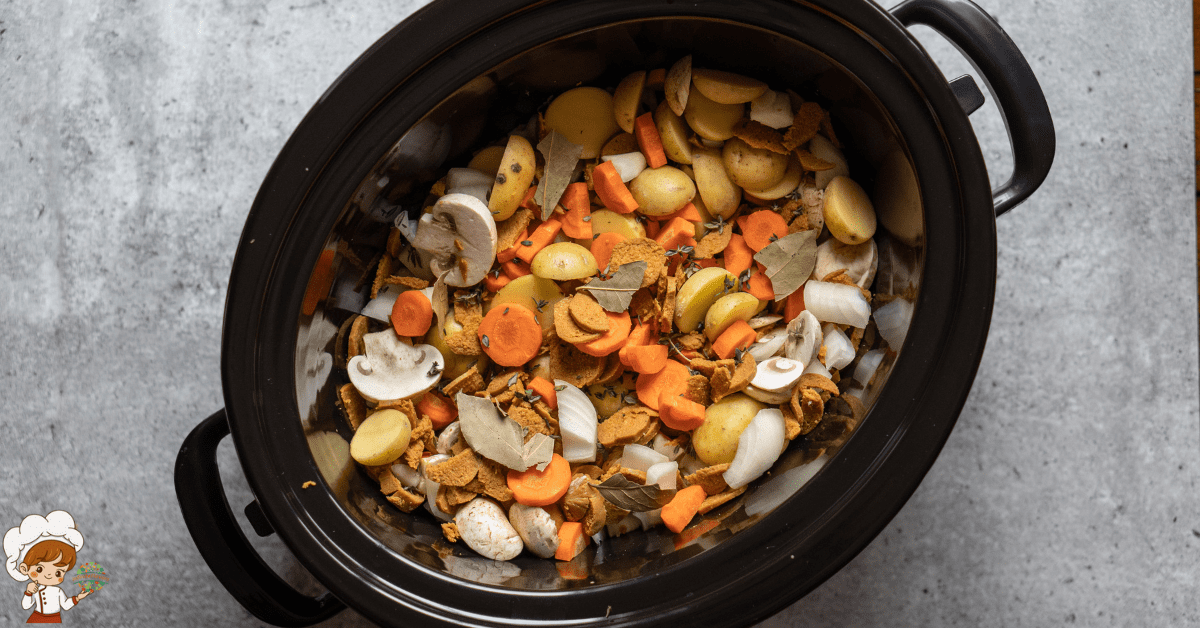
When it comes to slow cooker hacks, there are a few tricks that can help you achieve even better results. First, searing the meat before adding it to the slow cooker can enhance the flavor and texture. Simply heat a skillet over medium-high heat, add some oil, and sear the meat until it forms a golden brown crust. Another hack is to layer the ingredients properly. Start with the meat at the bottom, followed by vegetables and liquids. This ensures that the flavors meld together perfectly during the cooking process.
We’ve Got Everything You Need to Make Your Masterpiece.
Choosing the Perfect Cooking Time and Temperature
For optimal results in your slow-cooking endeavors, it is crucial to carefully consider the ideal cooking time and temperature. Determining the perfect cooking time and temperature depends on a few factors, such as the type of meat you are using and the desired texture and tenderness you want to achieve. Different cuts of meat require different cooking times and temperatures to reach their fullest potential.
When it comes to determining ideal meat cuts for slow cooking, you have a variety of options to choose from. Tough cuts of meat, like chuck roast or pork shoulder, are excellent choices for slow cooking as the low and slow cooking process helps break down the tough collagen and connective tissues, resulting in tender and flavorful meat. On the other hand, lean cuts of meat, such as chicken breast or pork tenderloin, are better suited for quicker cooking methods as they can easily dry out during prolonged slow cooking.
Experimenting with different spices is another exciting aspect of slow cooking. Spices can add depth and complexity to your dishes, enhancing the overall flavor profile. However, it is important to note that some spices may lose their potency during the long cooking process, so it is advisable to add them towards the end of the cooking time to preserve their flavors.
In terms of temperature, most slow-cooked dishes are cooked on low heat for an extended period. This allows the flavors to develop slowly and the meat to become tender. Generally, a temperature between 190°F (88°C) to 210°F (99°C) is recommended for slow cooking. However, it is essential to consult specific recipes or guidelines for the specific meat you are using, as different meats may have different ideal temperatures.
Maximizing Flavor With Proper Layering
Proper layering is essential for maximizing the flavor in your slow-cooked dishes. By strategically arranging the ingredients in your slow cooker, you can enhance the texture and create unique flavor profiles that will elevate your meals to new heights.
Here are three key ways to enhance your slow-cooked dishes through proper layering:
- Enhancing texture through ingredient combinations:
- Layering ingredients with different textures can add depth and complexity to your dish. For example, placing root vegetables like carrots and potatoes at the bottom of the slow cooker allows them to cook thoroughly and develop a rich, creamy texture.
- Combining ingredients with varying levels of tenderness can create a delightful contrast in each bite. Try layering tender cuts of meat on top of sturdy vegetables to preserve their tenderness while infusing them with flavors from the ingredients below.
- Exploring unique flavor profiles through layering techniques:
- Layering aromatic ingredients, such as onions, garlic, and herbs, at the bottom of the slow cooker allows their flavors to infuse the entire dish. This creates a strong foundation of flavor that permeates every ingredient.
- Experiment with different spice blends and seasonings to create interesting layers of flavors. Add spices like cumin, paprika, or curry powder in between layers to infuse your dish with a burst of exotic taste.
- Building complexity through liquid layering:
- Incorporating different liquids, such as broth, wine, or coconut milk, can add depth and complexity to your slow-cooked dishes. Pouring a flavorful liquid over the layers of ingredients ensures they stay moist and infuses them with additional taste.
- Don’t forget to reserve some liquid from the recipe and pour it over the top layer before cooking. This will help to keep the dish moist and allow the flavors to meld together as it cooks.
Mastering the Art of Slow Cooking
Mastering the art of slow cooking requires patience, practice, and a deep understanding of how to extract the most flavor from your ingredients. Slow cooking is a technique that involves cooking food at a low temperature for an extended period of time. It allows the flavors to develop and meld together, resulting in tender, flavorful dishes.
One of the key benefits of slow cooking is the convenience it offers. With busy schedules, it can be challenging to find the time to cook a homemade meal. However, with a slow cooker, you can simply throw all the ingredients in, set it, and forget it. Slow cooker recipes are often simple and require minimal preparation.
In addition to convenience, slow cooking also enhances the flavors of your dishes. The low, gentle heat allows the flavors to intensify and develop over time. The ingredients have a chance to release their natural juices, resulting in tender, succulent meats and rich, flavorful sauces.
To master the art of slow cooking, it is important to choose the right cuts of meat and ingredients. Tough, inexpensive cuts of meat are ideal for slow cooking as the long, slow cooking process breaks down the connective tissues, resulting in tender, melt-in-your-mouth textures. Additionally, layering flavors is crucial. By adding ingredients in a specific order, you can ensure that each ingredient contributes to the overall flavor profile of the dish.
We’ve Got Everything You Need to Make Your Masterpiece.
Frequently Asked Questions: Guide To Perfect Slow Cooking Techniques
Can I Use a Slow Cooker to Make Desserts or Baked Goods?
Yes, you can use a slow cooker to make desserts and baked goods. There are plenty of delicious slow cooker dessert recipes available, and with a few tips for baking in a slow cooker, you can create tasty treats with ease.
How Often Should I Stir the Ingredients While Slow Cooking?
When slow cooking, it’s important to stir the ingredients occasionally for even cooking and flavor distribution. A good rule of thumb is to stir every 1-2 hours. This helps achieve tender and flavorful dishes.
Can I Use Frozen Meat or Vegetables in Slow Cooking?
You can definitely use frozen meat and vegetables in slow cooking, but there are pros and cons to consider. On the plus side, it’s convenient and can save you time. However, keep in mind that frozen ingredients may release more liquid and could require longer cooking times.
Is It Necessary to Sear the Meat Before Adding It to the Slow Cooker?
Searing meat before slow cooking: Does it really make a difference? Well, it depends. Searing can add depth and flavor to your dish, but it’s not always necessary. Experiment and see what works best for you!
Can I Leave the Slow Cooker Unattended for Long Periods of Time?
Yes, you can leave the slow cooker unattended for long periods of time, but it is important to follow slow cooker safety precautions. Ensure the cooker is placed on a stable surface and keep it away from flammable objects.

Conclusion
Mastering slow cooking isn’t about complicated techniques — it’s about understanding how time, temperature, and ingredient preparation work together. With the methods in this guide, you’ll be able to create deeply flavorful meals with minimal effort and maximum payoff. Whether you’re prepping weeknight dinners or crafting comfort‑food classics, these slow‑cooking techniques will help you achieve consistently delicious results. Now it’s your turn to put these steps into practice and transform everyday ingredients into unforgettable dishes.