Benefits And How-To Guide For Great Slow Cooking Techniques
Guide For Great Slow Cooking Techniques; Slow cooking is one of the simplest ways to turn everyday ingredients into rich, flavorful, melt‑in‑your‑mouth meals. With low heat and plenty of time, flavors deepen, textures soften, and even the toughest cuts become tender and delicious. If you’re ready to make slow cooking a reliable part of your kitchen routine, this guide will walk you through the essential techniques that help you get perfect results every time.
What You’ll Learn in This Guide
- The key benefits of slow cooking and why it works
- How to choose the right ingredients for slow cooking
- The best way to prep meats and vegetables for even cooking
- How to layer flavors for deeper, richer results
- The role of liquids, spices, and aromatics in slow cooking
- When to add dairy, herbs, and fresh ingredients
- How to avoid mushy vegetables and overcooked meats
- Simple techniques to boost flavor without extra effort
Healthier and More Nutritious Meals
If you’re looking to make your meals healthier and more nutritious, slow cooking is a fantastic technique that can help you achieve your goals. Slow cooking is known for its ability to retain the nutritional benefits of ingredients, resulting in wholesome and flavorful dishes. By cooking ingredients at a low temperature over a longer period of time, slow cooking allows flavors to meld together while preserving the nutrients in the food.
One of the main nutritional benefits of slow cooking is the retention of vitamins and minerals. Unlike other cooking methods that can cause the loss of these essential nutrients, slow cooking keeps them intact. This means that your meals will not only taste delicious, but they will also provide you with the necessary vitamins and minerals to support your overall health and well-being.
Furthermore, slow cooking is a great way to reduce the need for added fats and oils in your meals. The gentle heat and longer cooking time allow the natural flavors of the ingredients to shine through, eliminating the need for excessive amounts of added fats or oils. This makes slow cooker recipes a healthier option compared to dishes prepared using other cooking methods.
Additionally, slow cooking can help you incorporate more vegetables and lean proteins into your diet. By simmering vegetables and proteins in flavorsome broths or sauces, slow cooking enhances their taste and texture, making them more appealing and enjoyable to eat. This can be especially beneficial if you’re trying to increase your intake of nutrient-dense foods.
We’ve Got Everything You Need to Make Your Masterpiece.
Enhanced Flavors and Textures
To further enhance the overall quality of your slow-cooked meals, the technique also imparts an array of tantalizing flavors and textures that will leave your taste buds satisfied. Slow cooking allows the ingredients to break down slowly, resulting in rich and intense flavors. The long, gentle cooking process allows the flavors to meld together, creating a depth of taste that is hard to achieve with other cooking methods.
One of the key benefits of slow cooking is the way it tenderizes meat. Tough cuts of meat, such as beef brisket or pork shoulder, become incredibly tender and juicy after hours of slow cooking. The low and slow method breaks down the connective tissues in the meat, resulting in a melt-in-your-mouth texture that is simply irresistible.
In addition to tenderizing meat, slow cooking also brings out the natural sweetness of vegetables. The slow and steady heat caramelizes the natural sugars in vegetables like carrots, onions, and bell peppers, intensifying their flavors. The result is a delicious medley of sweet and savory notes that adds depth to your dishes.
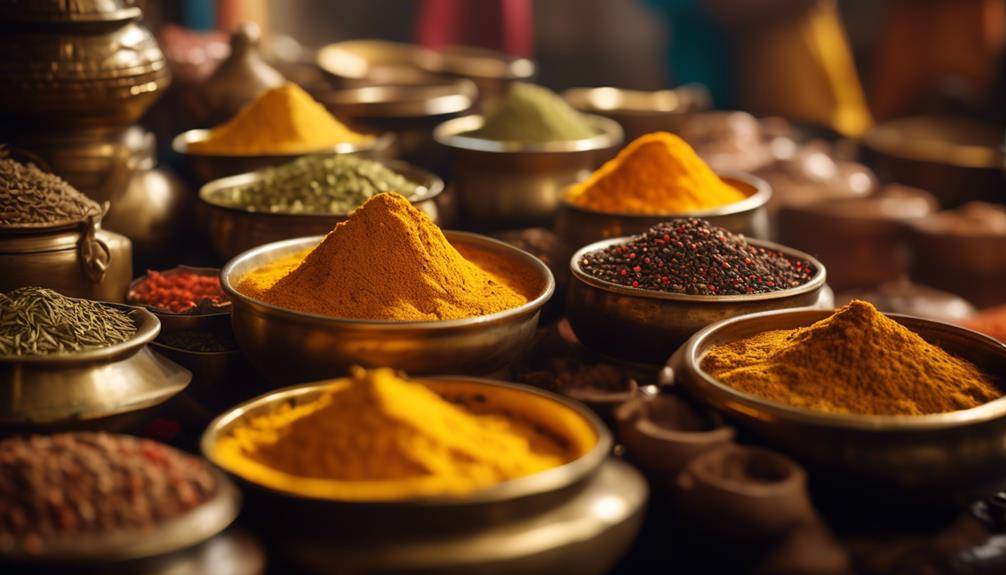
Another advantage of slow cooking is the way it allows spices and seasonings to infuse into the food. As the ingredients simmer for hours, they absorb the flavors of the herbs, spices, and aromatics, resulting in a rich and well-balanced taste. This is especially beneficial when cooking slow cooker recipes that call for a variety of spices, such as curries or chili.
Time-Saving and Convenient Cooking Method
With its time-saving and convenient nature, slow cooking has become a go-to method for busy individuals looking to enjoy flavorful and satisfying meals without the hassle of constant monitoring and hands-on cooking. Whether you are a working professional, a busy parent, or simply someone who wants to spend less time in the kitchen, slow cooking offers a solution that allows you to prepare delicious meals with minimal effort required. Here are some reasons why slow cooking is a time-saving and convenient cooking method:
- Quick Meal Prep: Slow cooking allows you to prepare your ingredients in advance and then simply add them to the slow cooker. This means that you can spend a few minutes in the morning or the night before, chopping vegetables, marinating meat, and gathering spices. Once everything is in the slow cooker, you can set it and forget it, allowing you to focus on other tasks or enjoy some downtime.
- Minimal Effort Required: Unlike traditional cooking methods that often require constant monitoring and stirring, slow cooking requires very little hands-on work. You don’t need to stand over the stove, checking the temperature or stirring the pot. The slow cooker does all the work for you, slowly cooking your food to perfection while you go about your day.
- Versatility: Slow cooking is incredibly versatile and can be used to prepare a wide variety of dishes. From soups and stews to roasts and desserts, there is no limit to what you can create in a slow cooker. This versatility allows you to experiment with different flavors and ingredients, expanding your culinary horizons without sacrificing time or effort.
- Easy Clean-up: One of the great benefits of slow cooking is the easy clean-up. Since most slow cooker recipes require only one pot, you won’t have to worry about a sink full of dishes. Simply remove the inner pot from the slow cooker, wash it, and you’re done. This saves you time and energy, allowing you to spend more time enjoying your delicious meal and less time cleaning up afterwards.
Tender and Juicy Meats
Slow cooking’s time-saving and convenient nature not only allows for quick meal prep and minimal effort, but it also produces tender and juicy meats that will leave you craving for more. One of the main advantages of slow cooking is its ability to transform tough cuts of meat into succulent beef that melts in your mouth. The slow and low cooking method breaks down the collagen in the meat, resulting in tender and flavorful beef. As the meat cooks slowly over time, the connective tissues break down, resulting in a tender texture that is perfect for dishes like pot roast or beef stew.
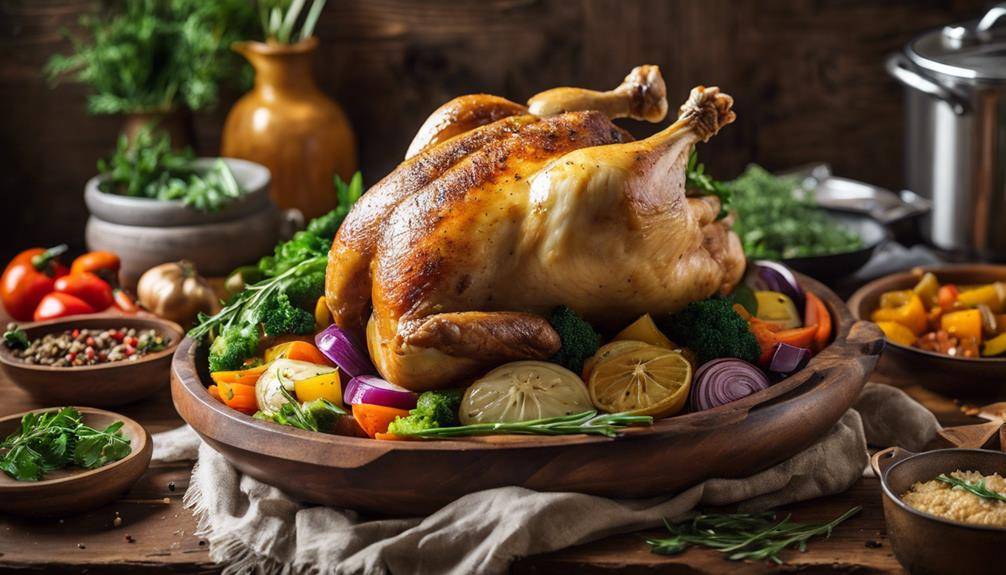
When it comes to chicken, slow cooking ensures moist and juicy meat every time. By cooking chicken on a low heat setting, you allow the meat to retain its moisture and natural juices. The slow and gentle cooking process prevents the chicken from drying out, resulting in a perfectly cooked and delicious meal. Whether you’re making chicken soup, pulled chicken, or even whole roasted chicken, slow cooking guarantees moist and tender meat that is full of flavor.
To achieve succulent beef and moist chicken, it is important to choose the right cuts of meat and season them well. For beef, opt for tougher cuts like chuck roast or brisket, as they benefit the most from slow cooking. For chicken, bone-in, skin-on pieces work best as they retain more moisture during the cooking process. Additionally, marinating the meat before slow cooking can enhance the flavors and tenderize the meat even further.
We’ve Got Everything You Need to Make Your Masterpiece.
Versatility for a Wide Range of Recipes
Get ready to discover the incredible versatility of slow cooking, as it opens up a world of possibilities for a wide range of delicious recipes. With its adaptability, slow cooker recipes are not limited to just stews and soups. Here are four reasons why slow cooking is perfect for any type of dish:
- Infuse Flavors: Slow cooking allows flavors to meld together, resulting in rich and aromatic dishes. The long cooking time allows spices and herbs to fully develop, creating a depth of flavor that is unmatched. Imagine tender beef stew with a complex blend of spices or a creamy chicken curry bursting with the fragrant aroma of freshly ground spices.
- Tenderize Tough Cuts: Slow cooking is a game-changer when it comes to tough cuts of meat. Whether it’s a brisket, pork shoulder, or lamb shanks, the low and slow cooking process breaks down the tough fibers, resulting in melt-in-your-mouth meat that is moist and tender.
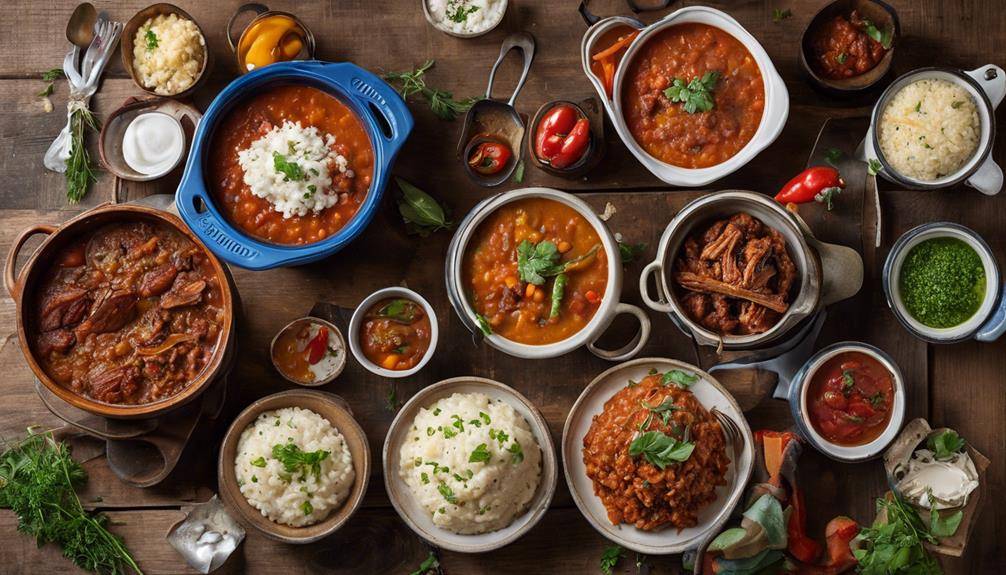
- One-Pot Wonders: Slow cookers are a busy cook’s best friend. You can throw all the ingredients into the pot in the morning, set it, and forget it until dinnertime. The result? A delicious, hearty meal with minimal effort. From chili to lasagna to mac and cheese, slow cookers can handle it all.
- Versatile Sides: Slow cookers aren’t just for main dishes. They can also be used to prepare versatile sides like mashed potatoes, rice pilaf, or even homemade applesauce. The gentle heat of the slow cooker ensures that these sides are cooked evenly and stay warm until ready to serve.
Frequently Asked Questions: Guide For Great Slow Cooking Techniques
Can I Use a Slow Cooker to Prepare Vegetarian or Vegan Meals?
Yes, you can use a slow cooker to prepare delicious vegetarian or vegan meals. It’s a great option for beginners looking for easy slow cooker recipes. Slow cooking can enhance the flavors of vegetarian meals compared to traditional cooking methods.
Is It Safe to Leave a Slow Cooker Unattended for Several Hours?
It’s important to take slow cooker safety precautions if you plan on leaving it unattended for several hours. Make sure to follow the instructions and use a timer to prevent food from overcooking.
Can I Cook Seafood or Fish in a Slow Cooker?
Yes, you can cook seafood or fish in a slow cooker. It’s a convenient and easy way to prepare dishes like fish stew or shrimp scampi. Slow cooking allows the flavors to meld together perfectly.
What Are Some Tips for Converting Traditional Recipes Into Slow Cooker Recipes?
To convert traditional recipes into slow cooker recipes, you’ll need to adjust cooking times. Start by choosing the right slow cooker size for your recipe. This will ensure that your food cooks evenly and thoroughly.
Are There Any Specific Ingredients That Are Not Suitable for Slow Cooking?
Certain ingredients like delicate seafood or dairy products may not hold up well to the long cooking times of a slow cooker. However, for most ingredients, slow cooking can bring out their flavors and create tender, delicious meals.

Conclusion
Mastering slow cooking is all about understanding how time, temperature, and technique work together. By choosing the right ingredients, layering flavors, and adding finishing touches at the perfect moment, you can create meals that are tender, flavorful, and deeply satisfying. With these simple slow‑cooking techniques, you’ll be able to turn everyday dishes into warm, comforting favorites your whole family will love.