Sous Vide Cooking: Comprehensive Equipment Purchase Guide
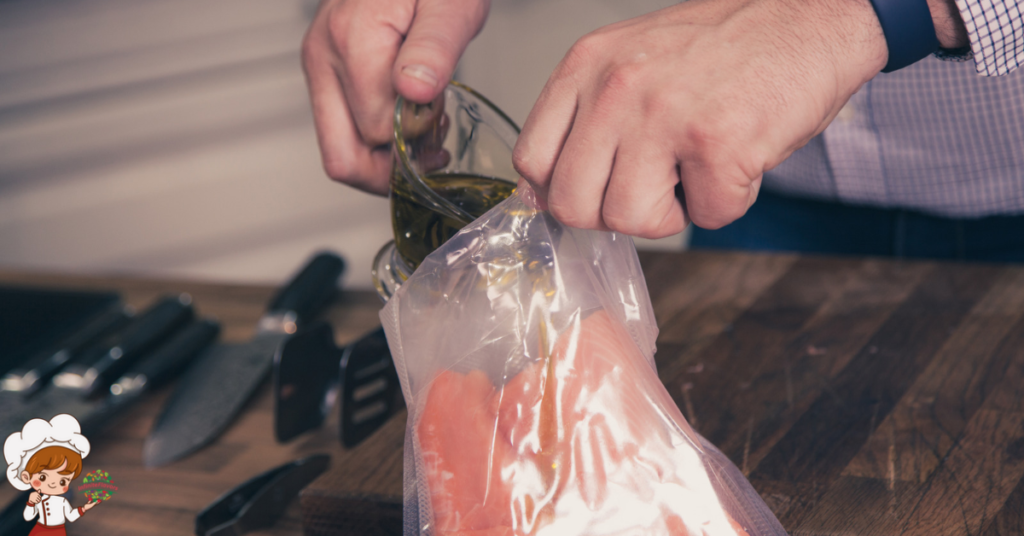
Sous Vide Cooking: Comprehensive Equipment Purchase Guide: Sous vide cooking is a game-changer for your kitchen, but choosing the right equipment is essential. Start with an immersion circulator for precise temperature control; popular options include Anova and Joule. Next, invest in a good vacuum sealer to keep your food airtight for better flavor. You’ll want versatile sous vide containers—think plastic, glass, or stainless steel—large enough for your meals. Don’t overlook quality bags, either; choose from vacuum-sealed, reusable, or biodegradable types. By understanding these essentials, you’re already on the path to creating delicious meals effortlessly. There’s much more to explore that can enhance your sous vide experience.
What Is Sous Vide Cooking?
Click Here and Turn Every Masterpiece into a Showstopper!
Sous vide cooking has taken the culinary world by storm, and for good reason. This innovative method involves sealing food in airtight bags and immersing it in a water bath at a precise temperature. By controlling the heat, you guarantee even cooking without the risk of overcooking. You might be surprised to learn that sous vide has an intriguing history, dating back to the 1970s when French chefs first utilized this technique to create exquisite dishes with consistent results.
In its early days, sous vide was primarily used in fine dining establishments, allowing chefs to perfect their skills and elevate their dishes. As the years went by, advancements in technology made sous vide accessible to home cooks. Today, you can find affordable immersion circulators that fit easily into your kitchen setup, opening the door for everyone to experiment with sous vide techniques.
When you engage in sous vide cooking, you’ll appreciate its precision. By using water at a controlled temperature, you can achieve textures and flavors that traditional methods sometimes can’t match. Imagine cooking your steak to the exact doneness you desire, rather than relying on guesswork. This technique allows you to create perfectly tender vegetables, juicy meats, and even desserts that are often difficult to master.
Ultimately, sous vide cooking transforms the way you approach food preparation, giving you the power to create exceptional meals with minimal effort and maximum flavor. So, are you ready to embrace this culinary revolution?
Benefits of Sous Vide Cooking
Cooking with precision offers numerous benefits that elevate your culinary experience. Sous vide cooking stands out for its unique ability to enhance flavors while ensuring food safety. By cooking food in a sealed bag at a consistent temperature, you’re not just achieving cooking precision; you’re also minimizing the risk of overcooking, which can lead to dry, unpalatable meals.
One of the most compelling aspects is the nutrient retention. Traditional cooking methods often strip food of essential vitamins and minerals. However, sous vide preserves these nutrients, giving you health benefits that go beyond taste. You’ll enjoy meals that are not only delicious but also packed with nutrients.
Moreover, sous vide promotes texture improvement. You can achieve that perfect melt-in-your-mouth tenderness with meats or a perfectly cooked egg, which can be challenging through conventional methods. This level of control invites culinary creativity, allowing you to experiment with various ingredients and flavors.
Meal prep becomes a breeze with sous vide. You can cook in batches, store your meals, and simply reheat them while maintaining the integrity of the food. The flavor enhancement is remarkable; ingredients marry beautifully over time, resulting in dishes that sing with taste.
Essential Equipment Overview
To get started with sous vide cooking, you’ll need a few key pieces of equipment. An immersion circulator is essential for temperature control, while a vacuum sealer helps keep your food sealed and flavorful. Don’t forget about choosing the right sous vide containers to guarantee everything cooks evenly and efficiently.
Immersion Circulators Explained
When diving into the world of sous vide, understanding immersion circulators is key to achieving perfectly cooked meals. These devices are responsible for heating water to a precise temperature and maintaining that temperature throughout the cooking process, allowing for even cooking and enhanced flavor. The sous vide history dates back to the 1970s, but it’s gained popularity in recent years due to its simplicity and consistent results.
As you explore immersion circulator brands, you’ll find several options that cater to different budgets and needs. Popular brands like Anova, Breville, and Joule each offer unique features such as Wi-Fi connectivity, user-friendly interfaces, and precise temperature controls. Choosing the right immersion circulator can greatly impact your cooking experience, so consider factors like wattage, temperature range, and ease of use.
Whether you’re a novice or a seasoned chef, an immersion circulator can elevate your culinary skills. By investing in a quality model, you’ll reveal the potential to create perfectly cooked meats, vegetables, and even desserts, all with minimal effort. Embrace the art of sous vide cooking and enjoy the delicious results!
Vacuum Sealers Importance
Maximizing the benefits of sous vide cooking means investing in a reliable vacuum sealer. This essential piece of equipment guarantees your food is sealed tightly, preventing water from seeping in and ruining your culinary masterpiece. With effective vacuum sealing techniques, you can keep flavors locked in, enhance marination, and even prolong shelf life.
When you vacuum seal your ingredients, you eliminate air, reducing the risk of freezer burn and spoilage. This means your meals will taste fresher and more vibrant once cooked. Additionally, vacuum sealing allows for better heat transfer during the sous vide process, resulting in more even cooking.
You’re not just investing in a tool; you’re enhancing your overall cooking experience. The right vacuum sealer can handle various food types, from meats to vegetables, guaranteeing they cook to perfection. Plus, with the ability to prepare meals ahead of time, you can enjoy the convenience of having gourmet dishes ready at your fingertips.
In short, a good vacuum sealer isn’t just an accessory—it’s a game changer for anyone serious about sous vide cooking. Make certain to choose one that fits your needs, and watch your cooking skills soar.
Sous Vide Containers Options
Choosing the right sous vide container is essential for achieving consistent and delicious results. When you’re selecting a container, consider both the materials and sizes that will best suit your cooking needs.
Sous vide materials vary widely, but the most common options include plastic, glass, and stainless steel. Plastic containers are lightweight and often more affordable, making them a popular choice for beginners. However, verify they’re BPA-free and heat-safe. Glass containers offer a sleek design and can handle higher temperatures, but they can be heavier and more fragile. Stainless steel containers are durable and excellent at retaining heat, but they might come with a higher price tag.
Regarding container sizes, you’ll want to choose one that fits your cooking volume. If you’re meal-prepping or cooking for a crowd, a larger container can accommodate multiple bags of food. For smaller meals, a compact container will suffice. Remember, the size of your sous vide container can affect the water temperature and cooking time, so think about what you’ll be cooking most often. Ultimately, picking the right container makes all the difference in your sous vide experience.
Choosing an Immersion Circulator
When choosing an immersion circulator, you should focus on key features that match your cooking style and needs. Price ranges can vary considerably, so it’s important to find a balance between quality and budget. Let’s explore what to look for to make the best choice for your sous vide adventures.
Key Features to Consider
Selecting the right immersion circulator can greatly impact your sous vide cooking experience. When considering features, prioritize temperature accuracy and stability, as these are vital for cooking precision. Look for models that maintain a consistent temperature within a fraction of a degree, ensuring your food cooks evenly and safely.
Another essential feature is the heating power. A circulator with higher wattage will heat water faster, which is especially useful for larger volumes. Additionally, consider the water circulation capacity; a powerful circulator will move water efficiently, preventing hot spots and ensuring even cooking.
You’ll also want to pay attention to the size and design of the unit. A compact, lightweight circulator can be easier to store and handle, while an ergonomic design can enhance usability. Finally, check for user-friendly controls and connectivity features, like Bluetooth or Wi-Fi, which can allow you to monitor your cooking remotely.
Always remember that sous vide safety is paramount. Look for circulators that come with built-in safety features, such as automatic shut-off when the water level is too low, to protect both your food and your appliance.
Price Range Overview
While you might be tempted to go for the cheapest option, understanding the price range of immersion circulators is essential for making a smart investment in your sous vide setup. Immersion circulators typically range from around $50 for budget options to over $300 for premium choices.
In the budget category, you’ll find models that offer basic functionalities, making them suitable for beginners or casual cooks. These options usually heat water evenly and maintain temperature well enough for simple sous vide tasks. However, they may lack advanced features like Wi-Fi connectivity or precise temperature controls.
On the other hand, premium choices come packed with features that enhance your cooking experience. These models often have better build quality, faster heating times, and more precise temperature management. They may also include smart technology, allowing you to control the circulator from your smartphone.
Ultimately, consider your cooking needs and how often you plan to use the immersion circulator. Investing a bit more in a premium choice can pay off in the long run, especially if you’re serious about sous vide cooking and want consistent, restaurant-quality results.
Types of Sous Vide Bags
Choosing the right sous vide bag can greatly impact your cooking results. When it comes to sous vide, you’ve got a few options to evaluate. The most common types are vacuum-sealed bags, reusable bags, and biodegradable options. Each type has its pros and cons, so let’s break them down.
Vacuum-sealed bags are popular because they effectively remove air, ensuring even cooking and preventing any water from seeping in. These bags are typically made from durable plastic, which can withstand high temperatures. However, they’re often single-use, which might not align with your eco-friendly goals.
If sustainability is important to you, contemplate reusable bags. These silicone or heavy-duty plastic bags can be washed and used multiple times, making them an excellent choice for the environment and your wallet. Just make sure you choose bags specifically designed for sous vide cooking, as they need to handle the heat and water without compromising.
Lastly, biodegradable options are becoming more available. These bags break down naturally over time, minimizing environmental impact. While they may not always be as robust as traditional vacuum-sealed bags, they can still be effective for sous vide cooking if you follow the manufacturer’s guidelines.
Ultimately, your choice of sous vide bag should align with your cooking style and values. Whether you go for vacuum-sealed, reusable, or biodegradable, picking the right bag will enhance your sous vide experience and help you achieve delicious results.
Vacuum Sealers Explained
When it comes to sous vide cooking, vacuum sealers play a pivotal role in achieving the best results with your chosen bags. By removing air from the bags, vacuum sealing guarantees that your food cooks evenly and retains its flavors, moisture, and nutrients. This method greatly enhances the overall quality of your meals, making it a must-have for serious sous vide enthusiasts.
There are several vacuum sealer types to evaluate, each tailored to different needs and budgets. The most common options are external vacuum sealers, chamber vacuum sealers, and handheld sealers. External sealers are compact and budget-friendly, making them ideal for beginners. They work by sucking air out of the bag before sealing it, but they may not be as effective with liquids.
Chamber vacuum sealers, on the other hand, are more advanced. They create a vacuum within a chamber, allowing you to seal bags containing liquids without worrying about spills. These machines are more expensive but offer greater durability and performance, making them suitable for frequent users.
Handheld sealers are another option, perfect for quick sealing tasks. They’re portable and easy to use, although they may not provide the same level of vacuum sealing benefits as the other types.
Ultimately, choosing the right vacuum sealer depends on your cooking habits, budget, and the volume of food you plan to prepare. Investing in a quality vacuum sealer can elevate your sous vide experience, guaranteeing your meals are consistently delicious.
Alternative Sealing Methods
Alternative sealing methods can be a game-changer for your sous vide cooking, especially if you don’t have access to a vacuum sealer. You can still achieve excellent results using various techniques and materials that are readily available.
One popular option is ziplock bags. They’re affordable and easy to work with. To seal your food without a vacuum, use the water displacement method. Submerge the bag in water, allowing the pressure to push air out before sealing it. This method works well for most foods. If you’re looking for something more durable, consider reusable bags or food-grade silicone bags. These options are eco-friendly and often designed to handle heat better than traditional plastic.
Mason jars are another excellent alternative, particularly for liquids or delicate items. Just make certain the jars are filled to avoid air pockets, and use clip techniques to secure the lids, preventing them from popping off during cooking.
You might also explore airtight containers if you prefer a sturdier option. They can be used with sous vide racks to keep everything submerged. Immersion techniques can help keep the food in place, guaranteeing even cooking.
Click Here and Turn Every Masterpiece into a Showstopper!
Containers for Sous Vide
Sous vide cooking requires the right containers to guarantee your food is cooked evenly and safely. Choosing the appropriate container materials and sizes is vital for a successful sous vide experience. You’ll want to take into account options like polycarbonate, stainless steel, or glass for your containers. Each material has its own benefits. For instance, polycarbonate is lightweight and durable, stainless steel is excellent for heat retention, and glass is non-reactive, making it a solid choice for delicate foods.
When it comes to container sizes, think about what you’re cooking and how much you’ll be preparing. If you’re cooking for a crowd, a larger container will accommodate multiple bags or larger cuts of meat. On the other hand, if you’re cooking for one or two people, a smaller container will suffice. Make certain the container can hold enough water to submerge your food completely.
Also, take into account the shape of your container. A tall, narrow container can work well for smaller items, while a wide, shallow container is better for larger batches. You’ll need to confirm that the container fits your immersion circulator, so check the specifications before making a purchase.
Temperature and Time Guides
When it comes to sous vide cooking, knowing the ideal temperatures and recommended cooking durations is essential for achieving the best results. You’ll want to familiarize yourself with these guidelines to guarantee your food is cooked perfectly every time. Let’s explore the specifics that will elevate your sous vide experience.
Ideal Cooking Temperatures
Understanding the ideal cooking temperatures is vital for achieving perfectly cooked sous vide meals. Many sous vide myths suggest that cooking at higher temperatures always yields better results, but that’s not true. Instead, sous vide cooking precision allows you to maintain consistent temperatures over extended periods, guaranteeing your food is cooked evenly throughout.
For instance, if you’re cooking chicken, setting your sous vide water bath to 140°F (60°C) will yield tender, juicy results in just a couple of hours. On the other hand, if you prefer steak, a temperature of 130°F (54°C) will give you that perfect medium-rare, while raising it to 160°F (71°C) will create a well-done finish.
It’s important to remember that the ideal cooking temperature can vary based on the type of food you’re preparing. Fish, for example, can be deliciously flaky at 125°F (52°C). With sous vide, you have the flexibility to experiment within these temperature ranges, but knowing the guidelines helps avoid overcooking and guarantees you enjoy the best flavors and textures. Embrace the science of sous vide, and you’ll see how it transforms your meals.
Recommended Cooking Durations
To achieve the best results in sous vide cooking, it’s vital to pair your chosen temperature with the right cooking duration. Each sous vide recipe has specific time and temperature guidelines to guarantee your food reaches the desired doneness while maintaining ideal texture and flavor.
For example, if you’re cooking steak, a temperature of 129°F (54°C) for 1 to 4 hours will give you a perfect medium-rare. If you prefer chicken, cooking it at 165°F (74°C) for 1 to 2 hours will make sure it’s safe and juicy. When it comes to vegetables, cooking at 183°F (84°C) for 30 to 60 minutes will yield tender results.
Remember, sous vide is forgiving; longer cooking times won’t overcook your food as long as you stay within the recommended ranges. However, be mindful that some ingredients, like fish, may only need 30 to 45 minutes.
Using these cooking tips, you can experiment with various sous vide recipes, adjusting times to find your perfect taste. So, don’t hesitate to plunge into sous vide cooking; with the right durations, you’ll create delicious meals every time!
Accessories for Sous Vide Cooking
As you plunge into the world of sous vide cooking, you’ll quickly discover that having the right accessories can elevate your culinary experience. While the sous vide machine is the star of the show, a few essential cooking accessories can make all the difference in achieving precise results.
First off, vacuum sealers are vital for removing air from bags, guaranteeing that your food cooks evenly and retains its flavors. You might opt for a handheld vacuum sealer or a more robust countertop model, depending on your needs. Don’t forget about quality vacuum bags; they should be sturdy and BPA-free to withstand the sous vide process.
Another essential accessory is a precision immersion circulator. While this is technically a sous vide tool, it’s worth emphasizing that having a reliable device can greatly improve your cooking experience. Choose one with a digital display and adjustable temperature settings for the best results.
You’ll also want to invest in a large container or pot to hold your water. A container with a lid can help maintain temperature and minimize evaporation, enhancing efficiency.
Lastly, consider getting silicone cooking mats or racks to prevent your food from floating and guarantee even cooking. These small but effective accessories can make a world of difference.
With these sous vide tools and cooking accessories, you’re well on your way to mastering this innovative cooking method, leading to perfectly cooked meals every time. Enjoy your culinary adventure!
Maintenance and Care Tips
Proper maintenance and care of your sous vide equipment guarantees its longevity and consistent performance. To keep your gear in top shape, start with effective cleaning techniques. After each use, detach any removable parts and wash them with warm, soapy water. A soft sponge works best to avoid scratching surfaces. For the immersion circulator, wipe it down with a damp cloth to remove any food particles or stains. If you notice any stubborn residue, a mixture of vinegar and water can help break it down without damaging the equipment.
When it comes to storage solutions, make certain your sous vide equipment is stored properly to prevent wear and tear. Keep your immersion circulator in a safe, dry place, away from direct sunlight. Consider using a dedicated drawer or a storage container to prevent it from getting knocked around with other kitchen tools. If you have bags or containers specifically for sous vide cooking, store them together to streamline your cooking process and keep everything organized.
Lastly, regularly check for any signs of wear or damage. Inspect cords for fraying and ascertain seals are intact. If you notice anything unusual, address it before your next cooking session. By following these maintenance and care tips, you’ll not only extend the life of your sous vide equipment but also enhance your cooking experience. Keeping your tools clean and stored properly makes all the difference in achieving delicious results every time you cook.
Where to Buy Equipment
Finding the right sous vide equipment can transform your cooking experience and elevate your culinary skills. When it comes to purchasing your gear, you’ve got a few solid options to contemplate: online retailers and local kitchenware stores.
Online shopping offers a vast array of choices, often at competitive prices. Websites like Amazon, Williams Sonoma, and specialized culinary sites frequently feature customer reviews, which can help you make informed decisions. Plus, online retailers often have deals and discounts that you might not find in-store. Just make sure to check the return policy in case the equipment doesn’t meet your expectations.
On the other hand, visiting local kitchenware shops can provide a more hands-on experience. You can see the equipment up close, feel its weight, and even ask staff about their recommendations. Local shops often host cooking demonstrations or classes, which can give you insight into how to use the equipment effectively. Plus, buying locally supports your community and can lead to great conversations with fellow cooking enthusiasts.
Think about your preferences and needs when deciding where to buy your sous vide equipment. If you value convenience and variety, online retailers might be the way to go. However, if you prefer personal interactions and immediate gratification, local kitchenware stores are your best bet. Ultimately, choose the method that aligns best with your cooking style and lifestyle.
Click Here and Turn Every Masterpiece into a Showstopper!
Frequently Asked Questions: Sous Vide Cooking: Comprehensive Equipment Purchase Guide
Can Sous Vide Cooking Be Done Without Vacuum Sealing?
Yes, you can sous vide without vacuum sealing. Use alternative sealing methods like zip-top sous vide bags. Just make certain to remove as much air as possible to guarantee even cooking and prevent floating.
How Long Does Sous Vide Cooking Typically Take?
Sous vide cooking typically takes anywhere from one to 48 hours, depending on the food and desired doneness. Understanding sous vide timing enhances sous vide efficiency, ensuring you achieve perfectly cooked meals every time.
Is Sous Vide Safe for Cooking Meats?
Yes, sous vide is safe for cooking meats when you follow proper guidelines. By maintaining correct meat temperatures and cooking times, you guarantee harmful bacteria are eliminated, resulting in delicious and safe dishes every time.
What Types of Foods Are Best Suited for Sous Vide?
You’ll find sous vide vegetables and sous vide fruits yield incredible flavors and textures. Carrots, asparagus, and berries thrive in this method, ensuring you enjoy perfectly cooked dishes that enhance freshness and natural sweetness every time.
Can I Sous Vide Food in Glass Jars?
Yes, you can sous vide food in glass jars. Just consider the glass jar’s heat resistance and make certain it’s airtight. Using proper sous vide techniques will help maintain temperature and prevent water from entering the jars.

Conclusion
In summary, sous vide cooking opens up a world of culinary possibilities, making it easier to achieve perfect results every time. By investing in the right equipment and understanding the techniques, you’ll elevate your home cooking game. Remember to choose quality immersion circulators, bags, and accessories that fit your needs. With a little practice and care, you’ll enjoy delicious, restaurant-quality meals right from your kitchen. So, why not plunge into the sous vide experience today?