3 Best Health Benefits Of Fermentation Cooking
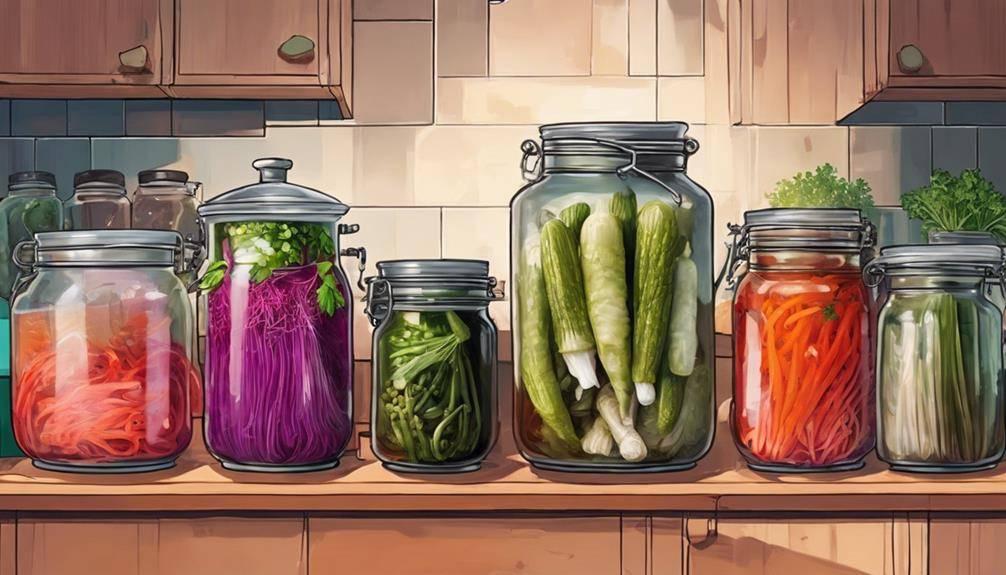
3 Best Health Benefits Of Fermentation Cooking: Fermentation cooking offers you powerful health benefits that can transform your diet and well-being. First, it enhances gut health by introducing probiotics that balance your microbiome and improve digestion. Second, it boosts nutrient absorption, as fermentation increases enzyme activity and helps release essential vitamins and minerals. Finally, it supports immune function; a balanced gut microbiome strengthens your body's defenses against pathogens. Incorporating fermented foods like kimchi, yogurt, and sauerkraut into your meals can greatly elevate your overall health. If you're curious about more ways fermentation can benefit you, there's plenty more to discover.
Enhances Gut Health
Click Here and Turn Every Masterpiece into a Showstopper!
Fermentation cooking greatly enhances gut health by introducing beneficial probiotics into your diet. These probiotics, the live microorganisms found in fermented foods, can greatly improve your digestive system. By incorporating various fermentation techniques, you can increase your intake of probiotic diversity, which plays a vital role in maintaining your gut flora.
When you consume a wide range of fermented foods, like yogurt, sauerkraut, and kimchi, you're not just enjoying delicious flavors; you're also fostering a thriving community of beneficial bacteria in your gut. This diversity is essential because different strains of probiotics serve different functions, helping to balance your gut microbiome. A well-balanced microbiome can boost your immune system, reduce inflammation, and even enhance your mood.
To get started, experiment with simple fermentation techniques at home. Try making your own kefir or pickling vegetables. These methods are not only easy but also allow you to control the ingredients, ensuring you're getting the best possible probiotics.
Don't forget to include a variety of fermented foods in your meals. Whether you add a dollop of yogurt to your breakfast or snack on some fermented veggies, you're taking steps to improve your gut health. By being mindful of the probiotic diversity in your diet, you'll support a resilient digestive system that can handle whatever life throws your way. So explore the world of fermentation cooking and enjoy the benefits for your gut health!
Boosts Nutrient Absorption
When you incorporate fermented foods into your meals, you're not just adding flavor; you're also enhancing your body's ability to absorb nutrients. Fermentation boosts enzyme activity, breaking down complex nutrients into simpler forms your body can easily utilize. For instance, when you consume fermented vegetables, the enzymes produced during fermentation can help release vitamins and minerals that might otherwise remain inaccessible.
This process leads to a bioavailability increase, meaning the nutrients in your food become more readily absorbed by your body. With fermented foods, you're not just eating; you're fueling your body more efficiently. The fermentation process also reduces anti-nutrients, compounds that can hinder the absorption of essential minerals like calcium, iron, and zinc. By minimizing these anti-nutrients, fermented foods allow for greater nutrient uptake, ensuring you get the most from your meals.
Moreover, the presence of beneficial bacteria in fermented foods can enhance your digestive efficiency. These probiotics can help balance your gut microbiome, which plays a key role in the absorption of nutrients. A healthy gut means a more effective nutrient uptake, so including options like kimchi, sauerkraut, or yogurt can greatly enhance your overall nutrition.
Click Here and Turn Every Masterpiece into a Showstopper!
Supports Immune Function
Incorporating fermented foods into your diet can greatly bolster your immune system. These foods are rich in probiotics, which are beneficial bacteria that play a significant role in maintaining a healthy gut microbiome. A balanced gut microbiome is essential for a strong immune response, as it helps your body fend off harmful pathogens.
The concept of probiotic diversity is important here. Different fermentation methods, such as lacto-fermentation and wild fermentation, create varied strains of probiotics that can enhance your gut health. By consuming a variety of fermented foods—like yogurt, sauerkraut, kimchi, and kombucha—you're introducing a broader range of beneficial bacteria into your system. This diversity can improve your gut's functionality, making it more resilient against infections.
Moreover, fermented foods often contain bioactive compounds that can further support your immune function. For instance, the vitamins and minerals produced during fermentation can enhance your body's natural defenses. When you make these foods a regular part of your meals, you're not just enjoying unique flavors; you're also actively supporting your immune health.
Click Here and Turn Every Masterpiece into a Showstopper!
Frequently Asked Questions: 3 Best Health Benefits Of Fermentation Cooking
What Types of Foods Can Be Fermented at Home?
You can ferment various foods at home, like vegetables for tasty sauerkraut recipes or milk using yogurt cultures. Try experimenting with different ingredients to discover your favorite homemade fermented treats and enhance your culinary skills!
How Does Fermentation Affect Food Safety and Preservation?
Fermentation processes enhance food safety by promoting beneficial microbial growth, which inhibits harmful bacteria. When you ferment, you're creating an environment that preserves food, extending its shelf life while adding unique flavors and textures.
Can Fermented Foods Cause Allergic Reactions in Some Individuals?
Yes, fermented foods can cause allergic reactions in some individuals. These fermentation allergies arise from individual sensitivities to certain ingredients or byproducts. It's crucial to be aware of your body's reactions when trying new fermented foods.
How Long Do Fermented Foods Typically Last in the Fridge?
Fermented foods generally last about one to six months in the refrigerator, depending on the type. Proper refrigeration storage helps maintain their quality, but always check for changes in smell, color, or texture before consuming.
Is It Possible to Over-Ferment Food, and What Happens?
Yes, you can over-ferment food. Signs include a strong, unpleasant odor and excessive sourness. Over fermentation can impact texture and flavor negatively, making it less enjoyable and potentially harmful if harmful bacteria develop.

Conclusion
Incorporating fermentation cooking into your meals can greatly improve your health. By enhancing gut health, boosting nutrient absorption, and supporting immune function, you're not just adding flavor but also nourishing your body. So, why not experiment with fermented foods like sauerkraut or yogurt? You'll enjoy delicious dishes while reaping the fantastic benefits they offer. Embrace fermentation, and watch how it transforms your cooking and overall well-being!