What Are The Essential Cooking Skills For Kids
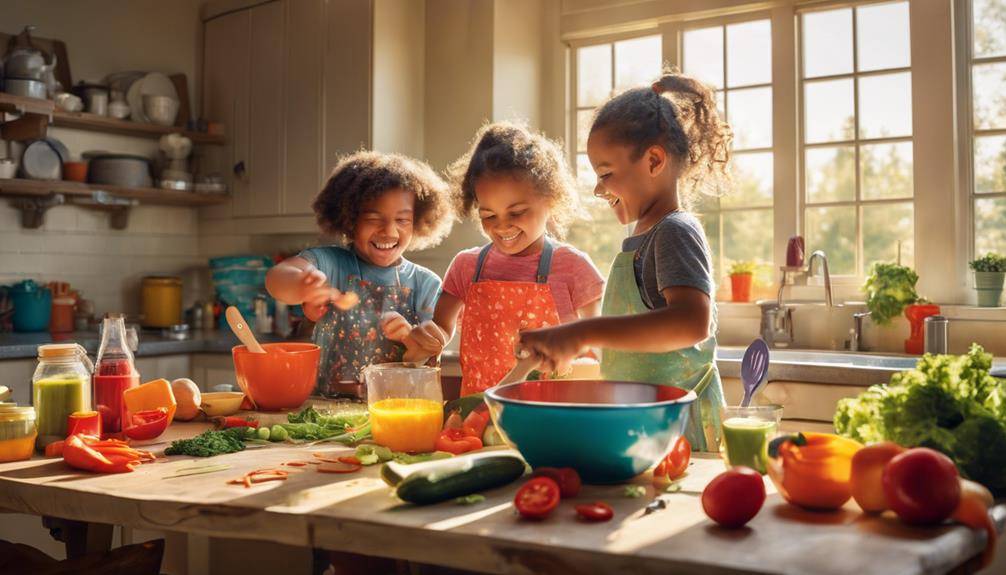
What Are The Essential Cooking Skills For Kids: To equip kids with essential cooking skills, start with basic kitchen safety. Make sure they understand common hazards and know how to use utensils properly. Teach them about kitchen tools, and help them measure ingredients accurately for consistent results. Introduce knife skills using safe techniques, and explore various cooking methods like baking and sautéing. Encourage their creativity with flavoring and seasoning, while also emphasizing meal planning and kitchen etiquette. By building these fundamental skills, you're setting them up for culinary adventures ahead. There's so much more to discover in the kitchen that can spark their passion for cooking!
Basic Kitchen Safety
Click Here and Turn Every Masterpiece into a Showstopper!
In any kitchen, safety should always come first. Understanding basic kitchen safety is vital, especially for kids learning to cook. Familiarize yourself with common kitchen hazards like sharp knives, hot surfaces, and slippery floors. Before you start cooking, make sure the area is clean and organized to minimize risks.
Always use cutting boards when slicing ingredients, and keep fingers away from the blades. When working with pots and pans, handle them with care. Use oven mitts to avoid burns, and never leave cooking food unattended. If something spills, clean it up immediately to prevent slipping.
It's also important to know the basics of first aid in case of accidents. Keep a first aid kit in the kitchen stocked with essentials like band-aids and antiseptic wipes. If you accidentally cut yourself, apply pressure to the wound with a clean cloth and elevate it if necessary. For burns, run the affected area under cool water for several minutes and cover it with a clean, dry cloth.
Make sure everyone in the kitchen understands the importance of reporting accidents, no matter how small. Having a plan in place can prevent minor incidents from escalating into more serious problems. By prioritizing safety and knowing how to handle potential hazards, you can create a fun and safe cooking environment. Remember, cooking should be enjoyable, but safety should always come first!
Understanding Kitchen Tools
Understanding kitchen tools is vital for young chefs enthusiastic to explore the culinary world. You'll encounter a variety of kitchen tool types, each designed to help you create delicious meals while guaranteeing safety and efficiency. Familiarizing yourself with these tools will not only boost your confidence but also enhance your cooking skills.
Start with the basics: knives, spatulas, measuring cups, and mixing bowls. Each tool serves a specific purpose. Knives help you chop ingredients, while spatulas are perfect for flipping and scraping. Measuring cups guarantee you get the right quantities, which is essential for successful recipes. As you become more comfortable, you can explore more specialized tools like mandolins, zesters, and food processors.
Tool maintenance is just as important as knowing how to use them. Always clean your tools after each use to prevent cross-contamination and keep your workspace tidy. Make it a habit to check for any damage, especially on knives or cutting boards, as this can impact both safety and performance. Store your tools properly to prolong their lifespan—keep sharp knives in a designated block or sheath and avoid overcrowding drawers.
Measuring Ingredients Accurately
Measuring ingredients accurately is essential for successful cooking, as even small mistakes can alter the taste and texture of your dish. You'll want to familiarize yourself with various measuring tools and common techniques to guarantee you're getting it right every time. Let's explore how precision in measuring can make all the difference in your culinary adventures.
Importance of Precision
Accurate measuring is essential in cooking, and it often makes the difference between a delicious dish and a culinary disaster. When you're following a recipe, using the right measurement techniques helps guarantee that your ingredients work together harmoniously. If you're baking, precision is especially important; a slight variation in flour or sugar can lead to dense bread or flat cookies.
To master precision baking, you need to learn how to measure dry and wet ingredients correctly. For dry ingredients, spoon them into the measuring cup, then level it off with a straight edge. For liquids, make sure to read the measurement at eye level to avoid inaccuracies.
Understanding these measurement techniques can also boost your confidence in the kitchen. You'll start to notice how different amounts of ingredients affect your dishes. Plus, you'll develop a sense of timing and cooking instincts as you recognize how consistent measurements enhance flavors and textures.
Measuring Tools Overview
Having the right measuring tools makes a significant difference in your cooking experience. Accurate measurements are essential, and using the right tools can help you achieve precision with ease. For dry ingredients, measuring cups and measuring spoons are necessary. They allow you to scoop and level off flour or sugar, ensuring you maintain proper ingredient ratios.
When it comes to liquids, liquid measuring cups are your go-to. They often have spouts for easy pouring and measurement markings that help with volume conversions. A kitchen scale is another precision tool you shouldn't overlook. It's perfect for weight estimation, especially when recipes call for ingredients measured by weight rather than volume.
Understanding different measurement techniques is important, too. For example, when measuring flour, you should spoon it into the cup instead of scooping directly from the container. This simple technique can prevent compacting, which leads to inaccurate measurements. By mastering these tools and techniques, you'll enhance your cooking skills, making every dish more delicious and consistent. Remember, accuracy in measurements lays the foundation for successful cooking adventures!
Common Measuring Techniques
Precision is key when it comes to cooking, and knowing the right techniques for measuring ingredients can make all the difference. Start by using measuring cups for both liquid and dry measurement. For liquids, fill your measuring cup to the appropriate line while keeping it at eye level for accuracy. When measuring dry ingredients, like flour or sugar, spoon the ingredient into the cup and level it off with a straight edge for precision.
Don't forget about measuring spoons for smaller quantities; they're perfect for spices or baking powder. Understanding ingredient ratios is essential, too, as it helps with recipe adjustments. If you're using a scale, it can simplify volume conversion and guarantee consistent results, especially when working with metric measurements.
Using precision tools like digital scales can enhance your accuracy, making kitchen math a breeze. When scaling recipes, remember that small adjustments can lead to big flavor changes. Mastering these common measuring techniques will set you on the right path to becoming a confident and skilled young chef.
Knife Skills for Beginners
When it comes to cooking, mastering knife skills is essential for safety and efficiency in the kitchen. Learning the right knife types and cutting techniques can make your cooking experience smoother and more enjoyable. Start by familiarizing yourself with the basic knives: a chef's knife for chopping, a paring knife for peeling, and a serrated knife for slicing bread. Each knife has a specific purpose, so knowing when to use them is key.
Next, practice fundamental cutting techniques. The claw grip is a great place to start—curl your fingers under and use your knuckles as a guide to keep your fingertips safe from the blade. The rocking motion is effective for chopping herbs or vegetables, while a straightforward downward motion works well for slicing. Make sure to apply even pressure and let the knife do the work.
As you gain confidence, try different cutting methods like dicing, julienne, or chiffonade. These techniques not only enhance your skills but also help with presentation. Remember, always cut on a stable surface, like a cutting board, and keep your workspace organized to minimize accidents.
Cooking Techniques Overview
After honing your knife skills, you're ready to explore various cooking techniques that can elevate your culinary creations. Understanding different cooking styles is key to developing a diverse range of flavor profiles. You'll encounter preparation methods like sautéing, roasting, and steaming, each imparting unique tastes and textures to your dishes.
Experimenting with ingredient substitutions can also be a fun way to adapt recipes to fit your tastes or dietary needs. Don't shy away from trying new ingredients; they can introduce you to new culinary cultures and traditions that enrich your cooking experience. As you learn more, consider how recipe adaptations can not only change a dish's flavor but also enhance its nutritional value.
Plating techniques play an essential role in food presentation. A well-plated dish not only looks appealing but also heightens the dining experience. Take the time to arrange your food thoughtfully, using colors and shapes to make it visually enticing. Don't forget the importance of taste testing throughout the cooking process. This helps you adjust seasoning and guarantee the final dish meets your flavor expectations.
As you investigate these techniques, remember that cooking is an art form that evolves. Embrace your creativity, and don't hesitate to incorporate different culinary traditions into your meals. Experimenting with various techniques will not only boost your confidence but also help you develop your unique cooking style.
Preparing Fruits and Vegetables
Preparing fruits and vegetables is a fundamental skill that can transform your meals and make cooking more enjoyable. Start with fruit peeling; knowing how to peel fruits like apples or oranges not only enhances flavor but also makes them easier to eat. When it comes to vegetable chopping, practice safe knife skills to create uniform pieces, which helps with even cooking.
Next, explore seasoning techniques to elevate your dishes. Simple salt and pepper can make a huge difference, but don't hesitate to experiment with herbs and spices. Once your fruits and veggies are prepped, focus on presentation skills. Arranging your ingredients creatively can make even the simplest salad look appetizing.
For fruit salads, combine a variety of colors and textures to keep things interesting. Consider adding a drizzle of honey or a sprinkle of nuts for extra flair. Likewise, when assembling salads, layer different vegetables to create a rainbow effect.
Smoothie preparation is another fun way to enjoy fruits. Toss in your favorite fruits, some leafy greens, and a splash of juice or yogurt for a delicious, nutritious treat. Don't forget about fruit storage; keep your fruits fresh by storing them properly in the fridge or at room temperature, depending on the type.
Lastly, embrace vegetable variety. Trying different vegetables not only adds nutrition but also keeps your meals exciting. With these skills, you'll be well on your way to becoming a confident young chef!
Mixing and Stirring Techniques
When you're mixing and stirring, using the right techniques can make a big difference in your cooking. You'll want to learn how to mix ingredients properly for the best flavor and texture. Plus, knowing safe stirring practices helps keep you and your kitchen safe while you create delicious dishes!
Proper Mixing Techniques
Mixing and stirring are essential skills that can elevate your cooking game, making it easier to create delicious dishes. Mastering proper mixing techniques will help you achieve the right texture and flavor in your recipes. Start with basic stirring, using a spoon or spatula to combine ingredients evenly. Be sure to scrape the sides of your bowl to incorporate everything thoroughly.
When you're working with liquids, try emulsifying techniques, such as whisking oil into vinegar for a salad dressing. This process helps blend ingredients that normally don't mix, creating a smooth and creamy texture.
Incorporating air is another crucial aspect of mixing. When you're whipping cream or beating egg whites, use a whisk or electric mixer to introduce air into the mixture. This creates volume and lightness, perfect for recipes like soufflés or meringues.
Safe Stirring Practices
Proper mixing techniques not only enhance your cooking but also involve safety practices to keep you and your kitchen safe. When you're stirring, always use safe utensils like wooden spoons or silicone spatulas. These materials are less likely to scratch your cookware and are easy to handle, reducing the risk of accidents.
Choose the right stirring methods based on what you're mixing. For thicker mixtures, like cookie dough, use a folding technique to combine ingredients without splattering. For liquids, a gentle circular motion helps mix well without creating a mess. Always keep your hands dry to maintain a good grip on your utensils.
Be mindful of your surroundings while stirring. Keep your workspace organized and clear of clutter to avoid spills or injuries. If you're working with hot liquids, stir carefully and stand back to prevent splashes.
Cooking With Heat
Cooking with heat is an essential skill that kids can master with a little practice and supervision. Understanding different heat sources, like stoves, grills, and microwaves, is vital. Each source requires you to learn temperature control, ensuring you don't undercook or burn your food. Start with simple cooking techniques like sautéing, boiling, or steaming to build confidence.
Always prioritize food safety. Teach your kids to handle hot pots and pans carefully, using oven mitts and keeping their work area tidy. Discuss the importance of washing hands and avoiding cross-contamination to keep everyone safe.
As your young chefs grow more comfortable, encourage them to experiment with recipe adaptation and ingredient substitution. If a recipe calls for an ingredient they don't like or can't find, help them choose an alternative that maintains flavor while enhancing their creativity. For example, if a dish requires broccoli, they could try green beans instead.
Additionally, teach them how to elevate food presentation. Arranging a colorful plate can make a simple meal feel special. They can also learn to enhance flavors through proper seasoning, balancing sweet, salty, sour, and umami elements, making every dish a hit.
With practice, kids will gain confidence in cooking with heat, mastering the techniques that turn simple ingredients into delicious meals. Emphasizing these skills now will set them up for success in the kitchen for years to come.
Click Here and Turn Every Masterpiece into a Showstopper!
Baking Basics for Kids
Baking can be a magical experience for kids, transforming simple ingredients into delightful treats. To get started, you'll want to learn some essential baking techniques. Begin with measuring ingredients accurately. Using measuring cups and spoons helps guarantee your recipes turn out just right. It's a great way to practice math skills too!
Next, mastering the art of mixing is imperative. Whether you're creaming butter and sugar or folding in egg whites, knowing how to combine ingredients properly can make a big difference in texture. Don't forget to preheat the oven! This step is often overlooked but is essential for even baking.
As you become more comfortable, experiment with fun flavors. You can add vanilla, chocolate, or spices like cinnamon to your baked goods. Try substituting in different ingredients, like using applesauce instead of oil in a cake recipe. This not only adds excitement but also teaches creativity in the kitchen.
Don't shy away from trying new recipes—start with simple things like cookies or muffins. These are perfect for beginners and allow you to practice your baking techniques while exploring fun flavors.
Lastly, always remember to have fun! Baking is about experimenting and enjoying the process. Share your creations with family and friends, and don't be afraid to ask for help when needed. With practice, you'll develop confidence and skill in the kitchen, making every baking session a delightful adventure!
Cleaning and Organizing
When you're cooking, keeping your kitchen clean and organized is just as important as the recipes you follow. You need to know vital kitchen safety practices and how to store food properly to prevent any accidents or spoilage. Let's explore these essential skills to guarantee your cooking experience is safe and enjoyable.
Kitchen Safety Practices
In any kitchen, maintaining a clean and organized space is vital for safety and efficiency. You should always be aware of kitchen hazards like spills or clutter that can lead to accidents. Keep safety equipment, such as fire extinguishers and first aid kits, easily accessible. Familiarize yourself with emergency procedures to guarantee everyone knows what to do in case of an accident.
When cooking, always use safe utensils and avoid sharp tools unless you're supervised. Child supervision is significant, especially when you're learning to handle hot items or operate kitchen appliances. Make certain to follow cleaning protocols consistently—wipe down surfaces and wash your hands to prevent cross-contamination, especially if someone has food allergies.
Proper fire safety is also key. Never leave cooking unattended, and know how to extinguish flames safely. Store items properly to avoid clutter; this means keeping hazardous materials out of reach and verifying that heavy items are stored low. By prioritizing these kitchen safety practices, you not only protect yourself but also create a space where you can cook confidently and enjoyably.
Proper Food Storage
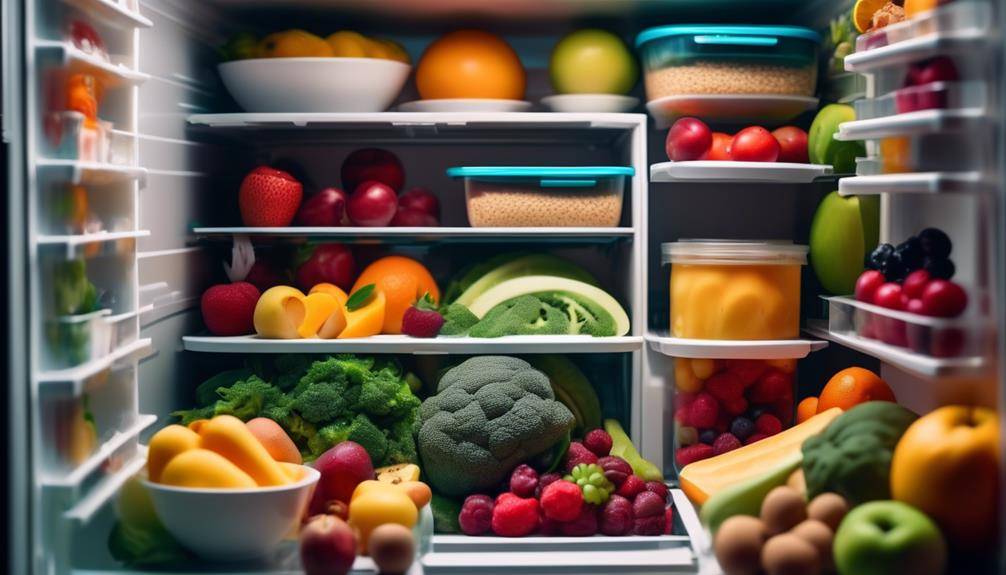
Proper food storage is essential for keeping ingredients fresh and preventing foodborne illnesses. Start by using proper storage containers to maintain food preservation. Choose airtight containers for dry goods and glass or BPA-free plastic for perishables. Always check expiration dates when storing food; if something's past its date, toss it to avoid health risks.
Temperature control is vital for safe storage. Keep your fridge at or below 40°F and your freezer at 0°F. This helps slow down bacteria growth and keeps food fresh longer. Organize your fridge and pantry in a way that makes it easy to find what you need. Place older items at the front, so you use them first, and group similar foods together.
Implementing a labeling system can also help. Label containers with the contents and date of storage, ensuring you know when to use them. This not only aids in food organization but also prevents confusion. By mastering proper food storage, you'll develop essential skills that keep your kitchen running smoothly and your meals safe and delicious.
Following a Recipe
Following a recipe is like having a treasure map in the kitchen, guiding you to delicious results. When you open a recipe, you'll find a step-by-step guide that helps you combine ingredients and techniques to create a fantastic dish. The key is to read the recipe carefully before diving in. This way, you'll know what to expect and can gather all your ingredients beforehand.
As you follow the instructions, pay attention to measurements and cooking times. Accuracy is essential to achieving the intended flavors and textures. However, don't be afraid to let your cooking creativity shine! Once you're comfortable with the basics, try making recipe adaptations. Maybe you want to swap out one vegetable for another or add a unique spice you love. Experimenting in the kitchen can lead to exciting new flavors that reflect your personal taste.
Flavoring and Seasoning
Flavoring and seasoning can really bring your dishes to life, transforming plain ingredients into something spectacular. To start, you'll want to master herb identification, learning to recognize fresh herbs like basil, thyme, and parsley. Each herb has its own unique flavor profile, which can elevate your meals when used correctly.
Understanding seasoning ratios is essential. A pinch of salt can enhance flavors, but too much can overpower your dish. It's all about balance! As you cook, engage in taste testing. This not only helps you understand how flavors interact but also teaches you to adjust seasoning as needed.
Spice blending is another fun way to explore culinary creativity. Experimenting with various spices lets you discover new flavors and combinations. Don't shy away from umami exploration, either! Ingredients like mushrooms, tomatoes, and soy sauce can add a savory depth that rounds out your dishes.
Remember, flavor balancing is key. If your dish feels too salty, try adding a touch of acid, like lemon juice or vinegar, to counteract it. Likewise, if it's too bland, a sprinkle of herbs or spices can wake it up.
As you gain confidence in your flavoring and seasoning skills, you'll find that cooking becomes more enjoyable and fulfilling. With practice, you'll develop your palate, leading to delicious meals that reflect your unique tastes. So grab those herbs and spices, and get creative in the kitchen!
Meal Planning Skills
When it comes to meal planning, knowing how to create a balanced diet is key. You'll need to develop grocery lists that reflect your nutritional goals while also sticking to a budget. Let's explore how you can master these essential skills for healthier, cost-effective meals.
Understanding Nutritional Balance
Understanding nutritional balance is vital for meal planning, as it helps you create meals that fuel your body and mind. To meet your nutritional needs, aim for balanced diets that include various food groups—fruits, vegetables, grains, proteins, and dairy. By incorporating healthy choices into your meals, you guarantee you're getting the right nutrients.
Pay attention to portion sizes and daily servings recommended for your age and activity level. This helps you avoid overeating while still enjoying a diverse range of foods. Nutrition labels are your best friends; they guide you in selecting items that fit your dietary restrictions and goals.
Mindful eating is also significant. Take time to savor your meals and listen to your body's hunger cues. This practice promotes meal diversity, allowing you to explore new flavors and nutrients. By focusing on these aspects of nutritional balance, you'll develop the skills to make informed decisions about your meals, setting a solid foundation for a healthy lifestyle. Remember, each meal is an opportunity to nourish yourself and learn about the importance of balanced nutrition.
Creating Grocery Lists
Effective meal planning starts with creating a grocery list that aligns with your nutritional goals. When you sit down to make your list, think about the meals you want to prepare for the week. Consider incorporating a variety of fruits, vegetables, proteins, and grains to guarantee balanced nutrition. This not only helps in maintaining a healthy diet but also encourages you to try new recipes.
As you create your grocery list, keep grocery budgeting in mind. Determine how much you can afford to spend and prioritize essential items. Seasonal shopping can be a great way to save money and enjoy fresh produce. When fruits and vegetables are in season, they're often more affordable and taste better.
Don't forget to check your pantry and fridge before heading out. You might already have some ingredients on hand, which can help avoid unnecessary purchases. Once your list is complete, stick to it while shopping. This will help you make healthier choices and stay within your budget. With practice, creating grocery lists will become a valuable skill that not only saves you time but also enhances your cooking experience.
Budgeting for Meals
Budgeting for meals is an essential skill that can transform your cooking routine and keep your finances in check. By understanding meal costs, you can make informed choices about what to buy and how to prepare your meals without overspending. Start by setting a weekly budget and stick to it.
When planning your meals, consider the prices of ingredients and aim for cost-effective options. Look for sales and discounts, and use your grocery list to avoid impulse buys. Familiarize yourself with ingredient substitution, which allows you to swap pricier items for more affordable alternatives. For example, if a recipe calls for fresh herbs, consider using dried ones, or if a dish requires a specific protein, explore cheaper options like beans or lentils.
Keep track of your spending and adjust your plan as needed. By planning your meals around what's on sale and using ingredient substitutions, you can create delicious dishes that won't break the bank. Plus, you'll gain confidence in your cooking skills while making smarter financial choices. Budgeting for meals not only helps your wallet but also teaches valuable life skills that will benefit you in the long run.
Kitchen Etiquette and Teamwork
In a bustling kitchen, everyone's contributions matter, and mastering kitchen etiquette can make all the difference in creating a harmonious cooking environment. When you cook with others, it's important to practice respectful communication. This means listening actively and expressing your thoughts clearly, ensuring everyone feels valued and heard.
Establishing shared responsibilities is significant for effective teamwork. Assign specific roles to each member during your cooking session to keep things organized. For instance, one person can chop veggies while another handles cooking. This kind of role assignment promotes collaborative cooking and helps everyone contribute their strengths.
During the cooking process, remember to maintain good table manners, even if you're not at the dining table. Cleanliness and organization are essential; keep your workspace tidy and respect each other's stations. If challenges arise, use conflict resolution techniques to address issues calmly, finding solutions that work for everyone.
Positive reinforcement goes a long way in a team setting. Celebrate each other's successes, whether it's a perfectly sautéed dish or a well-set table. This encouragement fosters a friendly atmosphere and motivates everyone to do their best.
Lastly, engage in team planning before you start cooking. Discuss the menu, assign tasks, and gather input from all team members. This collaborative approach not only enhances the cooking experience but also builds camaraderie, ensuring that everyone enjoys the process as much as the meal itself.
Click Here and Turn Every Masterpiece into a Showstopper!
Frequently Asked Questions: What Are The Essential Cooking Skills For Kids
What Age Is Appropriate for Kids to Start Cooking?
You can start letting kids cook as early as age 4, introducing them to cooking safety and simple kitchen tools. By age 7, they can handle more complex tasks under your supervision.
How Can I Make Cooking Fun for Kids?
To make cooking fun for kids, incorporate cooking games and kitchen experiments. Let them choose recipes, create challenges, or explore flavors. You'll spark their creativity and excitement, turning meal prep into an enjoyable adventure together!
What Are Some Easy Recipes for Beginners?
For beginners, try simple snacks like fruit kabobs or yogurt parfaits. You can also make beginner meals such as scrambled eggs or grilled cheese sandwiches. These recipes are easy, fun, and perfect for building confidence in the kitchen.
How Do I Encourage Kids' Creativity in Cooking?
Encouraging kids' creativity in cooking means letting them try cooking experiments. Encourage them to mix different flavor combinations, explore textures, and create unique dishes. Celebrate their efforts, and watch their culinary imagination flourish!
What Should I Do if My Child Is Afraid of Cooking?
If your child's afraid of cooking, start small. Encourage them to watch you cook, then let them assist. Celebrate each accomplishment, helping them overcome fears and build confidence. Keep it fun and supportive throughout the process.

Conclusion
Teaching kids essential cooking skills not only empowers them in the kitchen but also fosters independence and creativity. By mastering basic safety, understanding tools, and learning to measure and follow recipes, they'll gain confidence in their abilities. Encouraging flavor exploration and meal planning will enhance their culinary experience, while practicing kitchen etiquette and teamwork builds valuable social skills. So, let your kids plunge into cooking—it's a fun way to learn and bond!