Why Choose Child-Friendly Cooking Tools
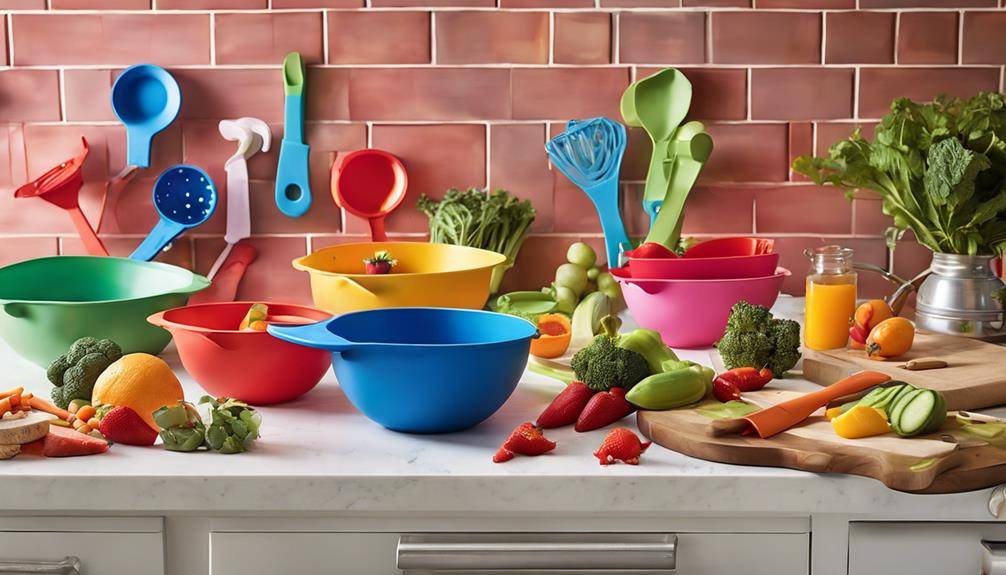
Why Choose Child-Friendly Cooking Tools: Choosing child-friendly cooking tools creates a safer and more enjoyable kitchen experience for you and your kids. These tools help minimize risks with features like rounded edges and ergonomic designs, making cooking more accessible. They encourage creativity as children mix ingredients and decorate dishes, sparking their culinary imagination. Additionally, using these tools builds confidence and fine motor skills, allowing kids to take ownership of their cooking. When you cook together, it strengthens family bonds and makes learning fun. There's so much more to discover about the benefits these tools bring to your kitchen adventures.
Safety First in the Kitchen
Click Here and Turn Every Masterpiece into a Showstopper!
When it comes to cooking with kids, safety should always be your top priority. Kids are naturally curious, and the kitchen can be a treasure trove of potential kitchen hazards. To guarantee a safe cooking experience, start by teaching your children about the dangers they might encounter, like sharp knives, hot surfaces, and slippery floors. Make it clear that they should always ask for help before using any tools or appliances.
You'll want to set up specific safety rules. For example, designate a safe area in the kitchen where kids can work without being too close to the stove or oven. Use child-friendly cooking tools, such as plastic knives and non-slip mats, to minimize risks. Always supervise their activities, and keep a close eye on them as they learn the ropes of cooking.
Emergency preparedness is essential in any kitchen. Spend some time discussing what to do in case of an accident, whether it's a small cut or a more serious burn. Make sure you have a first aid kit accessible and teach your kids how to use it. Role-playing different scenarios can help them feel more confident and prepared.
Encouraging Creativity and Imagination
Encouraging creativity in the kitchen can spark your child's culinary imagination like never before. You can turn cooking into fun recipe experiments where they can mix flavors and invent new dishes. Hands-on learning experiences not only boost their confidence but also make mealtime a chance for exploration and creativity.
Unleashing Culinary Imagination
Cooking with children can spark a whirlwind of creativity in the kitchen. When you invite your little ones to join you, you're not just teaching them to cook; you're opening the door to imaginative flavor pairings that can surprise and delight. Encourage them to mix unexpected ingredients, like strawberries and basil, or chocolate and chili. These combinations can lead to exciting discoveries that make meal prep an adventure.
As you both create, let them explore creative plating techniques. Challenge them to present their dishes like works of art, using vibrant colors and fun shapes. A simple pasta dish can transform into a rainbow masterpiece with a sprinkle of veggies. You'll be amazed at how they'll turn a plain meal into an eye-catching feast.
Fun Recipe Experiments
Experimenting with recipes opens up a world of possibilities for kids in the kitchen. When you encourage them to play with ingredients, you spark their creativity and imagination. Allowing kids to mix and match flavors leads to exciting, creative flavor combinations they might never have tried otherwise. Imagine your child crafting a pizza with pineapple and jalapeños or blending chocolate with avocado for a healthy dessert!
Adventurous ingredient swaps can also transform simple recipes into something extraordinary. You can encourage your child to replace traditional pasta with spiralized zucchini or use quinoa instead of rice. These swaps not only broaden their culinary skills but also introduce them to new textures and tastes.
When kids take the reins, they're more invested in the cooking process. They'll begin to understand the balance of flavors, how different ingredients work together, and the joy of discovering a new favorite dish. So, grab those child-friendly cooking tools, and let your little chefs plunge into fun recipe experiments. You'll be amazed at what they create, and they'll gain confidence in the kitchen while having a blast!
Hands-On Learning Experiences
Hands-on learning experiences in the kitchen can ignite your child's creativity and imagination like nothing else. When you let them immerse themselves in food preparation, they engage in sensory exploration that stimulates their minds. The textures of dough, the colors of fresh vegetables, and the aromas of spices come alive, making cooking an exciting adventure.
Cooking together also fosters teamwork activities. You and your child can collaborate on tasks, from measuring ingredients to mixing batter, which enhances their problem-solving skills and encourages communication. As they learn to work together, they'll develop a sense of accomplishment and pride in their culinary creations.
Encouraging your child to express their ideas through cooking—like adding unique spices or choosing toppings—allows them to explore their own tastes and preferences. This freedom to experiment helps build their confidence and nurtures a lifelong love for cooking.
Building Confidence in Cooking
When kids engage with child-friendly cooking tools, they quickly build confidence in the kitchen. These tools are designed to be safe and easy to use, allowing children to explore cooking without the fear of injury or making a mess. As they chop, mix, and measure, they gain a sense of accomplishment that fosters kitchen confidence.
You'll notice that when they can successfully complete tasks on their own, their cooking independence grows. This independence is essential; it empowers them to take initiative and explore their creativity in the kitchen. By using age-appropriate utensils, kids can experiment with different ingredients and recipes, making the cooking process exciting and enjoyable.
Encouraging your children to use these tools means they'll become more comfortable tackling various cooking tasks. They'll learn to trust their instincts and make decisions, whether it's choosing flavors or adjusting recipes. Each small success boosts their self-esteem, and you'll see them take pride in their culinary creations.
Moreover, as they become more confident, you can gradually introduce them to more complex techniques, further enhancing their skills. This progression keeps them engaged and motivated, making cooking a fun and rewarding experience.
In short, child-friendly cooking tools are a fantastic way to help kids build kitchen confidence and cooking independence. The more they practice, the more skilled and self-assured they'll become, paving the way for a lifelong love of cooking.
Teaching Basic Culinary Skills
When teaching kids basic culinary skills, it's crucial to focus on fundamental cooking techniques and kitchen safety. You'll want to guide them through tasks like chopping, measuring, and mixing while emphasizing the importance of being cautious around hot surfaces and sharp tools. This foundational knowledge not only builds their cooking confidence but also keeps them safe in the kitchen.
Essential Cooking Techniques
Teaching children essential cooking techniques lays the foundation for a lifetime of culinary skills. Start with basic knife skills, showing them how to safely chop vegetables and fruits. This builds confidence and precision in the kitchen. Encourage them to practice measuring techniques, emphasizing the importance of accuracy in recipes. Familiarizing them with cooking terminology helps them communicate effectively about their culinary adventures.
Next, guide them through ingredient selection, teaching them how to choose fresh produce and pantry staples. This knowledge enhances their ability to create delicious dishes. Kitchen organization is also crucial; show them how to keep their workspace tidy, making food preparation more enjoyable.
Introduce flavor pairing by experimenting with different herbs and spices. Let them discover which flavors complement each other, sparking creativity in their cooking. Finally, teach them about plating presentation. Encourage them to arrange their dishes beautifully, as this adds a special touch to meals and makes cooking even more rewarding.
Safety in the Kitchen
Safety in the kitchen is essential for young chefs learning to cook. You need to educate them about kitchen hazards, such as sharp knives and hot surfaces. Emphasizing safe practices will help them avoid accidents. Always maintain supervision, especially when they're using tools that could pose risks.
Guarantee kitchen tools are age-appropriate and easily accessible. This encourages independence while ensuring safety. Establish clear age guidelines for different tasks, so they know what they can handle. Teach them the importance of emergency preparedness as well, including how to react in case of a fire or injury.
Injury prevention starts with a thorough risk assessment of the cooking area. Identify potential hazards and address them promptly. Ascertain that all tools and ingredients are stored safely to minimize accidents.
Equip your young chefs with cleanup responsibilities, reinforcing that maintaining a tidy workspace is just as important as cooking. By integrating these safety measures, you'll help them develop confidence and skills in the kitchen. Remember, the goal is to create a fun and safe cooking experience that fosters a lifelong love for culinary arts.
Enhancing Fine Motor Skills
Cooking can be a fun way to help kids enhance their fine motor skills. When you involve children in the kitchen, you're providing them with opportunities for fine motor development through various tasks. As they measure ingredients, mix batter, or roll dough, they're practicing their hand-eye coordination and grip strength. These activities require precision and control, which are essential for dexterity enhancement.
Using child-friendly cooking tools makes these tasks even more engaging and accessible. For instance, lightweight utensils designed for small hands allow kids to manipulate tools more easily, reducing frustration and encouraging them to participate. When kids pour, scoop, or sprinkle, they're not just helping; they're also refining their motor skills.
You might notice that simple actions, like cutting soft fruits with a plastic knife or pinching herbs, can greatly contribute to their development. These experiences build confidence as they see their progress. Plus, cooking engages multiple senses, making it an exciting way for kids to learn and grow.
Additionally, you can set up a variety of activities that target specific skills. For example, using tweezers to transfer small items or decorating cookies with icing can make practicing fine motor skills feel like play. By incorporating these child-friendly tools and fun activities in the kitchen, you're setting the stage for your child's motor skill development while creating lasting memories together.
Promoting Healthy Eating Habits
Promoting healthy eating habits starts with encouraging kids to cook independently. By engaging them in fun culinary education and recipe exploration, you'll help them develop a lifelong love for nutritious food. Let's explore how child-friendly cooking tools can make this experience enjoyable and educational.
Encouraging Independent Cooking
As children gain confidence in the kitchen, they not only learn essential cooking skills but also develop healthier eating habits. Encouraging kitchen independence is key to fostering responsibility and helping kids make better food choices. When you give them the tools and freedom to experiment, they start to understand the value of fresh ingredients and nutritious meals.
Start by setting up a safe cooking environment with child-friendly tools. Let them tackle simple tasks like washing vegetables, mixing ingredients, or even measuring out portions. As they gain experience, they'll feel more empowered to take on bigger challenges, like preparing entire meals. This sense of accomplishment reinforces their motivation to cook and eat healthily.
You'll also notice that as kids learn to prepare meals themselves, they're less likely to rely on processed foods. They'll develop a natural curiosity about different flavors and nutrition. By encouraging this independence, you're not just teaching them how to cook; you're instilling lifelong habits that prioritize health and well-being. So, embrace their journey in the kitchen—it's a fantastic way to promote healthy eating habits and build confidence!
Engaging Culinary Education
Engagement in culinary education fosters a deeper understanding of nutrition and healthy eating habits. When you introduce your child to cooking, you're not just teaching them how to prepare meals; you're instilling essential culinary techniques that promote healthier choices. As they chop vegetables or mix ingredients, they begin to recognize the importance of whole foods and balanced meals.
Through sensory exploration, your child can experience different textures, colors, and flavors, making the learning process enjoyable. This hands-on approach helps them connect with what they eat, transforming their perspective on food. You can encourage them to taste raw ingredients, observe their changes during cooking, and even experiment with herbs and spices.
Fun Recipe Exploration
Exploring fun recipes together not only sparks your child's interest in cooking but also encourages healthier eating habits. When you involve your child in tasty ingredient exploration, they become more curious about what goes into their meals. Let them pick out colorful fruits and veggies during grocery trips, fostering a sense of ownership and excitement.
Turn cooking into enjoyable kitchen games where you can challenge each other to create unique dishes or guess the flavors of various ingredients. These activities make healthy eating less of a chore and more of a joyful experience. For instance, you could try a "mystery ingredient" challenge, where you both incorporate a surprise healthy item into a recipe.
As you cook, chat about the benefits of different foods, explaining how they help grow strong bodies and minds. This way, your child learns the value of nutrition while having fun. By making cooking a shared adventure filled with tasty ingredient exploration and enjoyable kitchen games, you're setting the foundation for lifelong healthy eating habits. So grab those child-friendly cooking tools and start creating delicious memories together!
Click Here and Turn Every Masterpiece into a Showstopper!
Strengthening Family Bonds
Cooking together can be a delightful way to strengthen family bonds. When you step into the kitchen with your loved ones, you create a space where memories are made. Engaging in cooking rituals not only brings everyone together but also allows you to pass down family traditions. Whether it's baking grandma's secret cookie recipe or preparing a holiday feast, these shared experiences become cherished moments that you'll all look back on fondly.
As you chop, stir, and taste, you're building communication skills and teamwork. Everyone can contribute, and you'll find that kids often enjoy taking on specific tasks, like measuring ingredients or decorating dishes. This involvement gives them a sense of ownership and accomplishment, reinforcing their connection to the family unit.
Moreover, cooking provides a platform for storytelling. You can share tales about the dishes you're making, their history, and why they matter to your family. This fosters a deeper understanding of your heritage and creates a sense of belonging.
By incorporating child-friendly cooking tools, you guarantee that everyone can participate safely and confidently. These tools make the experience enjoyable, allowing you to focus on creating lasting memories rather than worrying about potential hazards.
In the end, the kitchen becomes a hub of love and laughter, where you not only nourish your bodies but also your relationships. So grab those utensils, gather your family, and start cooking together—your bonds will grow stronger with every meal shared.
Making Cooking Fun and Engaging
The joy of cooking together doesn't have to stop at strengthening family bonds; it can also spark excitement and creativity in the kitchen. When you choose child-friendly cooking tools, you open the door to interactive cooking experiences that keep your little ones engaged. These tools are designed to be safe and easy to use, allowing kids to participate actively without feeling overwhelmed.
Consider incorporating playful recipes that encourage your child's imagination. Think of colorful fruit pizzas, where they can arrange toppings like a work of art, or homemade sandwiches shaped like animals. These activities not only make cooking fun but also teach valuable skills like measuring and mixing in a way that feels like a game.
You can turn mealtime into an adventure by setting challenges, such as timing how fast they can mix ingredients or creating a dish with a theme, like "under the sea." Using tools that are specifically made for kids—like measuring cups with fun designs or kid-sized utensils—adds an extra layer of enjoyment.
Age-Appropriate Tool Selection
Choosing the right tools for your child can make a significant difference in their cooking experience. When selecting age-appropriate cooking tools, you want to prioritize tool durability and size appropriateness. Look for utensils that can withstand rough handling while being light enough for small hands to manage with ease. Ergonomic designs can enhance comfort, allowing your child to grip and maneuver tools effectively.
Consider age versatility as well. Some tools can grow with your child, adapting to their developing skills. Opt for multi-functionality in items like measuring cups that double as mixing bowls or spatulas that serve as spreaders. This not only saves space but also encourages sensory engagement through different cooking tasks.
Colorful aesthetics and playful themes can also spark your child's interest in cooking. Tools adorned with fun designs can make the kitchen feel like a creative playground, encouraging exploration and experimentation. Easy cleaning is essential, too; look for dishwasher-safe tools that simplify the post-cooking mess.
Lastly, prioritize safety features. Tools with rounded edges, non-slip grips, and child-safe materials can provide peace of mind while your child learns in the kitchen. By considering these aspects in your tool selection, you guarantee a safe, enjoyable, and productive cooking experience that motivates your child to engage in culinary adventures.
Long-Term Benefits for Kids
Engaging kids in the kitchen with age-appropriate tools not only makes cooking fun but also brings lasting benefits that extend far beyond mealtime. By involving children in food preparation, you're instilling essential life skills that will serve them well as they grow. These early experiences with cooking can foster a love for culinary traditions, connecting them to family heritage and cultural diversity.
As your child learns to prepare meals, they also develop nutritional awareness. They begin to understand the ingredients that go into their food and the importance of balanced meals. This knowledge can lead to healthier eating habits that last a lifetime, reducing the likelihood of obesity and related health issues. When kids know how to cook, they're more likely to choose fruits, vegetables, and whole grains over processed snacks, setting a solid foundation for their future well-being.
Moreover, cooking together can enhance a child's confidence and independence. They learn to follow instructions, measure ingredients, and experiment with flavors, which can translate into a greater sense of achievement. These skills not only contribute to their culinary prowess but also foster critical thinking and problem-solving abilities.
Incorporating child-friendly tools allows you to create a safe and enjoyable cooking environment. As your kids grow up, they'll carry these skills and values with them, passing on the traditions and nutritional knowledge to future generations. Ultimately, you're not just cooking; you're shaping a healthier, more aware, and confident individual.
Click Here and Turn Every Masterpiece into a Showstopper!
Frequently Asked Questions: Why Choose Child-Friendly Cooking Tools
What Are the Best Materials for Child-Friendly Cooking Tools?
When choosing materials for child-friendly cooking tools, consider silicone utensils for their flexibility and safety, and wooden spoons for their durability and non-toxic nature. Both options guarantee fun, safe cooking experiences for you and your child.
How Can I Introduce Cooking to a Reluctant Child?
To introduce cooking to a reluctant child, start with fun cooking games. Engage their senses by letting them feel, smell, and taste ingredients. Make it playful, and they'll become more interested in the kitchen experience!
Are There Specific Recipes Ideal for Children Using These Tools?
You can start with fun recipes like mini pizzas or simple meals such as scrambled eggs. These dishes are easy to make, allowing your child to enjoy the cooking process while developing new skills.
Where Can I Find Affordable Child-Friendly Cooking Tools?
You can find affordable child-friendly cooking tools at online retailers like Amazon or Walmart. Local stores such as Target and specialty kitchen shops often carry a selection. Check for sales and discounts to save even more!
How Do I Clean and Maintain These Cooking Tools Safely?
To clean and maintain child-friendly cooking tools safely, follow safety guidelines like using mild soap and warm water. Employ proper cleaning techniques, such as avoiding harsh chemicals and drying thoroughly to prevent bacteria growth.

Conclusion
Choosing child-friendly cooking tools is a fantastic way to foster a love for cooking in your little ones. By prioritizing safety and encouraging creativity, you help them build confidence while learning essential culinary skills. These tools enhance fine motor skills and strengthen family bonds through shared experiences. Plus, making cooking fun guarantees that they'll develop a lifelong passion for food. So, equip your kitchen with the right tools, and watch your kids thrive as young chefs!