Why Should Kids Learn To Make Pizza
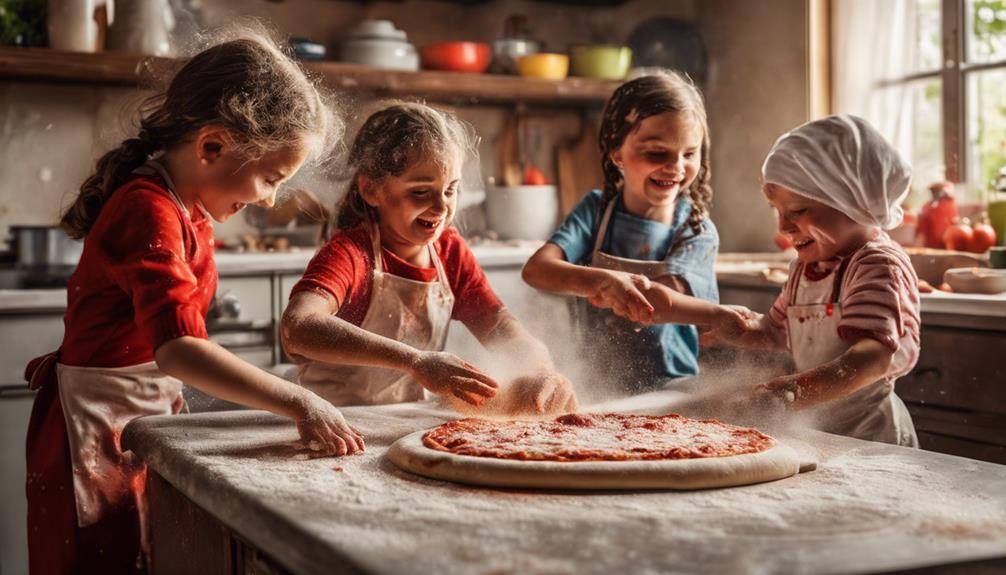
Why Should Kids Learn To Make Pizza: Kids should learn to make pizza because it's a delightful way to gain essential cooking skills while being creative. They'll explore different toppings and flavors, boosting their imagination. Making pizza encourages healthy eating habits, as they'll choose nutritious ingredients and understand portion sizes. It also introduces valuable math and science concepts through measuring and cooking processes. Plus, working together in the kitchen fosters independence and strengthens family bonds. As your child creates unique pizzas, they'll build lasting memories. Curious about how pizza-making can further enrich their lives? There's plenty more to uncover on this tasty journey!
Boosts Creativity and Imagination
Click Here and Turn Every Masterpiece into a Showstopper!
Making pizza isn't just about the end result; it's a fantastic way to spark creativity and imagination in kids. When they immerse themselves in the world of pizza-making, they're not just following a recipe; they're creating a culinary masterpiece. You can encourage them to explore various pizza toppings, from classic pepperoni to exotic ingredients like arugula or figs. The freedom to mix and match toppings opens up a world of flavor combinations they might never have considered.
As they experiment with different dough techniques, kids can learn about texture and consistency, discovering how each method affects the final product. Encourage them to think outside the box when it comes to ingredient selection, discussing why certain flavors work well together. This process allows for creativity expression, as they can develop custom recipes that reflect their unique tastes and preferences.
Hosting theme nights can further enhance this imaginative experience. Whether it's a Mediterranean night with feta and olives or a dessert pizza with Nutella and strawberries, theme nights provide a fun framework for their culinary creations. Plus, they'll hone their presentation skills, making their pizzas as visually appealing as they are delicious.
Teaches Essential Cooking Skills
Through the creative process of pizza-making, kids also acquire important cooking skills that will serve them well in the kitchen. When you guide them in this fun activity, they're not just having a good time; they're learning how to navigate the culinary world safely and effectively.
First and foremost, kids learn about kitchen safety. You'll show them how to handle utensils properly, avoid burns from hot surfaces, and keep their workspace clean to prevent accidents. Emphasizing safety helps them understand that cooking can be enjoyable but requires attention and respect for potential hazards.
Next, ingredient selection becomes a vital part of the process. Kids get to explore various toppings, sauces, and cheeses, learning how to make choices based on personal preferences and dietary needs. This experience encourages them to think critically about what goes into their meals, fostering a sense of responsibility for what they eat.
As they roll out the dough and spread the sauce, they're also honing their basic cooking techniques. From measuring ingredients to kneading dough, every step reinforces their confidence and competence in the kitchen. Plus, these foundational skills can be applied to countless other recipes as they grow.
Incorporating these essential cooking skills during pizza-making not only prepares kids for more complex culinary tasks down the line but also instills a lifelong appreciation for cooking. So, the next time you make pizza together, remember that you're equipping them with valuable skills that extend beyond just this delicious dish.
Encourages Healthy Eating Habits
When you involve kids in creating their own pizzas, you're not just making a tasty meal; you're also encouraging them to make healthier choices. By allowing them to choose their toppings, you provide a hands-on approach to nutrition education. They'll learn about different ingredients and how each one contributes to their overall health. Instead of reaching for processed toppings, they can opt for fresh vegetables, lean proteins, and whole grain crusts.
Getting kids actively involved in meal planning can transform their perspective on food. They'll begin to understand the importance of balancing flavors and nutrients, and this knowledge can carry over into their everyday eating habits. When they see how easy it is to create a delicious, nutritious pizza, they'll feel empowered to make similar choices in the future.
This experience also opens the door to discussions about portion sizes and the benefits of moderation. As they sprinkle cheese or layer on toppings, you can talk about how much is too much and why whole foods are healthier alternatives. By engaging them in these conversations, you're not only teaching them how to cook but also nurturing lifelong healthy eating habits.
Ultimately, when kids take ownership of their meals, they're more likely to appreciate the effort that goes into preparing healthy food. This process encourages them to think critically about their choices and fosters a positive relationship with food, setting the stage for a healthier lifestyle as they grow.
Promotes Math and Science Learning
Involving kids in pizza-making goes beyond just healthy eating; it also sparks their interest in math and science. When you invite your kids to help, you can turn the kitchen into a mini classroom. For instance, measuring flour, water, and toppings introduces them to measurement conversions. They'll learn to convert cups to ounces or teaspoons to tablespoons while having fun. This hands-on practice makes math feel relevant and engaging, far removed from the abstract numbers they often encounter in school.
Additionally, when kids mix ingredients to create dough, they're witnessing a fascinating example of chemical reactions. Yeast activates, causing the dough to rise, and they can see firsthand how different elements combine to create something new. You can explain how heat changes the dough's texture and flavor when it's baked. This kind of experiential learning cements their understanding of scientific principles in a delicious way.
Fosters Independence and Responsibility
Kids' participation in pizza-making teaches them valuable lessons in independence and responsibility. When you involve your child in the process, they learn to take ownership of their choices, from selecting toppings to deciding how much cheese to use. This hands-on experience boosts their kitchen confidence, encouraging them to experiment and make decisions in a low-pressure environment.
By engaging in meal planning, your child gains insight into what it takes to prepare a meal. They start to understand the importance of balancing flavors and nutrition while being mindful of portion sizes. This awareness fosters a sense of responsibility, as they realize their choices directly impact their health and the satisfaction of those sharing the meal.
As they work through the steps of making pizza, children also learn to follow a recipe, which requires focus and diligence. These skills translate into other areas of their lives, from academics to personal projects. Plus, when they take the lead in the kitchen, it instills a sense of pride that stems from creating something delicious and sharing it with family or friends.
Ultimately, making pizza isn't just about enjoying a tasty meal. It's an opportunity for your child to become more self-sufficient, develop essential life skills, and understand the significance of responsibility. By fostering these traits, you're setting them up for success both in and out of the kitchen.
Click Here and Turn Every Masterpiece into a Showstopper!
Strengthens Family Relationships
Making pizza together creates a fun shared cooking experience that brings your family closer. As you work together, you'll build teamwork skills that strengthen your bond and make the process enjoyable for everyone. Plus, those moments in the kitchen will turn into lasting memories your family will cherish for years.
Shared Cooking Experience
Cooking together fosters a unique bond that deepens family relationships. When you and your kids gather in the kitchen to make pizza, you're not just preparing a meal; you're creating lasting memories. This shared cooking experience allows you to pass down cooking traditions, igniting family bonding through laughter and teamwork.
As you explore culinary creativity, you'll notice your kids gaining kitchen confidence. They'll become more engaged in meal planning, learning to make key decisions about ingredient selection. Whether it's choosing toppings or experimenting with sauces, each choice opens the door to flavor exploration and recipe experimentation.
Invite your children to take charge of food presentation, encouraging them to showcase their creations. This not only makes the pizza look delicious but also fosters pride in their efforts. After baking, indulge in taste testing together, discussing what worked and what could be improved.
Through these shared experiences, you'll strengthen your family ties, creating a fun environment where everyone feels connected. Each pizza night becomes an opportunity for growth, laughter, and delicious memories that will linger long after the last slice has been eaten.
Encourages Teamwork Skills
How can a simple pizza night turn into a powerful lesson in teamwork? When you gather your family to make pizza, you're not just creating a meal; you're building essential skills. Each person plays a role, whether it's stretching the dough, adding toppings, or managing the oven. This process encourages collaboration techniques, as everyone must work together and respect each other's contributions.
As you communicate about preferences and plan out the pizza-making process, you're also enhancing your communication strategies. You learn to share ideas, listen to each other, and solve any disagreements about toppings or cooking times. This open dialogue fosters a sense of unity and strengthens relationships.
Moreover, teamwork teaches kids the value of responsibility. When they take ownership of their tasks, they understand that their efforts directly impact the final product. It's a fun way to show that working together not only makes tasks easier but also more enjoyable. By the end of the night, you'll find that the bonds you've strengthened through teamwork extend beyond the kitchen, reinforcing the importance of collaboration in everyday life.
Creates Lasting Memories
Gathering around the kitchen to make pizza not only fills your home with delicious aromas but also creates lasting memories that strengthen family relationships. Each pizza night can become a beloved family tradition, where you explore flavor combinations and discover everyone's taste preferences. As you roll out the dough and add creative toppings, you engage in sensory experiences that spark joy and laughter.
These kitchen adventures turn into memory-making activities, where the simple act of cooking together fosters bonding moments. You might reminisce about past special occasions while trying out new recipes or competing over the best topping combinations. Each pizza crafted is a representation of your family's culinary exploration, showcasing unique creations that reflect everyone's personality.
These shared experiences not only build a sense of togetherness but also deepen connections as you share stories, laughs, and even a few cooking mishaps. Before you know it, those evenings spent making pizza will become cherished memories that you'll look back on fondly, strengthening your family bonds for years to come. So, roll up your sleeves, gather your loved ones, and start creating delicious moments that will last a lifetime!
Enhances Cultural Awareness
Making pizza isn't just about the ingredients; it's a fun way to explore Italian heritage. You can also discover how different cultures put their unique spin on this beloved dish. By cooking together, you're engaging in a cultural exchange that broadens your horizons and deepens your appreciation for global cuisines.
Explore Italian Heritage
Pizza isn't just a delicious meal; it's a slice of Italian heritage that carries stories from generations past. When you make pizza, you're diving into Italian traditions that highlight regional ingredients and unique culinary techniques. Each region in Italy boasts its own pizza history, showcasing different toppings, sauces, and crust styles, reflecting local flavors and food customs.
By exploring family recipes passed down through generations, you'll discover the cultural significance of pizza in Italian households. These recipes often include artisan craftsmanship, where the dough is lovingly prepared, and fresh ingredients are thoughtfully chosen. As you learn to craft your own pizza, you'll appreciate the regional variations that make each style special.
Pizza is also a centerpiece for festive celebrations in Italy, bringing people together for shared meals and laughter. Understanding this rich background enhances your experience in the kitchen and encourages a deeper appreciation for what's on your plate. So, when you create your own pizza, remember that you're not just cooking; you're connecting with a vibrant culture and its enduring legacy.
Global Pizza Variations
Across the globe, you'll find an incredible array of pizza variations that reflect local ingredients, flavors, and culinary traditions. From the classic Margherita in Italy to the spicy curry pizza in India, each region offers unique pizza toppings that tell a story. You might explore how cooking techniques vary, like the wood-fired ovens in Neapolitan pizzerias or the deep-dish style from Chicago.
Consider the ingredient origins—fresh basil from a local garden or mozzarella made from buffalo milk. These choices create flavor combinations that highlight the cultural significance of each dish. In Japan, you could try okonomiyaki-inspired pizzas that incorporate seafood and cabbage, showcasing their culinary traditions.
Pizza isn't just food; it's a canvas for family recipes passed down through generations. Attending pizza festivals can deepen your understanding of these regional styles, as you taste and learn about their historical significance. By exploring global pizza variations, you gain insight into diverse cultures and the ways food unites people. So, when you make pizza, you're not just cooking; you're participating in a global tradition that celebrates creativity and connection.
Cooking as Cultural Exchange
Cooking brings people together, allowing you to explore and appreciate different cultures through their traditional dishes. When you make pizza, you're not just preparing a meal; you're engaging in a cultural exchange. Each regional variation of pizza reflects the culinary traditions and historical influences of its origin. For instance, Neapolitan pizza showcases the use of local ingredients, while Chicago deep-dish offers a heartier flavor profile.
As you experiment with different toppings and techniques, you'll discover the cultural significance behind family recipes passed down through generations. These recipes often carry food symbolism, representing love, celebration, and community. Think about how pizza is enjoyed during festive occasions, bringing friends and family together for community gatherings.
Creates Lasting Memories
Creating pizza together can turn an ordinary day into an unforgettable experience for kids and parents alike. When you roll up your sleeves and plunge into this fun culinary tradition, you're not just making dinner; you're engaging in memory-making activities that your family will cherish for years to come. The laughter, the mess, and the simple joy of creating something delicious together can strengthen your bond and create lasting memories.
As you gather ingredients, you can reminisce about family recipes passed down through generations. Sharing stories about how your own parents made pizza can spark conversations that bring your family closer. Kids love to participate, and their creativity shines when they get to choose their toppings. This hands-on experience offers them a sense of accomplishment and ownership over their meal.
Moreover, cooking together cultivates essential life skills. Kids learn about teamwork, patience, and the satisfaction of completing a task. As they knead dough and spread sauce, you're not just teaching them how to cook; you're instilling values and traditions that will last a lifetime.
Every pizza you make together becomes a new chapter in your family's culinary story, blending flavors and memories. So, the next time you're looking for a fun and meaningful activity, grab the ingredients and start creating. You'll be surprised at how these moments transform into lasting memories that your family will treasure.
Click Here and Turn Every Masterpiece into a Showstopper!
Frequently Asked Questions: Why Should Kids Learn To Make Pizza
What Age Is Appropriate for Kids to Start Making Pizza?
It's best to start kids at around age 5 for pizza preparation. They can help with toppings and dough. Just guarantee you teach them kitchen safety, like handling utensils and avoiding hot surfaces.
Can Pizza-Making Be a Fun Educational Activity?
Absolutely, pizza-making can be a fun educational activity! You'll explore cooking techniques while experimenting with ingredient choices, enhancing creativity and teamwork. Plus, you'll enjoy delicious results, making learning both tasty and engaging for everyone involved!
What Are Some Easy Pizza Recipes for Beginners?
For easy pizza recipes, try using store-bought dough alternatives like pita or naan. Top with simple toppings like cheese, pepperoni, or veggies. It's a fun way to experiment and create your favorite flavors!
How Can Pizza-Making Teach Teamwork Skills?
Pizza-making fosters teamwork skills by requiring collaboration benefits and communication skills. You'll learn to share tasks, listen to others, and work together to create a delicious result, strengthening relationships while having fun in the kitchen.
Are There Gluten-Free Options for Kids to Make Pizza?
Yes, there are gluten-free options for kids to make pizza! You can use gluten-free dough and let them choose healthy toppings like veggies, lean meats, or low-fat cheese for a delicious, nutritious meal they'll enjoy.

Conclusion
Involving kids in pizza-making not only sparks their creativity but also equips them with essential cooking skills. As they explore healthy ingredients, they'll develop better eating habits while having fun. Plus, they'll get hands-on experience with math and science, all while fostering independence and responsibility. This activity strengthens family bonds and promotes cultural awareness, creating lasting memories you'll cherish. So, why not roll up your sleeves and make some pizza together? It's a delicious way to learn!