The Best 8 Spices For Perfect Slow Cooking
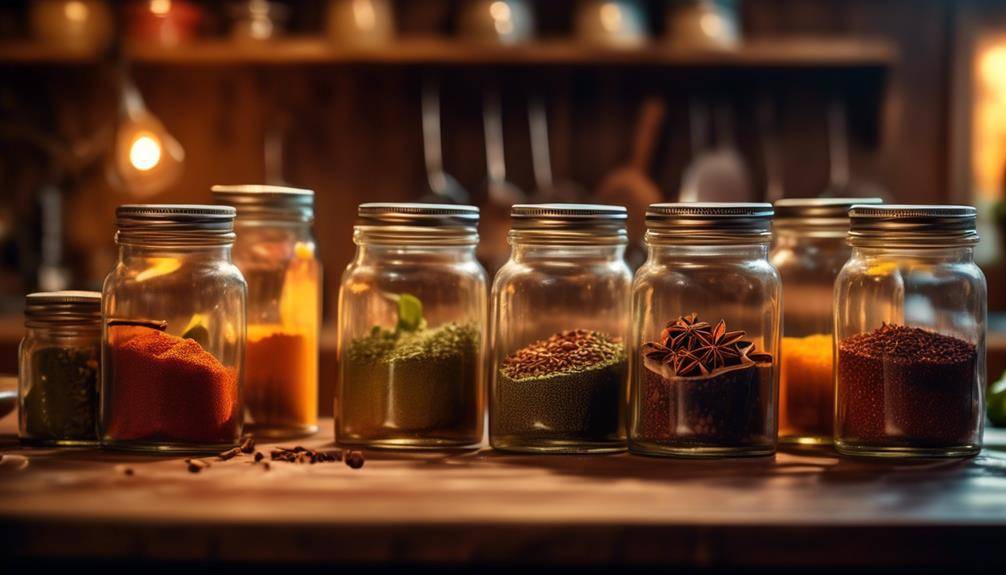
The Best 8 Spices For Perfect Slow Cooking; When it comes to achieving culinary excellence in the realm of slow cooking, a well-stocked spice cabinet is your secret weapon. From adding depth and complexity to infusing tantalizing aromas, the right blend of spices can elevate your dishes to new heights. So, if you’re looking to embark on a journey of tantalizing flavors, join us as we unveil the top 8 spices that will bring your slow-cooked creations to perfection. But wait, there’s more! These spices not only enhance the taste of your dishes but also offer a myriad of health benefits, making them essential ingredients for any aspiring home chef.
Paprika
If you want to add a burst of vibrant color and a hint of smoky sweetness to your slow-cooked dishes, paprika is the spice you need. Paprika is a versatile spice that adds depth and complexity to a variety of dishes. It is made from ground dried peppers and is a staple in Hungarian cuisine.
Paprika is known for its rich red color, which can instantly brighten up any dish. Its flavor profile can vary from mild and sweet to spicy and smoky, depending on the variety you choose. Hungarian paprika is particularly famous for its intense flavor and is often used in traditional Hungarian dishes like goulash and paprikash.
If you don’t have paprika on hand, there are a few substitutes you can try. Smoked paprika, also known as pimentón, can provide a similar smoky flavor. Cayenne pepper can add heat and a touch of spiciness, while chili powder can give a more complex flavor profile.
In Hungarian cuisine, paprika is not just a seasoning but a defining ingredient. It is used in a variety of dishes, from soups and stews to sausages and even desserts. Paprika is often used in combination with other spices to create a depth of flavor that is unique to Hungarian cuisine.
Cumin
Cumin, with its warm and earthy flavor, is a must-have spice for enhancing the depth and complexity of your slow-cooked dishes. Not only does it add a distinct taste, but it also brings a host of benefits to your cooking. When used in slow cooking, cumin infuses its flavor into the dish, resulting in a rich and aromatic meal that is sure to satisfy your taste buds.
One of the key benefits of using cumin in slow cooking is its ability to enhance the overall flavor profile of the dish. Its unique flavor, which is both slightly bitter and nutty, adds a layer of complexity to your recipes. Whether you’re making a hearty chili, a comforting stew, or a flavorful curry, cumin can take your dish to the next level.
There are various ways to incorporate cumin into your slow-cooked recipes. One simple method is to toast cumin seeds in a dry skillet before grinding them into a fine powder. This toasting process releases the essential oils in the seeds, intensifying their flavor. You can then add the freshly ground cumin to your dish, allowing it to infuse slowly while cooking.
Alternatively, you can use whole cumin seeds to add a burst of flavor to your slow-cooked dishes. Simply add the seeds to the pot and let them simmer along with the other ingredients. As the dish cooks, the cumin seeds will slowly release their flavor, blending beautifully with the other spices and ingredients.
Whether you choose to use ground cumin or whole seeds, incorporating this versatile spice into your slow-cooked dishes will undoubtedly elevate their taste and make them more memorable. So next time you’re preparing a slow-cooked meal, don’t forget to reach for the cumin—it’s the secret ingredient that will take your dish from ordinary to extraordinary.
Garlic Powder
Are you looking for a way to add flavor to your slow-cooked dishes? Look no further than garlic powder. Not only does it provide a rich and savory taste, but it also offers a range of health benefits. From boosting your immune system to promoting heart health, garlic powder is a must-have spice in your kitchen arsenal. So, let’s explore the many ways you can incorporate this versatile ingredient into your slow-cooked meals.
Health Benefits of Garlic
Garlic powder is a versatile spice that not only enhances the flavor of your slow-cooked dishes but also offers numerous health benefits. When it comes to cooking techniques, garlic powder is a great addition to your slow cooker recipes. It infuses a rich, savory taste into your meals, making them even more delicious. Garlic powder can be combined with a variety of flavors to create complex and mouthwatering dishes.
Whether you’re using it in combination with herbs like thyme and rosemary or with spices like paprika and cumin, garlic powder adds depth and complexity to your slow-cooked creations. Beyond its culinary uses, garlic powder is also known for its health benefits. It has been shown to boost the immune system, lower cholesterol levels, and even reduce the risk of certain types of cancer. So, not only does garlic powder make your slow-cooked dishes taste amazing, but it also helps keep you healthy.
Tips for Using Garlic Powder
To make the most of the flavor and health benefits of garlic powder in your slow-cooked dishes, here are some helpful tips to keep in mind. Garlic powder is a versatile ingredient that can be used in marinades and dressings to add a delicious kick to your meals. When using it in marinades, combine it with other spices and liquids to create a flavorful blend that will enhance the taste of your meats.
As for dressings, mix garlic powder with olive oil, vinegar, and your choice of herbs for a zesty dressing that can elevate any salad. Additionally, there are different types of garlic powder to try, such as roasted garlic powder or black garlic powder, which can add a unique twist to your dishes. Experiment with these variations to discover new depths of flavor in your slow-cooked meals.
Onion Powder
Add a burst of flavor to your slow-cooked dishes with the versatile and convenient addition of onion powder. This pantry staple is a must-have for any home cook looking to elevate their recipes. Here are three reasons why onion powder should be a regular part of your spice collection:
- Enhances Flavor: Onion powder is packed with the natural, savory taste of onions. It adds a rich and tangy flavor to your dishes, without the need for chopping or sautéing onions. Whether you’re making a hearty beef stew or a creamy chicken casserole, a sprinkle of onion powder will bring depth and complexity to your slow-cooked creations.
- Convenience: One of the biggest advantages of using onion powder is its convenience. It eliminates the need for peeling, chopping, and dicing fresh onions, saving you time and effort in the kitchen. With onion powder, you can easily add the distinct onion flavor to your dishes without any hassle.
- Long Shelf Life: Another benefit of onion powder is its long shelf life. Unlike fresh onions that can spoil quickly, onion powder can be stored for an extended period without losing its flavor. It is a great option for those who want to have the taste of onions on hand at all times, without worrying about waste or spoilage.
Thyme
When it comes to enhancing the flavors of your slow-cooked dishes, one spice that deserves a spot in your pantry is thyme. With its unique earthy and slightly minty flavor, thyme adds depth and complexity to a wide range of recipes. Whether you’re cooking a hearty stew, a tender roast, or a flavorful soup, thyme is a versatile herb that can take your dishes to the next level.
Thyme is a key ingredient in many classic slow-cooked recipes. Its aromatic qualities pair well with meats like lamb, beef, and poultry, adding a savory and herbaceous note. One popular thyme recipe is Coq au Vin, a French dish where chicken is braised in red wine along with bacon, mushrooms, and onions. The addition of thyme brings out the richness of the dish, creating a harmonious blend of flavors.
If you find yourself running out of thyme, there are a few substitutes you can use. Rosemary is a good alternative that can provide a similar flavor profile with its piney and slightly citrusy taste. Oregano also works well, especially in Mediterranean-inspired dishes. However, keep in mind that these substitutes may alter the overall taste of the dish, so it’s best to use them sparingly and adjust the measurements accordingly.
Rosemary
Rosemary, with its fragrant aroma and distinctive pine-like flavor, is a versatile herb that can elevate the taste of your slow-cooked dishes. Whether you’re making a juicy roast, a hearty stew, or a comforting soup, adding rosemary seasoning can bring a delicious depth of flavor to your meals.
Here are three reasons why rosemary should be a staple in your slow cooking arsenal:
- Enhanced Flavor: The earthy and slightly citrusy notes of rosemary can transform an ordinary dish into an extraordinary one. As the slow cooking process allows the herb to infuse its flavors into the dish, the result is a mouthwatering symphony of taste that will leave you wanting more.
- Aromatic Delight: As soon as you start cooking with rosemary, your kitchen will be filled with a delightful fragrance that is hard to resist. The scent of this herb is invigorating and can instantly awaken your senses, making the anticipation for your slow-cooked creation even more tantalizing.
- Health Benefits: Rosemary is not only a culinary delight but also a nutritional powerhouse. It is rich in antioxidants, which help protect your body from harmful free radicals. Additionally, rosemary is believed to improve digestion, boost memory, and reduce inflammation, making it a valuable addition to your diet.
Now that you know the wonders that rosemary can bring to your slow-cooked dishes, it’s time to explore some incredible rosemary recipes. From rosemary-infused roasted chicken to mouthwatering rosemary lamb stew, the possibilities are endless. So, grab your slow cooker, sprinkle some rosemary seasoning, and get ready to savor the incredible flavors that this remarkable herb can offer.
Bay Leaves
As you continue your culinary journey of slow cooking, let’s now turn our attention to the next aromatic ingredient that will enhance the flavors of your dishes – bay leaves. Bay leaves are commonly used in Italian cuisine and are also a staple in Mediterranean dishes. These small, dried leaves come from the bay laurel tree and have a unique flavor profile that adds depth and complexity to your slow-cooked meals.
Bay leaves are known for their strong, herbal aroma and slightly bitter taste. When added to your dishes, they release their essential oils, imparting a rich and earthy flavor. They are often used to enhance the taste of soups, stews, and sauces. In Italian cuisine, bay leaves are a key ingredient in classic dishes like pasta sauces, braised meats, and risottos. Their robust flavor pairs well with tomatoes, garlic, and other Mediterranean herbs.
To use bay leaves in your slow cooking, simply add a couple of leaves to the pot while your dish simmers away. This allows the flavors to meld together and infuse your food with a delightful fragrance. Remember to remove the bay leaves before serving, as they can be quite tough and unpleasant to eat.
Bay leaves are readily available in most grocery stores and can be stored in a cool, dry place for up to a year. When purchasing bay leaves, look for ones that are whole and intact, as crushed leaves may lose their flavor over time.
Incorporating bay leaves into your slow cooking repertoire will elevate your dishes to a whole new level. Their unique aroma and taste will transport you to the sun-soaked shores of the Mediterranean, adding a touch of authenticity to your culinary creations. So go ahead, embrace the magic of bay leaves and let their aromatic essence transform your slow-cooked meals into culinary masterpieces.
Smoked Paprika
Get ready to add a smoky and vibrant kick to your slow-cooked dishes with the bold flavor of smoked paprika. This versatile spice comes in different varieties, each with its own unique characteristics. Whether you’re looking for a mild smokiness or a spicy punch, there’s a smoked paprika out there to suit your taste. Here are some of the best brands to consider:
- La Dalia: Known for its exceptional quality, La Dalia offers a range of smoked paprika options, including sweet, bittersweet, and hot varieties. Their paprika is made from carefully selected peppers that are slowly dried over oakwood fires, resulting in a rich and intense flavor.
- Hungarian Paprika: Hungary is renowned for its paprika, and their smoked paprika is no exception. Made from locally grown peppers, Hungarian paprika is known for its deep, smoky flavor. It adds a robust and earthy taste to your slow-cooked dishes.
- Spanish Pimentón: Spain is another country famous for its paprika, and Spanish pimentón is a must-have for any spice lover. Made from sweet red peppers, it offers a balanced smokiness that elevates the flavors of your dishes.
When choosing smoked paprika for your slow cooking, it’s important to consider the intensity and flavor profile you desire. Experiment with different varieties to find the one that best complements your recipes. Whether you’re making a hearty stew, a tender roast, or a flavorful chili, smoked paprika is sure to bring a depth of flavor that will leave your taste buds wanting more. So go ahead, sprinkle some of this aromatic spice into your slow-cooked creations and let the smoky magic unfold.
Frequently Asked Questions
How Long Should I Cook With These Spices for the Best Flavor?
To get the best flavor from these spices, cook with them for the recommended cooking time. This will allow the flavors to infuse into your dish, enhancing the taste and giving it a delicious, aromatic kick.
Can I Substitute Fresh Herbs for Dried Herbs in Slow Cooking Recipes?
Yes, you can substitute fresh herbs for dried herbs in slow cooking recipes. Fresh herbs add a vibrant flavor and aroma to your dishes. Just remember to use three times the amount of fresh herbs compared to dried herbs.
Are There Any Specific Types or Brands of These Spices That Work Best for Slow Cooking?
When it comes to slow cooking, you might wonder which spice blends work best. Look for trusted brands and find them at your local grocery store or online. Experiment and find your favorites!
Can I Use Ground Spices Instead of Whole Spices in Slow Cooking?
You can definitely use ground spices instead of whole spices in slow cooking. It’s a convenient alternative that still allows you to enhance the flavor of your dishes. Just remember to adjust the measurements accordingly for best results.
How Can I Store These Spices to Maintain Their Freshness and Flavor?
To maximize the flavor potential of your spices and keep them fresh, follow these spice storage tips: store in airtight containers, away from heat and light, and check expiration dates regularly.

Conclusion
Incorporating the right spices into your slow-cooked dishes can take them to a whole new level of deliciousness. From the rich smokiness of paprika to the earthy warmth of cumin, these top 8 spices add depth and flavor to your meals. Don’t forget the aromatic notes of garlic and onion powder, the fragrant herbs like thyme and rosemary, and the subtle complexity of bay leaves. With these spices at your fingertips, your slow-cooked creations are sure to be a hit!
If you enjoyed exploring this topic and want to dive even deeper, be sure to check out some of our other articles here on Infinite Flavors. From rich culinary histories to creative twists on classic recipes, there’s always something new to discover. Whether you’re curious about the origins of a dish, looking for fresh inspiration in the kitchen, or simply love learning about food culture, our collection of posts is the perfect next step on your flavor journey.
Discovering Italian Cuisine Great Ways To Spice It Up
11 Healthy Tips For Easy Cooking With Herbs And Spices
The 6 Best Spices To Elevate Vegan Dishes