Why Does Instant Pot Cooking Time Vary
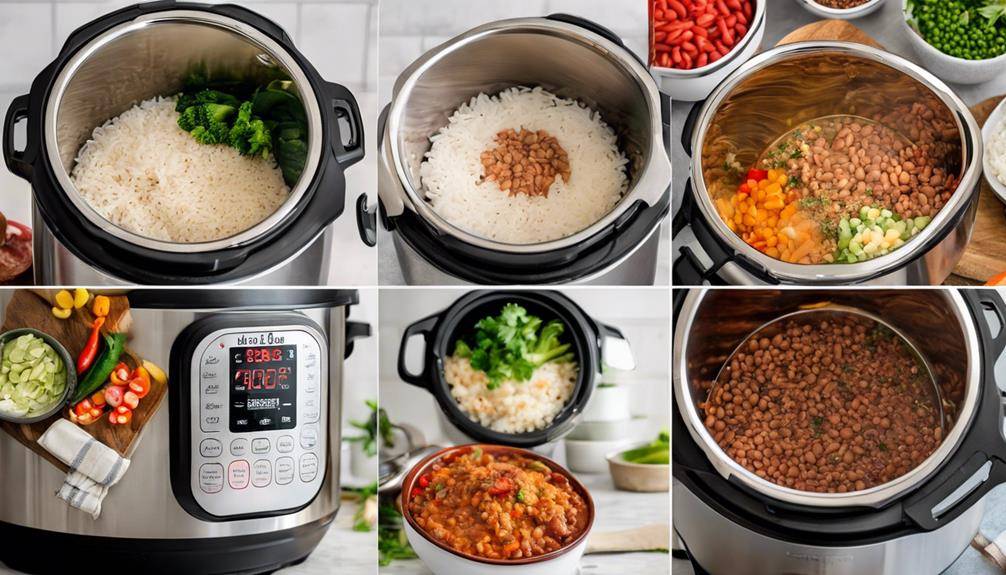
Why Does Instant Pot Cooking Time Vary: Instant Pot cooking time varies for several reasons. The size and shape of your ingredients play a big role; larger pieces take longer to cook. Different food types also require varying times—delicate fish cooks quickly while hearty beans need more time. The amount of liquid you use is essential, as too little can lead to undercooked meals. Additionally, preheating and whether you use natural or quick release affect overall cooking time. Even ingredient temperature matters; cold ingredients increase cooking delays. Understanding these factors will help you optimize your Instant Pot meals for perfect results. There's more to uncover on this topic!
Factors Influencing Cooking Time
Click Here and Turn Every Masterpiece into a Showstopper!
When using your Instant Pot, several factors can influence cooking time. One of the most significant factors is the cooking technique you choose. For instance, pressure cooking typically requires less time compared to slow cooking. If you're sautéing first, this may add to the total cooking time, but it also enhances flavors. So, reflect on how you'll layer your cooking techniques to achieve the best results.
Ingredient combinations can also play an essential role. Different ingredients have varying densities and moisture levels, which can affect how quickly they cook. For example, cooking dense vegetables like carrots or potatoes alongside lighter ingredients, such as leafy greens, might lead to uneven cooking. If you're combining ingredients with vastly different cooking times, you might need to adjust the overall cooking time to guarantee everything is properly cooked.
Another important aspect to take into account is the size of the ingredients. Larger pieces will take longer to cook than smaller, uniformly cut pieces. When preparing a recipe, cutting your ingredients into similar sizes can help achieve even cooking. Additionally, the amount of liquid you use can influence the cooking time; too little liquid may result in a burn notice, while the right amount will create the necessary steam for quick cooking.
Type of Food
When you cook with your Instant Pot, the type of food plays an essential role in determining cooking times. Different textures and consistencies can affect how quickly ingredients soften, while the density and size of your food also matter. Knowing these factors helps you achieve the perfect results every time.
Texture and Consistency Differences
Understanding texture and consistency differences in food types can greatly enhance your Instant Pot cooking experience. Different cooking methods influence how your ingredients will turn out. For instance, delicate foods like fish or vegetables tend to require shorter cooking times to maintain their tender textures, while heartier ingredients like beans or grains benefit from longer cooking periods for a creamy consistency.
Ingredient types play a significant role in achieving the desired texture. For example, starchy ingredients like potatoes can become creamy and smooth if cooked correctly, while lean meats might dry out if you overcook them. The Instant Pot's pressure cooking creates a unique environment that can alter textures compared to traditional methods.
When you're aware of these differences, you can adjust your cooking times accordingly, ensuring that everything from soups to stews has the right consistency. Experimenting with various ingredient types will help you master the art of pressure cooking, allowing you to enjoy meals with the perfect texture every time. Keep these factors in mind, and you'll elevate your Instant Pot dishes, making them not just tasty but also texturally satisfying.
Density and Size Factors
Cooking times in the Instant Pot can really shift based on the density and size of the food you're preparing. When you use ingredients with higher density, such as root vegetables or tough cuts of meat, they require more time to cook compared to lighter ingredients like leafy greens or delicate fish. This is because denser foods take longer for heat to penetrate, impacting your overall cooking efficiency.
Size also plays a vital role. If you chop your vegetables into larger pieces, they'll need more time to cook through than if they're cut into smaller, uniform sizes. For example, a whole potato will take much longer to soften than diced potatoes because the heat has to travel further into the ingredient.
To optimize your cooking times, think about both the density and size of your ingredients. Adjusting these factors can lead to better results and prevent undercooked or overcooked meals. So, the next time you're using your Instant Pot, keep these aspects in mind to guarantee your dishes turn out perfectly every time.
Size and Shape of Ingredients
In the world of Instant Pot cooking, the size and shape of your ingredients play an essential role in determining the cooking time. When your ingredients are uniform in size, they cook more evenly. If you toss in a mix of large and small pieces, the smaller ones might turn to mush while the larger ones remain undercooked. To achieve ingredient uniformity, aim to cut your veggies and meats into similar sizes, ensuring they share the same cooking surface area.
The shape of your ingredients also influences how heat circulates during cooking. For instance, round pieces like meatballs or cubed vegetables allow steam to move freely around them, leading to more consistent cooking. On the other hand, large chunks or irregular shapes can block steam flow, resulting in uneven cooking times.
Additionally, consider how the size of your ingredients impacts the overall cooking surface within the Instant Pot. A tightly packed pot can hinder proper heat distribution, leading to longer cooking times and uneven results. If you're cooking a stir-fry or a casserole, spreading ingredients out can help achieve better results.
In short, take the time to cut your ingredients into uniform sizes and consider their shapes. By doing so, you'll make sure your meals turn out delicious and perfectly cooked every time.
Liquid Volume
When you're cooking in your Instant Pot, the amount of liquid you use is essential for achieving the right pressure and cooking time. Too little or too much can lead to undercooked or overcooked meals, impacting your overall results. As you experiment with recipes, keep in mind how variations in liquid volume can change the final dish.
Importance of Liquid Measurement
Liquid measurement plays a significant role in the Instant Pot cooking process. When you're cooking, the amount and type of liquid you use can greatly impact the final result. Different liquid types—like water, broth, or sauces—each bring unique flavors and textures to your dish. However, it's important to measure accurately to guarantee your food cooks correctly.
Using proper measurement techniques is crucial. You don't want to under-fill or overfill your pot, as this can lead to undercooked or overcooked meals. For instance, if you don't add enough liquid, the Instant Pot might not reach the necessary pressure, which can extend cooking times or even cause a burn notice. On the other hand, too much liquid can result in a watery dish.
Always refer to the recipes for the exact liquid volume needed, and don't forget to account for the liquid released from food during cooking. By mastering liquid measurement, you'll enhance your cooking experience in the Instant Pot, making sure your meals are both delicious and perfectly cooked every time. So grab your measuring cups and get ready to whip up some fantastic dishes!
Pressure and Cooking Time
Pressure plays an essential role in determining cooking time in the Instant Pot, and the volume of liquid you use directly influences this pressure. When you add a sufficient amount of liquid, it creates steam that builds pressure inside the pot. If you're using too little liquid, you'll struggle to reach the necessary pressure settings, leading to longer cooking times or even incomplete cooking.
Different cooking techniques can also impact how liquid interacts with your ingredients. For instance, if you're sautéing before pressure cooking, you might need to adjust the liquid volume accordingly. When you brown meat, it can release juices, contributing to the overall liquid content. On the other hand, if you're making a dish that absorbs a lot of liquid, like rice or beans, you'll want to guarantee you have enough to maintain the right pressure and avoid burning.
Recipe Variation Considerations
Adjusting liquid volume is vital when experimenting with recipe variations in your Instant Pot. The amount of liquid you use directly impacts the cooking time and the overall outcome of your dish. If you're making ingredient substitutions, like swapping chicken for tofu, remember that different ingredients absorb liquid differently. This means you might need to tweak the liquid volume to guarantee your dish cooks properly.
When using various cooking techniques, such as sautéing before pressure cooking, you'll also want to take into account the liquid content. If you sauté ingredients without adding enough liquid afterward, your Instant Pot might struggle to build pressure. It's important to strike a balance; too little liquid can lead to burning, while too much can make your dish watery.
Always keep in mind that the Instant Pot requires a minimum amount of liquid to function effectively—typically around one cup. So, whether you're adapting a favorite recipe or trying something new, make those adjustments carefully. By paying attention to liquid volume, you can confidently navigate ingredient substitutions and cooking techniques, resulting in delicious meals every time.
Natural Vs. Quick Release
Understanding the difference between natural release and quick release is crucial for mastering your Instant Pot. Each method affects your cooking results and timing, so knowing when to use each can make a big difference in your dishes.
Natural release allows the pressure to decrease gradually. Once your cooking time ends, you simply let the pot sit for a while without touching the valve. This method takes longer but is perfect for dishes like stews or soups, where you want flavors to meld and ingredients to tenderize further. It also helps prevent splattering, which can occur with certain foods if you use quick release.
On the other hand, quick release is just that—quick! You manually release the pressure by carefully turning the valve to the venting position. This method is ideal for delicate foods, like vegetables or seafood, that you don't want to overcook. However, be cautious, as steam will escape rapidly, and it's important to keep your hands and face clear of the steam vent.
Ultimately, your choice between natural release and quick release can affect not just cooking times but also the texture and flavor of your meals. By understanding these two methods, you can achieve better results and make the most of your Instant Pot. Experimenting with both will help you find the best technique for your favorite recipes.
Altitude Effects
Cooking at high altitudes can greatly alter the way your Instant Pot performs, impacting cooking times and results. At elevations above 3,000 feet, the atmospheric pressure decreases, which affects how food cooks. You might notice that your favorite recipes don't turn out quite right when you're cooking in the mountains or anywhere at a high altitude.
To achieve prime results, you'll need to make some altitude adjustments. Since water boils at a lower temperature in high-altitude conditions, you may find that your Instant Pot takes longer to reach pressure and cook food properly. Generally, it's recommended to increase cooking times by about 5 to 15 percent, depending on your specific elevation.
For instance, if you're cooking beans or grains, you might need to add a few extra minutes to confirm they're tender. Additionally, you should consider adding a bit more liquid to your recipes, as evaporation occurs more quickly at higher elevations. This extra moisture helps compensate for the lower boiling point, confirming your food cooks evenly and doesn't dry out.
Don't forget to keep an eye on your results. You might need to experiment a bit to find the perfect adjustments for your altitude. The key is to be flexible and patient. With these altitude adjustments in mind, you'll be better equipped to tackle any recipe in your Instant Pot, no matter where you're cooking.
Pressure Levels
While it might seem straightforward, selecting the right pressure level on your Instant Pot is vital for achieving the desired texture and flavor in your dishes. Your Instant Pot typically offers two main pressure settings: low and high. Each of these settings affects cooking time and the final outcome of your meals. For instance, high pressure cooks food faster and is perfect for tenderizing tougher cuts of meat, while low pressure is great for delicate foods like fish or vegetables that can easily overcook.
Understanding the pressure levels and their impact on cooking is essential. When you choose high pressure, the Instant Pot reaches approximately 10-12 psi, markedly speeding up the cooking time. In contrast, the low pressure setting hovers around 5-8 psi, allowing for gentler cooking. This variation in pressure settings can lead to notable differences in how your dishes turn out, so always consider what you're cooking before making your selection.
It's also important to keep in mind the built-in safety mechanisms of your Instant Pot. These features guarantee that the unit operates safely at the chosen pressure level, preventing any accidents or mishaps during cooking. Before starting, make sure the sealing ring is properly in place and that the steam release valve is set correctly. By taking these steps and selecting the appropriate pressure level, you'll assure that your meals come out perfectly cooked and delicious every time.
Click Here and Turn Every Masterpiece into a Showstopper!
Cooking Mode Selection
When you're choosing a cooking mode for your Instant Pot, you need to contemplate whether pressure cooking or slow cooking suits your recipe best. Each mode has its own unique benefits and can dramatically affect cooking times. Plus, deciding between high and low settings can further tailor the results to your liking.
Pressure Cooking Vs. Slow Cooking
Choosing between pressure cooking and slow cooking can markedly impact your meal preparation. Pressure cooking is all about speed; it locks in flavors and nutrients while cooking food much faster than traditional methods. If you're short on time, you'll appreciate that you can whip up stews, beans, and even tougher cuts of meat in a fraction of the time. Just set your Instant Pot, and you'll have a delicious meal ready in no time.
On the other hand, slow cooking offers a different approach. It allows you to set it and forget it, letting your ingredients meld together over several hours. This method is perfect for those who love coming home to a warm, ready meal after a long day. The flavors develop beautifully, making it ideal for meals like chili or pot roast.
Consider your schedule and preferences when deciding between pressure cooking and slow cooking. If you need quick results, go for pressure cooking. But if you prefer the convenience of letting your meal cook while you're busy with other tasks, slow cooking might be your best bet. Each method has its merits, so choose what suits your lifestyle best.
High Vs. Low Settings
Often, you'll find yourself deciding between high and low settings on your Instant Pot, which can greatly affect your cooking results. The high temperature setting is perfect for quick cooking, making it ideal for foods that require tenderizing or need a fast cook time, like meats and stews. This method locks in flavors and moisture, giving you delicious results in a fraction of the time compared to traditional cooking.
On the other hand, the low temperature setting is excellent for recipes that benefit from gentle cooking, such as legumes or delicate vegetables. Cooking at a low temperature allows flavors to meld and develop over a longer period, making it perfect for soups and stocks.
When choosing between high and low, consider the type of dish you're preparing. If you're in a hurry, go for high; if you've got the time and want rich flavors, low is your best bet. Understanding these settings helps you master your Instant Pot and guarantees you get the best outcomes every time. So, next time you're ready to cook, think about how the temperature setting will impact your dish!
Recipe Variations
Recipe variations in Instant Pot cooking can elevate your meals and keep things exciting in the kitchen. By experimenting with different ingredient substitutions and cooking techniques, you can easily create diverse dishes that suit your taste buds. For instance, if a recipe calls for chicken, try swapping it out for tofu or chickpeas for a vegetarian option. This not only changes the flavor profile but also accommodates different dietary needs.
When you adjust ingredient substitutions, it's crucial to contemplate how they affect cooking time. For example, if you use frozen vegetables instead of fresh, they may require a bit longer to cook. Similarly, if you choose a leaner cut of meat, you might need to reduce the cooking time to prevent it from becoming dry.
You can also play around with cooking techniques. If a recipe suggests sautéing onions before pressure cooking, you could try pressure cooking them directly to save time. Alternatively, you can switch from pressure cooking to slow cooking for dishes that benefit from a longer simmer.
Don't forget about spices and seasonings! Changing up herbs or adding a splash of vinegar or citrus can greatly alter the taste of a dish without changing the base ingredients. With a little creativity, your Instant Pot can become a tool for endless culinary exploration, allowing you to whip up unique meals that reflect your individual style and preferences.
Preheating Time
When you start using your Instant Pot, understanding preheating time is essential for achieving the best results. Preheating allows the pot to reach the necessary temperature before cooking begins, impacting the overall cooking duration and the food's final texture. This phase can vary considerably depending on the recipe and the preheating techniques you employ.
Different recipes will call for different preheating durations. For instance, if you're cooking a dish that requires sautéing, your Instant Pot may need a few extra minutes to heat the inner pot adequately. Conversely, if you're pressure cooking a dish, the preheating time might be shorter, as the pot will start building pressure quickly once it reaches the right temperature.
It's important to note that some models of Instant Pots can take longer to preheat than others. If you're using a larger size or a more complex model, expect the preheating duration to increase. Additionally, the ingredients you use can also affect this time; frozen foods typically require a longer preheating phase compared to room-temperature items.
To optimize your cooking experience, familiarize yourself with the preheating techniques specific to your recipes. Always allow your Instant Pot to reach the desired temperature before starting the cooking timer. This way, you'll ensure even cooking and enhance the flavors of your meals, avoiding undercooked or overcooked results. By mastering preheating time, you'll elevate your Instant Pot cooking skills considerably.
Pot Size and Capacity
Understanding pot size and capacity is key to maximizing your Instant Pot's potential. When you choose the right size pressure cooker, you enhance your cooking efficiency and guarantee that your meals turn out perfectly every time. The Instant Pot comes in various sizes, typically ranging from 3 to 10 quarts. Selecting the appropriate size depends on your cooking needs and the number of people you usually serve.
If you're cooking for one or two, a smaller pot might suffice. However, larger families or those who like to meal prep may find a 6-quart or even an 8-quart model more practical. Using a pot that's too small can lead to overfilling, which can affect the pressure cooking process, while a pot that's too large may cause inefficient cooking and longer heat-up times.
Also, keep in mind that filling your Instant Pot to its maximum capacity can prevent it from reaching the necessary pressure quickly, ultimately extending your cooking time. For the best results, aim to fill the pot no more than two-thirds full, especially when cooking foods that expand, like grains or beans.
Ingredient Temperature
Ingredient temperature plays an important role in how your dishes turn out in the Instant Pot. If you start with cold ingredients, like refrigerated meats or vegetables, you'll notice that cooking times can vary greatly. The colder the ingredients, the longer it takes for the Instant Pot to reach pressure. This delay can lead to undercooked meals if you're relying on standard cooking times.
Understanding ingredient temperature effects is vital. For instance, if you're using room temperature ingredients, you'll likely achieve better results. The Instant Pot will reach pressure faster, and your food will cook more evenly. A good rule of thumb is to take ingredients out of the fridge about 15 to 30 minutes before cooking. This simple ingredient temperature adjustment can make a significant difference.
On the other hand, if you've prepped your ingredients earlier and they've been sitting out, don't forget to adjust your cooking times accordingly. Cooking times for hot ingredients can be shorter than for cold ones.
You can also help yourself by using a meat thermometer. This way, you can confirm that your meat reaches the right temperature without risking overcooking.
Using Frozen Ingredients
Cooking with frozen ingredients can be a game changer for your Instant Pot meals. You can save time and reduce food waste by using frozen vegetables and meats straight from your freezer. When you don't have fresh ingredients on hand, frozen options let you whip up delicious meals without the hassle of ingredient thawing.
One important thing to remember is that cooking times will differ when you're using frozen ingredients. Generally, you'll need to add a few extra minutes to the cooking time compared to fresh ingredients. The Instant Pot takes longer to come to pressure when cooking frozen foods, which can affect the overall time you'll spend in the kitchen.
For instance, if you're making a vegetable stew and you opt for frozen vegetables, increase the cooking time by about 2-3 minutes. This guarantees everything cooks evenly and thoroughly. You might also want to take into account the size of the frozen pieces; larger chunks may require additional time.
Lastly, make sure that you don't overcrowd the pot. While the Instant Pot is excellent for cooking large batches, too many frozen ingredients can lead to uneven cooking. Keep an eye on the water content, too; frozen vegetables often release moisture, so adjust your liquid levels accordingly.
Using frozen ingredients can simplify your meal prep while still delivering tasty results. Embrace the convenience of your freezer and enjoy stress-free cooking with your Instant Pot!
Click Here and Turn Every Masterpiece into a Showstopper!
Frequently Asked Questions: Why Does Instant Pot Cooking Time Vary
Can I Adjust Cooking Times for Personal Taste Preferences?
Absolutely, you can make cooking time adjustments to suit your personal taste preferences. Experimenting with times allows you to achieve the texture and flavor you enjoy most, enhancing your overall cooking experience with the Instant Pot.
How Do I Know When My Instant Pot Is Fully Pressurized?
You'll know your Instant Pot is fully pressurized when the pressure indicator rises and locks into place. If steam release isn't occurring, it's not yet reached the pressure needed for cooking.
Does the Brand of Instant Pot Affect Cooking Times?
Yes, brand differences and model variations can affect cooking times. Each Instant Pot model may have different pressure settings and features, so always refer to your specific model's manual for accurate cooking guidelines.
Can I Use My Instant Pot for Baking?
Absolutely, you can use your Instant Pot for baking! Just remember to adapt recipes for moisture and time. Baking tips include using a trivet and ensuring proper sealing for best results. Enjoy experimenting with your favorite treats!
What Should I Do if My Food Is Undercooked?
If your food's undercooked, try cooking it a bit longer. Adjust the cooking time based on what you're preparing. You can also use undercooked remedies like sautéing or pressure cooking briefly to finish it off.

Conclusion
To summarize, understanding the factors that influence cooking time in your Instant Pot can make all the difference in your meal prep. By considering the type of food, size of ingredients, and even the pot's capacity, you can guarantee perfectly cooked dishes every time. Don't forget to account for the temperature of your ingredients and the release method you choose. With a little practice, you'll master your Instant Pot and enjoy delicious meals with ease!