Gluten-Free Pasta: DIY Home Recipe Guide
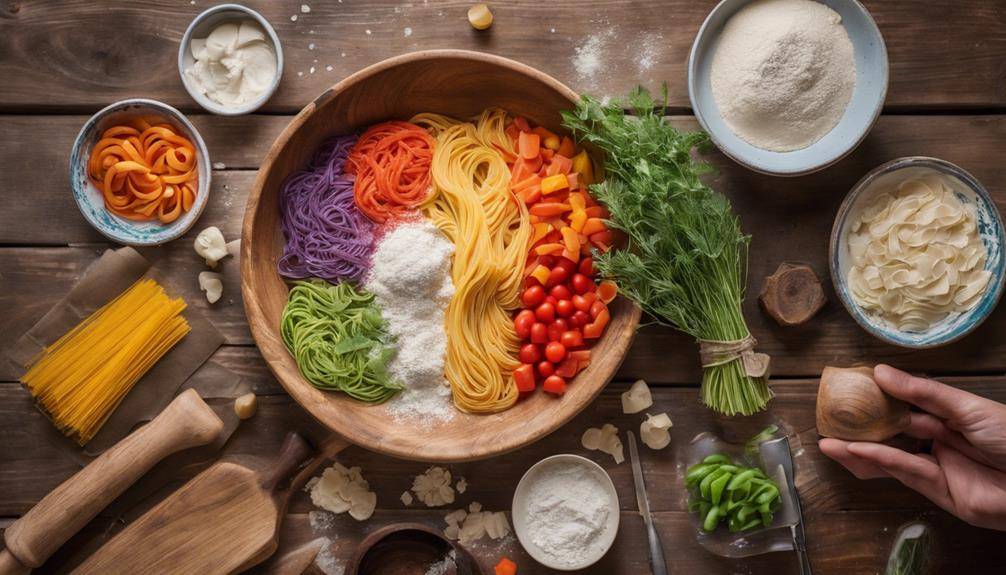
Gluten-Free Pasta: DIY Home Recipe Guide: Making gluten-free pasta at home is simple and rewarding. Start by selecting your gluten-free flour, like brown rice or chickpea flour. Combine 2 cups of flour with three eggs, a pinch of salt, and a tablespoon of olive oil. Knead the dough until smooth, let it rest for 30 minutes, then roll and cut into your desired shapes. Remember, gluten-free pasta cooks faster than traditional, so keep an eye on it! Experiment with flavors by adding herbs or vegetable purees. With a few tweaks, you'll master homemade gluten-free pasta. There's plenty more to explore for perfecting your pasta-making skills.
Understanding Gluten-Free Ingredients
Click Here and Turn Every Masterpiece into a Showstopper!
When it comes to gluten-free cooking, understanding the ingredients is essential. You'll want to familiarize yourself with gluten-free grains that can serve as the foundation for your pasta. Options like brown rice flour, quinoa flour, and chickpea flour are excellent choices. Each brings its unique flavor and texture, allowing you to experiment and discover what you like best.
Incorporating gluten-free grains into your pasta recipe is just the beginning. Since gluten provides structure and elasticity in traditional pasta, you'll need to rely on alternative binders to achieve a similar texture. Common binders include xanthan gum, psyllium husk, or even ground flaxseed. These ingredients help hold your pasta together and prevent it from crumbling, which is vital for achieving that perfect al dente bite.
Don't hesitate to mix and match different gluten-free grains and binders to find the combination that suits your taste and dietary needs. For example, blending brown rice flour with a bit of tapioca flour can give you a smoother texture. You can also experiment with different ratios of binder to flour until you find that sweet spot.
Essential Tools for Pasta Making
To make gluten-free pasta successfully, you'll need some essential kitchen tools. Having the right measuring and mixing equipment is vital for achieving the perfect dough consistency. Let's explore the must-have items that will make your pasta-making experience easier and more enjoyable.
Essential Kitchen Equipment
Creating gluten-free pasta at home requires a few fundamental kitchen tools that can make the process smoother and more enjoyable. First, a sturdy mixing bowl is important for combining your gluten-free flour and other ingredients. Choose one that's large enough to allow for some vigorous mixing without making a mess.
Next, invest in a good rolling pin. This tool is essential for rolling out your dough to the right thickness. If you want precision, a pasta machine can be a game-changer. It helps to achieve consistent thickness, ensuring even cooking.
Don't forget a sharp knife or pasta cutter for slicing your dough into your desired shapes. For kitchen organization, a flat surface like a large cutting board provides ample space for rolling and cutting, keeping everything tidy.
Lastly, a drying rack or hanging setup is helpful for drying your freshly cut pasta, allowing it to maintain its shape. With these essential tools in hand, you'll be ready to experiment with gluten-free substitutions and create delicious pasta dishes in no time!
Measuring Tools Importance
Accurate measurements are essential in making gluten-free pasta, as they guarantee the right balance of ingredients for the perfect texture. Without measuring tools, you risk creating dough that's too dry, too sticky, or simply unworkable. That's why measuring accuracy is vital. You'll want to invest in a good set of dry measuring cups, liquid measuring cups, and a kitchen scale. Each tool plays a distinct role in achieving precision in your recipe.
Dry measuring cups help you scoop and level out your flour or starches, ensuring you get the correct amount every time. Liquid measuring cups are perfect for measuring water or eggs, providing clarity with their easy-to-read markings. A kitchen scale is invaluable, especially for gluten-free flours, which can vary in weight. By weighing your ingredients, you'll enhance your measuring accuracy, leading to consistent results.
Mixing and Kneading Tools
When you're ready to make gluten-free pasta, having the right mixing and kneading tools can make all the difference. First, invest in a large mixing bowl to combine your ingredients effectively. A sturdy wooden spoon or a spatula will help you incorporate the flour and liquid without making a mess.
Next, you'll need a dough scraper. This tool is essential for gathering your dough and transferring it to your work surface. When it comes to kneading, your hands are your best tools. You'll want to feel the dough's texture and adjust as needed for ideal dough elasticity. If you find the dough too sticky, sprinkle in a little more flour.
A clean, flat surface is vital for kneading. You might also consider using a silicone mat to prevent sticking and make cleanup easier. If you're serious about pasta making, a pasta machine can help you achieve that perfect thickness and consistency. By using these tools effectively, you'll create gluten-free pasta with fantastic texture and elasticity—perfect for any sauce or dish you have in mind!
Preparing Your Work Space
Setting up your work space effectively can make all the difference in your gluten-free pasta-making experience. A well-organized pasta workspace not only streamlines the process but also helps you avoid unnecessary frustration. Start by clearing off your countertop or table, ensuring it's clean and free from any clutter. This gives you ample room to work with your ingredients and tools.
Next, gather all your ingredients. You'll want to have your gluten-free flour, eggs, water, and any other additions like salt or olive oil within arm's reach. This is where ingredient organization comes into play. Use small bowls or containers to measure out your ingredients ahead of time, so you don't have to stop and search for them while mixing. Labeling these containers can also save you time and keep everything in order.
Make sure you have your mixing and kneading tools ready as well, like a rolling pin and a dough scraper. Keep them close by, so you can easily access them during the pasta-making process. If you're using a pasta machine, clear a spot for it on your work surface to avoid unnecessary movement.
Lastly, consider your lighting. A well-lit workspace helps you see the texture of your dough, ensuring you get it just right. With everything organized and within reach, you'll be set for a smooth and enjoyable gluten-free pasta-making experience.
Basic Gluten-Free Pasta Recipe
With your workspace organized and ready, it's time to whip up a basic gluten-free pasta recipe that's both simple and delicious. Start by gathering your ingredients: 2 cups of gluten-free flour, 3 large eggs, a pinch of salt, and a tablespoon of olive oil. If you prefer not to use eggs, feel free to make ingredient substitutions using flaxseed meal mixed with water or any egg replacer you like.
In a large mixing bowl, combine the gluten-free flour and salt. Create a well in the center and add the eggs and olive oil. Using a fork, mix the ingredients until they start to come together. Then, use your hands to knead the dough for about 5-7 minutes until it's smooth and elastic. If the dough feels too dry, add a splash of water; if it's too wet, sprinkle in a little more flour.
Once your dough is ready, let it rest for about 30 minutes, covered with a damp cloth. After resting, you can roll it out into your desired thickness. If you want to experiment, try making pasta variations like fettuccine or ravioli.
Cut the pasta into your preferred shapes, and then cook it in boiling salted water for about 3-5 minutes. Fresh gluten-free pasta cooks quicker than traditional pasta, so keep an eye on it. Drain, toss with your favorite sauce, and enjoy your homemade creation!
Alternative Flour Options
Exploring alternative flour options can elevate your gluten-free pasta experience. When you experiment with different flours, you'll discover unique textures and flavors that can enhance your dishes. One popular choice is chickpea flour. It adds a rich, nutty flavor and works well combined with other flours to create a more robust pasta.
Brown rice flour is another excellent option. It has a mild taste, which makes it versatile for various recipes. For a slightly sweeter note, consider almond flour. It's perfect for adding a hint of nuttiness while contributing healthy fats. Quinoa flour is also a fantastic choice; it's packed with protein and offers a slightly earthy flavor that complements many sauces.
If you're looking to make traditional-style pasta, buckwheat noodles are an excellent alternative. Though not technically a wheat, buckwheat provides a distinct taste and can be quite satisfying. You may also want to try tapioca starch for a chewy texture; it works well in combination with other flours to give your pasta that desired elasticity.
Potato flour can add moisture and a lightness to your dough, while millet flour lends a subtle sweetness. Mixing and matching these flours can lead to the perfect blend for your gluten-free pasta. So gather these flours and start experimenting! You'll enjoy the process of finding the ideal combination that suits your taste and texture preferences.
Flavoring Your Pasta Dough
After choosing the right flour blend for your gluten-free pasta, it's time to bring your dough to life with flavor. You can start by incorporating herb infusions, like basil or rosemary, to add a fragrant touch. Spice blends are also a fantastic way to elevate the taste; think garlic powder or Italian seasoning. If you're feeling adventurous, vegetable purees, such as spinach or beet, can not only add flavor but also a vibrant color to your pasta.
Cheese additions, like finely grated parmesan or nutritional yeast, can introduce a rich, savory element. For a nuttier flavor, consider mixing in nut flours, such as almond or hazelnut, which can also enhance the dough's texture. Don't forget about citrus zest—lemon or lime can brighten the overall flavor profile.
Broth enhancements are another great option. Instead of using water, try adding vegetable or chicken broth to your dough for a deeper, savory taste. Drizzling in savory oils, such as garlic or chili-infused oils, can really pack a punch. If you're looking for something sweet, flavored extracts like vanilla or almond can provide a unique twist.
Lastly, don't overlook umami boosters like miso paste or sun-dried tomatoes; they can transform your pasta from basic to extraordinary. By experimenting with these flavoring techniques, you'll create delicious gluten-free pasta that's truly your own!
Shaping Your Pasta
When it comes to shaping your pasta, you'll find that the process is both enjoyable and rewarding. With your gluten-free dough ready, it's time to explore various pasta shapes that can elevate your dishes. Using simple shaping techniques, you can create everything from classic fettuccine to delightful ravioli.
Start by dividing your dough into manageable portions. This prevents it from drying out while you work. Roll out one portion at a time on a lightly floured surface, aiming for a thickness of about 1/8 inch. For shapes like tagliatelle or lasagna, you can cut the rolled dough into strips. A sharp knife or a pizza cutter works wonders for achieving even slices.
If you're in the mood for stuffed pasta, shaping techniques like making tortellini or ravioli come in handy. For ravioli, lay out a sheet of dough, spoon small amounts of filling onto it, and cover with another sheet of dough. Press around each mound to seal and cut into squares. For tortellini, take a square of dough, place the filling in the center, fold it into a triangle, and twist the ends to form a ring.
Don't hesitate to get creative! Experiment with different shapes, such as cavatappi or gnocchi. Each shape has its unique texture and ability to hold sauce, making your gluten-free pasta dishes even more delicious. So, roll up your sleeves, and get ready to enjoy the art of shaping your pasta!
Click Here and Turn Every Masterpiece into a Showstopper!
Cooking Techniques for Gluten-Free Pasta
Mastering the art of cooking gluten-free pasta can transform your culinary experience, ensuring that each bite is tender and flavorful. One of the first techniques to contemplate is the cooking time. Gluten-free pasta often cooks faster than traditional varieties, so keep a close eye on it to avoid overcooking. Start by bringing a pot of salted water to a rolling boil, and then add your pasta. Stir occasionally to prevent sticking and check for doneness a minute or two before the package instructions indicate.
When it comes to pasta texture, you'll want that perfect al dente bite. Since gluten-free pasta lacks the elasticity of wheat-based pasta, it can become mushy if left too long in the water. Taste-testing as you go will help you nail that ideal texture.
Don't forget to reserve some pasta water before draining! This starchy liquid can work wonders in enhancing sauce compatibility. If your sauce seems too thick, a splash of reserved water can help loosen it, allowing it to cling beautifully to your pasta.
Storing Homemade Pasta
To keep your homemade gluten-free pasta fresh and delicious, proper storage is key. After you've made your pasta, you'll want to decide whether you're using it right away or saving it for later. If you're planning to eat it soon, store it in an airtight storage container in the refrigerator. It's best to use it within a couple of days to maintain its texture and flavor.
If you want to save your pasta for a longer period, freezing techniques are your best bet. Start by laying the pasta in a single layer on a baking sheet, making sure the pieces don't touch. This prevents them from sticking together. Place the sheet in the freezer for about 30 minutes, or until the pasta is firm. Once frozen, transfer the pasta into storage containers or freezer bags. Be certain to label them with the date, so you can keep track of how long it's been stored.
When you're ready to cook the frozen pasta, you can either boil it directly from the freezer or let it thaw in the refrigerator overnight. Just remember that cooking times may vary slightly, so keep an eye on it to avoid overcooking. By following these simple storage tips, you'll guarantee your homemade gluten-free pasta stays fresh and ready for your next delicious meal. Enjoy the convenience of having it on hand whenever you crave a tasty gluten-free dish!
Pairing Sauces With Gluten-Free Pasta
When it comes to gluten-free pasta, choosing the right sauce can elevate your dish to new heights. You'll want to contemplate the best sauces that complement the pasta's texture, along with the flavor profiles that appeal to your palate. Don't forget to think about seasonal ingredients that can enhance your meal and bring freshness to the table.
Best Sauces for Pasta
Finding the perfect sauce to complement gluten-free pasta can elevate your meal from ordinary to extraordinary. When you're exploring sauce pairings, think about balancing textures and flavors to create a satisfying dish. A classic marinara sauce can work wonders, especially when you add fresh basil and a sprinkle of Parmesan for richness.
If you're in the mood for something creamy, try a homemade Alfredo. The velvety texture pairs beautifully with the right gluten-free pasta, bringing comfort to your plate. For a bit of zing, consider a lemon and garlic butter sauce, which introduces bright flavor contrasts and enhances the pasta's natural taste.
Don't shy away from experimenting with pesto, either. Its vibrant flavor can be a standout, especially when combined with grilled vegetables. For those who love a little heat, a spicy arrabbiata can add a kick that makes your dish unforgettable.
Ultimately, it's about finding that perfect balance of sauce and pasta that suits your palate. So, get creative, and mix and match until you discover your ideal gluten-free pasta experience!
Flavor Profiles to Consider
Exploring flavor profiles is key to elevating your gluten-free pasta dishes. Start by considering various spice combinations that can enhance your sauces. For instance, a touch of chili flakes can add heat, while smoked paprika offers depth. Incorporate herb infusions like fresh basil or oregano to bring a burst of freshness.
Don't overlook texture variations; creamy sauces pair beautifully with gluten-free pasta, but a chunky tomato sauce can create a delightful contrast. Draw inspiration from regional cuisines—think pesto from Italy or a spicy peanut sauce inspired by Thai dishes.
Seasonal flavors also play an essential role. Incorporate ingredients like zucchini in summer or roasted squash in fall for a vibrant twist. To amplify taste, use umami boosters such as mushrooms or nutritional yeast.
Citrus accents, like lemon zest or orange juice, can brighten your dish, while nutty undertones from toasted pine nuts or walnuts add richness. Finally, consider color additions—grating some beet or carrot into your sauce not only enhances the visual appeal but also introduces new flavors. With these strategies, you'll transform your gluten-free pasta into a culinary masterpiece.
Seasonal Ingredient Pairings
Seasonal ingredient pairings can elevate your gluten-free pasta dishes by harmonizing flavors with what's fresh and available. When you think of summer freshness, consider pairing your pasta with a light basil pesto made from local produce like ripe tomatoes and zucchini. These seasonal vegetables bring vibrant flavors that enhance your dish.
As the seasons shift into fall harvest, try a hearty butternut squash sauce with sage and nutmeg for a comforting meal. This combo brings festive flavors that warm you up on chilly evenings. For winter warmth, create a rich, creamy sauce using roasted garlic and kale to celebrate the season's robust greens.
When spring arrives, embrace the bright flavors of spring greens, tossing them with a zesty lemon and parsley sauce. The herb combinations in each of these seasonal sauces not only enhance the taste but also connect you to a farm-to-table experience.
Creative Serving Suggestions
When it comes to serving gluten-free pasta, think outside the traditional marinara or Alfredo sauce. There are endless possibilities to elevate your dish and impress your guests. Start by experimenting with fresh, seasonal ingredients. Toss your pasta with roasted vegetables like zucchini, bell peppers, or cherry tomatoes for a colorful, flavorful meal.
Consider adding a protein such as grilled chicken, shrimp, or sautéed mushrooms to create a heartier dish. You can also make a quick lemon and olive oil dressing for a light and zesty option. A sprinkle of fresh herbs like basil or parsley can add a burst of flavor, enhancing the overall presentation.
Don't forget about creative plating! Instead of simply piling the pasta on a plate, think about how to make it visually appealing. Twirl the pasta using a fork to create a nest-like shape in the center of the plate, then arrange your garnishes around it. For an elegant touch, use pasta garnishes such as edible flowers, microgreens, or a drizzle of balsamic glaze.
For a unique twist, try serving your gluten-free pasta in a hollowed-out bell pepper or a small cast-iron skillet. This adds a rustic charm and makes for a fun dining experience. With these creative serving suggestions, you'll turn your gluten-free pasta into a show-stopping dish that's as delightful to look at as it is to eat. Enjoy your culinary adventure!
Troubleshooting Common Issues
When making gluten-free pasta, you might run into some issues with dough consistency or cooking times. If your dough feels too sticky or crumbly, it's crucial to adjust your ingredients accordingly. Likewise, keep an eye on your pasta while it cooks, as gluten-free varieties often require different timing than traditional options.
Dough Consistency Problems
Achieving the perfect dough consistency is essential for successful gluten-free pasta, but you might encounter some common issues along the way. One frequent problem is overly dry dough. If your dough feels crumbly and won't hold together, it likely needs more moisture. Start by gradually adding water to increase dough hydration, mixing until the consistency improves.
On the flip side, if your dough is too sticky and hard to work with, it may have too much moisture. In this case, incorporate additional flour from your flour blend—try adding a tablespoon at a time until the dough reaches a manageable consistency.
Remember, the type of flour blend you use can greatly affect the results. Different blends absorb moisture differently, so adjust your hydration levels accordingly.
If you're struggling to achieve the right balance, don't hesitate to experiment. It may take a few tries, but with patience and practice, you'll find the ideal dough consistency that works for you. Keep these tips in mind, and you'll be well on your way to creating delicious gluten-free pasta that's both easy to work with and tasty to eat.
Cooking Time Adjustments
After perfecting your dough consistency, the next step is making sure your gluten-free pasta cooks properly. Cooking gluten-free pasta can be tricky, so you'll need to make some timing adjustments based on the type of flour you used and the thickness of your pasta. Start by bringing a large pot of salted water to a rolling boil.
Once you add your pasta, pay close attention to the clock. Generally, gluten-free pasta cooks faster than traditional pasta, often needing just 3 to 5 minutes. You'll want to test it a minute or two before the recommended cooking time. For best results, use your favorite cooking techniques, like stirring gently to prevent sticking.
If your pasta turns out too firm or mushy, consider adjusting both your cooking time and water temperature. A lower boil can help maintain the pasta's integrity, while slightly increasing the cooking time can guarantee it's cooked through. Remember, pasta will continue to cook slightly after draining, so it's better to undercook a bit than overdo it. With these timing adjustments, you'll create a perfect gluten-free pasta dish every time!
Click Here and Turn Every Masterpiece into a Showstopper!
Frequently Asked Questions: Gluten-Free Pasta: DIY Home Recipe Guide
Can I Freeze Uncooked Gluten-Free Pasta?
Yes, you can freeze uncooked gluten-free pasta. Use proper freezing techniques—spread it out on a baking sheet first. For storage tips, place it in an airtight container or freezer bag to maintain freshness.
How Long Does Homemade Gluten-Free Pasta Last?
Homemade gluten-free pasta typically lasts about 2-3 days in the fridge. For longer shelf life, consider freezing it. Store it in an airtight container, and use parchment paper between layers to prevent sticking.
Is Gluten-Free Pasta Softer Than Regular Pasta?
When comparing gluten-free pasta to regular pasta, you'll find gluten-free options can be softer, depending on the brand. Cooking times vary, so adjust accordingly to achieve your desired texture and consistency.
Can I Use a Pasta Machine for Gluten-Free Dough?
Yes, you can use a pasta machine for gluten-free dough. Just remember, gluten-free flours behave differently. Adjust your pasta machine techniques to accommodate the unique texture and moisture levels of the dough for best results.
Are There Gluten-Free Pasta Options Available in Stores?
Yes, there are plenty of gluten-free pasta options available in stores. You'll find various store-bought varieties made from rice, quinoa, or lentils. Comparing ingredients can help you choose the best one for your needs.

Conclusion
Making gluten-free pasta at home is a rewarding experience that allows you to enjoy delicious meals tailored to your dietary needs. By understanding your ingredients, utilizing the right tools, and following our simple recipes, you'll create fresh pasta that rivals any restaurant dish. Don't forget to experiment with different flour options and sauces to discover your favorite combinations. With a little practice, you'll master gluten-free pasta making and impress your family and friends with your culinary skills!