Crafting Spicy Dishes Using Exotic Cooking Spices
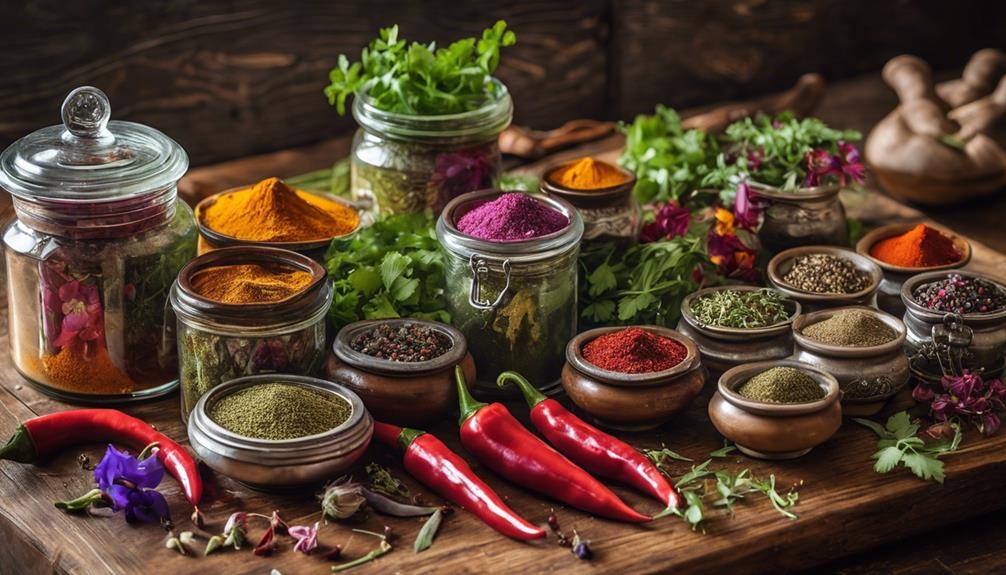
Crafting Spicy Dishes Using Exotic Cooking Spices: Crafting spicy dishes with exotic cooking spices can truly elevate your culinary experience. Start with powerful staples like cayenne pepper for heat or smoked paprika for a rich, smoky flavor. Balance your spices with fresh ingredients, and don't shy away from experimenting with unique combinations, like turmeric with coconut milk. Remember to toast whole spices to release their essential oils and enhance their flavors. Always adjust spice ratios to suit your taste, creating a blend that's uniquely yours. As you explore these techniques, you'll uncover even more exciting flavor adventures waiting in your kitchen.
Understanding Exotic Spices
Click Here and Turn Every Masterpiece into a Showstopper!
When you plunge into the world of exotic spices, you'll uncover a treasure trove of flavors waiting to elevate your dishes. Each spice carries its own unique story, often deeply rooted in the cultures that cultivated them. Understanding these spices goes beyond just their taste; it involves appreciating their cultural significance and the rich history of their origins.
Take saffron, for instance. This vibrant spice, derived from the flower of Crocus sativus, has been revered for centuries in Persian cuisine and medicinal practices. Its intricate harvesting process speaks to the dedication of those who cultivate it, often by hand. When you sprinkle saffron into your dishes, you're not just adding flavor; you're connecting with a tradition that spans millennia.
Similarly, consider the allure of cardamom, often called the "queen of spices." With origins in the forests of India and the Middle East, it's a staple in both sweet and savory recipes. It's fascinating how cardamom plays a role in various cultural dishes, reflecting local tastes and customs. By exploring its history, you'll gain a deeper appreciation for its complexity.
As you familiarize yourself with these exotic spices, you'll find that they offer more than just heat. They embody the spirit of the regions they come from, enriching your cooking and allowing you to share in a global culinary heritage. Embrace the journey of discovery, and let these spices transform your dishes into flavorful narratives.
Essential Spices for Spicy Dishes
When you're cooking spicy dishes, having the right spices on hand is essential. You'll want to stock up on must-have spices that can elevate your meals, and mastering spice blending techniques will take your flavors to the next level. Let's explore these essentials to make your cooking truly unforgettable.
Must-Have Spices
Spicy dishes come alive with the right blend of essential spices that pack a punch. To elevate your cooking, you'll want to have a few must-have spices in your pantry. Start with cayenne pepper, known for its heat and vibrant red color. It's perfect for adding a fiery kick to any dish. Next, consider sourcing spices like smoked paprika, which lends a rich, smoky flavor that enhances grilled meats and roasted vegetables.
Don't overlook the versatility of ground cumin—it has warm, earthy notes that provide depth to curries and chili. Turmeric, with its bright yellow hue and health benefits, adds both color and a subtle bitterness. And let's not forget about coriander, which offers a citrusy undertone, making it a fantastic addition to spice blends.
When sourcing these spices, pay attention to their origins; fresh, high-quality spices can transform your cooking. Explore local markets or specialty shops to find unique varieties that will inspire your culinary creativity. By incorporating these essential spices, you'll be well on your way to crafting delicious, spicy dishes that impress.
Spice Blending Techniques
There's an art to blending spices that can elevate your dishes to new heights. To master this, you need to understand spice ratios. Start by identifying the dominant flavors you want, then balance them with complementary spices. For example, if you love heat, you might use a higher ratio of cayenne pepper while adding just a pinch of paprika for color and depth.
When it comes to blending methods, consider whether you want a coarse texture or a fine powder. For a coarse blend, use a mortar and pestle; this allows the spices to release their essential oils. For a finer blend, a spice grinder works wonders. Experiment with toasting whole spices before grinding them to enhance their flavors.
Don't be afraid to adjust your ratios as you go. Taste your blend and tweak it until it's just right. Remember, spice blending is about personal preference, so take notes on what works for you. With practice, you'll develop your unique blends, bringing a world of flavor to your culinary creations. Enjoy the journey of crafting your perfect spicy dishes!
Balancing Heat and Flavor
Creating a delicious dish that balances heat and flavor requires a careful approach regarding spice selection and seasoning techniques. You need to take into account your guests' heat tolerance while aiming for the right flavor intensity. Start by understanding the different spices available. Some, like cayenne or habanero, pack a punch, while others, like smoked paprika or cumin, add depth without overwhelming heat.
When crafting your dish, begin with a mild base and gradually introduce spicier elements. This way, you can adjust the heat level according to your preference. Take note of the flavor profiles of the spices you use; they should complement each other rather than compete. For instance, pairing a fiery chili with sweet, fruity elements like mango or pineapple can create a delightful balance that enhances the overall experience.
Don't forget about the role of acidity. Ingredients like lime juice or vinegar can brighten up the flavors and help temper excessive heat. You might want to incorporate creamy elements, such as yogurt or coconut milk, which can soften the spice while adding richness.
Lastly, remember that heat lingers, so avoid adding too much spice at once. Taste as you go, and adjust the seasoning accordingly. By keeping these strategies in mind, you'll be able to create dishes that satisfy both those who crave heat and those who enjoy a more subtle flavor experience. Balancing heat and flavor is an art worth mastering, and it will elevate your cooking game considerably.
Cooking Techniques for Spice Infusion
Infusing spices into your dishes not only enhances flavor but also elevates the overall culinary experience. To achieve the best spice infusion, you'll want to explore various infusion methods that effectively extract flavors. One popular technique is to toast whole spices in a dry skillet over medium heat. This process releases essential oils, intensifying their flavors before you grind them or add them directly to your dish.
Another effective method is steeping spices in a liquid. You can add whole spices to broths or sauces, allowing them to simmer and release their flavors over time. This slow cooking process is excellent for building depth in soups or stews. Just remember to strain the spices out before serving to avoid overwhelming your dish.
You can also try cold infusion methods by letting spices steep in oils or vinegars for several hours or even days. This technique works beautifully for dressings or marinades, giving you a subtle yet complex flavor profile. If you're short on time, consider using a spice grinder to create a fine powder, which allows for quicker flavor extraction.
Don't underestimate the power of marinating. Incorporate spices into your marinades for meats or vegetables, letting them sit for at least an hour to allow the flavors to penetrate deeply. By employing these techniques, you'll reveal the full potential of the spices, creating dishes that are rich and aromatic. Happy cooking!
Pairing Spices With Ingredients
Pairing spices with ingredients is essential for crafting dishes that burst with flavor. Understanding spice compatibility is key to elevating your culinary creations. Not all spices work well together or with every ingredient, so it's vital to evaluate the unique characteristics of both the spice and the food you're using.
Start by thinking about the primary flavors in your dish. For instance, if you're cooking with chicken, spices like cumin, paprika, and coriander can complement its mild flavor beautifully. On the other hand, if you're working with a robust ingredient like beef, consider heartier spices such as black pepper, rosemary, or even chili powder for added depth.
Ingredient synergy also plays an important role. Certain spices can enhance the natural flavors of ingredients, turning a simple dish into something extraordinary. For example, pairing cinnamon with sweet potatoes not only highlights their sweetness but also adds a warm, aromatic touch. Similarly, combining turmeric with coconut milk can create a creamy, flavorful base for curries.
Don't be afraid to experiment. Start with classic combinations and gradually branch out to discover new pairings. Take notes on what works and what doesn't, as this will help you develop a better understanding of spice compatibility over time. By thoughtfully pairing spices with your ingredients, you'll open up a world of flavor that will keep your dishes exciting and memorable.
Click Here and Turn Every Masterpiece into a Showstopper!
Crafting Unique Spice Blends
When you're crafting unique spice blends, you'll want to start with essential spice ingredients that complement each other. Balancing flavor profiles is key to creating a blend that enhances your dishes, so don't hesitate to experiment. Plus, knowing how to store and preserve your blends will guarantee they stay fresh and flavorful for your next culinary adventure.
Essential Spice Ingredients
Crafting unique spice blends starts with understanding the essential ingredients that can elevate your dishes. Begin by exploring the spice origins of the ingredients you choose. Each spice carries a story, often rooted in the culture from which it hails. For example, cumin brings a warm, earthy flavor, deeply connected to Middle Eastern cuisine, while turmeric, with its vibrant hue, offers both health benefits and a taste reminiscent of Indian curries.
Next, consider the cultural significance of these spices. They're not just flavors; they embody traditions and histories that can enrich your cooking experience. When you mix spices like coriander and cinnamon, you're not only creating a delicious blend but also honoring the culinary practices of various cultures.
Don't forget to experiment with fresh and dried variations of your chosen spices. Fresh herbs like cilantro can add brightness when paired with dried spices like paprika. As you craft your blends, remember to keep an open mind and have fun. The right combination can transform your dishes, giving them depth and character that reflect both your personality and the cultures that inspire you.
Balancing Flavor Profiles
Understanding the unique characteristics of each spice helps you balance flavor profiles effectively. When you're crafting your spice blends, think about how different spices interact to achieve flavor harmony. For instance, combining the smokiness of paprika with the earthiness of cumin can create a robust base for your dish.
Pay attention to taste perception; certain spices can enhance or mute others. A hint of sweetness from cinnamon can soften the sharpness of chili powder, making your blend more approachable. Meanwhile, using a bit of acidity, like lemon zest or tamarind, can elevate the overall flavor, bringing brightness to heavier spices like coriander.
Experiment with ratios to find your ideal balance. Start small, and taste as you go. You might even discover that a touch of salt can enhance the flavors even further. Remember, it's all about finding that perfect combination that excites your palate while maintaining a cohesive taste experience.
Ultimately, mastering the art of balancing flavor profiles allows you to create unique spice blends that elevate your dishes and impress your guests. So, get creative, and enjoy the journey of flavor exploration!
Storage and Preservation Tips
Proper storage and preservation of your spices can greatly enhance the longevity and potency of your unique blends. To keep your spices fresh and flavorful, always opt for airtight containers. These containers prevent moisture and air exposure, which can degrade the quality of your spices over time. Glass jars with tight-sealing lids or high-quality plastic containers work well for this purpose.
Avoid storing your spices near heat sources, like stoves or ovens, as excessive heat can diminish spice longevity. Instead, choose a cool, dark place, such as a pantry or cupboard. Sunlight can also cause spices to lose their vibrant colors and flavors, so keep them away from direct light.
Don't forget to label your containers with the name and date when you made the blend. This helps you track freshness and guarantees you use your spices at their peak. For ground spices, consider grinding whole spices as needed, since whole spices maintain their flavor longer than pre-ground ones. By following these storage and preservation tips, you can enjoy your exotic spice blends at their best, bringing delightful flavors to your dishes every time you cook.
Regional Recipes to Try
Exploring regional recipes can introduce you to a world of bold flavors and unique ingredients. Each region boasts its own distinct flavor profiles and traditional cooking methods, making cooking an exciting adventure. For instance, consider trying your hand at a spicy Thai green curry. The combination of fresh herbs, green chilies, and creamy coconut milk creates a dish bursting with flavor. You'll appreciate how the balance of sweetness and heat reflects the regional flavor profile of Thailand.
If you're in the mood for something with a smoky twist, look to the southwestern United States. A zesty chipotle chili stew will warm your soul while tantalizing your taste buds. This dish typically incorporates traditional cooking methods like slow simmering, allowing the spices to meld beautifully. You'll find that the chipotle peppers add a rich, smoky depth that's hard to resist.
Another regional gem is the fiery Piri Piri chicken from Portugal. With a marinade made from a blend of spicy Piri Piri peppers, garlic, and citrus, this dish showcases the bold flavors characteristic of Portuguese cuisine. Grilling the chicken adds a fantastic char that enhances the spices, bringing the dish to life.
Tips for Storing Spices
Your spices deserve the best care to maintain their vibrant flavors and aromas. Proper storage is essential, so let's explore some effective tips. First, invest in quality spice containers. Clear glass jars or dark-colored containers can help protect your spices from light, which can degrade their potency. Make certain these containers are airtight to prevent air from spoiling your spices.
Another critical factor is humidity control. Spices thrive in dry environments, so keep them in a cool, dark place away from moisture. Avoid storing them near the stove or sink, where steam can compromise their quality. If you live in a particularly humid area, consider using silica gel packets in your spice containers to absorb excess moisture.
Label your spices clearly with the name and date of purchase. This practice helps you track freshness and rotate older spices to the front for use. When measuring spices, use a dry spoon to avoid introducing moisture, which can lead to clumping.
Lastly, remember that whole spices tend to last longer than ground ones. If possible, buy whole spices and grind them as needed for maximum flavor. By implementing these tips, you'll guarantee your spices stay fresh and flavorful, ready to elevate your dishes with their exotic aromas. Enjoy the art of cooking with spices, knowing you're storing them correctly!
Click Here and Turn Every Masterpiece into a Showstopper!
Frequently Asked Questions: Crafting Spicy Dishes Using Exotic Cooking Spices
Can I Grow Exotic Spices at Home?
Yes, you can grow exotic spices at home! With the right growing conditions, like adequate light and humidity, indoor gardening can be a fun way to cultivate unique flavors right in your kitchen.
Are There Allergy Concerns With Certain Spices?
Yes, there are allergy concerns with certain spices. You might experience spice allergy symptoms like itching or swelling. Be aware of spice cross reactivity, as some spices can trigger allergies related to other foods you consume.
How Do I Know if Spices Are Fresh?
To know if spices are fresh, check their aroma and color. If they've lost potency, they might've expired. Proper spice storage in airtight containers can extend freshness, but always replace them after a year.
What Are Some Common Spice Substitutes?
When you're out of a spice, consider substitutes like paprika for cayenne or garlic powder for onion powder. These spice blends can enhance your dish's spice flavor, ensuring your meal remains delicious and satisfying.
Can Spices Lose Potency Over Time?
Yes, spices can lose potency over time due to spice aging. Proper spice storage in cool, dark places helps maintain their flavor. Regularly check your spices and replace any that've lost their aroma or vibrancy.

Conclusion
Incorporating exotic spices into your cooking can transform ordinary meals into flavorful adventures. By understanding the essential spices, balancing heat, and experimenting with unique blends, you'll create mouthwatering dishes that excite your palate. Don't forget to explore regional recipes and pair spices thoughtfully with ingredients for the best results. With proper storage, your spices will maintain their potency, ensuring every meal is bursting with flavor. So, get creative and let your culinary journey begin!