Uncover The Ideal Wine Pairing For Sushi
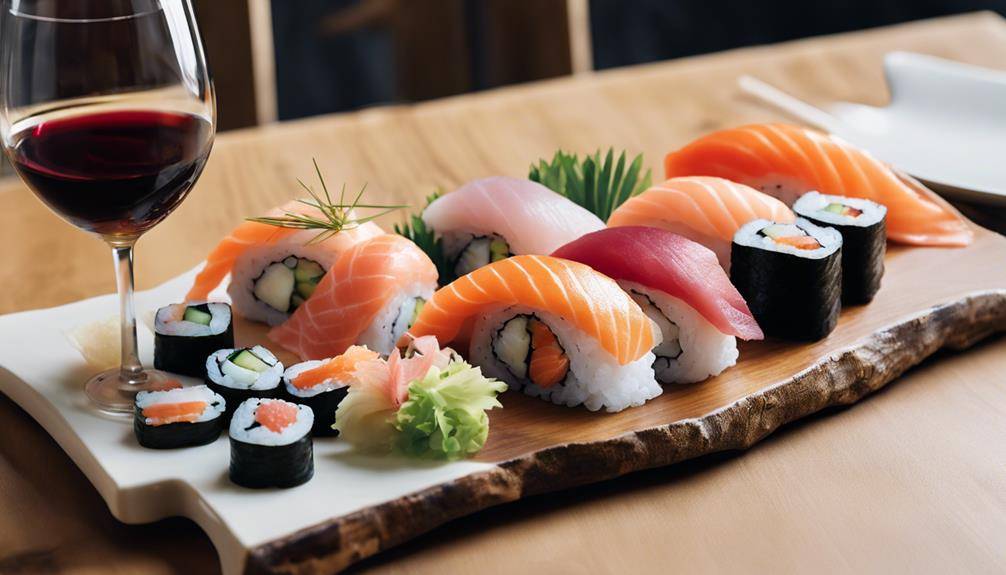
Uncover The Ideal Wine Pairing For Sushi: To uncover the ideal wine pairing for sushi, consider the type of sushi you're enjoying. For sashimi or nigiri, go with a crisp Sauvignon Blanc to highlight delicate flavors. If you're having richer fish like salmon, a light-bodied Pinot Noir can enhance its richness without overpowering it. For a sparkling experience, try Champagne or Cava to cleanse the palate with their lively bubbles. Don't forget about Rosé, which adds a fruity touch to various sushi types. Each choice balances flavor and elevates your meal, and there's more to explore about how to create the perfect pairing.
Understanding Sushi Varieties
Click Here and Turn Every Masterpiece into a Showstopper!
When it comes to sushi, understanding the different varieties can enhance your dining experience. Sushi isn't just a dish; it's a culinary art steeped in rich sushi history. Originating from ancient Japan, sushi first emerged as a method of preserving fish in fermented rice. Over time, it evolved into the forms we enjoy today, such as nigiri, maki, and sashimi. Each type has its own unique flavors and techniques, so getting to know them can take your appreciation to the next level.
Nigiri features a small mound of rice topped with a slice of fish, while maki rolls consist of rice and fillings wrapped in seaweed. Sashimi is simply fresh fish served without rice. Knowing these varieties helps you make informed choices when ordering.
Additionally, sushi etiquette plays an essential role in your dining experience. For instance, when enjoying nigiri, it's customary to dip the fish side into soy sauce, not the rice. You'll also want to avoid mixing wasabi into your soy sauce; instead, place a small amount directly on the sushi.
Understanding these nuances of sushi varieties and etiquette not only enhances your dining experience but also shows respect for the tradition behind this beloved cuisine. So, next time you sit down for sushi, remember that each type has a story to tell and a way to be enjoyed!
Wine Basics for Sushi Pairing
When pairing wine with sushi, it's essential to understand the flavor profiles of both. Different types of sushi bring unique tastes, and matching them with the right wine can elevate your dining experience. Let's explore how to harmonize these elements for the perfect pairing.
Wine Flavor Profiles
Understanding wine flavor profiles is vital for enhancing your sushi experience. When you select a wine, consider its aroma characteristics, as they can greatly influence your overall enjoyment. For instance, fruity scents like apple or pear often complement delicate sushi flavors, while herbal notes can enhance more robust dishes.
Acidity levels play an important role too. Wines with higher acidity can cut through the richness of sushi, balancing the flavors beautifully. Think of a crisp Sauvignon Blanc or a sparkling wine; their vibrant acidity invigorates your palate, making each bite of sushi feel new and exciting. On the other hand, low-acid wines, like some Chardonnays, might not provide that same invigorating contrast, potentially overwhelming the sushi's delicate taste.
Furthermore, consider the body of the wine. Light-bodied wines generally pair well with lighter sushi, while fuller-bodied options can stand up to richer ingredients. Ultimately, understanding these flavor profiles will help you create a harmonious pairing, elevating your sushi experience to new heights. So, the next time you're enjoying sushi, remember to think about the wine's aroma, acidity, and body to find the perfect match.
Sushi Types Explained
Sushi comes in various types, each offering unique flavors and textures that can impact your wine pairing choices. Understanding the sushi history and origins helps you appreciate the cultural significance behind each type. For instance, nigiri showcases fresh fish atop rice, while maki features rolled ingredients, both presenting different textures and flavors.
When considering sushi culture, you'll find that etiquette plays a role in how sushi is prepared and enjoyed. For example, dipping nigiri in soy sauce should be done fish-side down to preserve the rice's integrity. As you explore sushi variations like sashimi or temaki, you'll notice how these differences can affect your wine selections.
Sushi preparation affects not just taste but also presentation, which is an art form in itself. The vibrant colors and meticulous arrangement can enhance your dining experience. As sushi trends evolve, such as the rise of plant-based options, you may want to experiment with lighter wines like Sauvignon Blanc or a rejuvenating sake. With each type of sushi, there's an opportunity to discover the perfect wine pairing that complements its unique characteristics.
White Wine Recommendations
Pairing white wine with sushi can elevate your dining experience remarkably. The right selection enhances the delicate flavors of sushi while balancing its textures. A standout choice is a Sauvignon Blanc, known for its crisp acidity and zesty finish. Its citrus notes and herbaceous elements complement the vitality of sashimi and nigiri beautifully.
If you prefer something with floral notes, consider an Albariño. This wine's light body and mineral undertones harmonize with sushi's delicate fish, accentuating the dish without overpowering it. Another excellent option is a dry Riesling, which offers fruity flavors combined with a creamy mouthfeel. This buttery texture works well with richer sushi like eel or fatty tuna.
For those who enjoy a more pronounced palate, a Viognier could be your go-to. Its aromatic qualities and fruity flavors can enhance the umami in sushi, creating a delightful contrast. Additionally, a Grüner Veltliner, with its crisp acidity and subtle spice, pairs excellently with rolls featuring fresh vegetables or light proteins.
Lastly, if you're indulging in sushi with a bit of richness, like tempura or creamy sauces, a Chardonnay with a buttery texture will elevate your meal. Look for unoaked versions to maintain that invigorating quality. No matter your choice, these white wines will guarantee your sushi experience is not just enjoyable but memorable. Cheers to finding the perfect pairing!
Sparkling Wine Selections
Sparkling wine frequently adds an exciting dimension to sushi, enhancing both the meal's flavor and texture. The lively bubbles and invigorating qualities of sparkling wines can elevate your sushi experience to a whole new level. When you choose a sparkling wine, look for options that showcase sparkling acidity, which complements the umami flavors found in various sushi types.
Consider a classic Champagne or a high-quality Cava. Both offer a vibrant effervescence that cleanses the palate after each bite. The food carbonation helps to balance the richness of fatty fish like salmon or tuna, making each mouthful feel lighter and more satisfying. If you're feeling adventurous, try a sparkling sake. This unique option merges the traditional rice-based beverage with the effervescence of sparkling wine, creating a delightful pairing that's perfect for sushi.
When you sip on sparkling wine, pay attention to how the bubbles interact with the textures of your sushi. The carbonation can enhance the freshness of ingredients, making the overall experience more dynamic. If you enjoy spicy rolls, a sparkling wine's bright acidity can cut through the heat, providing an exhilarating contrast that keeps your taste buds dancing.
Rosé Wine Options
For those who prefer a more nuanced flavor profile, rosé wines can be an excellent companion to sushi. Their versatility allows them to complement a wide variety of sushi types, from delicate nigiri to flavorful rolls. When you're enjoying a fresh salmon or tuna sushi, a dry rosé can enhance the rich flavors while maintaining a revitalizing crispness.
During your rosé tasting, pay attention to the wine's acidity and fruit characteristics. A well-chosen rosé can offer a delightful flavor balance, striking the perfect harmony between sweetness and acidity. Look for rosés that feature notes of strawberry, watermelon, or citrus—these fruity elements can brighten the overall experience of your sushi meal.
If you're indulging in spicy tuna rolls, consider a fuller-bodied rosé with more robust flavor profiles. These wines can stand up to the spicy elements while still offering a rejuvenating finish. Alternatively, a lighter, more floral rosé works beautifully with subtle sushi options like white fish or vegetable rolls, allowing the intricate flavors of the sushi to shine.
In terms of serving temperature, aim for a chilled rosé at around 50-55°F to keep those invigorating qualities intact. By pairing your sushi with the right rosé, you'll elevate your dining experience and discover a delightful interplay of flavors that enhances both the wine and the sushi. So next time you're at a sushi bar, don't overlook the charm of a good rosé!
Red Wine Choices
When it comes to red wine and sushi, many people might hesitate, but there are surprisingly delightful options that can enhance your meal. The key is to choose red wines that complement the unique textures and flavors of sushi without overpowering them. Look for bold reds with light tannins, which provide a smoother experience that won't clash with your dish.
For a great pairing, consider regional varieties like Pinot Noir or Gamay. These wines often feature fruity notes and earthy undertones, creating a beautiful food synergy with sushi. The vibrant acidity levels in these wines help maintain a revitalizing balance, cutting through the richness of fish and enhancing the overall flavor intensity.
When selecting your red wine, pay attention to the wine temperature. Serving your wine slightly chilled can elevate the experience, making it more invigorating alongside your sushi. This temperature also helps in highlighting the fruity notes while reducing the perception of tannins, allowing for a delightful texture balance.
Experiment with different combinations to find what works best for you. A light-bodied red can pair beautifully with sashimi, while a slightly bolder option might enhance grilled or seared sushi. Remember, the goal is to create harmony between your wine and sushi, so don't be afraid to explore and enjoy the journey of discovering the perfect red wine choices for your next sushi night.
Flavor Profiles of Sushi
When you think about sushi, consider the variety of ingredient flavors that come into play, from the subtle sweetness of fresh fish to the tang of tangy sauces. Balancing these tastes and textures is key to crafting a memorable sushi experience. Understanding these flavor profiles will help you make better decisions when pairing wine.
Sushi Ingredient Flavor Types
Sushi presents a delightful array of flavors, each ingredient contributing its own unique profile. You'll find sour ingredients like pickled ginger that add a zesty kick, balancing the rich umami flavors of fatty fish such as salmon or tuna. Fresh herbs, like shiso or cilantro, can elevate your sushi experience with their aromatic qualities, enhancing the overall taste.
When you bite into a piece, you might notice crunchy textures from tempura influences or sprigs of cucumber, providing a delightful contrast to the tender fish. Spicy elements, like wasabi, can awaken your palate, adding heat that complements the oceanic notes of the seafood. Sweet sauces, such as eel sauce, introduce a luscious richness that rounds out the flavor profile.
You may also encounter earthy undertones from ingredients like mushrooms or seaweed, offering depth to your sushi experience. Each component plays a crucial role, creating a symphony of tastes that can be both invigorating and satisfying. By understanding these flavor types, you can better appreciate the intricate combinations that make sushi so appealing.
Balancing Taste and Texture
Balancing taste and texture is vital for a satisfying sushi experience. When you enjoy sushi, you're not just savoring the flavors but also the variety of textures. Each component—whether it's the delicate fish, the creamy avocado, or the crisp vegetables—contributes to a unique mouthfeel that enhances your overall enjoyment.
To achieve taste harmony, you want to pair flavors that complement each other without overpowering. For instance, the richness of salmon can be beautifully offset by the acidity of a citrusy Sauvignon Blanc. On the other hand, texture contrast plays an important role in elevating your sushi meal. The crunch of tempura or crispy nori adds an exciting layer to the soft, tender rice and fish.
When choosing your sushi and wine pairing, consider how these elements interact. A light, effervescent sparkling wine can cut through the richness of a fatty tuna, providing a revitalizing balance. Ultimately, by focusing on both taste and texture, you'll create a delightful experience that'll keep you coming back for more. So, next time you sit down for sushi, think about how to achieve that perfect balance!
Matching Wine With Fish Types
At the heart of a great dining experience lies the perfect wine pairing, especially when it comes to matching wine with various types of fish. When you enjoy sushi, understanding the different sushi fish types can elevate your meal remarkably. Each fish brings its own unique flavor profile, and the right wine can enhance this experience.
For example, if you're indulging in delicate white fish like flounder or snapper, a light, crisp white wine such as Sauvignon Blanc or a dry Riesling works wonders. These wines complement the subtle flavors without overpowering them, ensuring a harmonious balance on your palate.
On the other hand, richer sushi fish types like salmon or tuna can stand up to more robust wine selections. A Pinot Noir, with its fruit-forward notes and earthy undertones, pairs beautifully with salmon, enhancing its fatty richness. If you're opting for a bold tuna, consider a lighter-bodied red, like a Gamay, which won't overshadow the fish's flavors.
For those adventurous enough to try eel, a slightly sweet wine, such as a sparkling wine or even a light dessert wine, can create a delightful contrast with the smoky flavors of the fish.
Ultimately, it's all about flavor compatibility. Take the time to explore different pairings and discover what resonates with your taste buds. The right wine can transform your sushi experience into something truly memorable.
Click Here and Turn Every Masterpiece into a Showstopper!
Considering Sushi Condiments
When you're enjoying sushi, the condiments can make a big difference in your wine pairing. Soy sauce adds a salty umami kick, while wasabi brings a spicy bite that can alter how you perceive the flavors in your wine. Understanding these elements will help you choose the perfect wine to enhance your sushi experience.
Soy Sauce Impact
Soy sauce plays an essential role in enhancing the flavors of sushi, acting as both a seasoning and a condiment. When you dip your sushi in soy sauce, you're not just adding saltiness; you're also boosting the umami impact. This savory flavor profile complements the fresh taste of fish and balances the sweetness of rice.
There are various soy sauce types to evaluate, each offering a unique twist to your sushi experience. For example, shoyu, the most common type, is brewed from wheat and soybeans, providing a rich, complex flavor. If you prefer a gluten-free option, tamari is the way to go, as it's made primarily from soybeans without wheat, lending a deeper umami taste.
You might also want to explore other soy sauces, like usukuchi, which is lighter and saltier, or saishikomi, which has a richer taste due to a double fermentation process. Each of these soy sauce types can greatly influence your sushi's overall taste, so don't hesitate to experiment and find the perfect match for your palate.
Wasabi Flavor Profile
Wasabi frequently adds a distinctive kick to sushi, elevating the dining experience with its sharp, pungent flavor. This vibrant green condiment isn't just about heat; it also contributes a unique wasabi intensity that can transform each bite into a thrilling culinary adventure. When you take a dip of wasabi along with your sushi, the first wave you experience is its unmistakable heat, which can catch you off guard.
Wasabi heat is notorious for being different from chili pepper heat. Instead of lingering on your tongue, it tends to hit you in the nasal passages, providing a fleeting but intense sensation. This can enhance the flavors of the sushi, allowing you to appreciate the freshness of the fish and the subtleties of the rice.
When pairing wine with sushi that features wasabi, you'll want to take into account the wasabi intensity. A wine that can stand up to this bold flavor, like a crisp Sauvignon Blanc or a slightly sweet Riesling, will help balance the heat and accentuate the overall experience. Enjoying sushi with wasabi isn't just about the taste; it's about the entire sensory journey.
Regional Wine Pairings
Many wine enthusiasts find that regional pairings can elevate the sushi experience. When you consider Japanese terroir, it becomes clear why certain wines complement sushi so well. Japan's unique food geography shapes local preferences, leading to a harmonious relationship between cuisine and wine.
For sushi made with fresh fish caught off Japan's coasts, consider regional varietals from nearby wine regions like Yamagata or Nagano. These areas produce wines that reflect the same seasonal wines enjoyed in Japanese culture, enhancing the dining experience. A crisp, aromatic white wine from Yamagata, for example, pairs beautifully with delicate sushi, allowing the dish's flavors to shine.
Cultural influences play a significant role in determining the ideal wine for your sushi. If you're savoring a bold, rich sushi roll, a full-bodied red wine from Japan or a fruity varietal from a nearby region can offer a delightful contrast. The combination of taste heritage and local ingredients guarantees that each sip complements the dish perfectly.
Don't overlook the importance of seasonal wines, either. In Japan, certain ingredients are celebrated during specific times of the year, and pairing these with wines from the same season enhances your meal. By embracing regional pairings, you honor the intrinsic connection between sushi and wine, which can lead to a more rewarding culinary experience. So next time you're enjoying sushi, think local and explore the incredible world of regional wine pairings.
Temperature and Serving Tips
When it comes to enjoying wine with sushi, serving temperature matters more than you might think. You'll want to chill white wines and sparkling varieties to around 45-50°F, while reds can be served slightly cooler than room temperature. Choosing the right glassware can also enhance your experience, so consider using narrower glasses for whites and wider ones for reds.
Optimal Serving Temperature
The right serving temperature can elevate your sushi experience, enhancing both flavor and texture. For most sushi, the ideal temperature for white wines like Sauvignon Blanc or Pinot Grigio is between 45°F and 50°F (7°C to 10°C). This cooler temperature preserves the wine's crispness, allowing it to complement the delicate flavors of the fish.
On the other hand, if you're pairing sushi with red wines, aim for a slightly warmer temperature, around 55°F to 60°F (13°C to 16°C). This warmth helps to bring out the bold flavors of the wine, making it a great match for meaty or richer sushi options like tuna or eel.
When serving, consider chilling your wine in the fridge for about an hour before your meal or using an ice bucket for a quick cool down. Always remember to taste your wine before serving—if it feels too warm, you can always pop it back in the fridge for a few minutes. With these serving suggestions in mind, you can guarantee your sushi experience is as enjoyable as possible.
Glassware Recommendations
Choosing the right glassware can enhance your sushi and wine pairing experience greatly. When selecting glass types, consider stemware options like traditional wine glasses and contemporary stemless choices. Each offers unique advantages; stemless glasses are often easier to clean and can be more stable during your meal.
For everyday glassware, opt for versatile wine glass shapes that suit both white and red wines, ensuring you're ready for any pairing. If you're feeling festive, don't shy away from decorative glasses that can elevate the dining experience.
Material differences matter, too. Crystal can add elegance, while eco-friendly choices like recycled glass show your commitment to sustainability. When serving, be mindful of serving sizes—typically, a pour of around five ounces is ideal.
Wine and Sushi Pairing Myths
Although many people believe that sushi and wine don't mix, this common myth can be debunked with a bit of exploration. One of the biggest misconceptions is that sake is the only suitable beverage for sushi. While sake is indeed a traditional pairing, wine can offer a revitalizing alternative that complements the delicate flavors of sushi beautifully.
Cultural influences often shape our perceptions of food and drink pairings. In Japan, where sushi originated, wine wasn't traditionally consumed with this cuisine. However, as global dining trends evolve, it is vital to become increasingly clear that wine can elevate the sushi experience. For instance, a crisp Sauvignon Blanc or a light Pinot Grigio can enhance the freshness of fish, while a sparkling wine like Prosecco can cleanse the palate between bites.
Another myth is that red wine clashes with sushi. While it's true that heavier reds might overwhelm the dish, lighter reds, like a chilled Gamay or a Pinot Noir, can harmonize with certain sushi types, especially those with richer flavors.
Ultimately, it is important to break free from outdated norms and embrace a broader range of pairings. Trust your palate and experiment with different wines alongside your favorite sushi rolls. You might be surprised by how well they complement each other, dispelling those long-held myths in the process.
Enhancing the Dining Experience
Pairing wine with sushi not only breaks down misconceptions but also enhances your overall dining experience. When you choose the right wine, you're not just sipping; you're savoring moments that elevate your meal. The right wine complements the delicate flavors of sushi, creating a culinary harmony that tantalizes your taste buds. Each sip can enhance the flavors of your dish, turning your meal into a true taste exploration.
Cultural influences play a significant role in how we perceive food and drink pairings. By embracing wine with sushi, you're participating in a delightful blend of traditions that enriches your dining etiquette and appreciation. This approach encourages you to explore different styles and varietals that can surprise and delight your palate.
Moreover, the presentation of your meal becomes an integral part of the experience. Wine can elevate the visual appeal of your sushi, making each plate a feast for the eyes. As you indulge in each bite, the sensory experiences multiply, engaging not just your taste but also your sight and smell.
Personal Preferences Matter
Personal taste plays an essential role in the wine and sushi pairing process. When you think about it, your personal tastes dictate what flavors and textures you enjoy most. Some people might lean towards crisp, invigorating whites, while others may prefer a fuller-bodied red. Cultural influences also shape these preferences; if you grew up enjoying sake with sushi, you might find it difficult to embrace a different pairing.
Your individual preferences are vital. Consider your flavor tolerance—are you someone who loves bold, spicy flavors, or do you prefer something more subtle? This can greatly impact your choice of wine. Additionally, dietary restrictions can't be overlooked. If you're vegan or gluten-free, your options might be limited, forcing you to be more creative with your pairings.
Mood factors also come into play. If you're celebrating a special occasion, you might choose a more extravagant wine to enhance the experience. On a casual night, a light, easy-drinking option might feel just right.
Experiential factors should be considered as well. If you've had a memorable wine and sushi experience in the past, that can influence your current choices. Finally, texture preferences matter too. Some wines complement the delicate textures of sushi better than others, creating a harmonious balance.
In the end, embracing your unique preferences will lead to a more satisfying wine and sushi experience tailored just for you.
Final Thoughts on Pairing
Embracing your unique preferences sets the stage for a fulfilling wine and sushi experience. While sushi traditions emphasize balance and harmony, your personal taste plays a vital role in selecting the perfect wine. Remember, there's no one-size-fits-all approach to pairing; it's about what you enjoy most.
As you explore various wines, consider the types of sushi you're enjoying. Light and delicate options like nigiri or sashimi often pair beautifully with crisp whites, such as Sauvignon Blanc or sparkling wine. On the other hand, richer rolls, like those stuffed with tempura or spicy tuna, can stand up to fuller-bodied wines like Chardonnay or even a light Pinot Noir. Trust your palate, and don't hesitate to experiment.
Wine etiquette is also important in enhancing your overall dining experience. Pouring wine for others before yourself and ensuring that glasses remain filled demonstrates good manners and fosters connection. When dining with friends, feel free to share your thoughts on the pairings; after all, discussing flavors can enrich the experience for everyone involved.
Ultimately, the goal is to enjoy the fusion of flavors between the sushi and wine. Whether you're adhering to traditional pairings or trying something unconventional, savoring each bite and sip will create lasting memories. So, don't stress too much about following the rules. Embrace your choices, and let your taste guide you to discover the perfect wine pairing for your sushi journey.
Click Here and Turn Every Masterpiece into a Showstopper!
Frequently Asked Questions: Uncover The Ideal Wine Pairing For Sushi
Can I Pair Sake With Wine When Enjoying Sushi?
You can definitely pair sake with wine, but consider sake's characteristics and flavor compatibility. Both have unique profiles, and mixing them might overwhelm your palate. Experimenting can lead to delightful discoveries, but balance is key.
What Are the Best Wine Options for Vegetarian Sushi?
When you choose wine for vegetarian sushi, consider light whites like Sauvignon Blanc or Pinot Grigio. Their acidity levels complement the vegetarian flavor profiles, enhancing your dining experience without overpowering the delicate tastes. Enjoy!
How Do I Choose Wine for Sushi Takeout?
When you choose wine for sushi takeout, consider the wine temperature and flavor profiles. Chilled whites often complement delicate sushi, while medium-bodied reds can enhance richer flavors. Balance is key for an enjoyable experience.
Are There Any Dessert Wines That Pair With Sushi?
Yes, you can find dessert wines that complement sushi. Look for wines with dessert flavors like peach or apricot, balancing wine sweetness with your sushi's tastes. It creates a delightful contrast, enhancing your dining experience.
Should I Consider Wine Aging When Pairing With Sushi?
When pairing with sushi, you should consider wine aging. Aged wines develop complex flavor profiles and unique wine characteristics that can complement sushi's freshness, enhancing your dining experience and creating a more harmonious balance on the palate.

Conclusion
To sum up, exploring wine pairings with sushi can elevate your dining experience. Remember to reflect on the variety of sushi you're enjoying and your personal taste preferences. Whether you choose a crisp white, a revitalizing sparkling wine, or a versatile rosé, there's a perfect match waiting for you. Don't be afraid to experiment and trust your palate—after all, the best pairing is the one you enjoy most. Cheers to delicious sushi and the ideal wine companion!