10 Tips For Delicious Kid-Friendly Vegetable Recipes
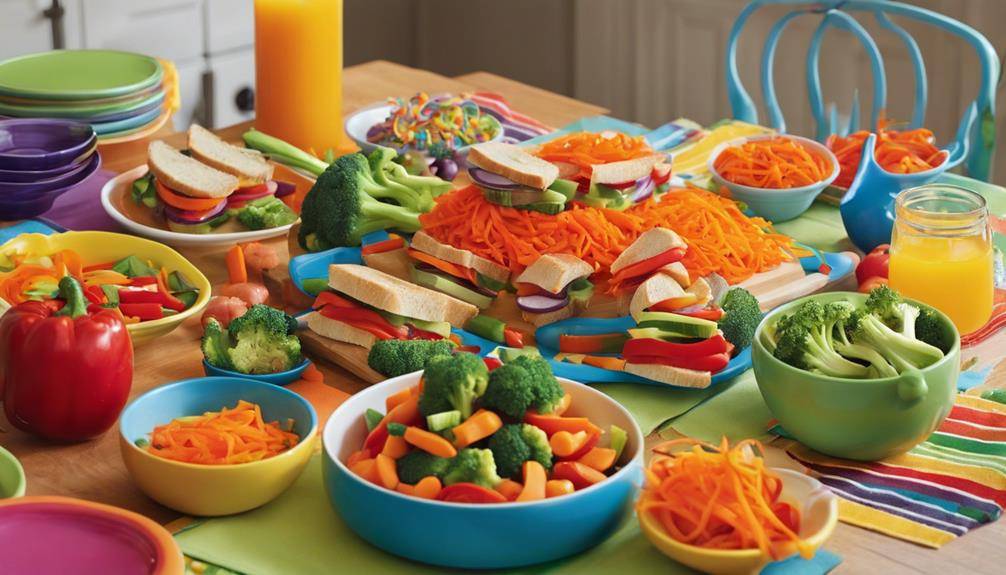
10 Tips For Delicious Kid-Friendly Vegetable Recipes: Transforming vegetables into kid-friendly dishes can be fun and fulfilling! Start by involving your kids in cooking—let them help with age-appropriate tasks. Get creative by using shape cutters and colorful presentations to make meals visually exciting. Incorporate dips and sauces to encourage exploration of flavors. Use familiar seasonings and roasting techniques to boost taste without overwhelming them. You can also sneak in vegetables by blending them into favorite recipes. Keep portions kid-sized to avoid intimidation while gradually introducing new flavors. If you're enthusiastic for more ideas to impress your little ones, there's plenty more to discover!
Get Creative With Shapes
Click Here and Turn Every Masterpiece into a Showstopper!
One fun way to make vegetables more appealing to kids is by getting creative with shapes. Using shape cutters, you can transform ordinary veggies into fun, bite-sized pieces that spark interest. Think stars, hearts, or even animals! These fun shapes can turn a regular meal into an exciting adventure, encouraging your kids to engage with their veggies without hesitation.
You can also use vegetable stamps to create colorful designs. Simply slice vegetables like bell peppers or carrots and use them as stamps to make patterns on plates. This not only makes the meal visually appealing but adds an interactive element that kids love. They'll enjoy experimenting with their food, and you might be surprised at how much they eat when it's fun!
When you practice creative plating, consider arranging veggies in fun designs or characters on the plate. You could create a rainbow with different colored vegetables or make a funny face. Engaging their imaginations can turn a simple dish into a themed meal that your kids will look forward to.
Lastly, don't be afraid to mix and match shapes and colors. A vibrant plate full of varied shapes will catch their eye and encourage them to try new things. By embracing creativity, you're not just serving vegetables; you're creating an experience that makes healthy eating enjoyable for kids. So grab those shape cutters and get started on a veggie adventure!
Incorporate Dips and Sauces
Enhancing kids' vegetable consumption can be as simple as introducing delicious dips and sauces. Kids often love to dip their food, and by offering a variety of dipping sauces, you can make vegetables exciting and appealing. Whether it's creamy ranch, tangy hummus, or zesty salsa, these flavor pairings can transform plain veggies into a delightful snack.
When you think about dips, consider what flavors your kids enjoy. If they like something creamy, a yogurt-based dip can work wonders. For a healthier twist, try mixing Greek yogurt with herbs and spices to create a tasty ranch alternative. If they enjoy a little kick, a spicy avocado dip or guacamole can add a fun twist to carrot sticks or bell pepper slices.
Don't forget about the classic peanut butter or almond butter options, too! Kids can dip apple slices or celery sticks in nut butter for a nutritious, protein-packed snack. You can even make a sweet dip by blending yogurt with honey and cinnamon, perfect for pairing with strawberries or cucumbers.
Experiment with different pairings to discover what your kids like best. Set up a veggie platter with an array of colorful vegetables and a few dipping sauces on the side. This not only encourages them to try new veggies but also makes for a fun and interactive snack time. Remember, the more you engage their taste buds, the more likely they'll embrace those vegetables!
Use Familiar Flavors
When cooking with kids, using their favorite seasonings can make vegetables more appealing. You can also employ familiar cooking techniques, like roasting or sautéing, to create dishes they recognize and love. By sticking to what they already enjoy, you'll encourage them to try new veggie options with less resistance.
Incorporate Favorite Seasonings
Seasonings can transform even the most ordinary vegetables into exciting dishes that kids can't resist. By incorporating their favorite flavors, you'll make veggies more appealing. Start with familiar herb blends, like Italian seasoning or taco seasoning, to enhance the taste. Kids often enjoy the comforting flavors they recognize, so don't hesitate to sprinkle these blends over roasted or sautéed vegetables.
You can also experiment with seasoning swaps. If your child loves ranch dressing, try mixing ranch seasoning into yogurt as a dip for raw veggies. Kids love to dip, and this simple swap can encourage them to munch on carrots, cucumbers, and bell peppers.
Another fun idea is to use garlic powder or onion powder, which can add a punch without being overwhelming. Pair these with olive oil before roasting, and you'll create a delicious side dish that kids will ask for again and again.
Familiar Cooking Techniques
Get kids excited about vegetables by using familiar cooking techniques that highlight their favorite flavors. Start with steaming vegetables, which keeps their vibrant colors and nutrients intact. If they love crispy textures, try roasting techniques with a sprinkle of salt and a drizzle of olive oil. Sautéing methods can also bring out the natural sweetness in veggies—just toss them in a pan with a bit of garlic!
Grilling options are perfect for summer, adding a smoky flavor that kids adore. For a cozy treat, consider baking ideas like veggie muffins or casseroles. Blending smoothies is another fun way to incorporate greens; combine spinach with their favorite fruits for a tasty drink. Stir frying tips can create colorful, quick meals packed with nutrients, while blanching veggies helps maintain their crunch.
Microwaving tricks can save time—steam veggies in the microwave for a quick side dish. Finally, pressure cooking can make tough veggies tender and delicious, allowing you to whip up hearty stews in no time. By using these familiar techniques, you'll make vegetables appealing and enjoyable for your kids!
Make It a Fun Activity
Cooking with kids can transform mealtime into an exciting adventure. When you involve your little ones in the kitchen, you're not just preparing food; you're creating memories and fostering family bonding. Start by setting up a fun cooking environment. Let your kids choose their favorite vegetables and encourage them to explore different colors and textures. This hands-on approach makes the cooking process engaging and helps them develop a positive attitude toward veggies.
Next, turn on some upbeat music to create an energetic atmosphere. Dancing while chopping (safely, of course) or stirring can make the experience even more enjoyable. You could also turn simple tasks into games. For example, have a race to see who can wash their veggies the fastest or challenge them to create a funny veggie character with the ingredients.
You can also incorporate themed cooking nights. Pick a country and prepare a dish inspired by its cuisine. This not only introduces them to new flavors but also sparks curiosity about different cultures. Encourage your kids to help with the presentation, like arranging veggies in fun shapes on the plate. Their creativity will shine through!
Sneak Veggies Into Favorites
Many parents find it challenging to get their kids to eat vegetables, but sneaking them into favorite dishes can be a clever solution. Start by using hidden purees in sauces, soups, or even dips. For example, blend carrots, spinach, or sweet potatoes into marinara sauce or creamy mac and cheese. Your kids won't even notice the extra nutrients, and they'll enjoy their meals just as much.
You can also create delicious veggie smoothies that are both nutritious and appealing. Combine fruits like bananas, berries, or mango with a handful of spinach or kale. The sweetness of the fruit masks the taste of the greens, making it a perfect snack for picky eaters. Add yogurt or a splash of juice to enhance the flavor and texture, and watch your kids sip happily.
Another great idea is to incorporate shredded or finely chopped vegetables into classic dishes. Try adding zucchini or bell peppers to meatloaf or burgers. Grate some carrots into pancakes or waffles for a surprising twist, or toss in some peas while making fried rice. These small adjustments make a big difference in boosting the nutritional value of family favorites.
Experiment With Textures
When cooking for kids, mixing up textures can make veggies more appealing. You can try combining crunchy elements like carrots or bell peppers with creamy dips or sauces to create fun contrasts. Plus, incorporating hidden vegetables into these textures can sneak in extra nutrition without the fuss.
Crunchy Vs. Creamy Options
In the world of kid-friendly vegetable recipes, experimenting with textures can make all the difference. When you introduce a variety of textures to your meals, you'll keep your kids engaged and excited about their veggies. Start by exploring the crunchy benefits of fresh vegetables. Carrots, bell peppers, and cucumbers not only add a satisfying crunch but also provide essential nutrients. Pair them with a tasty dip, like hummus or yogurt-based dressing, to make them even more appealing.
On the other hand, creamy delights can turn veggies into a comforting dish that kids can't resist. Think creamy cauliflower mash or spinach blended into a smooth dip. These preparations often mask the vegetable flavors while providing a rich and satisfying mouthfeel.
Consider mixing both textures in your meals. For instance, try adding crunchy toppings, like toasted nuts or seeds, to creamy soups or casseroles. This combination can create a delightful contrast that your kids will love. By playing with crunchy and creamy options, you'll not only boost the appeal of vegetables but also enhance their nutritional value, making mealtime a fun and healthy experience for everyone.
Incorporating Hidden Vegetables
Sneaking in hidden vegetables can be a game-changer for picky eaters. By experimenting with different textures, you can make these veggies more appealing. One effective method is using blending techniques. For instance, pureeing cooked carrots or spinach into a creamy pasta sauce can add nutrition without altering the taste markedly. Kids won't even notice the extra veggies!
Another strategy is flavor masking. Incorporate vegetables into recipes where their flavors are easily overshadowed by stronger ingredients. For example, finely grated zucchini can blend seamlessly into muffins or pancakes, adding moisture while staying under the radar.
Also, consider roasting vegetables to enhance their natural sweetness and create a crispy texture. You can then chop them finely and mix them into dishes like tacos or casseroles, where they'll become a delicious surprise rather than a dreaded addition.
Don't forget about smoothies! Toss in a handful of spinach or kale along with fruits like bananas or berries. The bright colors and sweet flavors will mask any hint of greens, making it a fun treat for your kids.
Click Here and Turn Every Masterpiece into a Showstopper!
Involve Kids in Cooking
Getting kids involved in cooking can transform mealtime into a fun and educational experience. When you invite your little ones into the kitchen, you create opportunities for them to learn about kitchen safety while developing essential cooking skills. Start by teaching them the basics, like how to handle kitchen tools safely and why washing their hands is vital. This not only keeps them safe but also instills good habits.
Involving kids in meal planning is another great way to engage them. Let them help decide which vegetables to include in your meals. You could create a colorful chart of their favorite veggies and have them pick a few for the week. This way, they feel a sense of ownership over the meals you prepare together.
During the cooking process, assign age-appropriate tasks. Younger kids can wash vegetables or stir ingredients, while older ones can chop or measure. Encourage them to ask questions and share their ideas. This fosters creativity and boosts their confidence in the kitchen.
Make cooking a team effort by setting aside time each week for your cooking sessions. You can turn it into a family tradition, where everyone contributes their thoughts and efforts. Not only will your kids learn valuable skills, but they'll also develop a positive relationship with food. With their hands-on involvement, they're more likely to try new vegetables and enjoy healthy meals. So roll up your sleeves and get cooking together!
Create Colorful Presentations
Making meals visually appealing can truly entice kids to try new vegetables. When you plate a dish, think about how to make it vibrant and fun. Use a variety of colors to catch their attention. For instance, a rainbow salad with red bell peppers, orange carrots, green cucumbers, and purple cabbage not only looks beautiful but also packs in a nutritious punch.
Try incorporating colorful garnishes as finishing touches. A sprinkle of chopped parsley or cilantro can add a pop of green, while a few cherry tomatoes can brighten up the plate. You can even use edible flowers to create a stunning presentation that kids won't be able to resist.
Playful plating is another great way to make meals exciting. Instead of serving vegetables in a traditional way, think outside the box. Arrange food in shapes or designs, like creating a smiley face with sliced cucumbers and cherry tomatoes. You could make a vegetable rainbow by layering veggies in a curved line.
Don't forget the importance of textures! Mixing crunchy veggies with soft ones can make the meal more interesting. You can also serve dips like hummus or yogurt in the center of the plate, encouraging kids to dip their veggies and explore different flavors.
Ultimately, the more fun you make the presentation, the more likely your kids will want to dig in and try those new vegetables. So get creative and let your imagination shine!
Try New Cooking Methods
Experimenting with various cooking methods can transform how kids perceive vegetables and encourage them to try new flavors. When you introduce new techniques, you'll discover that certain methods can make veggies more appealing. For example, steaming benefits vegetables by retaining their nutrients and vibrant colors. Steamed broccoli or carrots can be tender yet still crunchy, creating a delightful texture that kids enjoy.
Roasting techniques are another fantastic way to enhance the flavor of vegetables. Roasting brings out natural sweetness and creates a crispy exterior that kids find irresistible. Tossing veggies like sweet potatoes, bell peppers, or zucchini in a bit of olive oil, salt, and pepper before roasting can elevate their taste dramatically. The caramelization process during roasting adds a depth of flavor that often wins over even the pickiest eaters.
Don't hesitate to mix things up! You can try grilling vegetables on skewers for a fun, hands-on meal, or even sautéing them with a splash of soy sauce or garlic for added zing. Each cooking method can bring out different flavors and textures, so encourage your kids to help out in the kitchen. Let them pick their favorite veggies and join you in trying out these techniques. This not only makes them more invested in the meal but also helps them develop a healthier relationship with vegetables. By keeping things interesting in the kitchen, you'll likely find new favorites that your kids can't resist!
Keep Portions Kid-Sized
Portion control plays an essential role in encouraging kids to enjoy vegetables without feeling overwhelmed. When you serve vegetables in kid-sized portions, you help create a positive experience that aligns with their preferences. Large servings can intimidate young eaters, making them less likely to try what's on their plate. Instead, focus on smaller portion sizes to encourage them to taste and explore.
Start by offering a variety of colorful vegetables cut into bite-sized pieces. This not only makes the veggies visually appealing but also allows kids to sample different flavors without feeling pressured. You might find that they enjoy crunchy carrot sticks or sweet bell pepper strips more than they thought! Remember, it's all about experimenting within their comfort zone.
Consider creating a vegetable platter with a mix of their favorites and a few new options. This approach invites kids to choose what they want to try, giving them a sense of control. You can also involve them in the process—let them help with washing, chopping, or arranging the veggies. When kids have a hand in preparing their food, they're more likely to be excited about eating it.
Lastly, don't hesitate to adjust portion sizes based on their reactions. If they finish their veggies quickly, you can gradually increase the amount over time. By keeping portions kid-sized and respecting their preferences, you'll help foster a love for vegetables that lasts a lifetime.
Click Here and Turn Every Masterpiece into a Showstopper!
Frequently Asked Questions: 10 Tips For Delicious Kid-Friendly Vegetable Recipes
What Are Some Age-Appropriate Cooking Tasks for Kids?
When considering age-appropriate cooking tasks for kids, you can start with basic chopping techniques for older children and simple mixing skills for younger ones. These tasks boost confidence and develop essential kitchen abilities.
How Can I Store Leftover Vegetable Dishes?
To store leftover vegetable dishes, use airtight containers for the best storage methods. Refrigerate within two hours, and when you're ready to enjoy them again, follow reheating tips like microwaving or baking for even warmth.
Are There Allergy-Friendly Vegetable Options?
Yes, there are allergy-friendly vegetable options! You can use allergy substitutions like quinoa or rice instead of grains. Always check for vegetable safety by reading labels to avoid allergens, ensuring your meals are safe and enjoyable.
What Are Some Good Vegetable Sources of Protein?
You'll find excellent vegetable sources of protein in lentil varieties and beans. Lentils pack a punch with fiber and nutrients, while beans offer numerous benefits, boosting your meals with flavor and essential protein. Enjoy experimenting!
How Can I Encourage Picky Eaters to Try New Veggies?
To encourage picky eaters to try new veggies, set up fun taste testing sessions and create creative presentations. Make it interactive by letting them choose toppings or dips, turning veggies into exciting discoveries they'll enjoy.

Conclusion
With these tips, you can transform vegetables into delicious, kid-friendly dishes that your little ones will love. By getting creative with shapes, incorporating dips, and involving them in the cooking process, you'll make veggies more appealing. Remember to keep portions kid-sized and experiment with new cooking methods for added fun. So, roll up your sleeves, and enjoy the journey of making healthy eating an exciting adventure for your kids! Happy cooking!