What Are Your Healthiest Sushi Rolling Choices
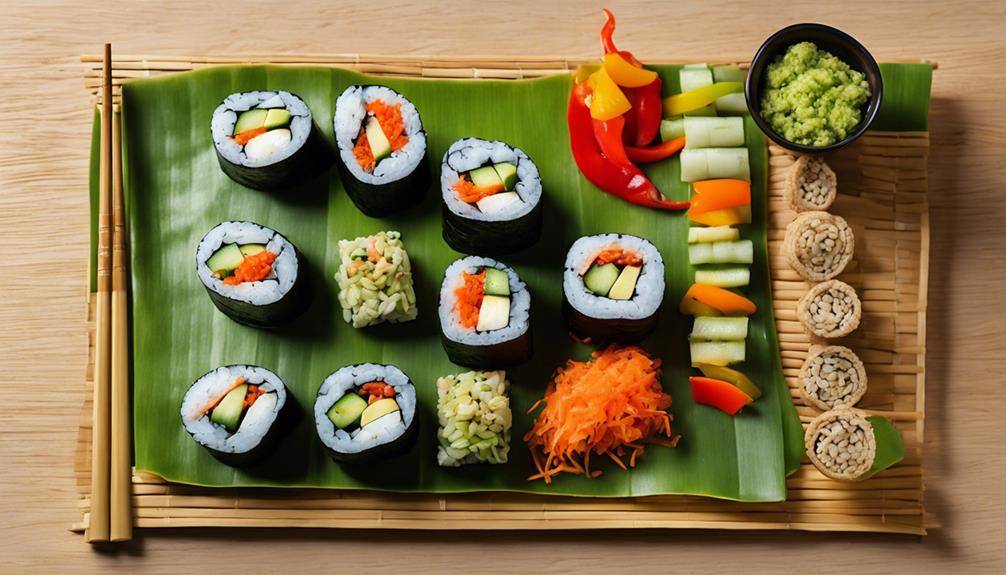
What Are Your Healthiest Sushi Rolling Choices: When you're choosing the healthiest sushi rolls, focus on fresh ingredients. Opt for lean fish like salmon or mackerel, packed with omega-3 fatty acids, or go for vegetable rolls filled with crunchy cucumber and creamy avocado. Steer clear of fried options and heavy sauces to keep the calories low. Instead, consider using brown rice for added fiber or trying sashimi for a protein boost without the carbs. Don't forget to include some seaweed for its vitamins and minerals. You'll find plenty of tasty, nutritious choices that satisfy your sushi cravings while keeping your health in check. More delicious options await!
Best Types of Fish
Click Here and Turn Every Masterpiece into a Showstopper!
When it comes to crafting a healthy sushi roll, the choice of fish plays a crucial role in both flavor and nutrition. Selecting the right type of fish can enhance your sushi experience while also providing significant health benefits. To make the best choices, consider incorporating sustainable seafood options like salmon, tuna, and mackerel. Not only do these fish offer rich flavors, but they're also packed with omega-3 fatty acids.
Salmon is a popular choice for sushi rolls, and for good reason. It's not only delicious, but it's also loaded with omega-3 benefits that support heart health and brain function. When choosing salmon, look for wild-caught varieties to guarantee you're opting for sustainable seafood. Tuna, particularly bluefin, is another great option, though it's important to choose responsibly sourced fish to minimize environmental impact.
Mackerel, often overlooked, is a powerhouse of nutrition; it's high in omega-3s and tastes fantastic in sushi. Plus, it's usually more sustainable than other fish options. You might also consider incorporating white fish like halibut or sole; they're lower in fat but still deliver essential nutrients.
Nutrient-Packed Vegetable Rolls
When you're looking for a healthy sushi option, nutrient-packed vegetable rolls are a fantastic choice. They offer a range of benefits, from boosting your vitamin intake to providing satisfying flavors. Plus, experimenting with popular ingredients and creative rolling techniques can make your sushi experience even more enjoyable.
Benefits of Vegetable Rolls
Packed with vibrant flavors and essential nutrients, vegetable rolls stand out as one of the healthiest sushi options available. They offer impressive veggie benefits that can enhance your overall well-being. When you choose these rolls, you're not just indulging in deliciousness; you're also fueling your body with vitamins, minerals, and antioxidants.
The ingredient diversity found in vegetable rolls allows you to enjoy a variety of textures and tastes. From crunchy cucumbers to creamy avocado, each bite provides a unique experience. This variety not only keeps your meals interesting but also guarantees a broader spectrum of nutrients. Plus, the high fiber content in veggies aids digestion and helps you feel full longer, making it easier to maintain a balanced diet.
Incorporating vegetable rolls into your meals can also promote heart health. Many vegetables are low in calories and high in potassium, which helps manage blood pressure. So, when you're craving sushi, opting for vegetable rolls is a smart choice. Embrace the flavors and health benefits of these nutrient-packed options, and enjoy a satisfying meal that supports your wellness goals.
Popular Vegetable Ingredients
Incorporating a variety of vibrant vegetables not only enhances the flavor of your sushi rolls but also boosts their nutritional profile. When you choose seasonal vegetables, you're not just ensuring freshness; you're also maximizing the nutrients your rolls can offer. Think of ingredients like cucumber, avocado, and bell peppers, which add crunch and creaminess.
You can also explore regional specialties that reflect local flavors. For example, in Japan, you might find shiso leaves or pickled daikon, both of which add unique tastes and health benefits to your rolls. Other popular choices include carrots, radishes, and sweet potatoes, which can be used both raw and cooked for versatility.
Don't forget about leafy greens like spinach or kale. They're rich in vitamins and can be easily rolled into your sushi. Experimenting with these vegetables not only diversifies your sushi experience but also makes your meals colorful and nutritious. So, when you're planning your next sushi night, consider incorporating a mix of seasonal vegetables and regional specialties to create the healthiest, most flavorful rolls possible. Enjoy the process and let your creativity shine!
Creative Rolling Techniques
Exploring various vegetable ingredients can elevate your sushi experience, but mastering creative rolling techniques takes it to the next level. When you embrace sushi artistry, you can transform simple vegetable rolls into vibrant, nutrient-packed creations. Start by choosing a variety of colorful vegetables, like avocado, cucumber, and bell peppers, which not only look appealing but also pack a health punch.
To enhance your rolling techniques, try using a bamboo mat for a firm grip. Lay your nori sheet shiny side down, and spread a thin layer of sushi rice, leaving space at the edges. As you add your vegetables, consider mixing textures—crunchy carrots with creamy avocado, for instance.
Once you've layered your ingredients, it's time to roll. Gently but firmly lift the mat, rolling it away from you while tucking in the filling snugly. Keep your hands wet to prevent sticking and guarantee a clean roll.
Finish by slicing your roll into bite-sized pieces with a sharp knife. With these creative rolling techniques, you'll not only enjoy delicious sushi but also showcase your culinary skill, impressing family and friends alike!
Brown Rice Vs. White Rice
When choosing between brown rice and white rice for your sushi, you should consider their nutritional value and how each affects the overall flavor and texture. Brown rice offers more fiber and nutrients, while white rice has a softer texture and milder taste. Which one fits your taste and health goals better?
Nutritional Value Comparison
Sushi lovers often face an essential choice between brown rice and white rice, especially when considering health benefits. Both options have their merits, but understanding their nutritional value can help you make a healthier decision.
Brown rice generally offers more fiber compared to white rice, which can aid digestion and help you feel full longer. This higher fiber content contributes to its lower calorie density, making it a better choice if you're watching your weight. When you look at the sushi calorie comparison, brown rice often has fewer calories per serving than its white counterpart due to the absence of added sugars and the presence of whole grains.
On the other hand, white rice is often enriched with essential nutrients like iron and B vitamins, making it a quick source of energy. However, it lacks the fiber found in brown rice, which means it can lead to quicker spikes in blood sugar levels.
Flavor and Texture Differences
Choosing between brown rice and white rice for your sushi not only impacts your health but also affects the overall eating experience. Brown rice brings a nuttier flavor and a chewier texture, which can create a delightful texture contrast with the tender fish and fresh vegetables. This earthy taste can enhance the umami balance, allowing the natural flavors of your ingredients to shine through.
On the other hand, white rice is milder, offering a more delicate flavor that lets the sushi fillings take center stage. Its sticky texture makes it easier to roll and shape, providing a familiar sushi experience that many enjoy. If you prefer a more traditional sushi flavor, white rice might be your go-to choice.
Ultimately, the decision comes down to personal preference. If you're looking for a heartier bite and added nutritional benefits, brown rice is the way to go. But if you want a classic sushi experience with a lighter touch, white rice fits the bill. Whichever you choose, both options can create a satisfying sushi experience that caters to your taste buds.
Low-Calorie Sushi Options
While enjoying a night out at your favorite sushi restaurant, you might be surprised to find that some rolls are healthier than others. If you're calorie counting, it's crucial to choose wisely. Low-calorie sushi options are plentiful, so you won't have to sacrifice flavor for health.
Start by opting for sashimi instead of rolls. Sashimi consists of fresh fish without the added rice, making it a protein-packed, low-calorie choice. If you prefer rolls, look for those filled with vegetables, like cucumber or avocado. These sushi alternatives are not only lighter but also offer a revitalizing crunch.
Another excellent option is nigiri, which features a slice of fish on a small bed of rice. It tends to have fewer calories than many rolls, especially if you skip the sauces. You can also consider sushi rolls that use brown rice, as it adds a bit more fiber and nutrients without greatly increasing the calorie count.
When browsing the menu, keep an eye out for rolls labeled as 'light' or 'healthy.' They often contain lean proteins like tuna or shrimp, and they might be accompanied by an array of vegetables. Avoid tempura rolls or those with cream cheese, as these can quickly elevate the calorie count.
Ultimately, with a bit of knowledge and mindful choices, you can enjoy your sushi night while keeping your calorie intake in check. Embrace the variety of low-calorie sushi options available, and savor every bite!
Healthy Sauces and Condiments
When you're looking to enhance your sushi experience, the right sauces and condiments can make all the difference. Instead of reaching for traditional sauces that might be high in sodium or sugar, consider healthier alternatives that still pack a flavorful punch. One excellent choice is low sodium soy sauce. It gives you that savory umami taste without overwhelming your dish with excess salt. You can dip your rolls or drizzle it over your sushi for added flavor without the health concerns.
Another condiment you might enjoy is spicy mayo. While it can be a little indulgent, you can make a healthier version at home by mixing a light mayo with sriracha or another hot sauce. This way, you control the ingredients and the spice level, making it a great addition to your sushi rolls without the guilt. Just remember to use it sparingly, as a little goes a long way in flavor.
If you're feeling adventurous, try adding a splash of rice vinegar or a sprinkle of sesame seeds for extra taste and texture. These options not only enhance flavor but also bring added health benefits to your meal.
Ultimately, the right sauces and condiments can elevate your sushi while keeping it healthy. By opting for low sodium soy and a homemade spicy mayo, you can indulge your taste buds without compromising your health goals. Enjoy your sushi with these smart choices!
Avoiding Fried and Creamy Fillings
Many sushi lovers find themselves drawn to fried and creamy fillings, but these options can quickly turn a healthy meal into an indulgent treat. Fried ingredients, like tempura, add unnecessary calories and unhealthy fats. When you choose sushi, aim for vibrant flavors that don't rely on frying or heavy sauces.
Instead of tempura, look for fresh, raw, or steamed fillings. Ingredients like avocado, cucumber, and fresh fish not only maintain a light profile but also provide essential nutrients. You can also explore sushi rolls that feature pickled vegetables or spicy tuna without the added crunch of fried elements.
If you're craving that creamy kick, skip the spicy mayo that often accompanies popular rolls. This condiment can pack a caloric punch. Instead, consider spicy mayo alternatives made from lighter ingredients like Greek yogurt or avocado-based spreads. These options still give you that creamy texture without the guilt.
Don't forget to ask your sushi chef about their recommendations for healthier rolls. They often have insights into the menu that you might not consider. By making these simple adjustments, you can enjoy sushi that's both satisfying and health-conscious. Focus on fresh ingredients and avoid the temptation of fried and creamy fillings, and you'll guarantee your sushi meal remains a nutritious choice.
Click Here and Turn Every Masterpiece into a Showstopper!
The Benefits of Seaweed
Seaweed frequently gets overlooked as a superfood, but its health benefits are impressive. When you incorporate different seaweed varieties into your sushi, you're not just enhancing flavor; you're also boosting your nutritional intake. Seaweed is packed with vitamins and minerals, including iodine, calcium, and iron, which are essential for maintaining overall health.
One of the standout health benefits of seaweed is its high fiber content. This can aid digestion and help you feel fuller for longer, making it easier to maintain a healthy weight. Plus, seaweed varieties like nori and wakame are low in calories, so you can enjoy them without worrying about added calories in your meals.
Seaweed also contains antioxidants that combat oxidative stress in your body, potentially reducing the risk of chronic diseases. The presence of omega-3 fatty acids in certain seaweed types can support heart health, making it a great addition to your diet. You'll find that these health benefits can contribute to improved energy levels and overall well-being.
Incorporating seaweed into your sushi rolls is a simple way to enjoy these benefits. Whether you choose traditional nori or experiment with other seaweed varieties, you're enhancing not just the taste but also the nutritional profile of your meal. So next time you roll your sushi, remember the powerful health benefits that seaweed brings to the table. Your body will thank you!
Portion Control in Sushi
Sushi can be a delightful treat, but portion control is vital for maintaining a balanced diet. When you indulge in sushi, it's easy to overdo it, especially when faced with tempting rolls and endless options. Understanding sushi serving sizes is important to guarantee you enjoy your meal without going overboard.
Start by being mindful of how many pieces you consume. A standard sushi roll typically contains about six to eight pieces, and it's wise to stick to one or two rolls per meal. This way, you can appreciate the flavors without piling on excess calories. If you're ordering a variety of rolls, consider splitting them with friends or family to help regulate portion sizes while trying different flavors.
Incorporating mindful eating practices can also help you manage your sushi portions. Pay attention to your hunger cues and eat slowly, savoring each bite. This approach allows you to enjoy the textures and tastes more fully, making it less likely you'll overeat. Additionally, complement your sushi with a side of miso soup or a salad to create a more balanced meal and fill you up without excessive calories.
Sushi Alternatives to Consider
If you're looking to mix up your meal choices, there are plenty of delicious sushi alternatives that can satisfy your cravings without the traditional rolls. One great option is sushi wraps, which can be made with various ingredients and flavors. Instead of rice and seaweed, you could use lettuce leaves or rice paper to wrap your favorite fillings, creating a fresh and crunchy experience.
For those seeking plant-based options, consider a veggie-packed sushi wrap filled with avocado, cucumber, carrots, and bell peppers. You can add a drizzle of soy sauce or a spicy mayo for extra flavor. These wraps not only provide a satisfying crunch but also pack in vitamins and minerals that your body will love.
Another tasty alternative is poke bowls. This Hawaiian-inspired dish allows you to mix your choice of protein, such as tofu or shrimp, with a variety of vegetables, fruits, and rice or quinoa. You can customize it to your liking, making it a perfect choice for a healthy, filling meal.
If you're in the mood for something warm, try sushi-inspired grain bowls. Combine brown rice or quinoa with edamame, seaweed, and your choice of protein, then top it with a sesame dressing. These bowls are hearty and nutritious, offering the comfort of sushi flavors without the traditional format.
Making Sushi at Home
Creating delicious sushi at home can be a fun and rewarding experience. With just a few sushi preparation tips, you can impress your friends and family while enjoying a healthier dining option. Start by gathering your ingredients: sushi rice, nori sheets, fresh vegetables, and your choice of protein, like sushi-grade fish or tofu. Don't forget the essential tools, including a bamboo mat for rolling and a sharp knife for cutting.
Begin by cooking the sushi rice according to the package instructions, and let it cool to room temperature. Once ready, lay a nori sheet on your bamboo mat, and spread an even layer of rice, leaving a small border at the top. Place your desired fillings in the center, and gently roll it up, applying pressure as you go. Slice your sushi rolls with a sharp knife, wiping it clean between cuts for neat pieces.
Now that you've mastered the basics, consider some sushi serving ideas. Arrange your sushi rolls on a platter, and garnish with pickled ginger, wasabi, and soy sauce for dipping. You can also add a side of edamame or a light salad to create a balanced meal. For a fun twist, try making sushi burritos or sushi cones, which are easier to handle and pack a punch of flavor. Making sushi at home not only allows you to control the ingredients but also lets you release your creativity in the kitchen.
Click Here and Turn Every Masterpiece into a Showstopper!
Frequently Asked Questions: What Are Your Healthiest Sushi Rolling Choices
Are There Gluten-Free Sushi Options Available?
Yes, there are gluten-free sushi options available! You can choose sushi made with gluten-free ingredients like brown rice, fresh fish, and vegetables. Look for alternatives like rice paper wraps to enjoy delicious, safe sushi rolls.
How Can I Make Sushi More Environmentally Friendly?
To make sushi more environmentally friendly, choose sustainable ingredients like wild-caught fish and organic vegetables. Also, opt for eco-friendly packaging to reduce waste. You'll enjoy delicious sushi while protecting the planet.
What Are the Best Sushi Choices for Children?
When making sushi for kids, focus on child-friendly ingredients like cucumber, avocado, and cooked shrimp. Get creative with colors and shapes—sushi making's fun, and it'll encourage your child to enjoy healthy eating habits!
Can Sushi Be Part of a Weight Loss Diet?
Yes, sushi can fit into a weight loss diet. By practicing portion control and opting for low-calorie fillings like vegetables and lean proteins, you can enjoy sushi while managing your calorie intake effectively.
Are There Any Sushi-Related Food Safety Tips?
When making sushi, always prioritize ingredient safety. Keep raw fish chilled at 32°F to 39°F, and use fresh veggies. For sushi storage tips, wrap tightly and consume within 24 hours to guarantee ideal freshness.

Conclusion
When you choose sushi, keep these healthy options in mind. Opt for nutrient-packed fish like salmon or tuna, load up on vegetable rolls, and consider brown rice for added fiber. Be mindful of sauces and portion sizes to keep your meal lighter. If you're feeling adventurous, try making sushi at home or explore alternatives like sashimi. With a little thought, you can enjoy delicious sushi while staying on track with your health goals!