What Are Traditional Italian Holiday Recipes
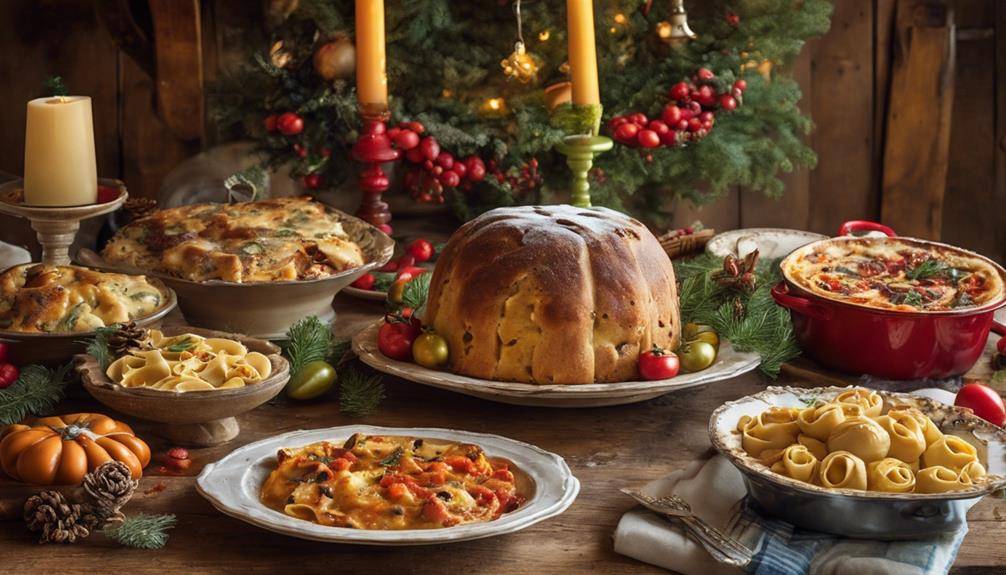
What Are Traditional Italian Holiday Recipes: Traditional Italian holiday recipes are a celebration of flavors and family togetherness. You'll find iconic dishes like Panettone, a sweet bread studded with candied fruits, and the Feast of Seven Fishes on Christmas Eve, showcasing various seafood dishes. Festive Lasagna variations and honey-soaked Struffoli add to the joy of the table. Hearty Tuscan soups and delicate cookies like almond biscotti provide warmth and comfort during gatherings. Each dish reflects regional heritage and culinary traditions, making meals a true family affair. If you keep going, you'll uncover even more delicious Italian recipes that can enrich your holiday celebrations.
Click Here and Turn Every Masterpiece into a Showstopper!
Christmas Feast Traditions
During Christmas in Italy, families gather around a beautifully set table, where the air is filled with the delicious aromas of traditional dishes. You'll find festive gatherings buzzing with laughter and love, as family traditions take center stage. Seasonal ingredients shine in every dish, showcasing the best of what the region has to offer.
As you participate in communal cooking, you'll feel the warmth of shared recipes passed down through generations. From savory pastas to rich stews, each meal tells a story influenced by Italy's diverse cultural landscape. After cooking, you can enjoy holiday beverages, like vin brulé, a spiced mulled wine that warms your soul.
While you savor these festive feasts, the atmosphere is enhanced by celebration music, filling the air with joyful melodies. Festive decorations, such as twinkling lights and colorful ornaments, create a magical backdrop for your gathering.
You might also venture out to Christmas markets, where the spirit of gift-giving comes alive. These markets are filled with handmade crafts and artisanal treats, making them a perfect spot to find unique presents for loved ones.
As the evening unfolds, you'll remember that Christmas in Italy isn't just about the food; it's about the connections made and cherished moments shared. Each bite reflects not only the flavors of the season but also the love and joy that come from celebrating together.
Classic Italian Panettone
As the festive season approaches, one dessert stands out on Italian tables: the classic panettone. With its origins tracing back to Milan, panettone boasts a rich history intertwined with Italian culture. This fluffy bread is renowned for its festive flavors, often featuring candied fruits, raisins, and even chocolate in modern variations.
The cultural significance of panettone extends beyond mere taste; it's a symbol of togetherness during the holidays. Families pass down baking techniques through generations, ensuring that every loaf captures the essence of family traditions. While traditional recipes are beloved, ingredient variations allow for personal touches, making each panettone unique.
You'll find regional specialties that reflect local tastes, from the citrusy notes of Sicilian panettone to the nutty flavors of a Tuscan version. When serving panettone, consider traditional pairings like sweet wines or a robust espresso—these enhance the overall experience.
In the spirit of giving, panettone makes for delightful homemade gifts. Wrap it in festive packaging to share the joy of the season with friends and family. Whether enjoyed at the dinner table or gifted, this airy delicacy brings warmth and joy to every occasion. As you embrace the holiday spirit, don't forget to savor a slice of panettone, celebrating its rich heritage and the memories it creates during the most wonderful time of the year.
Festive Lasagna Variations
Lasagna embodies comfort and warmth, making it a beloved dish for festive gatherings. When you think of holiday meals, lasagna often comes to mind, and for good reason. Its rich layers of pasta, sauce, and cheese create a satisfying experience, but the beauty lies in the variations you can create.
To make your festive lasagna stand out, consider experimenting with unique lasagna fillings. Instead of the traditional meat and ricotta, why not try spinach and feta for a lighter touch? You could also layer in roasted vegetables like zucchini and bell peppers, or even a blend of mushrooms for an earthy flavor. Each filling brings a new dimension to the dish, ensuring it's a hit at your holiday table.
Now, let's not forget about the festive toppings. A sprinkle of freshly grated Parmesan or a drizzle of balsamic glaze can elevate your lasagna to new heights. You might even add a layer of béchamel sauce for a creamy, luxurious finish that guests won't soon forget. For a touch of color, consider using herbs like fresh basil or parsley to garnish before serving.
No matter which variations you choose, you'll create a stunning centerpiece that captures the spirit of the season. With these festive lasagna variations, you're sure to impress your family and friends, making your holiday meal even more memorable.
Traditional Italian Feast of Seven Fishes
Have you ever wondered why the Feast of Seven Fishes holds such a special place in Italian holiday traditions? This beloved feast, traditionally celebrated on Christmas Eve, has deep roots in Italian culture and religious customs. Its origins trace back to the Catholic practice of abstaining from meat before major feast days, leading families to create a lavish seafood meal that showcases their culinary skills.
The number seven is significant, often interpreted as symbolizing perfection and completeness, reflecting the seven sacraments or the seven days of creation. You'll find that each fish dish carries its own symbolic meaning, representing abundance, prosperity, and the hope for a fruitful new year. Families gather around the table, sharing not just food but stories and memories, strengthening their bonds.
As you prepare for this festive occasion, you might consider a variety of seafood options, ranging from fried calamari to baked fish or rich seafood pasta. The feast can include up to seven different types of fish, each prepared in different styles, ensuring a diverse and flavorful experience.
Participating in the Feast of Seven Fishes isn't just about the food; it's about honoring tradition and enjoying time with loved ones. So, as you embark on this culinary adventure, remember you're partaking in a ritual that celebrates heritage and fosters togetherness during the holiday season.
Sweet Struffoli for Celebrations
Sweet struffoli are a delightful centerpiece of Italian holiday celebrations, especially during Christmas and New Year's. These little honey-soaked dough balls have deep struffoli origins, tracing back to Naples, where they were traditionally prepared for festive occasions. As you gather with family and friends, struffoli become a symbol of joy, bonding people over their delicious taste and unique presentation.
To make struffoli, you start by mixing flour, eggs, sugar, and butter to create a simple dough. Once rolled into tiny balls, you fry them until golden brown. The magic happens when you drizzle these crispy morsels with warm honey, coating them in a sweet, sticky glaze. But the fun doesn't stop there! You can get creative with festive toppings. Colorful sprinkles, candied fruit, and even nuts add a delightful crunch and a pop of color, making your struffoli visually stunning.
As you serve struffoli, you'll find they're often arranged in a tower, creating an eye-catching centerpiece that captures everyone's attention. Each bite is a perfect blend of textures: the crisp exterior gives way to a soft, honey-infused interior, making it impossible to resist. Whether you're sharing them with loved ones or enjoying them solo, struffoli truly embody the spirit of Italian holiday celebrations. So, this season, embrace the tradition and whip up a batch of sweet struffoli to make your gatherings even more special!
Easter Colomba Cake
Every Easter, families across Italy enthusiastically prepare the traditional Colomba cake, a symbol of renewal and celebration. This delightful dessert resembles a dove, representing peace and hope, which aligns perfectly with the Easter traditions that focus on rebirth. You'll find that the Colomba cake is rich, soft, and often flavored with candied orange peel and almonds, making it a favorite among many.
As you explore the world of Colomba variations, you'll discover that each region in Italy adds its unique twist. Some bakers incorporate chocolate, while others might include different fruits or even a layer of creamy filling. If you're feeling adventurous, you can try making a version with pistachios or hazelnuts, bringing a new dimension to this classic treat.
To truly embrace the spirit of Easter, you can also personalize your Colomba by decorating it with colorful sprinkles or a light glaze. Sharing this cake with family and friends not only enhances your gatherings but also keeps the tradition alive.
Whether you're enjoying a slice with your morning coffee or serving it as dessert after a festive meal, the Colomba cake is more than just a dessert. It's a way to connect with your heritage and participate in cherished Easter traditions. So, as you prepare for the holiday, make sure to include this beautiful cake in your celebrations.
Homemade Ravioli Recipes
After enjoying a festive Easter filled with delicious Colomba cake, it's time to shift gears and explore the art of making homemade ravioli. This classic Italian dish not only warms the heart but also showcases your culinary skills. You'll find that crafting your own stuffed ravioli is a rewarding experience, and it allows you to customize fillings to suit your taste.
Start by making the pasta dough. Combine flour and eggs until you achieve a smooth consistency. Let it rest for about 30 minutes before rolling it out to your desired thickness. For the filling, you can choose from a variety of options, such as ricotta mixed with spinach, or a savory meat mixture. The key is to guarantee your filling isn't too wet, as this could make sealing your ravioli tricky.
Once you've rolled out your dough, cut it into squares or circles, depending on your style preference. Place a spoonful of filling in the center of each piece, then fold and seal the edges firmly. A little bit of water can help create a secure seal.
While your ravioli cook in boiling salted water, whip up some homemade sauces to elevate the dish. A simple marinara or a sage-butter sauce complements the flavors beautifully. Drizzle your sauce over the freshly cooked stuffed ravioli, and you've got a delightful meal that's perfect for any holiday gathering. Enjoy every bite of your handmade creation!
Click Here and Turn Every Masterpiece into a Showstopper!
Rich Italian Risotto Dishes
Risotto, with its creamy texture and rich flavors, is a staple in Italian cuisine that can elevate any meal. When you think about preparing a comforting dish, risotto variations are endless, allowing you to experiment with different ingredients and techniques. Whether it's a classic Risotto alla Milanese infused with saffron or a vibrant spring risotto bursting with asparagus and peas, each dish brings a unique taste that highlights seasonal ingredients.
Creating the perfect risotto involves a simple technique: start by sautéing onions in butter or olive oil, then add Arborio rice, toasting it briefly before slowly incorporating warm broth. This method releases the rice's starch, resulting in that signature creaminess you crave. Don't be afraid to get creative! For a fall-inspired delight, you might include roasted butternut squash and sage, or for a seafood twist, mix in fresh shrimp and lemon zest.
The beauty of risotto lies in its adaptability to whatever seasonal ingredients you have on hand. In winter, you can use earthy mushrooms or hearty root vegetables, while summer invites fresh tomatoes and basil. Each variation allows you to showcase what's in season, making your dish not only delicious but also a celebration of the current harvest.
Savory Italian Antipasto Platters
When it comes to Italian dining, nothing sets the stage quite like a beautifully arranged antipasto platter. This vibrant assortment of flavors and textures serves as a delightful appetizer, inviting your guests to indulge before the main course. You can customize your antipasto ingredients based on seasonal availability or personal preferences, making each platter unique.
Start with a base of cured meats, such as prosciutto, salami, or coppa. These rich flavors pair wonderfully with a variety of cheeses, from sharp Parmigiano-Reggiano to creamy mozzarella. Add marinated vegetables like artichokes, roasted peppers, or olives to provide a burst of acidity that balances the richness of the meats and cheeses.
Don't forget to include some bread! Crusty Italian bread or breadsticks can complement the platter perfectly. You might also consider adding some dips or spreads, like a zesty pesto or tangy tapenade, for an extra layer of flavor.
When it comes to serving styles, you can arrange your antipasto ingredients artfully on a large wooden board or in individual serving dishes. This not only makes for an eye-catching display but also encourages guests to mingle and try different combinations.
As you gather around the table, your antipasto platter will set a warm, inviting tone for your Italian holiday meal. So go ahead, get creative, and enjoy the process of building this delicious and savory starter!
Traditional Zampone and Cotechino
When you think of traditional Italian holiday meals, Zampone and Cotechino often come to mind. These delicious sausages are prepared using unique techniques and vary by region, showcasing local traditions. Pairing them with classic sides enhances their rich flavors, making your holiday feast truly special.
Preparation Techniques and Methods
One of the joys of preparing traditional Zampone and Cotechino lies in the meticulous techniques that bring these beloved Italian dishes to life. To start, you'll want to focus on ingredient sourcing. Choose high-quality pork, as the flavor and texture of your final dish depend heavily on the meat. Look for fresh cuts, including the shank and belly, and don't forget the spices—nutmeg, black pepper, and sometimes even a hint of garlic.
Once you've gathered your ingredients, the cooking techniques come into play. Begin by finely grinding the meat and mixing it with your chosen seasonings. The next step involves stuffing the mixture into natural casings for Zampone or the pork skin for Cotechino, guaranteeing they're tightly packed to avoid air pockets.
Next, you'll need to simmer the sausages gently in water for several hours. This slow cooking process allows the flavors to meld beautifully while keeping the meat tender. Finally, let them rest before slicing. The combination of careful sourcing and precise cooking techniques guarantees that your Zampone and Cotechino will be a comforting centerpiece at your holiday table.
Regional Variations and Traditions
Traditionally, Zampone and Cotechino vary considerably across Italy, reflecting the unique culinary heritage of each region. In Emilia-Romagna, for instance, you'll find Zampone made with a blend of pork and spices stuffed into a pig's trotter, often served during New Year's celebrations as a symbol of prosperity. Meanwhile, in Modena, Cotechino takes center stage, featuring a coarser texture and a different seasoning profile, making it a regional specialty.
As you travel through Italy, you'll notice how festive customs influence the preparation and presentation of these dishes. In some areas, families gather to craft Zampone together, turning the experience into a cherished tradition. In others, Cotechino is typically paired with lentils, believed to bring good fortune in the coming year.
No matter where you are, these dishes embody the warmth of Italian holiday gatherings. Each region puts its own twist on the recipes, making every bite a celebration of local flavors and customs. So, when you savor Zampone or Cotechino, you're not just tasting food; you're experiencing a slice of Italian culture.
Pairing With Traditional Sides
Zampone and Cotechino shine even brighter when paired with traditional sides that enhance their rich flavors. These savory sausages, often enjoyed during the holidays, deserve accompaniments that elevate your dining experience. Start with some festive sides like creamy mashed potatoes or lentils, which are not only traditional but also symbolize prosperity in the coming year.
You might also consider roasted root vegetables, which bring a sweet contrast to the savory meat. For a lighter touch, a fresh salad with citrus dressing can balance the richness of the sausages.
Don't forget about antipasto pairings! A platter of marinated olives, artichokes, and cheeses can set the stage for your meal, offering a delightful start to your festive gathering.
To wrap up your feast, think about serving a hearty polenta or a warm bread to soak up the delicious juices. Each side not only complements Zampone and Cotechino but also contributes to the warmth and joy of your holiday celebration. By thoughtfully selecting these traditional sides, you'll create a memorable meal that honors Italian culinary heritage.
Delicate Italian Cookies
Delicate Italian cookies, or "biscotti," enchant your taste buds with their crisp textures and delightful flavors. These treats are a staple during the holiday season, often enjoyed with a steaming cup of coffee or tea. When you think of biscotti, you might envision the classic almond cantucci, a traditional Tuscan cookie that's twice-baked to achieve its signature crunch. The nutty flavor of almonds pairs perfectly with a hint of sweetness, making it irresistible.
But don't stop there! You should also try coconut biscotti, which brings a tropical twist to your holiday spread. The addition of shredded coconut gives these cookies a chewy texture and a subtle flavor that complements the crispness beautifully. Imagine savoring a piece of coconut biscotti as you delight in the holiday festivities; it adds a unique flair to your dessert table.
When you prepare these cookies, you'll appreciate how simple yet rewarding the process is. Start with a basic dough, and then mix in your favorite ingredients, whether it's almonds, coconut, or even chocolate chips. After shaping the dough into logs and baking them, slice them into individual pieces and bake again for that unforgettable crunch.
These delicate cookies not only satisfy your sweet tooth but also create a warm, inviting atmosphere during family gatherings. So, whether you stick with traditional almond cantucci or explore the delightful world of coconut biscotti, you're sure to impress your guests and create lasting memories.
Hearty Tuscan Soup Recipes
Warm up your winter nights with a bowl of hearty Tuscan soup, a comforting dish that embodies the rich flavors of Italy. With its rustic ingredients and vibrant colors, this soup brings warmth to any table. You'll find that Tuscan soups are all about simplicity and freshness, often featuring seasonal vegetables, beans, and herbs that create satisfying, hearty meals.
One popular recipe is the classic Ribollita, a thick soup made with cannellini beans, kale, and leftover Tuscan bread. To prepare it, sauté onions, carrots, and celery in olive oil until they soften. Add garlic, chopped tomatoes, and your choice of leafy greens. Stir in the beans and vegetable broth, letting it simmer until all the flavors meld together. Finish by stirring in chunks of stale Tuscan bread, which will soak up the broth and add to the soup's texture.
Another delightful option is the Tuscan Chickpea Soup. Here, you can use rustic ingredients like carrots, garlic, and rosemary to enhance the chickpeas' natural flavor. After simmering, blend part of the soup for a creamy texture while keeping some whole for heartiness. Serve it warm, ideally with a slice of crusty Tuscan bread on the side.
These Tuscan soup recipes are perfect for sharing with loved ones during the holidays, providing both nourishment and a sense of tradition. So gather your ingredients and enjoy a bowl of Tuscan goodness that'll keep you cozy all winter long!
Family Recipes Passed Down
Every family has those special recipes that get passed down through generations, each bite filled with memories. These heirloom dishes not only bring comfort but also celebrate your heritage and traditions. As you gather around the table, you'll see how these recipes connect you to your loved ones and the festive spirit of Italian culture.
Heirloom Dishes Resurrected
Heirloom dishes often carry stories and memories, connecting generations through the art of cooking. When you gather with family during the holidays, those cherished recipes come to life, filled with nostalgic flavors that evoke a sense of belonging. Think of your grandmother's heirloom pasta, a recipe passed down through the years, each step honed to perfection.
As you roll out the dough, you can almost hear her voice guiding you, reminding you to use the freshest ingredients. The aroma of simmering sauces fills the air, transporting you back to childhood gatherings where laughter and love mingled with the scent of home-cooked meals.
Don't underestimate the power of these heirloom dishes; they're more than just food. They're a bridge to the past, a way to honor those who came before you. Each bite of that delicately crafted pasta tells a story, celebrating traditions that have shaped your family's identity. So, as you prepare these recipes, you're not just cooking; you're resurrecting a piece of history, ensuring that the flavors and stories continue to thrive for generations to come.
Celebratory Food Traditions
Celebrating with family recipes passed down through generations creates a rich tapestry of flavors and memories. When you gather around the table during the holidays, it's not just about the meal; it's about the stories and traditions that accompany each dish. Each recipe holds a piece of your family history, connecting you to your ancestors and their festive rituals.
Picture a holiday gathering where the aroma of simmering ragù fills the air, a cherished recipe your grandmother taught you. As you prepare the dish, you can almost hear her voice guiding you through each step. These moments become a heartfelt tribute to your family's culinary heritage.
Every ingredient tells a story—like the homemade lasagna layered with love or the panettone that's shared among loved ones. These family recipes don't just nourish your body; they feed your soul, bringing generations together.
Regional Variations of Holiday Dishes
How do regional variations in Italy's holiday dishes reflect the diverse cultural tapestry of the country? When you explore Italy's holiday cuisine, you'll find that each region brings its own unique blend of flavors and traditions to the table. These variations not only highlight local ingredients but also embody the cultural significance of each area.
In the north, for instance, you might savor rich polenta paired with hearty stews, showcasing the use of festive ingredients like game and mushrooms. Moving south, you'll encounter lighter dishes like seafood pasta, influenced by the Mediterranean climate and coastal lifestyle. In regions like Campania, you can't miss the iconic struffoli, a sweet treat made with honey and colorful sprinkles, symbolizing joy and celebration during the holidays.
Further east, in Abruzzo, the tradition of making roasted lamb reflects both culinary heritage and the importance of family gatherings. Each dish tells a story, often tied to historical events or local customs, emphasizing how food connects people across generations.
As you immerse yourself in these regional variations, you'll notice that the festive ingredients used are often locally sourced and seasonal, reinforcing the bond between the community and its culinary traditions. So, whether you're enjoying a creamy risotto in Lombardy or a rustic panettone in Milan, you're not just tasting a dish; you're experiencing the rich cultural fabric that makes Italy's holiday meals so special.
Click Here and Turn Every Masterpiece into a Showstopper!
Frequently Asked Questions: What Are Traditional Italian Holiday Recipes
What Are Common Drink Pairings for Italian Holiday Meals?
For your Italian holiday meals, consider classic drink pairings like Prosecco or Chianti. You can't go wrong with festive wine selections that enhance flavors, making your celebrations even more memorable and delightful for everyone involved.
How Do Italian Holidays Influence Regional Cooking Styles?
Italian holidays shape regional cooking styles by highlighting local ingredients and holiday traditions. You'll discover regional specialties that reflect unique flavors and customs, making each celebration distinct and a delightful culinary experience to enjoy.
Are There Vegetarian Options for Traditional Italian Holiday Recipes?
Yes, there are plenty of vegetarian options! You can enjoy delicious vegetarian antipasti and savor meatless lasagna, making your holiday meals flavorful and satisfying without compromising on tradition or taste.
What Ingredients Are Essential for Italian Holiday Baking?
For Italian holiday baking, you'll need baking spices like cinnamon and nutmeg, along with flour, sugar, eggs, and butter. These ingredients create festive desserts that bring warmth and joy to your holiday celebrations.
How Can I Adapt Italian Holiday Recipes for Dietary Restrictions?
To adapt recipes for dietary restrictions, you can use gluten alternatives like almond flour or rice flour, and for dairy substitutions, try coconut milk or almond milk. These changes can keep the flavors while accommodating needs.

Conclusion
Embracing traditional Italian holiday recipes brings warmth and joy to your celebrations. From the sweet aroma of panettone to the vibrant Feast of Seven Fishes, these dishes connect you to rich cultural roots. Whether you stick to family recipes or explore regional variations, each bite tells a story. So, gather your loved ones, share these festive meals, and create lasting memories around the table. After all, it's the love and togetherness that truly make the holiday special.