Exploring Swedish Christmas Food Traditions
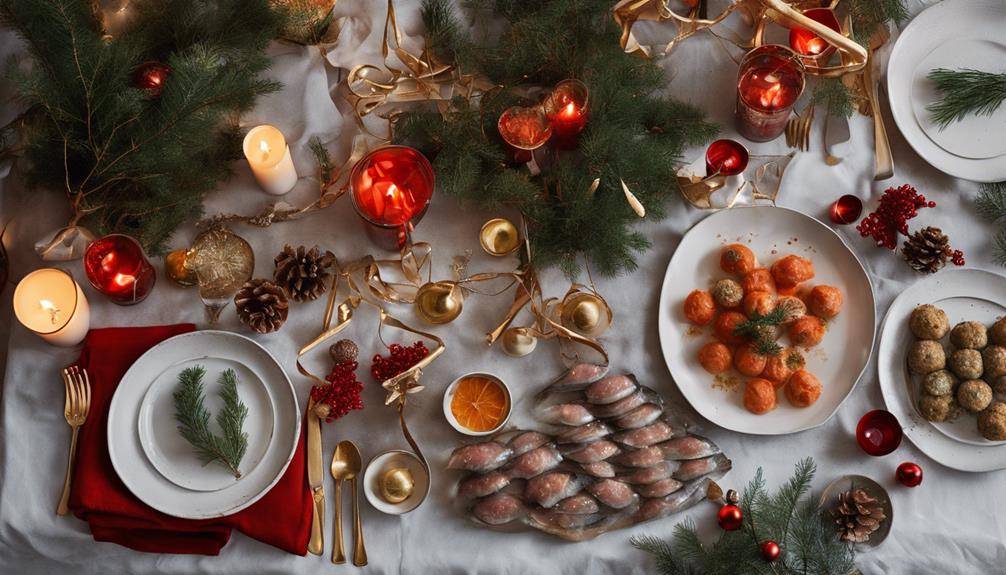
Exploring Swedish Christmas Food Traditions: When exploring Swedish Christmas food traditions, you'll find a rich blend of flavors and history. From the iconic julskinka, or Christmas ham, to smoked salmon and pickled herring, each dish tells a story. You can't miss the festive potato dishes and the essential glögg, a spiced mulled wine that enhances the celebration. Regions add their unique touches, creating specialties that vary greatly across the country. Family customs, such as baking saffransbullar and gingerbread cookies, foster bonding and warmth. As you discover more about these traditions, you'll uncover delightful twists and memories woven into each dish.
Click Here and Turn Every Masterpiece into a Showstopper!
Historical Context of Swedish Christmas Food
The historical context of Swedish Christmas food reveals a rich tapestry of traditions shaped by both geography and culture. As you explore this culinary journey, you'll notice how historical influences have molded the foods enjoyed during the festive season. Sweden's long winters and agricultural roots meant that preservation methods became essential. You might find it fascinating that techniques like pickling, curing, and smoking were born out of necessity; these methods not only extended the shelf life of food but also added unique flavors.
Culinary evolution in Sweden reflects a blend of indigenous practices and external influences. For instance, the introduction of spices during the Hanseatic League's trade in the Middle Ages led to the incorporation of flavors that are now staples in traditional Christmas dishes. As you investigate, you'll see that various regions have their specialties, often influenced by local ingredients and historical events.
You might also appreciate how the celebration of Christmas itself has changed over the centuries. What began as a simple gathering has transformed into a grand feast, combining foods from various influences, including Nordic, German, and even French traditions. Today, as you gather with family and friends, you're not just enjoying a meal; you're partaking in a legacy that spans generations, reflecting the resilience and creativity of Swedish culture. Understanding this historical context deepens your appreciation for the delightful dishes that grace the Christmas table.
Traditional Christmas Feast Overview
When you think of a traditional Swedish Christmas feast, you can expect a spread of classic dishes that celebrate the season. Each region offers its own unique twists on festive meal customs, making the experience even more special. Let's explore these beloved foods and the variations that make them uniquely Swedish.
Classic Swedish Dishes
Swedish Christmas feasts feature a delightful array of classic dishes that bring warmth and joy to the holiday season. As you gather with loved ones, you'll find smoked salmon and pickled herring gracing the table, offering a revitalizing start to the meal. The heart of the feast often centers around a succulent roast goose, perfectly paired with potato dumplings and rich, creamy sauces.
Don't forget the vibrant beetroot salad, which adds a pop of color and flavor to your plate. As you indulge, you'll also want to sample an assortment of festive cheeses and cured meats, each bite rich with tradition.
For dessert, the sweet aroma of saffransbullar buns fills the air, creating an irresistible invitation to indulge. And of course, no Swedish Christmas would be complete without gingerbread cookies, perfect for sharing and enjoying with a warm beverage.
These classic dishes not only satisfy your taste buds but also create cherished memories around the table, making each Christmas celebration a true feast of tradition and togetherness.
Festive Meal Customs
During Christmas in Sweden, families come together to celebrate with a festive meal that embodies the spirit of the season. This meal, known as "julbord," serves as the centerpiece of festive gatherings, featuring an array of traditional dishes that reflect Sweden's rich culinary heritage. You'll find items like herring, meatballs, and roasted ham, all beautifully arranged on the table.
One essential aspect of these celebrations is the emphasis on sustainable sourcing. Many families prioritize local ingredients, supporting nearby farms and producers. This not only enhances the flavors of the dishes but also fosters a sense of community and responsibility towards the environment.
As you partake in the julbord, you'll notice the importance of sharing and enjoying food together. Each dish tells a story, often passed down through generations, creating a warm atmosphere filled with laughter and connection. The meal is often accompanied by traditional drinks, such as glögg, a spiced mulled wine that adds to the festive cheer.
Ultimately, these festive meal customs aren't just about the food; they're about bringing people together, celebrating traditions, and enjoying the simple pleasures of life.
Regional Variations Explained
Across Sweden, Christmas feasts vary greatly, showcasing local flavors and traditions that make each region unique. You'll find that in the southern regions, the traditional julbord (Christmas table) often includes local specialties like hams glazed with mustard and served alongside a variety of pickled herring. In contrast, the northern areas might present a feast featuring reindeer or moose, highlighting their rich culinary heritage.
As you travel through the country, you'll notice that each region proudly displays its unique ingredients. In the western coastal towns, you might savor dishes prepared with fresh fish, while the central regions favor hearty meatballs and Janssons frestelse, a creamy potato casserole.
Exploring these regional variations not only satisfies your palate but also connects you with Sweden's diverse history and culture. Each dish tells a story of the land and its people, ensuring that your Christmas feast is a delightful blend of flavors and traditions. So, whether you're enjoying the classic glögg (spiced wine) in the south or a savory meat dish in the north, you'll be partaking in a culinary experience steeped in heritage and local pride.
The Role of Glögg
When you think of Swedish Christmas, glögg is likely one of the first things that comes to mind. This spiced mulled wine features traditional ingredients that bring warmth to the festivities, and knowing how to serve and pair it can elevate your holiday gatherings. Plus, understanding its cultural significance today can deepen your appreciation for this beloved drink.
Traditional Ingredients Used
Swedes cherish their glögg as a quintessential part of Christmas festivities, infusing the holiday season with warmth and flavor. This spiced mulled wine, typically made from red wine, is enriched with seasonal spices that elevate its taste and aroma. You'll often find ingredients like cinnamon, cardamom, and cloves simmering together, creating that inviting scent that fills the air during gatherings.
Festive flavors come alive in glögg through the addition of sweeteners such as sugar or honey. Some people even include dried fruits like raisins and almonds, which not only enhance the flavor but also add texture. If you're feeling adventurous, you might try experimenting with variations using port or vodka as a base or adding ginger for an extra kick.
The beauty of glögg lies in its adaptability and the personal touch you can give it. Each household often has its own cherished recipe, reflecting family traditions and preferences. As you sip this delightful beverage, you're not just enjoying a drink; you're partaking in a rich cultural tradition that embodies the spirit of Swedish Christmas celebrations.
Serving and Pairing Tips
Glögg isn't just a drink to enjoy on its own; it pairs beautifully with a variety of traditional Swedish Christmas foods. When serving this warm spiced wine, think about the festive appetizers you'll offer alongside it. For example, glögg complements savory dishes like meatballs and herring wonderfully, creating delicious flavor pairings that enhance the meal presentation.
Consider your guests' preferences when selecting snacks. You might want to include a mix of sweet and savory options. While enjoying glögg, many people appreciate nibbling on gingerbread cookies or saffransbullar (saffron buns), as these treats add to the holiday ambiance.
When it comes to serving etiquette, consider using decorative mugs or glasses that reflect the cultural influences of Swedish traditions. This not only elevates the experience but also sparks conversation among guests.
Remember to serve glögg warm, perhaps with a side of almonds and raisins for extra texture. This thoughtful approach guarantees that your holiday gathering feels festive and inviting, making your Christmas drinks a delightful highlight of the season.
Cultural Significance Today
During the Christmas season, glögg often takes center stage in Swedish celebrations, symbolizing warmth and togetherness. This spiced mulled wine not only delights your palate but also serves as a crucial link to Sweden's cultural heritage. When you gather with family and friends, sharing a cup of glögg becomes a cherished ritual that enhances your festive gatherings.
As you sip this aromatic drink, you're participating in a tradition that spans centuries, rooted in both pagan and Christian customs. Glögg embodies the spirit of hospitality, inviting everyone to come together and celebrate. It's common to find glögg served at Christmas markets, parties, and home gatherings, making it an indispensable part of the holiday atmosphere.
The act of preparing glögg, with its blend of spices like cinnamon and cardamom, becomes a meaningful experience. You're not just making a drink; you're crafting moments filled with laughter and connection. In today's fast-paced world, glögg offers a pause, a chance to reflect on the importance of community and shared traditions. So, when you raise your glass of glögg this holiday season, remember the cultural significance it holds and the bonds it strengthens.
Iconic Julskinka Recipes
Celebrating Christmas in Sweden wouldn't be complete without the centerpiece of the festive table: the iconic julskinka, or Christmas ham. This deliciously glazed ham is a must-have for any Swedish holiday feast, and mastering julskinka preparation is key to impressing your family and friends.
To start, you'll want to select a high-quality, bone-in ham. The preparation typically involves simmering the ham in a mixture of water, sugar, and spices like cloves and allspice. Once it's tender, let it cool slightly before removing the skin, which you'll replace with a beautiful layer of mustard and breadcrumbs. This glaze not only adds flavor but also creates a crispy crust that's irresistible.
When it comes to julskinka serving, the ham is often sliced thinly and arranged on a large platter. It's usually accompanied by a variety of condiments such as mustard, pickles, and bread, creating a delightful spread that encourages festive mingling. You might also find it served alongside other traditional dishes, making it a true centerpiece for your Christmas table.
For a delicious twist, you can experiment with different glazes, incorporating flavors like honey or even seasonal spices. Remember, the key to a memorable julskinka lies not just in its preparation but also in how you present it. So gather your loved ones, enjoy the festive atmosphere, and savor each bite of your iconic Swedish Christmas ham.
Essential Side Dishes
When you think about Swedish Christmas meals, essential side dishes play a vital role. You'll want to explore classic potato dishes, seasonal vegetable varieties, and traditional bread options that complement the main course beautifully. Each side adds unique flavors and textures, making your holiday feast truly memorable.
Classic Potato Dish
Swedes often serve a classic potato dish during their festive meals, making it an essential side that complements the rich array of Christmas foods. One beloved option is potato gratin, which features thinly sliced potatoes layered with cream, cheese, and sometimes garlic. This dish creates a beautifully bubbly, golden crust that adds a delightful texture and flavor to your holiday table.
Another popular choice is creamy röstis, a Swiss-inspired dish that's found its way into Swedish kitchens. You'll love how this crispy potato cake is made by shredding potatoes, mixing them with cream, and then frying them to achieve a perfectly crunchy exterior while keeping the inside soft and creamy. Röstis are not only delicious but also provide a comforting, hearty addition to any meal.
Whether you opt for the decadent layers of potato gratin or the crispy goodness of creamy röstis, you can't go wrong. Both dishes enhance the festive atmosphere and make your Christmas feast even more special. So, as you plan your holiday menu, remember to include one of these classic potato dishes to elevate your Swedish Christmas experience.
Seasonal Vegetable Varieties
Adding seasonal vegetable varieties to your Christmas feast not only balances the richness of dishes like potato gratin and röstis but also showcases the flavors of winter. Think about incorporating root vegetables like carrots, parsnips, and turnips, which are all at their peak during this season. These vibrant veggies add color and texture to your holiday table.
You can roast them with a drizzle of olive oil and a sprinkle of herbs for a simple yet delicious side. Don't forget about cabbage, which is often used in Swedish dishes like coleslaw or braised as a warm side. This seasonal produce provides a lovely crunch and complements those heavier main dishes.
If you want to extend the life of your veggies, consider vegetable preservation methods like pickling or fermenting. These techniques not only enhance the flavor but also allow you to enjoy the essence of winter long after the holiday season. So, as you plan your Christmas menu, remember that these seasonal vegetable varieties are essential side dishes that elevate your feast while embracing the Scandinavian spirit of winter.
Traditional Bread Options
Bread plays an essential role in Swedish Christmas meals, complementing the rich flavors of traditional dishes. You'll find a variety of breads, each with its unique charm. One of the most beloved options is the rye bread, known for its dense texture and earthy flavor. It pairs beautifully with hams and cheeses, making it a staple on any festive table.
Sourdough traditions also hold a special place in Swedish baking. The tangy taste and chewy crust of sourdough bread enhance the overall dining experience. You might enjoy it with butter or dip it into gravlax or herring, adding a depth of flavor that's hard to resist.
Another delightful option is the festive rolls, often flavored with spices like cardamom or saffron. These soft, sweet rolls are perfect for serving alongside your holiday spread, whether you slather them with jam or enjoy them plain.
The Importance of Lutfisk
Lutfisk holds a special place in Swedish Christmas traditions, symbolizing the blend of history and culinary artistry. This unique dish, made from dried white fish, is a reflection of the resourcefulness of generations past. The lutfisk preparation process, which involves soaking the fish in a lye solution before cooking, might sound unusual to some, but it's this very technique that gives lutfisk its distinctive texture and flavor.
You'll often find lutfisk served during the Christmas feast, where it's typically accompanied by white sauce, peas, and sometimes boiled potatoes. The tradition dates back to medieval times when preserving fish was essential for survival during long winters. The dish has evolved, but its roots remain deeply tied to Swedish heritage.
Lutfisk symbolism goes beyond just being a festive meal. It represents the resilience and adaptability of Swedish culture, showcasing how people have turned simple ingredients into a beloved dish. When you sit down to enjoy lutfisk, you're not just tasting a meal; you're connecting with centuries of tradition and the stories that shaped Swedish culinary practices.
In many families, preparing lutfisk becomes a communal activity, where everyone joins in to help with the soaking, cooking, and serving. This shared experience strengthens family bonds and fosters a sense of togetherness during the holiday season. So, as you indulge in this iconic dish, remember the rich history and the cultural significance it brings to your Christmas celebrations.
Swedish Meatballs Variations
When you think of Swedish meatballs, you might picture the classic recipe with ground beef, breadcrumbs, and spices. However, there are exciting regional variations that add unique twists to this beloved dish. Let's explore these different takes and see how they reflect Sweden's diverse culinary landscape.
Classic Recipe Ingredients
Swedish meatballs are a beloved holiday dish, and their variations offer a delightful twist on the classic recipe. When you're preparing them, consider using sustainable sourcing for your ingredients. This not only supports local farmers but also enhances the flavor of your meatballs.
Start with ground meat; traditional recipes often use a mix of beef and pork, but you can experiment with turkey or even plant-based alternatives. Incorporate breadcrumbs soaked in milk for a tender texture, and don't forget the aromatic spices. Nutmeg and allspice are staples in Swedish meatballs, adding warmth and depth to the dish.
For a seasonal touch, think about adding finely chopped onions or herbs that reflect the winter harvest. Fresh parsley or dill can brighten up the flavors. You might also want to try incorporating a splash of lingonberry sauce to balance the richness of the meatballs.
As you explore variations, remember that the heart of Swedish meatballs lies in their simplicity and the quality of the ingredients. By focusing on sustainable sourcing and seasonal ingredients, you'll create a dish that's not just delicious but also meaningful.
Regional Variations Explained
Different regions of Sweden put their own spin on meatballs, showcasing local flavors and traditions. In the south, you might find meatballs infused with lingonberries or served alongside rich, creamy sauces. This reflects the regional specialties that highlight the area's abundance of berries and dairy.
Traveling north, you'll encounter a different take, where meatballs might be seasoned with wild herbs or served with unique game meats like reindeer. These variations not only cater to local tastes but also tie into festive traditions that celebrate the natural resources of each region.
In cities like Gothenburg, seafood elements might sneak into the mix, creating a blend of meat and fish that's perfect for holiday gatherings. Each variation tells a story, bringing together family and friends around the table during Christmas.
Popular Herring Dishes
Although herring might seem like a simple fish, it plays a central role in Swedish Christmas cuisine, offering a variety of flavorful dishes that delight the palate. You'll find herring preparations at almost every festive table, showcasing the incredible versatility of this ingredient. Pickled herring is particularly popular, featuring a range of pickling techniques that impart unique flavors, ensuring there's something for everyone.
One classic dish is inlagd sill, or pickled herring, which often comes in various marinades like mustard, onion, or sweet-and-sour. The combination of spices and vinegar not only preserves the herring but also elevates it to a star dish. You can serve it alongside boiled potatoes, crisp bread, or even on a smorgasbord, making it a favorite among guests.
Another delightful option is senapssill, or mustard herring. This preparation pairs the fish with a creamy mustard sauce, offering a delightful balance of tang and sweetness. It's often garnished with onions or apples, adding a fresh crunch that complements the richness of the herring.
If you're feeling adventurous, try the traditional julsill, which is typically served during Christmas. It combines different pickling techniques and spices, creating a stunning array of flavors. Whether you're enjoying it as part of a festive feast or a casual meal, herring dishes are sure to bring warmth and joy to your holiday celebrations. So go ahead, plunge into these delicious herring preparations and savor the flavors of Swedish Christmas!
Click Here and Turn Every Masterpiece into a Showstopper!
Festive Potato Dishes
Potatoes are a beloved staple in Swedish Christmas cuisine, with numerous festive dishes that highlight their versatility. You'll find that potato gratin is a favorite, often layered with creamy cheese and baked to perfection, creating a rich side dish that's hard to resist. Creamy mash is another classic, whipped to a smooth consistency, often flavored with a hint of garlic or butter.
Potato casserole makes an appearance on many tables, combining diced potatoes with a variety of ingredients, from ham to vegetables, creating a hearty dish that warms the soul. If you're feeling adventurous, you can try making festive latkes, which are crispy potato pancakes, served with a side of sour cream or applesauce.
Swedish röstis are another delightful option, where grated potatoes are fried until golden brown, offering a crunchy texture that pairs well with meats. Dill potatoes are a must-try as well; their fresh, herby flavor complements any holiday meal beautifully. For something unique, consider potato dumplings, which can be filled with meats or cheese, providing a delightful surprise in each bite.
Lastly, don't overlook spiced potatoes, seasoned with a mix of spices that can vary from sweet to savory. Each of these festive potato dishes brings its own charm to the Christmas table, inviting you to explore the rich culinary traditions of Sweden while celebrating with family and friends.
Sweets and Desserts
Swedish Christmas sweets and desserts are a delightful way to end your festive feast, showcasing a variety of flavors and textures that reflect the season's spirit. One of the most beloved treats is gingerbread cookies, often shaped into stars, hearts, and other festive forms. You'll love the aroma of cinnamon and cloves wafting through your kitchen during holiday baking as you prepare these traditional delights.
Another must-try is the saffransbullar, or saffron buns, which you can create using simple saffransbullar recipes. These golden, sweet buns are often shaped into spirals, proving to be both delicious and visually appealing in their festive presentations.
Don't forget the marzipan treats, which are a staple in Swedish Christmas celebrations. You can shape them into fruits or animals, adding a playful touch to your dessert table. For those who enjoy a touch of luxury, chocolate pralines make a perfect addition. These rich, decadent bites can be filled with various flavors, making them an excellent option for dessert pairings with coffee or mulled wine.
As you embrace these sweet traditions, remember to share them with family and friends, creating memories that last a lifetime. Whether you're indulging in gingerbread cookies or savoring marzipan, these desserts will certainly bring joy and sweetness to your holiday season.
Traditional Christmas Breads
After enjoying the sweet delights of the holiday season, it's time to turn your attention to the traditional Christmas breads that accompany festive meals in Sweden. Among these, the Swedish saffransbullar, or saffron buns, are a must-try. These vibrant yellow breads, infused with saffron and often shaped into beautiful spirals or figures, are a staple during the Christmas season. You might find various Swedish saffransbullar recipes that include ingredients like cardamom and raisins, adding a delightful sweetness to the savory notes. Baking these buns fills your home with a warm, inviting aroma, making them perfect for sharing with family and friends.
Another cherished element of Swedish Christmas bread is the Pepparkakor, or gingerbread cookies. While they're not a bread in the traditional sense, their presence in Pepparkakor traditions during the holiday season is undeniable. These crispy, spiced cookies are often cut into festive shapes and can be enjoyed plain or decorated with icing. You might even find that baking Pepparkakor becomes a fun family tradition, with everyone gathering to create their unique designs.
Both saffransbullar and Pepparkakor embody the spirit of Swedish festive gatherings, serving as symbols of celebration and togetherness. When you savor these traditional breads, you're not just enjoying delicious treats; you're also participating in a rich cultural heritage that's been passed down through generations. So, gather your ingredients, roll up your sleeves, and immerse yourself in these delightful recipes this Christmas!
Regional Variations in Cuisine
Christmas cuisine in Sweden varies considerably from region to region, reflecting local ingredients and traditions. In the northern parts, you might encounter hearty dishes featuring reindeer or game meats, showcasing a rich culinary heritage rooted in the land's resources. Meanwhile, the southern regions often embrace seafood, with herring and salmon taking center stage on festive tables.
You can't overlook the Scandinavian influences that shape these regional specialties. In some areas, traditional markets come alive during winter festivities, offering a delightful array of homemade delicacies. Here, you can sample everything from spiced meats to unique pastries, each dish telling a story of local customs and family recipes passed down through generations.
As you participate in community gatherings, you'll find that festive beverages play a significant role in the experience. Whether it's glögg (mulled wine) or julmust (a traditional Christmas soft drink), these drinks complement the seasonal fare beautifully. Each sip embodies the warmth and joy of the holiday season.
Cultural fusions also emerge in various regions, blending old and new flavors. You might discover a modern twist on classic dishes, showcasing how culinary traditions evolve while honoring their roots. So, as you explore Sweden's diverse Christmas cuisine, take the time to appreciate these regional variations and the stories they tell about the people and places that celebrate this cherished time of year.
Family Customs and Rituals
In many Swedish households, family customs and rituals form the heart of the holiday celebrations. You can feel the warmth and togetherness as family gatherings bring everyone together, often starting with the preparation of traditional dishes. While cooking, you'll likely find family members sharing stories of Christmases past, creating a rich tapestry of holiday storytelling that connects generations.
One of the most cherished customs is the Lucia celebration on December 13th, where the eldest daughter dresses as Lucia, wearing a crown of candles. This event marks the beginning of the Christmas season and often leads to festive family gatherings filled with saffron buns and mulled wine. It's a moment that not only honors tradition but also ignites conversations and laughter around the table.
As Christmas Eve approaches, families gather for a special meal, usually featuring a smorgasbord of dishes, including hams, meatballs, and pickled herring. You'll notice that everyone has their roles, from setting the table to preparing the food, reinforcing the importance of teamwork and collaboration. After the meal, it's common to exchange gifts, fostering a sense of excitement and connection.
Throughout the holiday, you'll see the significance of storytelling as families reminisce about their favorite memories, bringing the past alive for the younger generations. This blend of food, family gatherings, and holiday storytelling creates a unique atmosphere that defines Swedish Christmas customs, ensuring that the spirit of the season is celebrated together.
Modern Twists on Classics
As families shake up their holiday traditions, modern twists on classic Swedish dishes are becoming increasingly popular. You'll find creative adaptations that showcase the essence of traditional recipes while embracing contemporary flavors. Imagine a classic Janssons frestelse, but with a health-conscious alternative that swaps cream for a lighter cashew-based sauce, making it both indulgent and nutritious.
Fusion flavors are also making their mark, with chefs experimenting by incorporating international ingredients. Picture a meatball dish featuring spices from global cuisines, elevating the classic kottbullar to a gourmet interpretation that excites the palate. Seasonal ingredients play a crucial role in these adaptations, ensuring that each dish not only tastes fresh but also reflects the bounty of the season.
Modern plating techniques have transformed how these dishes are presented, turning your holiday table into a visual feast. Innovative cooking methods like sous-vide or smoking can add depth to familiar flavors, creating new experiences for you and your guests. Culinary experimentation inspires you to explore beyond traditional recipes, encouraging a spirit of creativity in your kitchen.
As you embrace these trends, you'll notice that cultural influences from around the world are seamlessly woven into the fabric of Swedish cuisine. Whether it's a new take on gingerbread cookies or reimagined lutefisk, these modern twists on classics invite you to celebrate the holiday season in fresh and exciting ways.
Sharing and Celebrating Together
There's something special about gathering around the table during the holiday season, where sharing traditional Swedish dishes fosters a sense of community and togetherness. Family gatherings become vibrant celebrations filled with laughter, love, and delicious food. As you partake in communal cooking, everyone contributes to the festive preparations, whether it's rolling köttbullar or preparing the rich, savory gravlax.
The atmosphere buzzes with seasonal music playing softly in the background, enhancing the spirit of the occasion. Festive decorations adorn the home, creating a warm and inviting space for all. The table is laden with culinary heritage, from the classic julskinka to the sweet saffransbullar, each dish telling a story of its own.
During these cherished moments, you'll find yourself immersed in holiday storytelling. Sharing tales of childhood memories brings everyone closer, igniting laughter and nostalgia. Gift exchanges follow the meal, where the joy of giving enhances the sense of togetherness.
Food sharing is at the heart of these cultural celebrations, reminding you that the essence of Christmas lies in connection. Each bite of traditional fare not only nourishes your body but also nourishes your spirit, binding you to your loved ones and your heritage. As you celebrate, you're not just enjoying a meal; you're partaking in a rich tapestry of customs that have been passed down through generations. It's these moments that truly make the holiday season unforgettable.
Click Here and Turn Every Masterpiece into a Showstopper!
Frequently Asked Questions: Exploring Swedish Christmas Food Traditions
What Are the Most Popular Drinks Served During Swedish Christmas Meals?
During Swedish Christmas meals, you'll enjoy glögg variations, which are spiced mulled wines, and julmust, a popular soft drink. These beverages enhance the festive atmosphere, making your dining experience even more delightful and memorable.
How Do Swedish Christmas Food Traditions Differ From Other Nordic Countries?
Swedish Christmas food traditions stand out with the julbord, a festive buffet featuring herring, meatballs, and more. Compared to other Nordic countries, you'll notice unique flavors and presentation styles that make Swedish feasting truly special.
Are There Any Specific Dietary Restrictions Associated With Swedish Christmas Foods?
Yes, there're specific dietary restrictions associated with Swedish Christmas foods. You can find vegetarian alternatives and gluten-free options, ensuring everyone can enjoy the festive meals while accommodating various dietary needs during the celebrations.
How Has Globalization Influenced Swedish Christmas Food Traditions?
Globalization's influenced Swedish Christmas food traditions by promoting cultural exchange, allowing diverse flavors and dishes to blend in. You'll notice festive adaptations that reflect both local and international influences, enriching the holiday dining experience.
What Are Some Common Christmas Food-Related Superstitions in Sweden?
In Sweden, you'll find that Christmas baking often comes with superstitions. For instance, if you taste the festive flavors of gingerbread, it's said to bring good luck for the upcoming year. Enjoy the traditions!

Conclusion
As you explore Swedish Christmas food traditions, you'll discover a rich tapestry of flavors and customs that bring families together. From the warmth of glögg to the iconic julskinka, each dish carries history and meaning. Embrace the regional variations and modern twists that make these celebrations unique, and don't forget to share these delicious meals with loved ones. After all, it's the joy of sharing and celebrating together that truly captures the spirit of the season.