Six Essential Steps For Dinner Party Pasta Preparation
Steps For Dinner Party Pasta Preparation: To prepare pasta for your dinner party, start by choosing the right shape that complements your sauce. Next, select quality ingredients like fresh produce and good cheese to enhance flavor. Organize your cooking space to streamline the process. Perfect the pasta water by salting it generously and ensuring a rolling boil. Cook your pasta to al dente, saving some pasta water for sauce adjustments. Finally, manage your time efficiently with a prep schedule to keep everything on track. If you want to elevate your meal further, you'll discover even more tips to impress your guests.
Choosing the Right Pasta
Click Here and Turn Every Masterpiece into a Showstopper!
When it comes to dinner parties, selecting the right pasta can elevate your meal from ordinary to extraordinary. You've got a plethora of different pasta shapes to choose from, each bringing its own unique character to the table. For instance, long, thin strands like spaghetti pair beautifully with lighter sauces, while hearty shapes like rigatoni hold onto thicker, chunkier sauces, making every bite satisfying.
When reflecting on your pasta shape, think about the sauce you plan to serve. If you're whipping up a creamy Alfredo, fettuccine is a classic choice. For a robust marinara, you might opt for penne or farfalle. Remember, the shape can greatly influence the overall dining experience.
Once you've settled on a shape, you'll need to contemplate pasta cooking methods. Whether you're boiling, baking, or sautéing, each method offers a different texture and flavor profile. Boiling is the most common, but you might experiment with baking your pasta for a comforting casserole or sautéing it for a more refined dish with added depth.
Don't forget to salt your water! This simple step can enhance the pasta's flavor right from the start. Always taste your pasta a minute or two before the suggested cooking time. You want it al dente—firm to the bite, yet tender enough to enjoy. With the right pasta in mind, your dinner party will surely impress your guests, setting the stage for an unforgettable evening.
Selecting Quality Ingredients
Selecting quality ingredients is essential for creating a memorable pasta dish at your dinner party. Start by sourcing fresh produce from local markets. When you choose seasonal ingredients, you not only support local farmers but also guarantee your dish bursts with flavor. Seasonal vegetables, herbs, and fruits enhance your pasta's taste and bring a vibrant touch to your table.
Next, pay attention to the brands you select. Opt for quality brands known for their commitment to organic choices. Organic ingredients often provide richer flavor profiles and are free from harmful pesticides, making your meal healthier. For instance, consider using organic tomatoes for your sauce or fresh basil to elevate the dish.
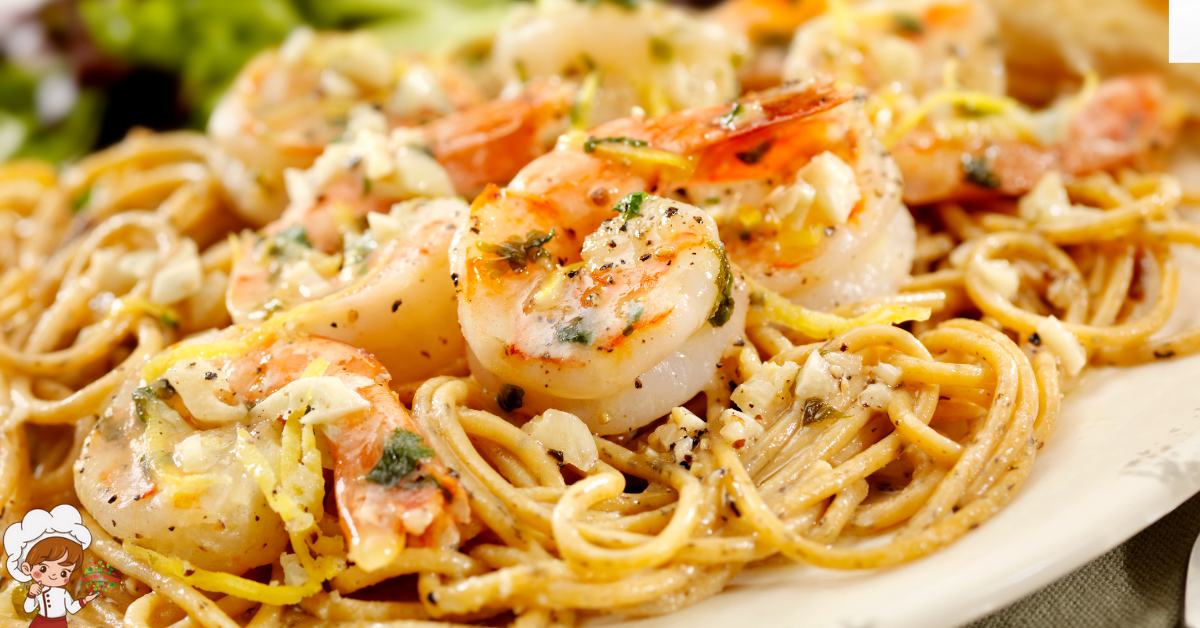
Don't underestimate the importance of proteins and cheeses either. Whether you're adding chicken, shrimp, or a vegetarian option, guarantee you select fresh, high-quality cuts. Pair your pasta with a good cheese, such as Parmigiano-Reggiano or fresh mozzarella, to create a well-rounded dish.
Lastly, spices and oils can elevate your pasta to new heights. Use extra virgin olive oil for a robust base and fresh garlic for an aromatic kick. By combining these quality ingredients, you'll craft a pasta dish that not only tastes incredible but also impresses your guests.
Preparing Your Cooking Space
A well-organized cooking space makes all the difference in preparing a delicious pasta dish. Start by evaluating your kitchen organization. Clear off countertops and remove any clutter that could distract you during cooking. Focus on space optimization; make certain you have enough room to work efficiently without feeling cramped.
Next, think about tool selection. Gather all the essential tools you'll need, like pots, pans, and utensils. Have your cutting board, knives, and measuring cups within reach to streamline your workflow. Equipment readiness is vital—check that your pots are clean and your stove is functioning properly before you begin.
Consider task delegation if you're cooking with friends or family. Assign specific roles to others, whether it's chopping vegetables, stirring sauces, or setting the table. This makes the process more enjoyable and helps you stay organized.
Before diving into cooking, don't forget about cleaning prep. Make sure your sink is empty and ready for use, and have a designated spot for dirty dishes. This'll prevent a pile-up that could distract you later.
Perfecting Your Pasta Water
When it comes to cooking pasta, the water you use makes all the difference. You should always salt your water generously to enhance the flavor of the pasta, and don't forget that the temperature matters too—bring it to a rolling boil before adding your noodles. Mastering these basics will elevate your dish to the next level.
Salt Your Water
The right amount of salt can transform your pasta water from bland to beautifully seasoned. When you add salt to the boiling water, you're not just enhancing the flavor of the pasta; you're also improving its overall texture. Aim for a pasta salinity that mirrors the sea—typically about 1-2 tablespoons of salt per gallon of water.
As you bring your water to a boil, add the salt once it's bubbling vigorously. This guarantees the salt dissolves quickly and evenly, allowing the pasta to absorb that flavor as it cooks. Remember, this isn't just a seasoning step; it's an essential part of the cooking process.
If you skip or skimp on this step, you risk ending up with tasteless pasta, regardless of how fancy your sauce may be. So, embrace the salt! It'll make a world of difference. Once you've salted the water and it's boiling, it's time to add your pasta and let the magic happen. Enjoy the process, and know that you're setting the stage for a delicious dinner party experience.
Temperature Matters
Perfect pasta water is all about temperature. To achieve the best results, you need to bring your water to a rolling boil before adding the pasta. This high pasta temperature guarantees the noodles cook evenly and don't become gummy. You should also keep the heat high throughout the cooking process. If the water cools down too much after adding the pasta, you'll end up with clumpy noodles.
Once your pasta is cooked to al dente, it's essential to think about serving temperature. Draining the pasta is just the start; you have to serve it immediately for the best experience. If you let it sit, the pasta will continue to cook, losing that ideal texture and warmth.
To maintain the serving temperature, toss the pasta with your sauce right after draining. This not only keeps the dish hot but also helps the pasta absorb all those delicious flavors. Remember, perfect pasta isn't just about cooking it right; it's about serving it at the right temperature too. By paying attention to both the pasta and serving temperatures, you'll impress your guests with a delightful, restaurant-quality dish.
Cooking Pasta to Perfection
Cooking pasta to perfection starts with choosing the right type for your dish. Once you've got that figured out, getting your water boiling properly is essential. Don't forget to keep an eye on the clock to guarantee it reaches the perfect doneness!
Choosing the Right Pasta
Choosing the right pasta can elevate your dinner party dish from ordinary to extraordinary. Start by considering the pasta types available, as each has unique qualities that can enhance your meal. Long strands like spaghetti pair beautifully with light sauces, while shapes like penne or fusilli work well with heartier, chunkier sauces.
Don't forget about gluten alternatives if you or your guests have dietary restrictions; options like chickpea or quinoa pasta can be delicious substitutes without sacrificing flavor. Think about sauce compatibility when selecting your pasta shape; a delicate aglio e olio might get lost on a large rigatoni, while a robust bolognese deserves a sturdy fettuccine.
Regional varieties can also add a special touch to your dish. For instance, use orecchiette for a taste of Puglia or trofie for a Ligurian twist. Finally, consider your cooking methods—whether you prefer boiling, baking, or even sautéing your pasta. Each method brings out different textures and flavors, so choose the one that aligns with your vision for the dinner party. With the right pasta, you'll impress your guests and create a memorable meal.
Boiling Water Tips
Getting the water just right is essential for cooking pasta to perfection. Start with a large pot, as pot selection plays an important role in achieving the ideal water temperature. Use plenty of water to allow the pasta types to move freely, which prevents sticking. Always use high-quality water; filtered or bottled water can enhance the flavor of your dish.
Once you've filled the pot, bring it to a rolling boil. To maintain consistent heat, avoid covering the pot with a lid during boiling; steam control is critical here. When you see those vigorous bubbles, it's time to add salt—a good rule is about a tablespoon per gallon of water. This boosts flavor and helps it reach the boiling duration more effectively.
Once you add the pasta, keep an eye on it. Stir occasionally to prevent clumping and make sure it cooks evenly. Remember, the boiling duration will vary depending on the pasta type, so refer to the package instructions. With these boiling tips, you'll set the stage for perfect pasta every time!
Timing for Doneness
Achieving the perfect pasta doneness hinges on timing, and it's vital to stay attentive as it cooks. Start by checking the package for suggested cooking times, but don't rely solely on that. Timing strategies play an important role; begin tasting the pasta a couple of minutes before the recommended time. You want that ideal al dente texture—firm yet tender.
As you cook, stir occasionally to prevent sticking and guarantee even cooking. When you taste the pasta, focus on its texture. It should have a slight bite, maintaining its structure while being pleasantly soft. If you prefer a softer texture, leave it in for an additional minute or two, but be cautious not to overcook it.
Always remember to reserve some pasta water before draining. This starchy liquid can help adjust the sauce consistency later. Once you've reached the desired doneness, drain the pasta immediately and toss it with your sauce to prevent it from continuing to cook. With these timing strategies in mind, you'll serve perfectly cooked pasta that impresses your guests every time!
Crafting a Flavorful Sauce
Crafting a flavorful sauce begins with the right balance of ingredients and techniques that elevate your pasta dish. Start by choosing your base—whether it's tomatoes, cream, or a simple olive oil blend. Each base offers unique sauce variations, but the key is to layer your ingredients thoughtfully. Sauté onions and garlic first to build a solid foundation, then add your choice of protein or vegetables.
Next, think about sauce thickness. If you prefer a thicker sauce, let it simmer longer to reduce and concentrate flavors. For a lighter touch, adding a splash of pasta water can help adjust the consistency. As you're cooking, focus on flavor balance. Incorporate herb infusions by adding fresh or dried herbs at different stages—add heartier herbs like rosemary early on and delicate ones like basil towards the end.
Don't forget acidity adjustments! A splash of vinegar or a squeeze of lemon can brighten the dish, cutting through richness. As you taste, use seasoning tips such as salt and pepper to enhance flavors without overpowering them. Remember, seasoning is essential—add a little at a time and adjust according to your preferences.
Combining Pasta and Sauce
Once your sauce is ready, it's time to combine it with the pasta for that perfect harmony of flavors. Start by choosing the right pasta shape; whether it's long strands like spaghetti or short shapes like penne, the choice can affect your dish's overall flavor balance. You want to guarantee the sauce consistency complements the pasta, allowing it to cling nicely without overwhelming it.
Next, consider the sauce types you've prepared. A thicker sauce, like a hearty ragu, pairs well with robust shapes, while a lighter sauce, such as pesto, may be better suited for delicate pasta. Pay attention to ingredient ratios as you mix; generally, a good rule is to aim for about 1 cup of sauce for every 8 ounces of pasta.
Use proper cooking techniques when combining; toss the pasta and sauce in a large pan over low heat for a minute or two. This allows the pasta to absorb some of the flavors and guarantees a cohesive dish.
When serving, think about your presentation styles. You can plate the pasta first and then spoon the sauce on top for a clean look, or mix it all together for a rustic feel. Don't forget to save some reserved pasta water if you need to adjust the sauce consistency before serving. Enjoy this process, as it's all about creating a delightful experience for you and your guests!
Enhancing With Fresh Herbs
When it comes to elevating your pasta dishes, fresh herbs can make all the difference. You'll want to choose the right herbs and understand how to pair their flavors effectively. Let's explore some preparation methods that will help you incorporate these vibrant ingredients seamlessly.
Choosing the Right Herbs
To elevate your dinner party pasta, choosing the right herbs can make all the difference. Start by exploring different herb varieties, as each offers unique flavor profiles that can transform your dish. Fresh herbs, like basil and parsley, are often more vibrant than dried options, though dried herbs have their place in certain culinary uses. Consider the method of herb infusion to enhance your sauce or oil with deeper flavors.
When selecting herbs, think about seasonal herbs that complement your pasta dish. For example, use fresh oregano in summer or thyme in winter for the best taste. Creating aromatic blends, such as a mix of rosemary and sage, can add complexity to your meals.
Don't forget about herb storage; keeping fresh herbs in water or wrapped in a damp paper towel can prolong their life. As you're plating, consider using herb garnishes for a bright finish. Experiment with herb combinations to find what pairs well with your pasta—this will elevate the dish in both taste and presentation. By thoughtfully choosing and using herbs, you'll create a memorable dining experience for your guests.
Flavor Pairing Techniques
Building on your herb choices, mastering flavor pairing techniques can elevate your pasta dishes even further. Start by identifying umami elements in your ingredients, like ripe tomatoes or aged cheese, to create a rich base. Incorporate seasonal ingredients to enhance freshness and connect with your dish's regional influences.
Don't shy away from contrast flavors; a hint of bitterness from arugula or radicchio can balance the sweetness of roasted vegetables. Remember to take into account texture balance, mixing creamy sauces with crunchy toppings like toasted nuts or fried herbs for a delightful mouthfeel.
Acidity levels also play an essential role in flavor pairing. A squeeze of lemon or a splash of vinegar can brighten your dish, cutting through richness while enhancing the herb combinations you've chosen.
Herb Preparation Methods
Fresh herbs can transform your pasta dish from ordinary to extraordinary. When using fresh herbs, the way you prepare them can greatly impact flavor. Start by ensuring proper herb storage; keep them in the fridge wrapped in a damp paper towel or in a glass of water, covered loosely, to maintain freshness.
When you're ready to use them, herb chopping is key. For delicate herbs like basil or parsley, use a sharp knife to avoid bruising. Gather the leaves, stack them, and roll them tightly before slicing. This technique gives you a fine chop while preserving the herb's essential oils.
For stronger herbs like rosemary or thyme, strip the leaves from the stems first. Then, chop them finely to release their robust flavors. Don't forget to sprinkle fresh herbs at the end of cooking; this way, you'll retain their vibrant taste and aroma.
Experiment with different combinations to enhance your pasta dish. Just a handful of freshly chopped herbs can elevate your meal, making it feel special without much extra effort. Enjoy the process, and watch your guests be amazed by the fresh flavors!
Click Here and Turn Every Masterpiece into a Showstopper!
Serving With Style
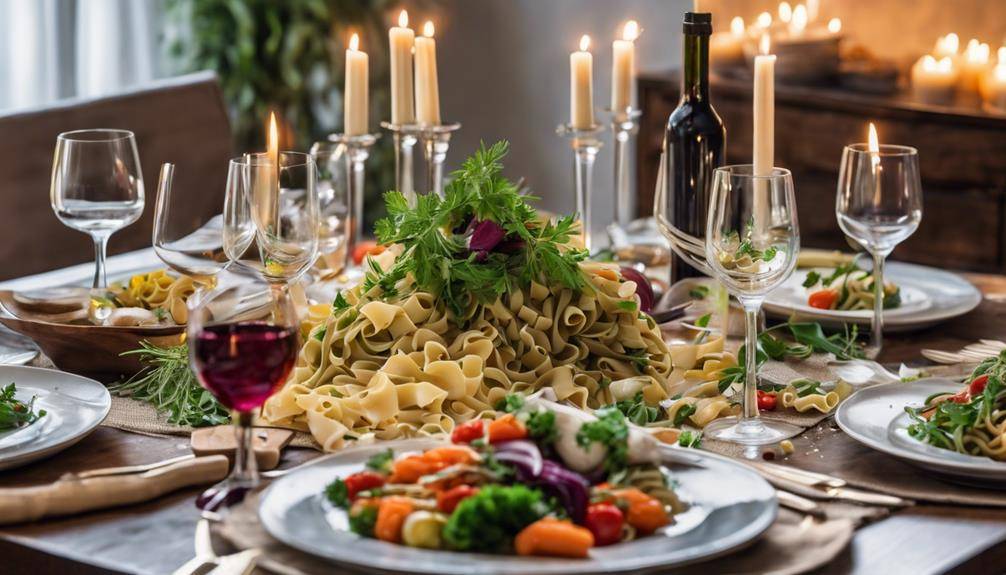
Elevate your dinner party experience by serving pasta with flair. Start with table presentation; a well-set table creates an inviting atmosphere. Use tablecloths or placemats that complement your pasta dish, and guarantee your dinnerware shines. When it comes to dish arrangement, consider a family-style serving for a warm, communal feel or individual plating for a touch of sophistication.
Mastering plating styles is essential. For example, twirl spaghetti with a fork for a neat portion on a plate, letting the sauce cascade elegantly. Incorporate garnish techniques like fresh herbs or a sprinkle of cheese on top to add color and flavor. Remember, the visual appeal enhances the dining experience.
Serving etiquette plays a significant role too. Always serve from the left and clear from the right, allowing for smooth guest interaction. Guarantee portion control by serving manageable amounts; guests can always ask for more. This prevents overwhelming plates and encourages conversation.
Don't forget ambiance lighting. Dim the lights slightly to create a cozy environment, enhancing your guests' enjoyment. Candles can add a romantic touch while providing soft illumination, perfect for a dinner party.
Pairing With Wine
When it comes to pairing wine with your pasta, choosing the right bottle can elevate your dinner experience. You'll want to complement the flavors of your dish while also considering the importance of serving temperature. Let's explore how to make the perfect match for your meal.
Choosing the Right Wine
Selecting the right wine can transform your dinner party pasta into a memorable culinary experience. The right wine varietals can elevate your dish and enhance the overall enjoyment for your guests. When it comes to food pairing, contemplate the sauce as your guiding factor. For creamy sauces, a Chardonnay or a light Pinot Grigio can provide a revitalizing balance. If you're serving a tomato-based sauce, reach for a medium-bodied red like Chianti or Sangiovese, which complements the acidity of the tomatoes perfectly.
For pesto or olive oil-based dishes, a crisp Sauvignon Blanc works wonders, cutting through the richness and highlighting the flavors. If your pasta features seafood, a dry Riesling or a sparkling wine can accentuate the dish beautifully.
Don't forget to reflect on your guests' preferences! Asking them about their favorite wine varietals can help you choose something they'll enjoy. Ultimately, your goal is to create a harmonious pairing that enhances both the wine and the pasta, making your dinner party unforgettable. So, take a moment to select the perfect bottle that'll make your meal even more special. Cheers!
Complementing Flavors Effectively
To create a truly delightful dining experience, it's essential to contemplate how the flavors of your pasta and wine can complement each other. Start by examining the flavor profiles of both. A rich, creamy Alfredo pairs beautifully with a buttery Chardonnay, while a tomato-based sauce shines with a lively Chianti.
Consider the ingredient synergy between your dish and the wine. If your pasta features earthy mushrooms, a Pinot Noir can enhance that depth. Look for taste balance; avoid overpowering your palate with a wine that's too bold.
Employ seasoning techniques to elevate the dish, like adding fresh herbs or a sprinkle of cheese, which can also influence your wine choice. Think about texture contrasts, too. A light, zesty white can cut through the richness of a creamy sauce, providing a revitalizing counterpoint.
Serving Temperature Importance
Understanding serving temperatures is vital for enhancing the flavors of both your pasta and wine. The ideal serving temperature can dramatically affect how the tastes and aromas come together. For pasta dishes, you typically want to serve them hot—around 140°F to 160°F—to guarantee the sauce clings properly and the flavors meld beautifully. If the pasta cools down too much, you risk dulling its appeal.
When it comes to pairing wine, temperature variations play a significant role. Whites and rosés should be served chilled, ideally between 45°F and 55°F, to preserve their crispness and acidity. On the other hand, red wines shine when served slightly warmer, around 55°F to 65°F, allowing their complex flavors to unfold.
To create a seamless dining experience, consider bringing your wine to the table just before serving your pasta. This way, both elements can reach their ideal serving temperatures simultaneously. Remember, a well-paired meal isn't just about the food; it's about how everything comes together. So, pay close attention to these temperatures to elevate your dinner party!
Managing Time Efficiently
When hosting a dinner party, managing time efficiently is essential to guaranteeing everything runs smoothly. Start by creating a prep schedule. Lay out your time allocation for each task, from ingredient prep to the final touches on your pasta dish. This helps keep you on track and prevents last-minute chaos.
Utilize multitasking techniques to maximize your efficiency. While the pasta water is boiling, chop your vegetables or prepare the sauce. You can even set your table during the cooking process, allowing you to use every minute wisely. Make a cooking timeline that outlines when to start each dish, guaranteeing that everything finishes at the same time.
Don't forget about ingredient prep. Having everything chopped, measured, and ready to go before you start cooking can save you precious time. This way, you won't find yourself scrambling to find that last ingredient while the pasta cooks.
Consider these efficiency tips: clean as you go, so you're not left with a mountain of dishes at the end. Also, keep an eye on the clock to guarantee you're sticking to your timeline. If you notice that something is taking longer than expected, adjust your plan accordingly.
Setting the Dinner Table
After you've managed your cooking timeline, it's time to focus on setting the dinner table. A well-planned table setting can elevate your dining ambiance and impress your guests. Start by determining the number of place settings required, ensuring each guest has ample space. For your tableware selection, choose plates, glasses, and utensils that coordinate with your theme. If you're going for a rustic vibe, consider earthy tones and simple designs.
Next, think about centerpiece ideas that complement your theme. Fresh flowers, candles, or even a seasonal fruit arrangement can add flair. Make sure your centerpiece isn't too tall, so it doesn't obstruct conversation. For mood lighting, soft, warm hues create a welcoming atmosphere—try using candles or string lights for an inviting glow.
Guest seating is essential; arrange your chairs to facilitate conversation, ideally alternating between familiar faces and new connections. When it comes to napkin folding, get creative! Simple folds can enhance the overall look, while intricate designs can be a fun conversation starter.
Creating a Cozy Atmosphere
To create a cozy atmosphere for your dinner party, focus on the elements that enhance comfort and warmth. Start with ambient lighting; it's vital for setting the mood. Opt for soft, warm light sources like table lamps, fairy lights, or candles. These will create a welcoming glow that invites your guests to relax and enjoy the evening. Avoid harsh overhead lights that can feel sterile and uninviting.
Next, consider your seating arrangement. Cozy seating is fundamental for fostering conversation and connection among your guests. Arrange chairs and sofas in a way that encourages interaction. Add extra cushions and throws to make seats feel inviting and toasty. If you have outdoor space, think about using blankets for chilly evenings, allowing your guests to linger longer in comfort.
Don't forget about the scent of your space. A subtle aroma can enhance the cozy vibe. Use fresh herbs or light a lightly scented candle to create an inviting olfactory experience. It's amazing how scent can evoke a feeling of warmth and home.
Preparing for Leftovers
Creating a warm atmosphere for your dinner party not only enhances the experience for your guests but also sets the stage for enjoying leftovers later. To guarantee your pasta dishes taste just as delightful the next day, start by focusing on proper leftover storage. Use airtight containers to keep your pasta fresh and prevent it from absorbing too much moisture. If you've made a sauce, consider storing it separately to maintain its texture and flavor.
When it comes to dividing your leftovers, portion them into smaller servings. This makes it easy to grab a quick meal later on and helps with reheating techniques, as smaller portions warm up more evenly. Don't forget to label your containers with the date, so you know when to enjoy them before they go bad.
For reheating, you've got options. The microwave is quick and convenient, but it can lead to uneven heating. Instead, consider using a stovetop or oven, which can help maintain the original texture of your pasta and sauce. If you're using the microwave, add a splash of water to your pasta to create steam and cover it with a damp paper towel. This'll help prevent it from drying out.
Click Here and Turn Every Masterpiece into a Showstopper!
Frequently Asked Questions: Steps For Dinner Party Pasta Preparation
Can I Make Pasta Ahead of Time and Reheat It Later?
Yes, you can make pasta ahead of time and reheat it later. To maintain pasta texture, use effective reheating techniques like boiling briefly or microwaving with a splash of water to keep it moist.
What Type of Pasta Is Best for Gluten-Free Diets?
If you're looking for gluten-free options, consider pasta made from rice, quinoa, or chickpeas. These pasta alternatives provide great texture and flavor, ensuring you won't miss traditional pasta while sticking to your dietary needs.
How Do I Store Leftover Pasta and Sauce?
To store leftover pasta and sauce, use airtight containers. For pasta storage tips, keep it separate from sauce. For sauce preservation methods, refrigerate or freeze it to maintain flavor and freshness for future meals.
Can I Use Frozen Vegetables in My Pasta Dish?
Absolutely, you can use frozen vegetables in your pasta dish! They're convenient and retain nutrients well. If you want alternatives, fresh veggies can enhance flavor, but don't underestimate the benefits of frozen options.
What Are Some Common Pasta Cooking Mistakes to Avoid?
When cooking pasta, avoid overcooking it; it should be al dente. Also, choose a sauce that complements your pasta type. Mixing the right textures and flavors enhances your dish considerably, making it more enjoyable.

Conclusion
By following these six essential steps, you'll not only elevate your dinner party pasta but also impress your guests with your culinary skills. Remember, the right pasta and quality ingredients are key, along with a well-prepared cooking space and perfect timing. Don't forget to create a cozy atmosphere and set the table beautifully. And if there are leftovers, you'll have a delicious treat waiting for you the next day. Enjoy the process and happy cooking!