Healthy Pasta Making: A Comprehensive How-To Guide
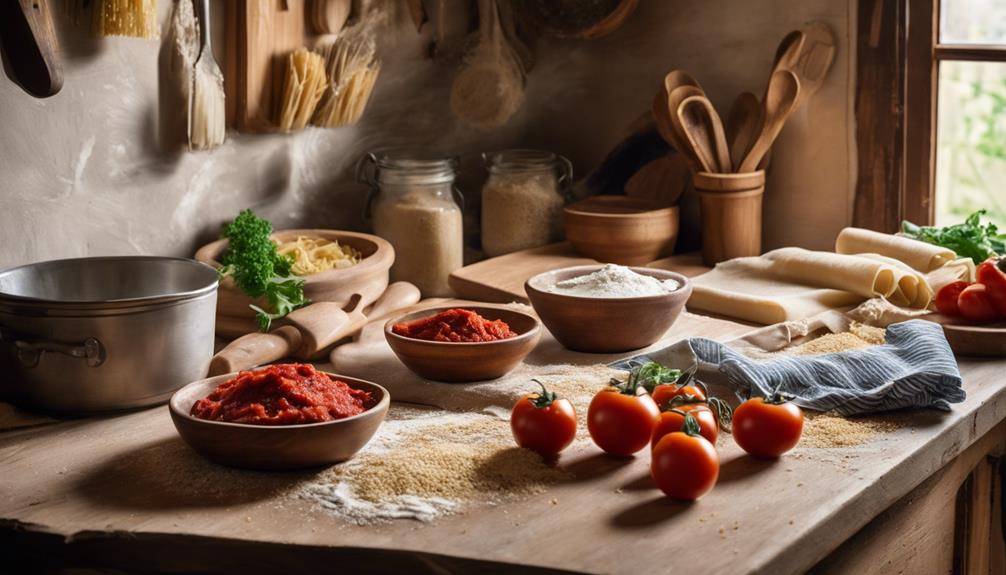
Pasta Making: A Comprehensive How-To Guide: Making healthy pasta from scratch transforms your meals into nutritious and delicious experiences. You can choose wholesome ingredients like whole grains and fresh vegetables, ensuring better nutrition. Start by creating a basic dough with flour, eggs, and salt, then knead it until smooth. Experiment with flavors by adding herbs or vegetable purees for a unique touch. Use a pasta maker for consistent thickness and various shapes, and don't forget to cook it quickly in salted water for the best texture. Ready to elevate your pasta game? There's much more to explore that'll take your dishes to the next level!
Benefits of Homemade Pasta
Click Here and Turn Every Masterpiece into a Showstopper!
When you roll out fresh dough on your kitchen counter, you're not just making pasta; you're creating a healthier meal option. Homemade pasta offers significant nutritional advantages over store-bought varieties. By choosing the ingredients yourself, you control the quality and add nutrients that enhance your meal. For example, you can substitute refined flour with whole grain or even incorporate vegetables like spinach or beetroot into the dough, boosting fiber and vitamins without sacrificing flavor.
Cost savings also play an essential role in the benefits of homemade pasta. Purchasing high-quality pasta from the store can be pricey, especially when you're feeding a family. By making your own, you can use basic ingredients—flour, eggs, and water—that are often less expensive in bulk. This means you can enjoy a delicious, wholesome meal without straining your budget.
Additionally, when you make pasta at home, you can prepare larger batches and freeze them for later use. This not only saves money but also guarantees that you always have a healthy meal option on hand, ready to cook in minutes.
Choosing Healthy Ingredients
When making healthy pasta, choosing the right ingredients is key. Opt for whole grain options that boost fiber content, and don't forget to add fresh vegetables for extra nutrition and flavor. These choices not only enhance your dish but also support a balanced diet.
Whole Grain Options
In recent years, whole grain pasta options have gained popularity for their health benefits and robust flavors. When you choose whole grain pasta, you're not just opting for a delicious meal; you're also making a nutritious choice. Whole grains retain the bran and germ, providing more fiber, vitamins, and minerals compared to refined pasta.
If you look at a nutritional comparison, whole grain pasta typically has higher protein content and lower glycemic index, which can help with blood sugar control. This makes it a great choice if you're watching your weight or managing diabetes. Plus, the added fiber promotes digestive health, keeping you feeling full longer.
You'll find various whole grain options, such as whole wheat, spelt, and brown rice pasta, each offering unique flavors and textures. Experimenting with these options can enhance your pasta dishes, making them not only healthier but also more satisfying.
Fresh Vegetable Additions
Whole grain pasta sets a strong foundation for nutritious meals, but the real magic happens when you pile on fresh vegetables. You can elevate your dish by incorporating vibrant, healthy additions. For a lighter option, try zucchini noodles or cauliflower gnocchi, which are perfect for absorbing flavors while keeping calories in check.
If you're in the mood for something hearty, consider spinach fettuccine or mushroom ravioli. They not only add rich textures but also pack in nutrients. Carrot linguine and beet pasta can bring a splash of color to your plate, making your meal visually appealing while boosting your intake of vitamins.
Don't overlook bell pepper penne, which provides a satisfying crunch and a dose of sweetness. Kale lasagna offers a creative twist on a classic, letting you enjoy layers of greens while still indulging in pasta.
Essential Tools and Equipment
To make healthy pasta at home, you'll need the right tools and equipment. Choosing the right pasta maker can make a big difference, along with some essential kitchen tools you likely already have. Let's explore what you need to get started on your pasta-making journey.
Pasta Maker Options
When it comes to crafting delicious homemade pasta, having the right tools can make all the difference. You'll find two main options for pasta makers: manual and electric. Each has its own advantages, so choose based on your needs and preferences.
Manual pasta makers are great if you enjoy the hands-on experience of pasta making. They're typically more affordable, lightweight, and don't require electricity. You can turn the handle at your own pace, which gives you more control over the dough thickness. Plus, they've got a classic charm that many home chefs appreciate.
On the other hand, electric pasta makers can save you time and effort. They automate the rolling and cutting process, allowing you to make pasta quickly, especially if you're preparing larger batches. With just the push of a button, you can produce consistent results. However, they tend to be pricier and require more storage space.
Ultimately, the choice between manual and electric pasta makers boils down to your cooking style and how often you plan to make pasta. Whichever you choose, you'll be well on your way to enjoying fresh, homemade pasta.
Essential Kitchen Tools
Having the right tools in your kitchen can elevate your pasta-making experience greatly. To start, a high-quality pasta maker is vital for achieving the perfect thickness during pasta rolling. Whether you choose a manual or electric model, this tool will help you create even sheets that are imperative for cooking consistency.
Next, invest in a sturdy wooden or marble surface for kneading your dough. This will provide the ideal workspace to guarantee proper dough hydration, allowing you to control the moisture level in your pasta. A bench scraper is also a handy tool for managing the dough and cleaning up afterward.
For cutting your pasta, a sharp knife or a specialized pasta cutter will make clean edges, enhancing both the look and texture of your noodles. Finally, don't forget about a good quality rolling pin if you prefer to roll out your dough by hand.
With these essential kitchen tools, you'll set yourself up for success in making delicious, healthy pasta from scratch.
Basic Pasta Dough Recipe
Ever wondered how to whip up a simple yet delicious pasta dough at home? Making your own pasta dough isn't just satisfying; it allows you to customize the texture and flavor to your liking. To get started, you'll need just a few basic ingredients: flour, eggs, and a pinch of salt.
Begin by measuring out about 2 cups of all-purpose flour and placing it on a clean surface or in a large bowl. Create a well in the center and crack in three large eggs, adding a pinch of salt. With a fork, beat the eggs gently and gradually incorporate the flour from the edges of the well. The dough will start to come together, and you can use your hands to knead it once it's cohesive.
Knead the dough for about 8 to 10 minutes until it's smooth and elastic. If you find the dough too sticky, sprinkle in a bit more flour as needed. This is where you can experiment with texture variations. For a firmer dough, add a little more flour; for a softer texture, you might consider a touch of water or even a splash of olive oil.
Once you've achieved the desired consistency, wrap the dough in plastic wrap and let it rest for at least 30 minutes. This resting period allows the gluten to relax, making it easier to roll out. After resting, your homemade pasta dough is ready for whatever shape you have in mind!
Flavor Variations and Additions
Adding flavor to your pasta dough can elevate your dishes and make them truly unique. One of the simplest ways to do this is through herb infusions. Fresh basil, rosemary, or spinach blended into the dough not only enhances the taste but also adds a beautiful color. You can also experiment with spice combinations; consider incorporating smoked paprika or chili powder for a kick.
If you enjoy nutty flavors, try adding ground almonds or hazelnuts to your dough for a delightful twist. For a revitalizing zing, citrus zest—like lemon or orange—can brighten up your pasta. Don't forget about umami boosters; a touch of miso paste or nutritional yeast can deepen the flavor profile considerably.
Protein enrichments can also enhance your pasta. Substitute some of the flour with chickpea or lentil flour to increase the nutritional value while adding a subtle taste. Seasonal vegetables can be incorporated by pureeing roasted carrots or beets into your dough, providing both flavor and nutrition.
Cheese pairings, such as ricotta or feta, can add creaminess directly into the dough itself, resulting in a richer texture. If you're in the mood for something different, consider seafood twists like incorporating squid ink for a dramatic color and flavor.
Lastly, don't shy away from international influences; adding ingredients like curry powder or tahini can create a fusion pasta that's exciting and delicious. With these variations, your pasta will stand out at any meal!
Click Here and Turn Every Masterpiece into a Showstopper!
Shaping and Cutting Techniques
While the dough's flavor can make a significant difference, how you shape and cut your pasta is equally important for achieving the perfect dish. Each pasta shape serves a unique purpose and complements different sauces and ingredients. Start by rolling out your dough to your desired thickness. For fettuccine, roll it into thin sheets, then use a sharp knife or a pizza cutter to slice it into strips. For a thicker pasta like pappardelle, cut wider strips.
If you prefer something more intricate, consider creating shapes like farfalle or orecchiette. For farfalle, cut your dough into rectangles, pinch the center, and fold the edges over. For orecchiette, roll small pieces of dough into balls, then use your finger to press and shape them into small cups.
You can also experiment with cutting techniques to create unique pasta shapes. Use a pasta machine for consistent thickness and even cuts. Attach different blades for various shapes, like spaghetti or lasagna sheets. For gnocchi, roll the dough into ropes and cut into bite-sized pieces, then use a fork to create ridges; this helps sauces cling better.
Cooking and Serving Suggestions
Cooking fresh pasta is a delightful experience that can elevate any meal. To get the most out of your homemade pasta, you'll want to master a few essential pasta cooking techniques. Start by bringing a large pot of salted water to a rolling boil. The salt not only enhances the flavor but also helps the pasta cook evenly. Once the water's boiling, add your pasta and give it a gentle stir to prevent sticking. Fresh pasta cooks quickly, so keep an eye on it; usually, just a couple of minutes will do.
When your pasta is al dente, reserve a bit of the cooking water before draining. This starchy water can be a game-changer when you're creating a sauce, allowing you to achieve the perfect consistency.
Now, let's talk about pasta serving styles. Consider tossing your pasta directly in the pan with your sauce to guarantee every strand is coated evenly. If you're feeling adventurous, try layering the pasta in a baking dish, alternating with sauce and cheese for a delicious baked pasta dish.
Don't forget to garnish! Fresh herbs, a sprinkle of grated cheese, or a drizzle of olive oil can take your dish to the next level. Whether you serve it in a bowl or on a plate, presentation matters. Embrace your creativity, and enjoy every bite of your wholesome, homemade pasta!
Storage and Preservation Tips
Proper storage and preservation of your homemade pasta can make a significant difference in maintaining its freshness and flavor. To keep your pasta at its best, you'll want to take into account how you store it based on when you plan to use it. Fresh pasta typically has a short shelf life, so you should aim to use it within a few days if stored in the refrigerator. Make sure to place it in an airtight container or wrap it tightly in plastic wrap to prevent it from drying out.
If you want to extend the shelf life of your pasta, freezing methods are your best friend. To freeze your pasta, first, let it dry for about 30 minutes. This helps prevent clumping. After that, you can either freeze it in individual portions or lay it flat on a baking sheet, ensuring the pieces don't touch. Once frozen, transfer the pasta to a freezer-safe bag or container. Be sure to label it with the date so you can keep track of how long it's been in the freezer. Generally, frozen pasta can last up to three months without losing its quality.
When you're ready to use your frozen pasta, there's no need to thaw it beforehand. Just drop it directly into boiling water and cook for a minute or two longer than fresh pasta. With these storage and preservation tips, you'll always have delicious, homemade pasta ready for your next meal!
Creative Healthy Sauces
After storing your homemade pasta, it's time to think about how to elevate your dish with some creative healthy sauces. Start by exploring herb-infused sauces, which can add fresh flavors to your meal. Combine basil, parsley, or cilantro with olive oil and a splash of lemon for a vibrant dressing that complements any pasta type.
Nut-based sauces offer a deliciously creamy alternative. Blend your favorite nuts with garlic, nutritional yeast, and a bit of water to create a rich, vegan sauce. For a twist, try a creamy avocado sauce; just mash ripe avocados with lime juice, garlic, and salt for a smooth, satisfying topping.
If you're in the mood for something zesty, a spicy tomato sauce made with roasted garlic, crushed tomatoes, and red pepper flakes can bring heat and depth to your dish. Alternatively, citrus dressings made from fresh orange or lemon juice can brighten up your pasta, providing a revitalizing contrast.
Don't forget about pesto variations! You can easily swap traditional basil for spinach or arugula to make it lighter. Similarly, yogurt-based sauces, seasoned with herbs and spices, deliver a tangy punch without the heaviness of cream.
For a unique take, try vegetable purees, like a sweet pea or roasted red pepper base. Finally, mushroom cream sauces can add an earthy richness that's hard to resist. With these creative sauces, your homemade pasta will shine with flavor and health!
Click Here and Turn Every Masterpiece into a Showstopper!
Frequently Asked Questions: Pasta Making: A Comprehensive How-To Guide
Can I Make Pasta Without a Pasta Machine?
Yes, you can definitely make pasta without a machine! Use handmade techniques by rolling the dough with a pin or even your hands. Explore different rolling methods to achieve your desired thickness and texture. Enjoy!
How Do I Adjust Cooking Times for Whole Grain Pasta?
To adjust cooking times for whole grain pasta, you'll want to cook it a bit longer than regular pasta. Check the texture frequently; it should be tender yet firm, ensuring a perfect bite every time.
What Gluten-Free Options Are Available for Homemade Pasta?
If you're exploring gluten-free options for homemade pasta, consider using gluten-free flours like rice, chickpea, or almond. Each flour impacts pasta texture differently, so experiment to find your perfect balance for delicious results!
How Can I Incorporate Vegetables Into My Pasta Dough?
You can incorporate vegetable purees into your pasta dough for vibrant color variations and added nutrients. Simply mix the puree with your flour and eggs, adjusting ratios until you achieve your desired consistency and flavor.
Can I Freeze Uncooked Pasta for Later Use?
Yes, you can freeze uncooked pasta for later use! Just make certain it's properly shaped and dried slightly. Use airtight containers or freezer bags, employing effective freezing techniques to maintain pasta quality during storage.

Conclusion
Making healthy pasta at home is a rewarding experience that lets you control the ingredients and flavors. By choosing wholesome ingredients and experimenting with various shapes and sauces, you can create delicious dishes that suit your dietary needs. Don't forget to store any extras properly so you can enjoy your homemade pasta later. With the right tools and techniques, you'll impress your friends and family with your culinary skills. So, roll up your sleeves and start pasta-making today!