Seven Essential Tips For Pairing Pizza With Italian Wine
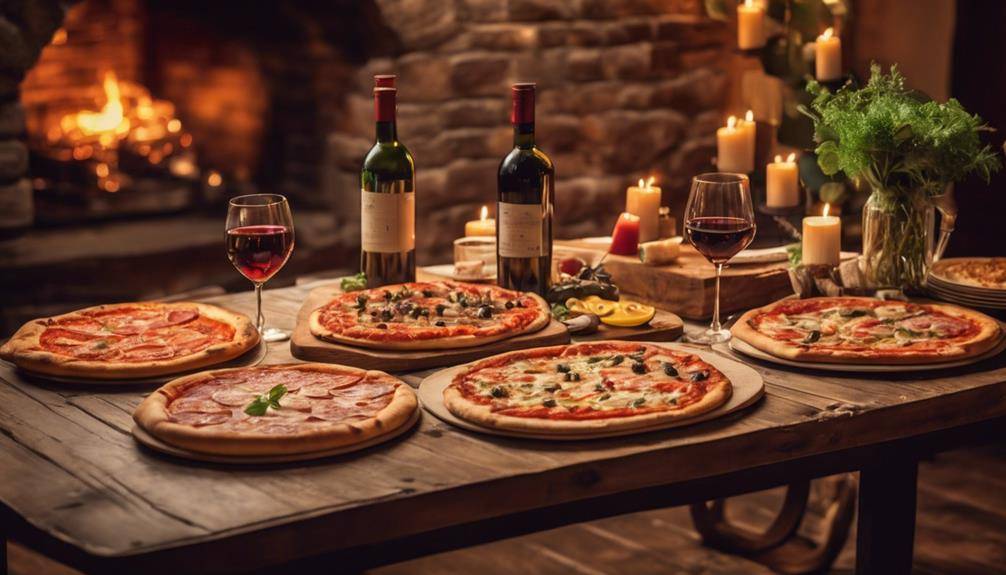
Tips For Pairing Pizza With Italian Wine: Pairing pizza with Italian wine can elevate your dining experience. Start by understanding your toppings; light wines work well with lighter pizzas, while hearty options call for robust reds. Next, match the wine body to the pizza's weight and pay attention to acidity levels. Explore regional pairings to enhance flavor, choosing between reds, whites, or even versatile rosés. Don't forget to experiment with sparkling wines for an added twist. Finally, serve your wines at the right temperature to maximize enjoyment. Curious about more insights? There's plenty more to discover that'll take your pizza night to the next level.
Understand Your Pizza Toppings
Click Here and Turn Every Masterpiece into a Showstopper!
When it comes to pairing wine with pizza, understanding your toppings is essential. Each topping brings unique flavors and textures that can influence your choice of wine. Start by considering the topping flavors—are they savory like pepperoni, fresh like basil, or rich like four-cheese blends? These flavors play a significant role in finding the right wine.
Next, think about the topping textures. Crispy toppings like prosciutto can pair well with a light, invigorating wine, while creamy toppings like goat cheese may call for something a bit bolder. Topping combinations also matter; a mix of sweet and spicy toppings can create a delightful contrast that enhances your wine experience.
Don't forget about the topping origins. Traditional Italian toppings like San Marzano tomatoes and fresh mozzarella may pair best with local wines, enhancing the overall experience. Topping seasonality can also guide your choices; fresh spring vegetables might complement a crisp white, while hearty winter toppings could call for a robust red.
Your topping preferences are key, too. If you love a classic Margherita, you might lean towards a Chianti. Topping influences and traditions from different regions of Italy can also enrich your pairing decisions. By understanding these aspects, you'll be well on your way to crafting the perfect pizza and wine pairing that reflects your tastes and the rich culinary history behind each topping.
Match Wine Body With Pizza
Finding the right wine body to match your pizza can elevate your dining experience considerably. When pairing, think about the wine intensity and how it relates to the weight of your pizza. Generally, you want to match light versus heavy. If you're enjoying a Margherita pizza with its fresh tomatoes and mozzarella, a light-bodied wine like Pinot Grigio or a young Chianti can complement those flavors without overwhelming your palate. The crispness of a light wine enhances the freshness of the toppings.
On the other hand, if you're indulging in a meat-laden pizza, such as a spicy pepperoni or a hearty sausage pie, you'll need a heavier wine body. Options like a robust Barbera or a full-bodied Primitivo work wonders here. These wines have the intensity to stand up to the rich flavors of the pizza, creating a more harmonious balance.
It's crucial to take into account both the weight of the pizza and the wine. A heavy pizza calls for a wine that can match its richness, while a lighter pizza deserves a more delicate wine. This doesn't mean you can't experiment; sometimes, contrasting the weight can yield delightful surprises. Just remember that the goal is to guarantee the wine and pizza complement each other, enhancing the overall experience. Ultimately, trust your palate and enjoy the process of discovering what works best for you!
Consider Acidity Levels
When you're pairing pizza with Italian wine, acidity plays a vital role in achieving balance. A wine's acidity can complement the sauce's tanginess, enhancing the overall flavor. Plus, understanding regional wine characteristics helps you make better choices that elevate your pizza experience.
Importance of Balance
Achieving balance in your pizza and wine pairing hinges on understanding acidity levels. Different pizza styles, from the tangy Margherita to the rich quattro formaggi, have varying acidity that can greatly influence your choice of wine. For example, a pizza topped with fresh tomatoes and basil boasts higher acidity, making it a perfect match for a zesty Chianti from Tuscany. This wine's acidity complements the pizza's flavors, creating a harmonious experience.
On the other hand, if you're indulging in a meat-laden pizza like a pepperoni or sausage pie, you might lean towards a wine with softer acidity, such as a Barbera from Piedmont. The lower acidity balances the richness of the toppings, enhancing your meal without overpowering it.
When selecting wine from diverse wine regions, always consider how the wine's acidity interacts with the pizza's components. A well-balanced pairing elevates both the pizza and the wine, allowing you to enjoy the nuances of each. So, next time you're planning a pizza night, pay close attention to acidity levels for a delightful dining experience.
Wine and Sauce Pairing
How can you enhance your pizza experience by pairing the right wine with your sauce? The key lies in considering the acidity levels of both your sauce types and the wine. Tomato-based sauces are popular, and they typically boast a high acidity level. To complement this, you'll want a wine that matches that zest. A Chianti, with its bright cherry notes and lively acidity, works wonders with your classic marinara.
On the other hand, if you're opting for a white sauce like Alfredo, which has a creamier texture and lower acidity, you'll want a wine that balances that richness. A full-bodied Chardonnay can offer the buttery notes needed to enhance the flavor profile of the sauce.
For pesto, which has a vibrant herbal flavor, consider a crisp Sauvignon Blanc. The wine's acidity cuts through the richness of the oil and cheese in the pesto, creating a delightful pairing. By understanding the interplay between sauce types and wine acidity, you can elevate your pizza night into a truly memorable culinary experience. So next time, think about that sauce before choosing your wine!
Regional Wine Characteristics
Understanding regional wine characteristics is vital for enhancing your pizza experience, especially when considering acidity levels. Different regions in Italy produce wines with unique traits influenced by their terroir. For instance, wines from coastal areas often have higher acidity, making them perfect for pairing with tangy tomato-based pizzas. On the other hand, wines from warmer regions may present lower acidity, which can complement rich, cheesy toppings.
Familiarizing yourself with local grape varieties can further refine your choices. For example, Sangiovese, common in Tuscany, offers bright acidity and cherry flavors, while Barbera from Piedmont brings a revitalizing tartness. These tasting notes reveal how acidity plays an important role in balancing flavors.
Винные традиции across Italy also shape the way acidity is perceived in each wine. In regions like Abruzzo, you'll find wines that harmonize beautifully with savory toppings due to their crispness. By understanding these regional characteristics, you can select wines that not only elevate your meal but also celebrate the diversity of Italian winemaking. So next time you enjoy a slice, think about how acidity can enhance your wine and pizza pairing experience!
Explore Regional Pairings
When you think about pairing pizza with wine, it's crucial to contemplate the regional characteristics of both. Each area in Italy has its own unique wine styles and traditional toppings that influence the perfect match. Let's explore some local pairings that highlight these delicious combinations.
Regional Wine Characteristics
Exploring the vibrant world of Italian wines reveals a tapestry of regional characteristics that can elevate your pizza experience. Each region's terroir influence shapes the wine's flavor profiles, making some varieties perfect companions for your favorite pizza. For instance, the clay and limestone soils of Tuscany produce Sangiovese, known for its vibrant acidity—ideal for tomato-based pies.
You'll notice varietal differences as you venture through Italy. In Piedmont, the Nebbiolo grape thrives in cooler climates, resulting in bold reds that pair beautifully with rich toppings like mushrooms. Similarly, the winemaking techniques and aging processes unique to each area contribute to the wine's character, enhancing your meal.
Consider the climate impact on the wines from regions like Sicily, where the warm Mediterranean climate fosters ripe, fruity flavors. These wines can complement spicier pizzas, creating delightful food pairings. Embracing regional traditions, like enjoying a crisp Prosecco with a Margherita pizza, showcases how local customs enhance the dining experience. By understanding these regional characteristics, you can make informed choices that elevate your pizza and wine pairing to new heights.
Traditional Toppings Influence
Regional wine characteristics play a significant role in how traditional pizza toppings influence your wine choices. When you reflect on classic combinations, it's crucial to examine the toppings' origins and the wines from those same regions. For instance, if you've got a Margherita pizza topped with fresh mozzarella, basil, and tomatoes, a crisp, light white like a Verdicchio from the Marche region pairs beautifully. The wine's acidity complements the tomatoes, enhancing the overall experience.
Topping trends can also guide your wine selections. If you're enjoying a pizza with spicy salami or pepperoni, you might want to reach for a medium-bodied red, like Chianti, which balances out the spice while accentuating the flavors of the meat. For veggie lovers, a pizza topped with artichokes or mushrooms pairs nicely with a Pinot Noir, as its earthy notes echo the toppings.
Ultimately, understanding how traditional toppings interact with regional wines allows you to elevate your pizza nights. Embrace the journey of exploring these pairings, and you'll discover delightful surprises that enhance your dining experience.
Local Pairing Recommendations
Finding the perfect wine to pair with your pizza can elevate your meal, and focusing on local options can lead to delightful discoveries. Explore local varietals that complement your favorite toppings, whether you're in the heart of Tuscany or a cozy corner of California. Many artisan wineries offer unique wines ideal for pizza, showcasing the flavors of the region.
Attending food festivals is a great way to sample seasonal pairings that celebrate local cuisine and wine. You'll often find tasting events where you can try various combinations, gaining insights from experts. Pairing guides can also be valuable resources, helping you navigate the best matches for your pizza choices.
Don't miss out on vineyard tours, where you might meet winemakers who share their passion and knowledge. Engaging in wine education can deepen your appreciation for local wines and enhance your overall dining experience.
Choose Between Red and White
When it comes to choosing between red and white wine for your pizza, the key lies in balancing flavors. The toppings on your pizza play a significant role in determining which wine complements your meal. If you're savoring a classic Margherita with its fresh tomatoes and mozzarella, a crisp white wine like Pinot Grigio can elevate the flavors. Its acidity cuts through the richness of the cheese, creating a revitalizing pairing.
On the other hand, if you're indulging in a meat-laden pizza like pepperoni or sausage, a robust red wine like Chianti or Barbera is your best bet. The tannins in red wine enhance the savory notes of the meat, resulting in a harmonious blend.
Consider the sauce as well. Tomato-based sauces generally pair better with red wines due to their acidity and boldness. For a white pizza topped with creamy ricotta or garlic, a light-bodied white wine such as Verdicchio can complement the dish without overwhelming it.
Don't forget about personal preference, either. If you're a die-hard red wine fan, you can often find a way to make it work, even with lighter pizzas. Ultimately, it's about enjoying your meal. Experiment with different combinations and see what suits your palate best. Remember, the right wine can enhance not just the pizza, but the overall dining experience. So, choose wisely and savor every bite!
Click Here and Turn Every Masterpiece into a Showstopper!
Experiment With Sparkling Wines
If you haven't tried pairing pizza with sparkling wine yet, you're in for a delightful surprise. The effervescence of sparkling wines adds an unexpected layer of enjoyment to your pizza experience. The bubbles' brightness can refresh your palate, cutting through the richness of cheese and toppings while enhancing every bite.
When exploring this pairing, consider the texture complexity of both your pizza and the sparkling wine. A classic Neapolitan pizza with its charred crust, fresh tomatoes, and creamy mozzarella beautifully complements a crisp Prosecco. The wine's bubbles lift the flavors, making each mouthful feel lighter and more vibrant. If you're enjoying a heartier pizza, like a meat lover's or a deep-dish creation, opt for a sparkling red like Lambrusco. Its fruity notes and subtle tannins work wonders with the rich flavors, offering a delightful contrast that keeps your taste buds engaged.
Don't limit yourself to just one type of sparkling wine. Try experimenting with different varieties, from dry to slightly sweet, to see how they interact with various pizza styles. You might find a dry sparkling wine, like Franciacorta, enhances a white pizza with ricotta, while a sweeter option pairs well with a savory barbecue chicken pizza.
Balance Flavors and Textures
Balancing flavors and textures is key to a satisfying pizza and wine pairing. When you think about your pizza, consider its toppings, sauce, and crust. Each element contributes to the overall texture and flavor profile. For instance, a thin, crispy crust with fresh vegetables and a light tomato sauce calls for a wine that lifts those flavors while providing texture contrast. A zesty white wine, like a Verdicchio, can complement the freshness of the toppings without overwhelming them.
On the other hand, if you're enjoying a hearty meat-laden pie with a thick, chewy crust, you'll want a bolder red wine, such as a Chianti or Barbera. These wines offer the depth needed to match the rich flavors of the toppings, creating a flavor harmony that enhances the entire dining experience. The key is to guarantee that neither the pizza nor the wine overshadows the other.
Don't forget about the importance of acidity and tannins. A wine with bright acidity can cut through the richness of cheesy, creamy pizzas, while wines with softer tannins will harmonize better with more delicate flavors. Pay attention to how the textures interact; the crunch of the crust should balance with the smoothness of the cheese and toppings. By thoughtfully choosing wines that complement both the flavors and textures of your pizza, you'll elevate your meal to new heights, ensuring every bite and sip is perfectly enjoyable.
Don't Overlook Rosé Options
Don't underestimate the versatility of rosé wine when it comes to pizza pairings. Many people stick to the classic red or white options, but rosé varieties offer a rejuvenating alternative that can elevate your pizza experience. With their balanced acidity and fruit-forward profiles, rosé wines can complement a wide range of toppings.
When you're selecting a rosé, consider the specific pizza you're serving. If you have a Margherita pizza topped with fresh mozzarella, basil, and tomatoes, a dry rosé with notes of strawberry or watermelon can enhance the flavors beautifully. For more robust offerings, like a pepperoni or sausage pizza, opt for a slightly fuller-bodied rosé that can stand up to the richness of the meat.
Don't forget about the diverse food pairings that rosé wine can handle. It pairs well with lighter pizzas, like those topped with vegetables or seafood. A rosé with hints of citrus can bring out the freshness of a white pizza topped with ricotta or garlic. Even sweeter rosé options can work surprisingly well with spicy pizzas, offering a delightful contrast to the heat.
Next time you're planning a pizza night, think outside the box and reach for a bottle of rosé. With its versatility and ability to complement a variety of toppings, you'll likely discover a new favorite pairing that enhances your meal in unexpected ways.
Serve at the Right Temperature
Serving wine at the right temperature can greatly enhance your pizza experience, as it allows the flavors and aromas to shine. Each type of wine has its ideal wine temperature, which plays a vital role in flavor enhancement. For example, whites and rosés are best served chilled, typically between 45°F to 55°F. This cooler temperature helps maintain their crispness and rejuvenating qualities, making them perfect for lighter pizzas topped with fresh veggies or seafood.
On the other hand, reds, especially fuller-bodied varieties, should be served slightly cooler than room temperature, around 60°F to 65°F. This temperature range allows their rich flavors to come forward without overwhelming your palate, particularly when paired with meaty or cheesy pizzas.
Here are some serving tips to keep in mind. Invest in a wine thermometer to guarantee you're hitting those ideal temperatures. If you're short on time, a quick chill in the freezer for about 20 minutes can work wonders for whites. For reds, a few minutes in the fridge can help bring them down to the right temperature.
Glass selection also matters. Use a wider bowl for reds to allow them to breathe, while narrower glasses work well for whites and rosés, concentrating their aromas. Remember, the right wine temperature, combined with thoughtful glass selection, can elevate your pizza night from ordinary to extraordinary. Enjoy the experience!
Click Here and Turn Every Masterpiece into a Showstopper!
Frequently Asked Questions: Tips For Pairing Pizza With Italian Wine
What Are the Best Pizza Styles for Wine Pairing?
When pairing pizza with wine, consider your toppings. For spicy pepperoni, a bold red like Chianti works well. For lighter toppings, like margherita, try a crisp white such as Pinot Grigio. Enjoy experimenting with different wine varieties!
Can I Pair Dessert Pizza With Wine?
Absolutely, you can pair dessert pizza with wine! Choose a dessert wine that offers a sweet flavor contrast to the pizza's toppings. This balance enhances the experience, making each bite and sip more enjoyable together.
How Do I Store Leftover Wine and Pizza?
To store leftover wine, use wine preservation methods like vacuum sealing or using a wine stopper. For pizza, wrap it tightly in foil or place it in an airtight container to keep it fresh.
What if I Have Dietary Restrictions?
If you've got dietary restrictions, don't worry! Explore gluten-free options for your pizza and try vegan pairings with lighter Italian wines. You can still enjoy a delicious meal that meets your needs without compromising flavor.
Are There Specific Glasses for Serving Wine With Pizza?
You can enhance your pizza experience by choosing the right wine glass types. For reds, use larger bowls; for whites, opt for narrower shapes. Serve your wine at the appropriate pizza serving temperature for maximal enjoyment.

Conclusion
Now that you've got these seven essential tips for pairing pizza with Italian wine, you're ready to elevate your next pizza night. Remember to contemplate your toppings, match the wine's body and acidity, and don't shy away from trying sparkling or rosé options. The right wine can enhance your meal, creating a delightful experience. So, grab a bottle, enjoy the flavors, and share your newfound knowledge with friends. Cheers to perfect pairings!