Pairing Wine And Chocolate: A Comprehensive Guide
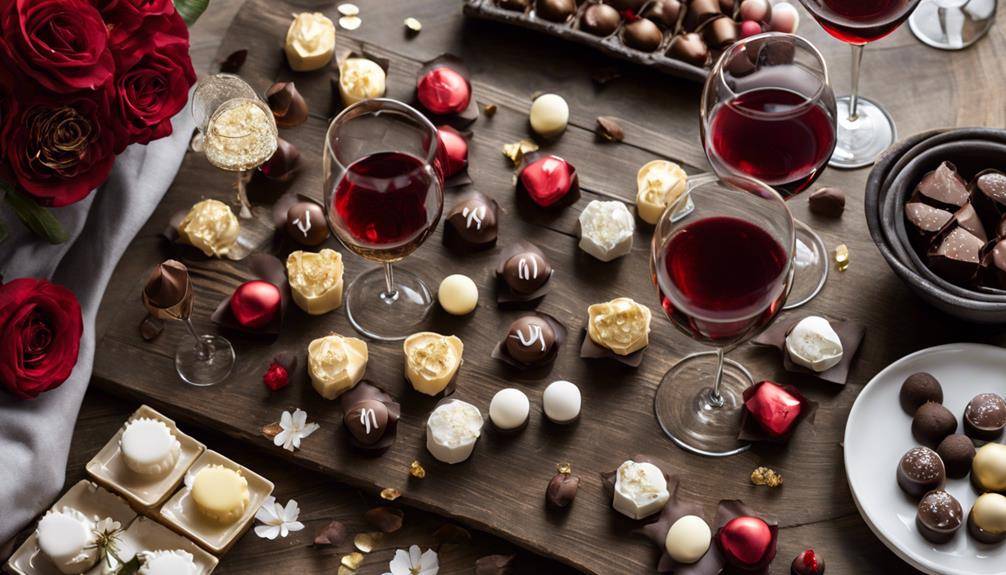
Wine And Chocolate: A Comprehensive Guide: Pairing wine and chocolate can elevate your tasting experience, blending rich flavors and textures. Start by matching intensity—full-bodied reds, like Cabernet Sauvignon, complement dark chocolate, while milk chocolate calls for lighter wines such as Riesling. Consider the chocolate's aroma notes, like fruity or nutty, to find complementary wines. Don't shy away from exploring dessert wines with sweet chocolates for a decadent treat. Experiment with textures and savor the contrast. With a variety of wines and chocolates, you'll discover exciting pairings that delight the palate. There's much more to explore in the art of pairing that can enhance your experience even further.
Understanding Flavor Profiles
Click Here and Turn Every Masterpiece into a Showstopper!
When it comes to pairing wine and chocolate, understanding flavor profiles is essential for a delightful experience. You'll want to pay attention to the flavor intensity of both the wine and the chocolate, as this can make or break your pairing. A rich, dark chocolate will often have a more robust flavor profile, while a lighter milk chocolate offers subtle sweetness. Matching these intensities is key; for instance, a full-bodied red wine pairs beautifully with high-cocoa chocolate, enhancing the experience.
Next, consider the aroma notes present in both the wine and chocolate. Chocolate can display various notes—think of fruity, nutty, or even floral hints. On the other hand, wines have their own complex aroma notes, ranging from berry and spice to earthy undertones. When you select a wine, aim for one that complements or contrasts with the chocolate. For example, a fruity Merlot can highlight the berry notes in a chocolate truffle, while a bold Cabernet Sauvignon can provide a delightful contrast to a sweet chocolate dessert.
Types of Chocolate
When it comes to chocolate, you'll find a variety of types that cater to different tastes. Dark chocolate offers rich flavors and varying cocoa content, while milk chocolate brings a creamier, sweeter profile. Don't forget about white chocolate, which provides a unique taste experience all its own.
Dark Chocolate Varieties
Dark chocolate comes in several varieties, each offering a unique flavor profile and intensity. The most common types include bittersweet, semisweet, and extra dark chocolate. Bittersweet chocolate typically contains around 60-70% cocoa, providing a rich, robust flavor that pairs beautifully with full-bodied red wines. Semisweet chocolate, with its slightly lower cocoa content, is often used in baking and has a sweeter taste, making it a great match for sweeter wines like port.
Extra dark chocolate raises the stakes with cocoa percentages ranging from 70% to 90%. This variety boasts a bold flavor intensity that can be both intense and slightly bitter. When choosing wines for extra dark chocolate, consider full-bodied reds or even a complex dessert wine to balance the depth.
You'll also want to pay attention to ingredient origins, as they can notably impact the flavor experience. Chocolates made from beans sourced in different regions, like Madagascar or Venezuela, can offer fruity, nutty, or floral notes. Exploring these varieties not only enhances your chocolate experience but also elevates your wine pairing journey!
Milk Chocolate Types
Milk chocolate offers a delightful contrast to dark chocolate varieties, boasting a creamier texture and sweeter flavor profile. Its origins date back to the 19th century, when innovators like Daniel Peter combined chocolate with milk powder, creating the smooth treat we recognize and love today. As you explore milk chocolate types, you'll find a range of options that cater to different tastes and preferences.
Some popular milk chocolate brands include Cadbury, Lindt, and Ghirardelli. Each one brings its unique spin on this beloved confection. Cadbury's Dairy Milk is known for its rich creaminess, while Lindt's milk chocolates often feature a silky texture that melts in your mouth. Ghirardelli, on the other hand, offers a slightly darker take on milk chocolate, making it a perfect choice for those who enjoy a balance between sweetness and cocoa flavor.
When pairing wine with milk chocolate, consider lighter, fruitier wines like Riesling or Moscato. These wines enhance the chocolate's sweetness without overpowering it, creating a harmonious tasting experience. So, immerse yourself in the world of milk chocolate and enjoy the delightful combinations it can bring to your palate!
White Chocolate Options
In recent years, white chocolate has gained popularity for its unique flavor and versatility. Unlike traditional chocolate, which contains cocoa solids, white chocolate is made from cocoa butter, sugar, and milk solids. This gives it a creamy texture and a sweet, buttery taste that pairs beautifully with various wines.
When exploring white chocolate flavors, consider options like vanilla, raspberry, or even matcha. Each flavor brings its own set of pairing nuances that can enhance your tasting experience. For instance, vanilla white chocolate complements a fruity Chardonnay, while raspberry white chocolate pairs wonderfully with a light sparkling wine, creating a delightful contrast.
If you're feeling adventurous, try pairing white chocolate with a rich dessert wine, such as a late-harvest Riesling. The sweetness of the wine can balance the creaminess of the chocolate, creating an indulgent treat. Don't forget to experiment with different textures too; crunchy white chocolate bark can add an exciting element to your wine pairing.
Ultimately, the key is to think about how the flavors interact. With the right combination, white chocolate can elevate your wine tasting to a whole new level. Enjoy discovering your perfect pairings!
Types of Wine
Exploring the world of wine reveals a diverse array of options, each with unique characteristics that can enhance the chocolate experience. You can start with red wine, which often boasts rich flavors that pair beautifully with dark chocolate. The tannins in red wine can complement the chocolate's bitterness, creating a harmonious balance.
If you prefer something lighter, white wine offers crispness and acidity, making it a great match for milk chocolate. Its invigorating notes can elevate the creaminess of the chocolate, providing a delightful contrast. Don't overlook sparkling wine, either; its effervescence can cleanse your palate between bites, making it a fun choice for chocolate truffles.
For those with a sweet tooth, dessert wine is an excellent option. These wines are specifically crafted to enhance sweet treats, and they can create a luscious pairing with various chocolate types. Fortified wine, like port or sherry, brings added complexity and richness, which can beautifully complement chocolate desserts.
Natural and organic wines are gaining popularity, and they offer a unique experience. These wines are produced with minimal intervention, allowing the true essence of the grapes to shine through. You might find sweet wine options that provide a perfect balance to the richness of chocolate, bringing a delightful synergy to your pairing.
Classic Pairing Suggestions
When it comes to classic pairings, dark chocolate and red wine create a rich and satisfying combination you won't want to miss. If you prefer something sweeter, milk chocolate pairs beautifully with white wine, balancing flavors perfectly. Let's explore these techniques and more to elevate your tasting experience.
Dark Chocolate and Red
Dark chocolate and red wine create a classic pairing that delights the senses. The rich, intense flavors of dark chocolate complement the bold characteristics of red wine, making it a favorite among connoisseurs. When you choose dark chocolate, you're not only enjoying its deep cocoa flavor but also benefiting from its antioxidants and mood-boosting properties. These dark chocolate benefits enhance your tasting experience, as they can elevate the pleasurable effects of the wine.
To create the perfect pairing, opt for a full-bodied red, like Cabernet Sauvignon or Syrah. These wines often exhibit dark fruit notes and a hint of spice, which harmonize beautifully with the bitterness of high-quality dark chocolate. Alternatively, a fruity Pinot Noir can offer a lighter contrast, allowing the chocolate's complexity to shine.
Experiment with different combinations to find your ideal match. Try pairing a 70% dark chocolate with a robust Malbec to experience a delightful balance. Whether you're savoring a quiet evening or celebrating a special occasion, this classic pairing invites you to indulge in the luxurious flavors of life. Enjoy the journey of discovery as you explore the wonderful world of dark chocolate and red wine!
Milk Chocolate With White
While dark chocolate and red wine create a harmonious experience, milk chocolate pairs beautifully with white wine for a different kind of indulgence. The creamy, sweet nature of milk chocolate complements the crisp, fruity notes found in many white wines, establishing a delightful flavor balance.
To get started, consider pairing milk chocolate with a fruity Sauvignon Blanc. The wine's zesty acidity contrasts with the chocolate's richness, elevating both elements. Alternatively, a smooth Chardonnay can enhance the creaminess of milk chocolate, creating a luxurious mouthfeel that lingers.
If you're feeling adventurous, try a Riesling. Its sweetness and floral hints meld perfectly with the soft flavors of milk chocolate, crafting a dessert experience that's both invigorating and satisfying. For a unique twist, you might explore a sparkling wine, like Prosecco. The bubbles and bright acidity cut through the chocolate's richness, offering a lively and effervescent pairing.
Ultimately, the key is to experiment and find what resonates with your palate. With these classic pairings, you'll be well on your way to enjoying the delectable combination of milk chocolate and white wine.
Pairing Techniques to Explore
Exploring classic pairing techniques can elevate your wine and chocolate experience to new heights. To create a harmonious sensory experience, consider the texture contrast between smooth milk chocolate and a full-bodied Cabernet Sauvignon. This pairing highlights the tannin influence of the wine, balancing the chocolate's creaminess.
Flavor balance is essential; choose a wine that complements the chocolate's sweetness levels. For instance, a dark chocolate with high cocoa content pairs beautifully with a rich Port, enhancing the aroma pairing and creating an indulgent finish.
Don't overlook regional variations. Pairing a fruity Zinfandel with local fruit-infused chocolates can enhance the overall experience. Pay attention to acidity interplay as well; a wine with bright acidity can cut through the richness of chocolate, creating a invigorating contrast.
Experiment with vintage selection; older wines may have developed complex flavors that harmonize with certain chocolate types. Finally, consider pairing ratios; a small piece of chocolate with a sip of wine can provide a balanced experience, allowing you to savor both components fully. By playing with these techniques, you can discover delightful pairings that surprise and delight your palate.
Click Here and Turn Every Masterpiece into a Showstopper!
Tips for Successful Pairing
When it comes to pairing wine and chocolate, a few key tips can elevate your tasting experience. First, focus on achieving flavor balance. You'll want the wine and chocolate to complement each other rather than compete. For example, a rich, dark chocolate pairs beautifully with a bold red wine like Cabernet Sauvignon, enhancing the deep flavors of both. Conversely, a light, fruity chocolate might be better suited to a crisp white wine, creating a harmonious blend.
Next, consider texture contrast when making your selections. The creamy mouthfeel of chocolate can be beautifully offset by a wine with high acidity, like a sparkling wine or a Sauvignon Blanc. This contrast not only refreshes your palate but also highlights the unique qualities of each element.
Don't forget to pay attention to the intensity of both the wine and the chocolate. A full-bodied wine can easily overpower a delicate chocolate, so it's crucial to match their strengths. As a rule of thumb, pair lighter wines with lighter chocolates and bolder wines with richer chocolates.
Lastly, don't shy away from experimentation. Your personal taste plays a significant role in successful pairings, so trust your instincts and have fun with it. Keep notes on what you enjoy, and soon enough, you'll develop a keen sense of the pairings that work best for you. Enjoy the journey of discovering the delightful world of wine and chocolate!
Hosting a Wine and Chocolate Tasting
Hosting a wine and chocolate tasting can be a delightful way to engage friends and indulge in exquisite flavors. Start by selecting a variety of wines and chocolates, keeping your guest preferences in mind. Choose chocolates that range from dark to milk, and pair them with wines like Cabernet Sauvignon, Merlot, or a sweet dessert wine. This variety will keep the tasting exciting and cater to different tastes.
Next, set the stage for a memorable evening. Create a cozy tasting ambiance by dimming the lights and adding candles or soft music. This will encourage conversation and help your guests relax as they savor each combination. Make sure to provide ample tasting notes or cards that highlight the characteristics of each pairing, so guests can appreciate the nuances.
As your guests arrive, invite them to sample the chocolates first, followed by the wines. Encourage them to take notes on their favorite pairings, which can spark lively discussions. You could even introduce a friendly competition by asking everyone to vote for their favorite pairing at the end of the night.
Click Here and Turn Every Masterpiece into a Showstopper!
Frequently Asked Questions: Wine And Chocolate: A Comprehensive Guide
Can I Pair White Chocolate With Red Wine?
You can pair white chocolate with red wine, but it's tricky. White chocolate's creamy sweetness might clash with red wine's bold profiles. Opt for lighter reds to complement the chocolate's characteristics without overpowering its delicate flavors.
How Do I Store Leftover Wine and Chocolate?
To store leftover wine, seal it tightly and refrigerate; use wine preservation tips like vacuum pumps. For chocolate, keep it cool in an airtight container. These methods guarantee both remain fresh for your next indulgence.
What Are the Health Benefits of Wine and Chocolate?
Wine and chocolate both offer health benefits. You'll enjoy their antioxidant properties, which combat free radicals. Plus, indulging in them can boost your mood, making those moments even more delightful and satisfying for you.
Are There Vegan Options for Wine and Chocolate Pairings?
Yes, you can definitely enjoy vegan options! Look for vegan chocolate made without dairy and pair it with organic wine, which often aligns with vegan practices. You'll find delightful combinations that satisfy your taste buds.
How Does Temperature Affect Wine and Chocolate Pairing?
Temperature greatly impacts flavor profiles in wine and chocolate pairings. You'll find that serving temperatures enhance certain notes, making the experience richer. Experiment with different temperatures to discover what complements your chosen flavors best.

Conclusion
Now that you know the basics of pairing wine and chocolate, it's time to get creative and experiment! Trust your palate and don't be afraid to try unexpected combinations. Remember, the best pairings come from personal preferences, so enjoy the process. Whether you're hosting a tasting or indulging solo, savor each bite and sip. With this guide in hand, you're set to elevate your wine and chocolate experience to new heights. Cheers to delicious discoveries!