11 Healthy Tips For Cooking With Herbs And Spices
Healthy Tips For Cooking With Herbs And Spice: Cooking with herbs and spices can transform your meals and enhance your health. Start by choosing fresh herbs, and don’t hesitate to grow your own for added flavor and sustainability. Experiment with blending different herbs and spices, and always use whole spices for maximum taste. Add herbs late in the cooking process to preserve their vibrant flavors, and consider incorporating zesty ingredients like citrus for extra brightness. Learn the flavor profiles of what you’re using, and explore uncommon varieties for unique dishes. There’s so much more you can discover to enrich your culinary adventures!
Choose Fresh Herbs
Click Here and Turn Every Masterpiece into a Showstopper!
When it comes to enhancing your dishes, fresh herbs are your secret weapon. They can elevate flavors, add vibrant colors, and contribute essential nutrients. To make the most of herbs, focus on herb selection techniques that guarantee you’re picking the best options for your meals. Start by examining the leaves—look for bright, healthy greens without any wilting or browning. The aroma is vital too; fresh herbs should have a strong, pleasant scent.
You should also consider seasonal herb availability. Different herbs thrive in various seasons, so knowing what’s fresh can make a world of difference in flavor. For instance, basil shines in summer, while rosemary holds its own in winter dishes. By choosing herbs that are in season, you not only get better taste but also support local farmers and reduce your carbon footprint.
When you visit a market, ask vendors about their freshest offerings. Sometimes, they might have unique varieties that aren’t widely available. If you’re growing your own herbs, think about planting a variety that corresponds to the seasons, guaranteeing you can enjoy fresh options year-round.
Experiment With Blends
Fresh herbs are just the beginning of your flavor journey. Once you’ve discovered the vibrant taste of fresh herbs, it’s time to take it a step further by experimenting with blends. Mixing different herbs and spices can elevate your dishes and create unique flavor profiles that you and your guests will love.
Start by exploring various herb combinations. For instance, basil, oregano, and thyme work beautifully together in Italian cuisine, while cilantro and mint can add a rejuvenating twist to Middle Eastern dishes. Don’t be afraid to mix and match! You might stumble upon an unexpected combination that becomes your new favorite.
Pay attention to spice ratios when creating your blends. A good rule of thumb is to start with equal parts of each herb or spice, adjusting according to your taste preferences. For stronger flavors, like rosemary or sage, use them sparingly, as they can easily overpower a dish. On the other hand, milder herbs like parsley or chives can usually be added in greater amounts.
Keep a notebook or a digital record of your experiments. Jot down the combinations you try, the ratios you use, and how each blend turns out. This way, you can recreate successful mixes or tweak them for future meals. Remember, experimenting is all about finding what works for you, so have fun with it! Your taste buds will thank you as you uncover the myriad of flavors that herbs and spices can bring to your cooking.
Store Properly
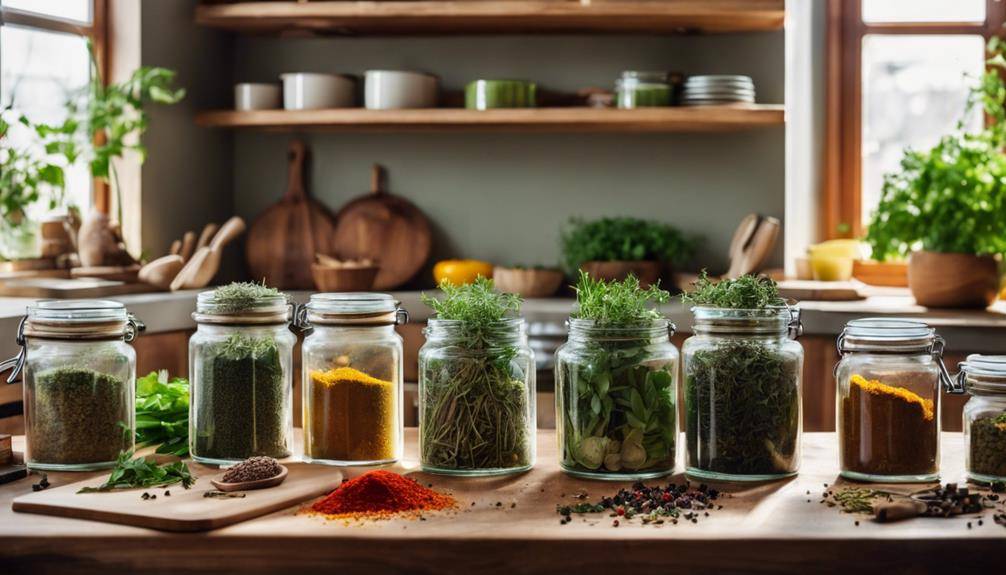
To make the most of your herbs and spices, proper storage is essential. If you want to keep their flavors and aromas intact, you’ll need to pay attention to how you store them. Start by using proper containers. Glass jars with airtight lids work best, as they prevent air and moisture from degrading your spices. Avoid using plastic containers, as they can absorb odors and may not provide the same level of protection.
Next, consider the location of your spices. Keep them in a cool, dark place, away from heat and direct sunlight. A pantry or a dedicated spice drawer is ideal. If you store them near your stove or in a cabinet that receives heat from cooking appliances, the high temperatures can diminish their potency over time.
You can also employ cooling methods to maintain their freshness. For instance, consider using vacuum-sealed bags for herbs, especially if you’ve dried them yourself. This method removes excess air, which can lead to quicker spoilage. If you have fresh herbs, store them in the refrigerator. Placing them in a glass of water, like a bouquet, can prolong their life. Alternatively, you can wrap them in damp paper towels and place them in a sealed bag to keep them fresh longer.
Use Whole Spices
Using whole spices can markedly enhance the flavor profile of your dishes. When you opt for whole spices instead of pre-ground varieties, you’re tapping into a world of freshness and potency that can elevate your cooking. Whole spices retain their essential oils and flavors longer, making them a staple in any kitchen.
To keep those spices at their best, focus on proper whole spice storage. Store them in airtight containers in a cool, dark place to protect them from light and moisture. If you can, buy whole spices in small quantities to guarantee you’re using them while they’re still potent. This practice aligns well with current global spice trends, where more people are seeking authentic and vibrant flavors in their meals.
You might want to invest in a spice grinder or mortar and pestle. Grinding your whole spices right before cooking releases their oils and intensifies their flavor, making your dishes more aromatic and delicious. Experiment with different combinations to discover unique blends that suit your palate.
Add Late in Cooking
Adding herbs and spices late in the cooking process can greatly enhance the freshness and vibrancy of your dishes. When you add them towards the end, you’re not only preserving their essential oils and flavors, but you’re also elevating your dish’s overall taste profile. This technique is particularly effective for delicate herbs like basil, cilantro, and parsley, which can lose their potency if cooked for too long.
Using the right cooking techniques can make all the difference. For example, consider adding fresh herbs just a few minutes before serving. This allows their flavors to bloom without being overcooked. If you’re making sauces or soups, sprinkle in your dried spices in the last stages of cooking to maintain their aromatic qualities.
Herb preservation is vital when you want to enjoy the full benefit of fresh herbs. By adding them late, you guarantee that their vibrant colors and nutrients remain intact. You’ll notice a significant difference in the flavor and texture of your dishes.
Make Herb Infusions
Making herb infusions is a fantastic way to elevate your dishes. Start by choosing fresh herbs that complement your meal, and experiment with different infusion techniques to discover what works best for you. Don’t forget to contemplate flavor pairings to enhance the overall taste of your creations!
Choosing Fresh Herbs
Fresh herbs can elevate your dishes and infuse them with vibrant flavors. When choosing fresh herbs, consider your herb selection carefully. Herbs like basil, cilantro, and parsley can make a significant difference in your cooking. Always look for herbs that are bright in color and free from browning or wilted leaves. The aroma should be strong and fresh, indicating their quality.
Seasonal availability plays a vital role in your herb selection. Herbs like dill and chives are often at their peak in spring, while rosemary and thyme thrive in summer. By selecting herbs that are in season, you’ll not only enjoy the best flavors but also support local farmers and reduce your carbon footprint.
Don’t hesitate to explore local farmers’ markets for fresh herbs; you’ll likely find unique varieties that aren’t available in grocery stores. When you choose fresh herbs, you’re not just adding flavor; you’re enhancing the nutrition of your meals. So, keep an eye on seasonal availability and make informed choices for your herb selection to create dishes that burst with flavor and freshness.
Infusion Techniques Explained
Releasing the full potential of herbs involves mastering infusion techniques that allow their flavors to permeate your dishes. You can start with two popular infusion methods: steeping and blending. Steeping is simple; just add fresh or dried herbs to hot water or oil and let them sit. The infusion duration depends on the herb—delicate herbs like basil need only a few minutes, while sturdier ones like rosemary may require up to an hour.
Blending, on the other hand, is ideal for creating herb pastes. Combine herbs with a bit of oil and blend until smooth. This method not only preserves the vibrant flavors but also enhances their intensity. Once again, pay attention to infusion durations; for the best results, let the blend rest for a short while to deepen the flavor.
Experimenting with these infusion methods can elevate your cooking. You can create flavorful oils, vinegars, or even broths that serve as the foundation for your meals. Embrace these techniques, and you’ll discover a new world of taste that truly showcases the herbs’ potential in your culinary creations.
Flavor Pairing Suggestions
When it comes to crafting delicious herb infusions, choosing the right flavor pairings can elevate your dishes to new heights. Start by experimenting with herb combinations that complement each other. For instance, basil and oregano work well together in Italian dishes, while cilantro and mint are perfect for fresh salsas or Middle Eastern recipes.
Consider the spice intensity of your chosen herbs. If you’re using stronger herbs like rosemary or thyme, balance them with milder flavors like parsley or chives. This way, you’ll avoid overwhelming your dish while still reaping the aromatic benefits.
Try infusing oils or vinegars with your selected herbs. For example, garlic-infused olive oil with a hint of thyme can enhance roasted vegetables, while a basil-infused vinegar adds a revitalizing touch to salads.
Don’t shy away from experimenting! Create unique blends by combining herbs with spices like cumin or coriander for an exciting twist. Remember, the key is to maintain harmony in flavors; this guarantees your herb infusions shine without overpowering the main ingredients. Happy cooking!
Click Here and Turn Every Masterpiece into a Showstopper!
Pair With Healthy Fats
Cooking with herbs and spices can elevate the flavors of your dishes, but pairing them with healthy fats can take your meals to the next level. Healthy fats, like olive oil, avocado oil, or nut oils, not only complement the vibrant flavors of herbs and spices but also help your body absorb the essential nutrients these ingredients offer. When you use these fats, you’re enhancing both the taste and the health benefits of your meals.
To make the most of your herbs, consider employing herb preservation techniques. Freezing, drying, or making herb-infused oils can extend their shelf life and bring unique flavors to your dishes. For instance, if you freeze basil in olive oil, you’ll have a ready-made base for sauces or dressings that pairs beautifully with your favorite spices.
Spice storage solutions are equally important. Keep your spices in airtight containers, away from light and heat, to maintain their potency. When they’re fresh, they’re more aromatic and flavorful, making your healthy fat pairings even more effective.
When preparing a meal, think about how you can incorporate these healthy fats. For a vibrant salad, use a dressing made from lemon, olive oil, and fresh herbs. In a stir-fry, sauté your vegetables in coconut oil with garlic and ginger, then sprinkle with freshly chopped cilantro. By combining healthy fats with herbs and spices, you’re not just cooking; you’re creating a delicious, nourishing experience.
Enhance With Zest
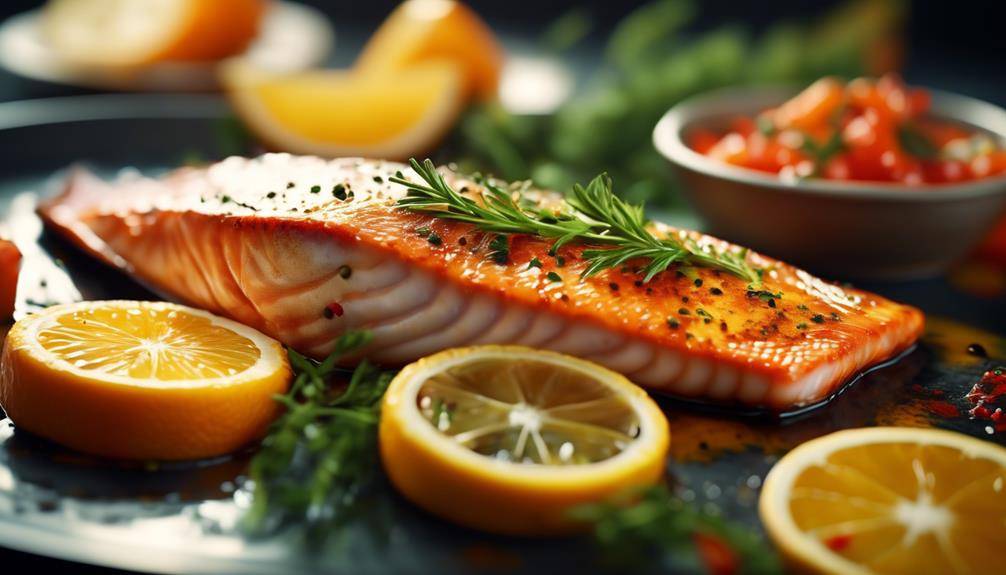
Adding zest to your dishes can make a remarkable difference in flavor and vibrancy. One of the simplest ways to achieve this is by incorporating citrus zest into your recipes. The bright, tangy notes of lemon, lime, or orange zest can elevate even the most basic dish. Just a teaspoon can transform your meals, enhancing everything from roasted vegetables to grilled fish.
You can also create zesty marinades that infuse your proteins with incredible flavor. Combine citrus zest with herbs, spices, and a splash of olive oil for a marinade that’ll make your chicken, pork, or tofu sing. Letting your ingredients soak in these zesty blends not only tenderizes but also packs a punch of flavor that’ll impress your family and friends.
Don’t forget about vibrant dressings, either. A zesty dressing can be the star of your salads, bringing them to life. Mix together some lemon or lime juice, a touch of zest, your favorite herbs, and a touch of honey or mustard for a invigorating, tangy dressing. Drizzle it over greens, roasted veggies, or even grains for a flavorful boost.
Incorporating zest into your cooking isn’t just about taste; it’s also about adding vibrancy and brightness to your dishes. You’ll find that with just a little zest, your meals can become a delightful experience, showcasing the vibrant flavors that herbs and spices have to offer. So, don’t hold back—get zesty in the kitchen!
Grow Your Own
Growing your own herbs can transform your cooking and save you money. It’s easier than you might think, and even a small space can yield a variety of fresh flavors. Let’s explore some simple tips to get you started on your herb garden.
Benefits of Home Gardening
Home gardening offers a unique blend of benefits that can enhance your cooking experience and overall well-being. By engaging in sustainable gardening practices, you not only contribute to a healthier environment but also enjoy fresh, organic herbs right from your backyard. This direct access allows for better herb preservation, ensuring you have the best flavors at your fingertips.
You can explore community gardening or container gardening, making it easy to grow herbs in limited spaces or alongside neighbors who share your passion. Seasonal planting is another advantage, as it encourages you to adapt your recipes based on what’s currently thriving. Implementing effective pest management strategies means you’ll be able to cultivate your herbs without harmful chemicals, promoting healthy soil health.
Utilizing native plants can further enhance your garden’s resilience and beauty. Plus, with the right gardening tools, you can streamline your gardening efforts and make the process enjoyable. Overall, home gardening not only empowers you to create delicious meals but also fosters a deeper connection to nature and the food you eat. So, why not dig in and start growing your own herbs today?
Easy Herb Planting Tips
Planting your own herbs can be a rewarding extension of your home gardening journey. Whether you have a spacious garden or just a small balcony, herb gardening can fit into your lifestyle. Start by selecting herbs that you frequently use, like basil, parsley, or mint. These herbs are not only easy to grow but also enhance your cooking.
For container planting, choose pots that have good drainage. Herbs thrive in well-drained soil, so use a quality potting mix. Make sure your containers receive plenty of sunlight; most herbs need at least six hours of direct light each day. Water them consistently but avoid overwatering, as this can lead to root rot.
When planting, space your herbs according to their growth needs. Some herbs, like cilantro, prefer more room, while others, such as chives, can grow closely. Regularly pinch back the leaves to encourage bushier growth and prevent flowering, which can make the leaves taste bitter.
Learn Flavor Profiles
Understanding flavor profiles is essential for enhancing your dishes with herbs and spices. By familiarizing yourself with how different flavors interact, you can create more balanced and delicious meals. Each herb and spice has its own unique characteristics, contributing to the overall taste of your dish. For instance, basil and oregano provide a fresh, aromatic quality, while cumin and coriander add warmth and earthiness.
When you’re cooking, think about the primary flavor of your dish. If you’re making a tomato-based sauce, basil and oregano are great herb seasonings to complement its acidity. For a hearty stew, you might consider using thyme or rosemary, which can deepen the flavors.
Spice diversity plays a vital role in expanding your culinary repertoire. Don’t shy away from experimenting with spices like smoked paprika or cardamom, which can introduce unexpected layers of flavor. Combine spices with your chosen herbs to create a more complex flavor profile. For example, pairing garlic with cumin can elevate your dish into something truly special.
Remember to taste as you go, adjusting the balance of your herbs and spices to suit your palate. It’s all about finding that perfect harmony. Understanding flavor profiles isn’t just a skill; it’s an art that allows you to express your creativity in the kitchen. With a bit of practice, you’ll soon discover the countless possibilities that herbs and spices bring to your cooking.
Try Uncommon Varieties
Trying uncommon herbs and spices can open up a world of unique flavor profiles that you might not have experienced before. You’ll not only enhance your dishes but also boost their nutritional benefits by incorporating these lesser-known varieties. So, why not step out of your comfort zone and experiment with something new?
Explore Unique Flavor Profiles
When exploring the world of herbs and spices, you might discover that uncommon varieties can elevate your dishes in surprising ways. By delving into regional herbs from different spice cultures, you can enhance your culinary creations with unique herb flavors. For instance, consider using epazote, an aromatic herb often found in Mexican cuisine, to add an earthy depth to your beans or soups.
Exploring spice traditions can also introduce you to lesser-known spices like grains of paradise, which offer a peppery yet citrusy kick. These unique flavors can transform your typical spice combinations into memorable meals.
Understanding the spice history behind these ingredients helps you appreciate their flavor intensity and versatility. Experiment with unusual culinary herbs like lovage or sorrel to create exciting new dishes. You might find that these herbs have specific uses that complement your favorite recipes beautifully.
Enhance Nutritional Benefits
Incorporating uncommon herbs and spices into your cooking not only adds exciting flavors but also boosts the nutritional profile of your meals. By experimenting with ingredients like sumac, za’atar, or fenugreek, you can reveal a world of health benefits. These lesser-known varieties often provide unique compounds that contribute to nutritional synergy, enhancing the absorption of vitamins and minerals in your dishes.
For instance, turmeric is celebrated for its anti-inflammatory properties, especially when paired with black pepper, which increases curcumin absorption. Similarly, adding fresh dill can help improve digestion while providing antioxidants. When you incorporate these unique herbs and spices, you’re not just seasoning your food; you’re also enriching it.
To maximize the benefits, try blending different herbs and spices. This combination can create a powerful punch of nutrients that supports your overall health. Don’t hesitate to explore your local markets or specialty stores for these uncommon varieties. As you experiment, you’ll likely find that your meals become not just tastier but also more nutritious. So go ahead, get creative, and enjoy the dual benefits of flavor and health by enhancing your culinary repertoire with these vibrant ingredients.
Click Here and Turn Every Masterpiece into a Showstopper!
Frequently Asked Questions: 11 Healthy Tips For Cooking With Herbs And Spices
Can I Use Dried Herbs Instead of Fresh Ones?
Yes, you can use dried herbs instead of fresh ones. Just remember, dried herbs have a stronger flavor intensity, so you’ll need less. Adjust accordingly to guarantee your dish maintains the right taste balance.
How Do I Know Which Herbs Complement Each Other?
To determine which herbs complement each other, explore their flavor profiles. Experiment with common herb pairings like basil and oregano or rosemary and thyme. Trust your palate; it’ll guide you to delicious combinations.
What Are the Health Benefits of Specific Herbs and Spices?
You’ll discover that different herbs have unique properties, like basil’s anti-inflammatory effects, while spices like turmeric offer powerful antioxidant benefits. By incorporating these into your meals, you enhance flavor and boost your health simultaneously.
Are There Any Allergies Related to Herbs and Spices?
Yes, you can experience herb allergy symptoms like itching or swelling, while spice allergy reactions might include hives or gastrointestinal issues. Always pay attention to your body’s reactions when trying new herbs and spices in your meals.
How Can I Incorporate Herbs and Spices Into Daily Meals?
You can easily incorporate herbs and spices into daily meals by experimenting with spice blending. Just remember to store herbs properly to maintain freshness, and sprinkle them generously to enhance flavor and nutrition in your dishes.

Conclusion
Cooking with herbs and spices can transform your meals into flavorful, healthy delights. By choosing fresh herbs, experimenting with blends, and using whole spices, you’re not just enhancing taste but boosting nutrition. Remember to store them properly and add them late in the cooking process for maximum flavor. Growing your own herbs and exploring uncommon varieties can also elevate your culinary skills. So, get creative, and enjoy the vibrant world of herbs and spices in your kitchen!