What Is The Best Method To Prepare Spaghetti Pasta
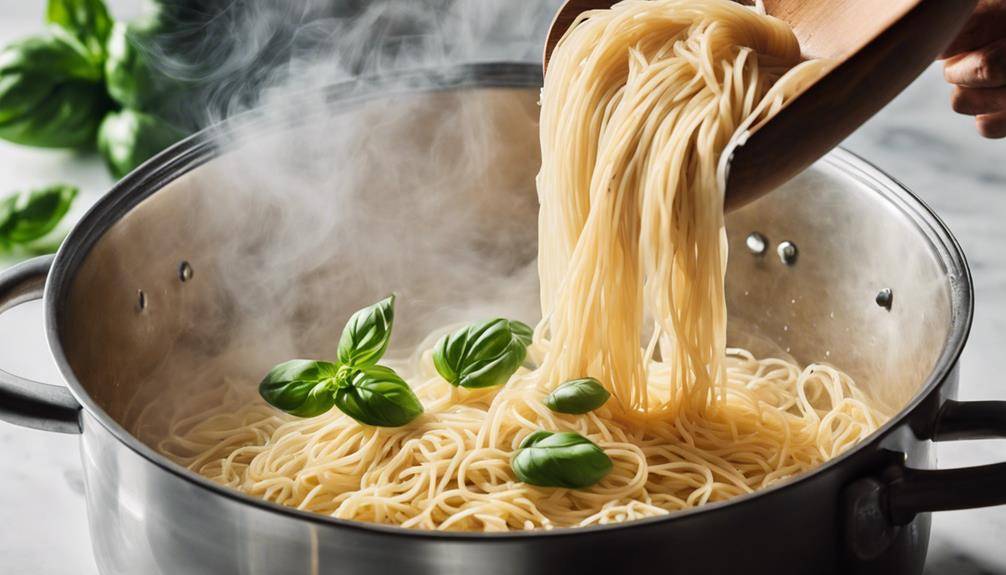
What Is The Best Method To Prepare Spaghetti Pasta: To prepare the best spaghetti, start by choosing high-quality, durum wheat pasta for better texture. Use a large pot with 4-6 quarts of water per pound, adding 1-2 tablespoons of salt to enhance flavor. Bring the water to a rapid boil before adding the spaghetti. Stir it gently to avoid sticking. Cook for 8 to 12 minutes, testing for that ideal al dente bite. Once done, drain and toss it with your favorite sauce. You can elevate your meal with fresh herbs or spices. Want to discover more tips and techniques for perfecting your spaghetti?
Selecting the Right Spaghetti
Click Here and Turn Every Masterpiece into a Showstopper!
When you're choosing spaghetti, it's essential to take into account both quality and type. You'll find that spaghetti varieties can greatly impact your dish, so it's worth exploring your options. Traditional spaghetti, typically made from durum wheat semolina, offers a firm texture and a slightly nutty flavor. If you're looking for something gluten-free, consider alternatives like brown rice or quinoa spaghetti. Each variety has its unique taste and texture, making your choice vital to the overall meal.
Next, think about pasta thickness. Standard spaghetti has a thin, cylindrical shape, but you might also encounter thicker options like bucatini, which has a hollow center. The thickness will affect how the sauce clings to the noodle, so if you prefer a hearty sauce, thicker pasta can provide a satisfying bite. On the other hand, if you're preparing a light sauce, traditional thin spaghetti can be the perfect match.
Additionally, pay attention to the brand. High-quality spaghetti often comes from Italy and features a rougher surface that helps sauces adhere better. You might also want to check for certifications, like "100% durum wheat," which guarantees you're getting a premium product. Ultimately, selecting the right spaghetti isn't just about filling your plate; it's about enhancing the entire dining experience. So, take your time and choose wisely!
Water Preparation Techniques
To cook perfect spaghetti, proper water preparation is essential. Start by filling a large pot with enough water to allow the pasta to move freely. A good rule of thumb is to use about four to six quarts of water for every pound of spaghetti. Next, bring the water to a boil. You want to reach the boiling point quickly, so use high heat and cover the pot with a lid. This helps trap the heat and speeds up the process.
Once the water reaches a rolling boil, take a moment to check the water temperature. Ideally, it should be around 212°F (100°C) at sea level. If you live at a higher elevation, the boiling point is lower, so keep that in mind. If you see large bubbles rapidly rising to the surface, you're ready to go.
Avoid adding the spaghetti before the water is boiling; this can lead to uneven cooking. Once you've reached the boiling point, it's time to add your spaghetti. Stir it right away to prevent it from sticking together.
The Importance of Salt
While many home cooks overlook it, adding salt to your pasta water is essential for enhancing flavor. The truth is, the salt benefits go beyond just taste. When you salt your water properly, you're not merely seasoning the pasta; you're creating a foundation for flavor that permeates every strand. This simple step can elevate your dish from bland to delicious.
To achieve the right seasoning balance, aim for about 1-2 tablespoons of salt per gallon of water. This amount might seem high, but remember that most of it will wash away, leaving behind just enough to season the pasta evenly. If you skip this vital step, your pasta will absorb water but miss out on the flavor enhancement that salt provides, resulting in a lackluster meal.
It's also worth noting that salting your water helps to improve the texture of your spaghetti. The salt raises the boiling point of the water, allowing the pasta to cook more evenly. This is especially important when you're aiming for that perfect al dente bite.
Cooking Time and Texture
Cooking spaghetti to perfection hinges on timing and texture. You want that ideal al dente texture, where the pasta is firm to the bite yet tender. Getting this right requires a good understanding of cooking times and the right cooking equipment.
Start by bringing a large pot of salted water to a rolling boil. The amount of water matters; you need enough to allow the spaghetti to move freely. When you add the pasta, keep an eye on the clock. Most spaghetti takes between 8 to 12 minutes to cook, but this can vary based on the brand and thickness. Always check the package for specific guidance.
While the pasta cooks, avoid stirring it excessively. A gentle stir once or twice will help prevent sticking. Also, remember that cooking equipment plays an essential role in achieving that perfect texture. A heavy-bottomed pot retains heat better, ensuring your water stays at a consistent boil. If you don't have a large pot, consider cooking the spaghetti in batches.
Once you're nearing the end of the cooking time, stay vigilant. The goal is to approach that al dente texture, where the pasta retains a slight firmness. Timing is critical here; overcooked spaghetti can become mushy and lose its appealing texture. By focusing on these aspects, you'll set yourself up for a delicious pasta dish that's perfectly cooked and ready to be paired with your favorite sauce.
Click Here and Turn Every Masterpiece into a Showstopper!
Testing for Doneness
Testing for doneness is a crucial step in ensuring your spaghetti reaches that perfect al dente texture. As you approach the end of the cooking time, you'll want to keep a close eye on your pasta. First, take a piece of spaghetti out of the pot and give it a taste test. It's the simplest and most effective method. You're looking for a firm bite, not too soft or mushy. If it's still a bit hard in the center, give it another minute and check again.
In addition to the taste test, you should also perform a texture evaluation. This means observing the pasta closely as it cooks. The spaghetti should look slightly glossy and have a uniform color. If you notice any chalky white spots in the center, it's a sign it needs more time.
Serving and Sauce Pairing
Serving spaghetti is as important as cooking it perfectly, and the right sauce can elevate your dish to new heights. When it comes to serving styles, think about whether you want a casual family-style presentation or an elegant plated dish. For a family-style meal, toss the spaghetti with sauce in a large bowl, allowing everyone to serve themselves. For a more refined approach, plate individual portions, twirling the spaghetti into a neat nest.
Garnish options can add visual appeal and flavor. Fresh herbs like basil or parsley can brighten up your dish, while a sprinkle of red pepper flakes can add a kick. Remember to take into account portion sizes; a standard serving of spaghetti is typically around 2 ounces dry per person, which translates to about 1 cup cooked.
Plating techniques play an essential role in presentation. Use a fork or tongs to create a spiral of spaghetti in the center of the plate, then drizzle your sauce around it. This not only looks stunning but also allows for even flavor distribution, enhancing every bite.
Don't forget flavor enhancements like a drizzle of high-quality olive oil or a splash of balsamic vinegar to complement your sauce. Cheese choices are equally important; whether you prefer grated Parmesan, crumbled feta, or a dollop of ricotta, the right cheese can add creamy richness and depth. By focusing on these elements, you'll create a beautiful and delicious spaghetti dish that impresses every time.
Tips for Perfect Spaghetti
To make perfect spaghetti, you need to master your water boiling techniques and choose the right sauce. Start by ensuring your water is at a rolling boil before adding the pasta; this helps it cook evenly. Then, consider pairing your dish with sauces that complement the flavors for an unforgettable meal.
Water Boiling Techniques
When it comes to boiling water for spaghetti, many home cooks overlook a few key techniques that can make all the difference. First, always use a large pot. It gives the pasta enough room to move, ensuring even cooking and preventing sticking. Fill it with plenty of water—about four to six quarts for every pound of spaghetti. This helps maintain the boiling point when you add the pasta.
Next, bring the water to a rolling boil before adding salt. Not only does salt enhance flavor, but it also raises the boiling point slightly, which can help cook the pasta more evenly. Use about one to two tablespoons of salt per pound of spaghetti.
Once the water's boiling, add your spaghetti and stir immediately. This is vital for preventing clumps, especially with longer pasta shapes like spaghetti. Keep the heat high to maintain that boiling action; if the water dips too low, your pasta could turn mushy.
Sauce Pairing Suggestions
After you've perfectly boiled your spaghetti, the next step is choosing the right sauce to elevate your dish. The sauce types you pick can dramatically alter the flavor profiles of your meal, so consider what you're in the mood for.
For a classic touch, you can't go wrong with regional sauces like marinara or Bolognese. If you prefer something creamy, a rich Alfredo or a light carbonara can be delightful. Don't forget about herb choices; fresh basil or parsley can add a burst of flavor.
If you're looking for vegan options, try a simple tomato sauce or a roasted red pepper sauce, both of which offer depth without dairy. For those who like a kick, spicy sauces like arrabbiata can bring heat and excitement to your plate.
Meat sauces are hearty and satisfying, perfect for a filling meal. You can mix and match sauces with different spaghetti shapes or even add vegetables for extra texture. By carefully selecting your sauce, you'll create a pasta dish that's not just a meal, but an experience. Enjoy experimenting with these sauce pairing suggestions!
Click Here and Turn Every Masterpiece into a Showstopper!
Frequently Asked Questions: What Is The Best Method To Prepare Spaghetti Pasta
Can I Use Whole Wheat Spaghetti Instead of Regular Spaghetti?
Yes, you can use whole wheat spaghetti instead of regular. Whole wheat offers benefits like increased fiber. However, cooking differences include longer boil times, so keep an eye on it to avoid overcooking.
What Type of Pot Is Best for Cooking Spaghetti?
When cooking spaghetti, a large pasta pot works best. It allows ample space for the noodles to move freely, enhancing your cooking techniques. You'll achieve better texture and flavor by avoiding overcrowding in the pot.
Should I Rinse Spaghetti After Cooking?
You shouldn't rinse spaghetti after cooking. Rinsing strips away starch, impacting pasta texture and flavor. Instead, let it absorb sauce to enhance its taste. Embrace the natural benefits of not rinsing for better results.
Can I Cook Spaghetti in Advance and Reheat Later?
Yes, you can cook spaghetti in advance and reheat later. For best results, store pre-cooked spaghetti in an airtight container. Use spaghetti reheating techniques like a microwave or stovetop with a splash of water to maintain moisture.
How Can I Store Leftover Spaghetti Properly?
To store leftover spaghetti properly, cool it quickly, then transfer it to an airtight container. You can use it in various leftover recipes. Just remember, it'll last three to five days in the fridge!

Conclusion
To sum up, preparing the perfect spaghetti isn't just about boiling water; it's a blend of choosing the right pasta, salting the water properly, and timing your cooking just right. By testing for doneness and pairing it with the right sauce, you'll elevate your dish to new heights. Remember to follow these tips, and you'll consistently enjoy delicious, al dente spaghetti that impresses everyone at the table. Happy cooking!